
Mr. Tuna: Kyoto Restaurant Benchmarking Tour Highlights
Theme: A Kyoto Concept Trip
Schedule: March 10th (Mon) – March 13th, 2025
Accommodation: Hotel Forza Kyoto
Host: Professor Young-gap Kim, Online Marketing MBA Program
Attendance: 90 people
There are those who protect their craft with a stubbornness that borders on obsession, and the food that emerges from their fingertips carries that weight.
I recorded these moments to study their lives and philosophies, contemplating how to infuse that same spirit of craftsmanship into Goldtuna.
I hope the flavors and quiet dedication preserved through their persistence will find a way to settle into the heart of my own kitchen.
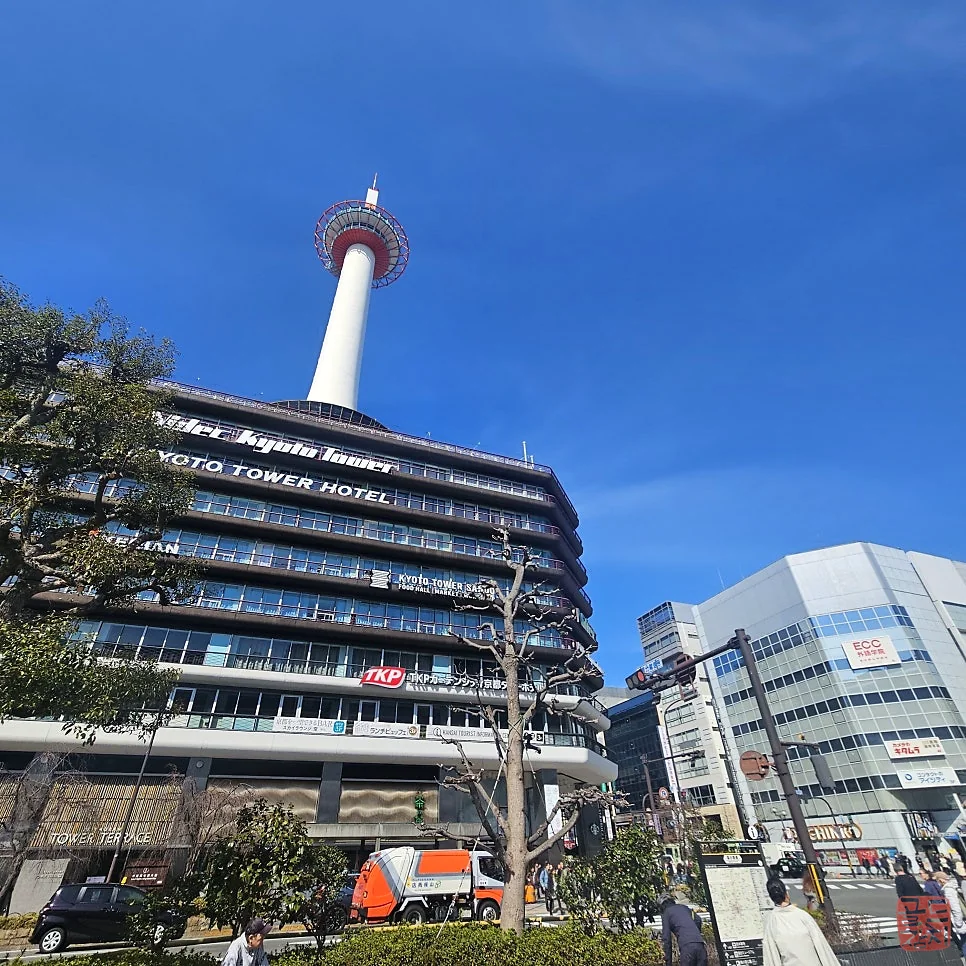
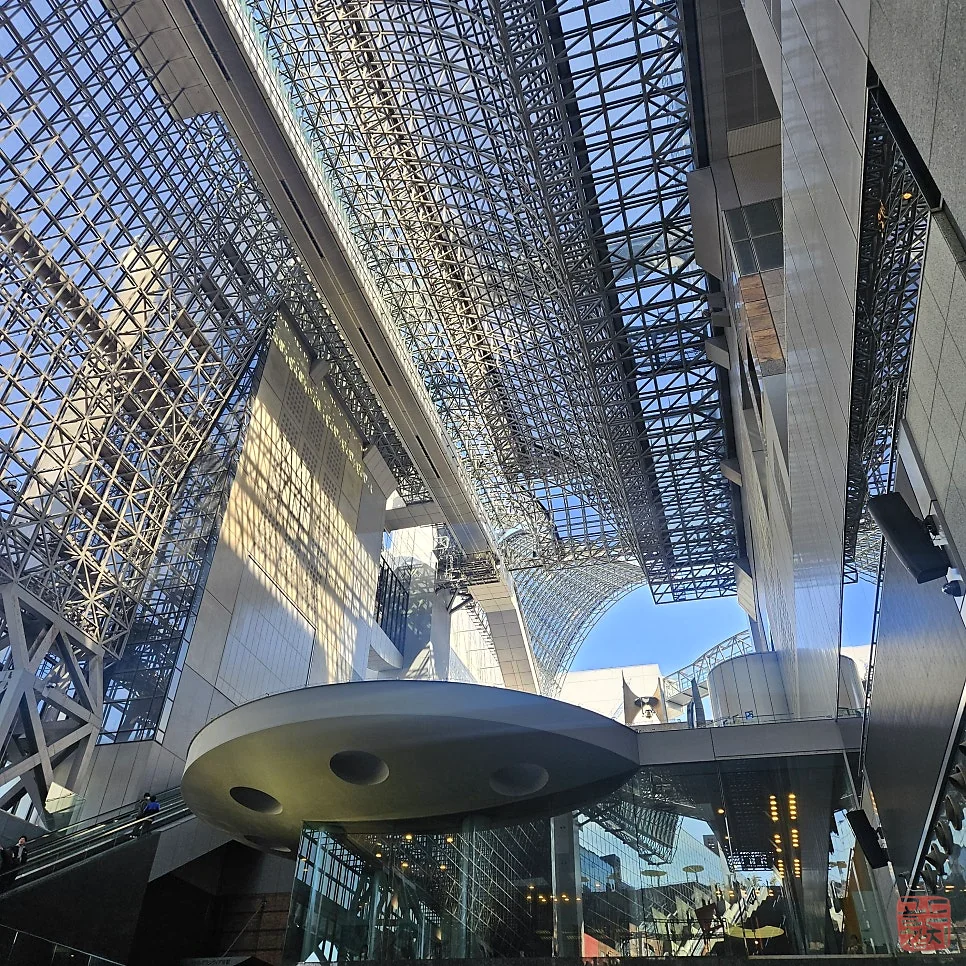
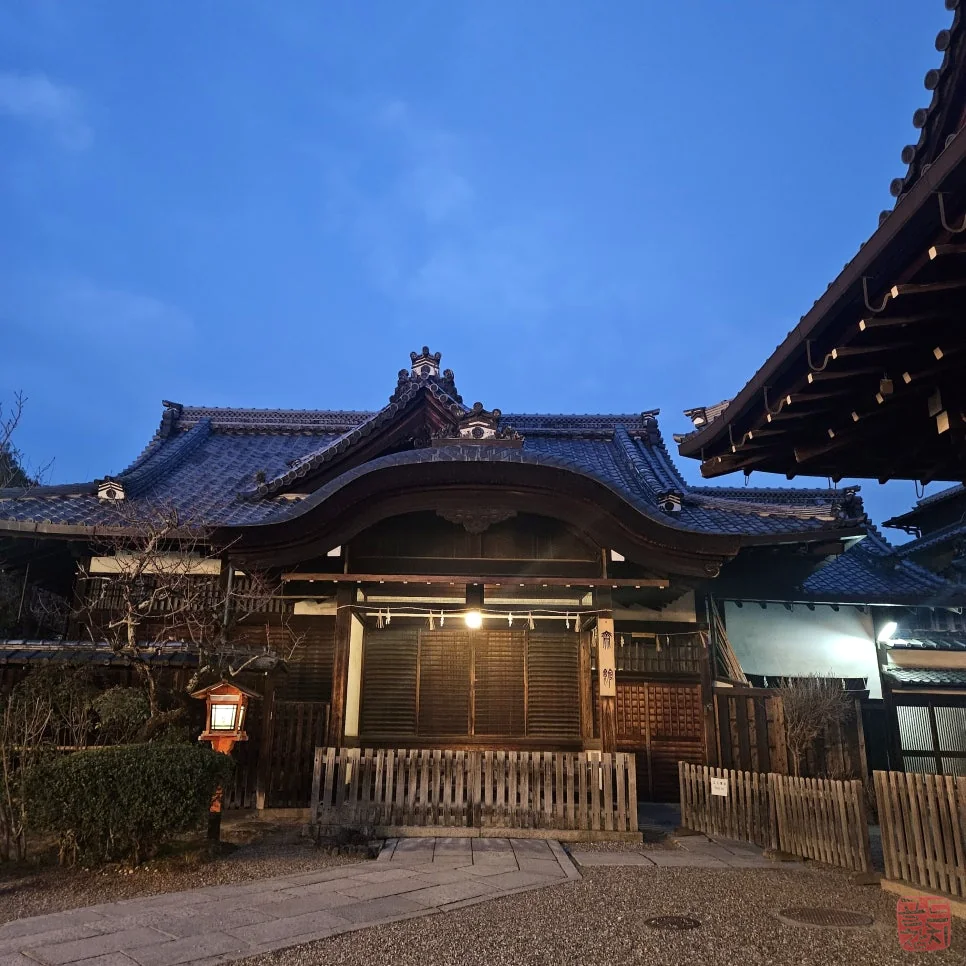
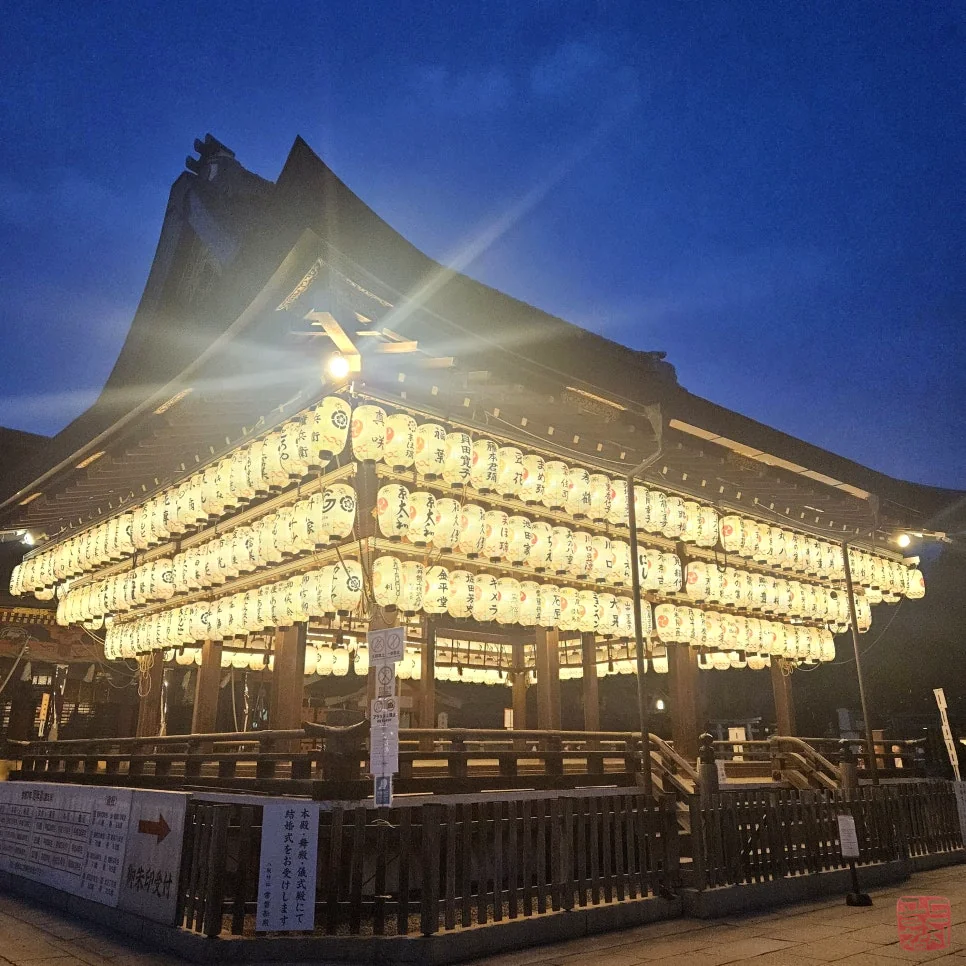
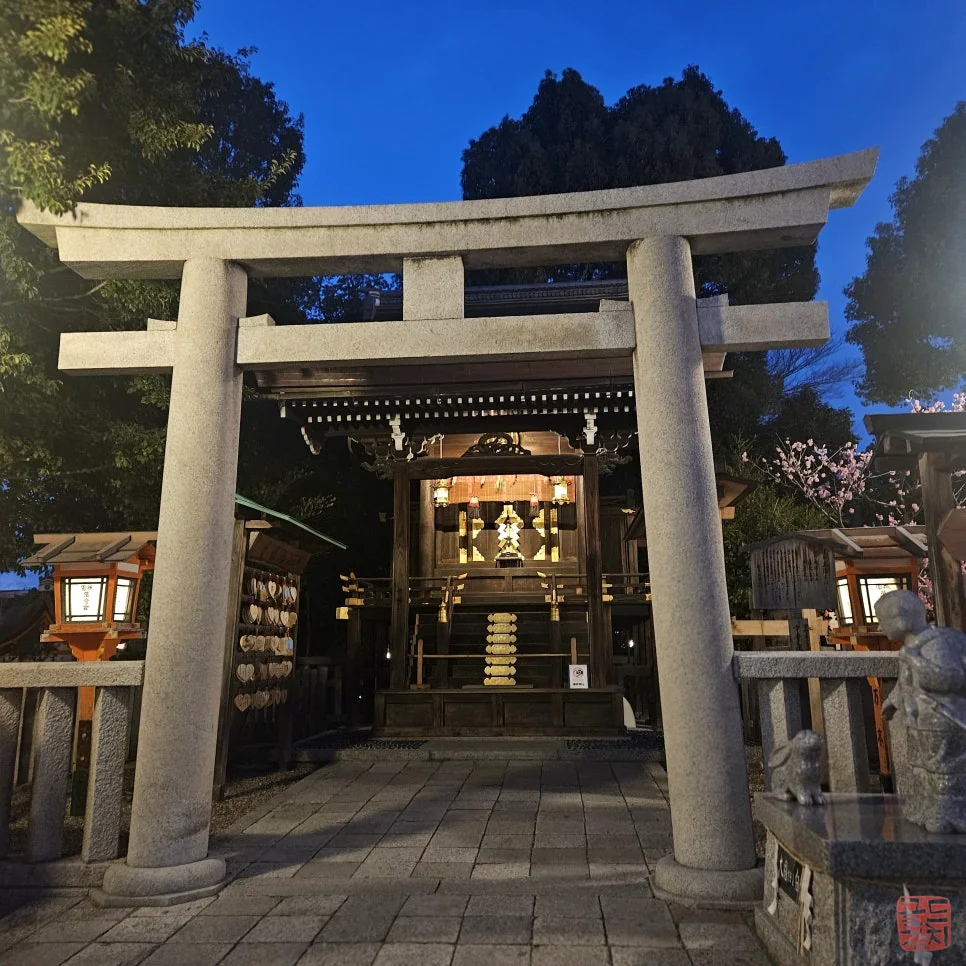
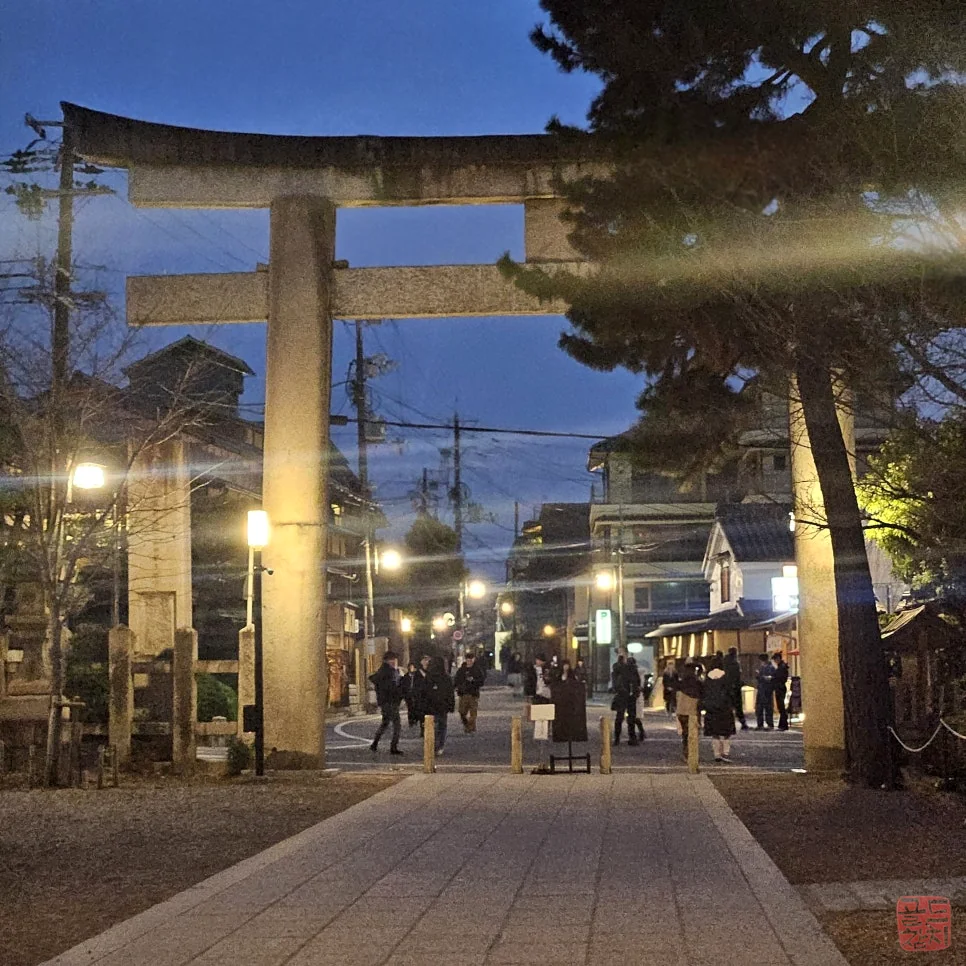
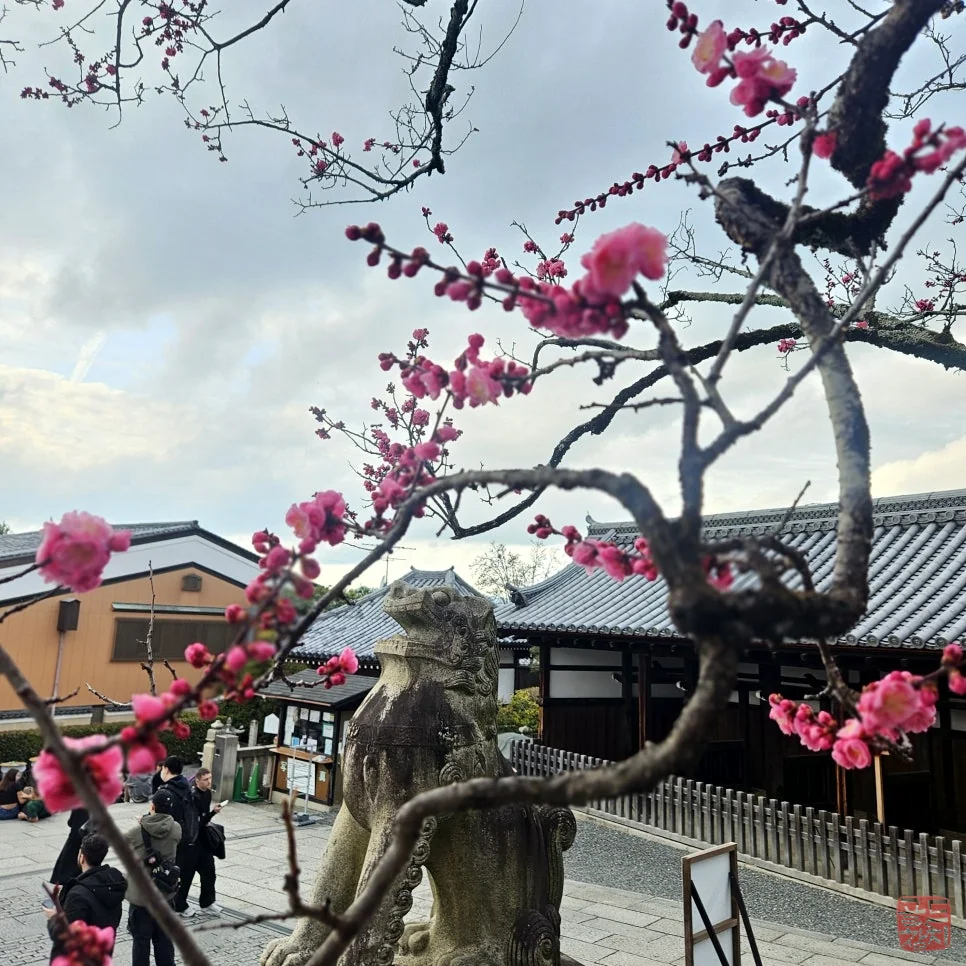
The history and timeless beauty of Kyoto
Returning to Kyoto after twenty years, I was struck by how little the city had changed. Among the modern buildings, shrines, traditional houses, and narrow alleys remain exactly where they were. It is a place where past and present mingle naturally, as if time itself has slowed to a crawl.
Once the political heart of the Edo period under Tokugawa Ieyasu, Kyoto surrendered its capital status to Tokyo after the Meiji Restoration. Today, it stands as a guardian of ancient glory.
Perhaps that is why, even amidst the bustle, one can still feel the breath of tradition. Walking these streets feels like finding a sanctuary of slow time in a world that usually moves too fast.
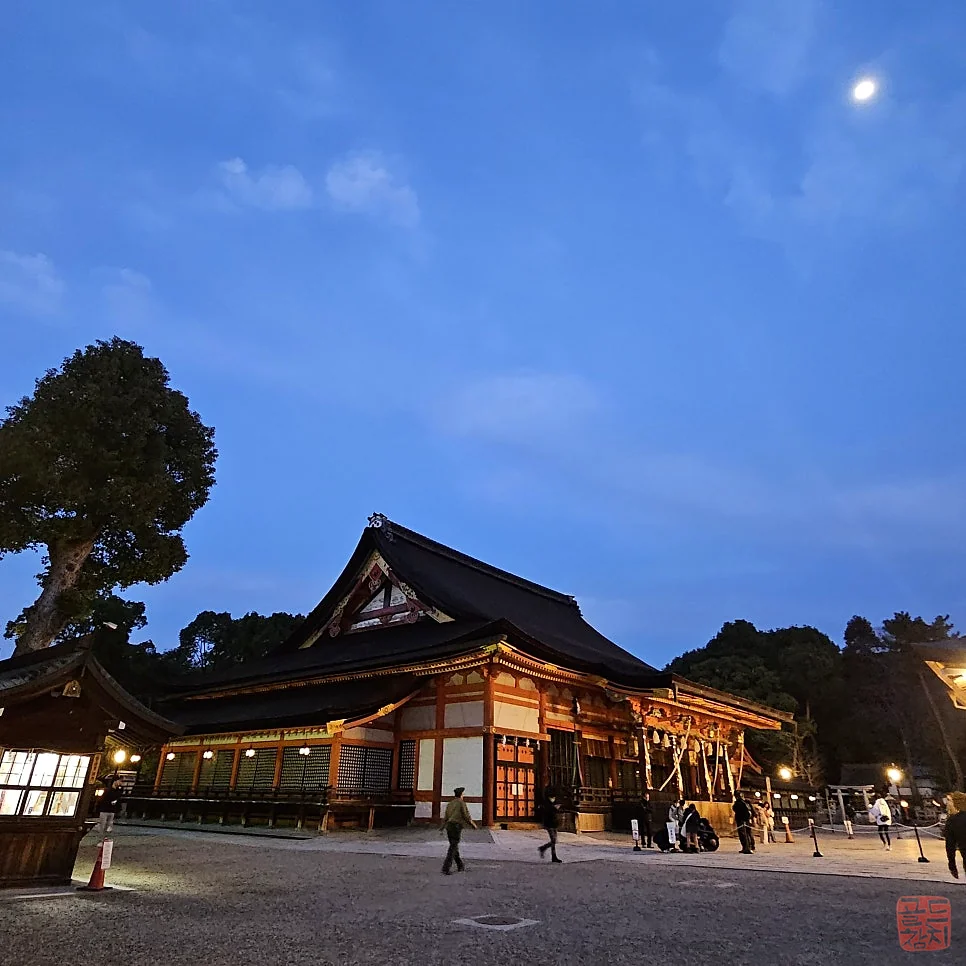
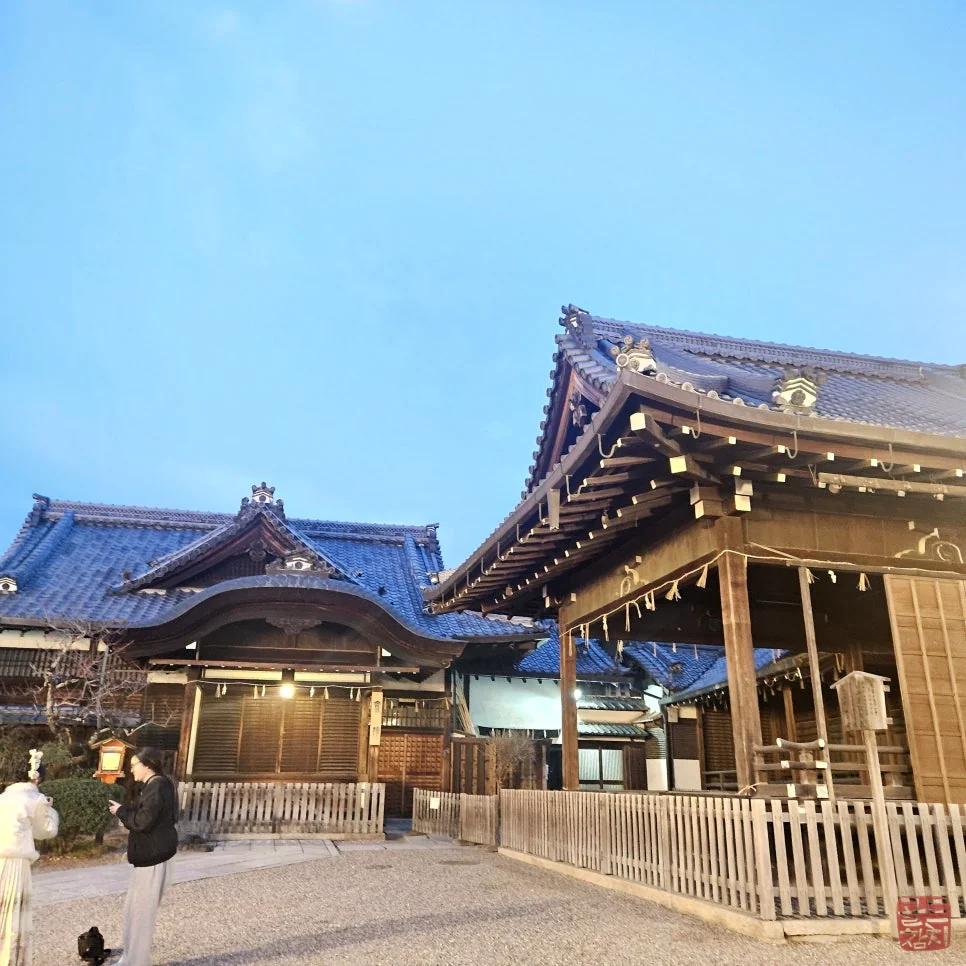
Cuisine as a narrative
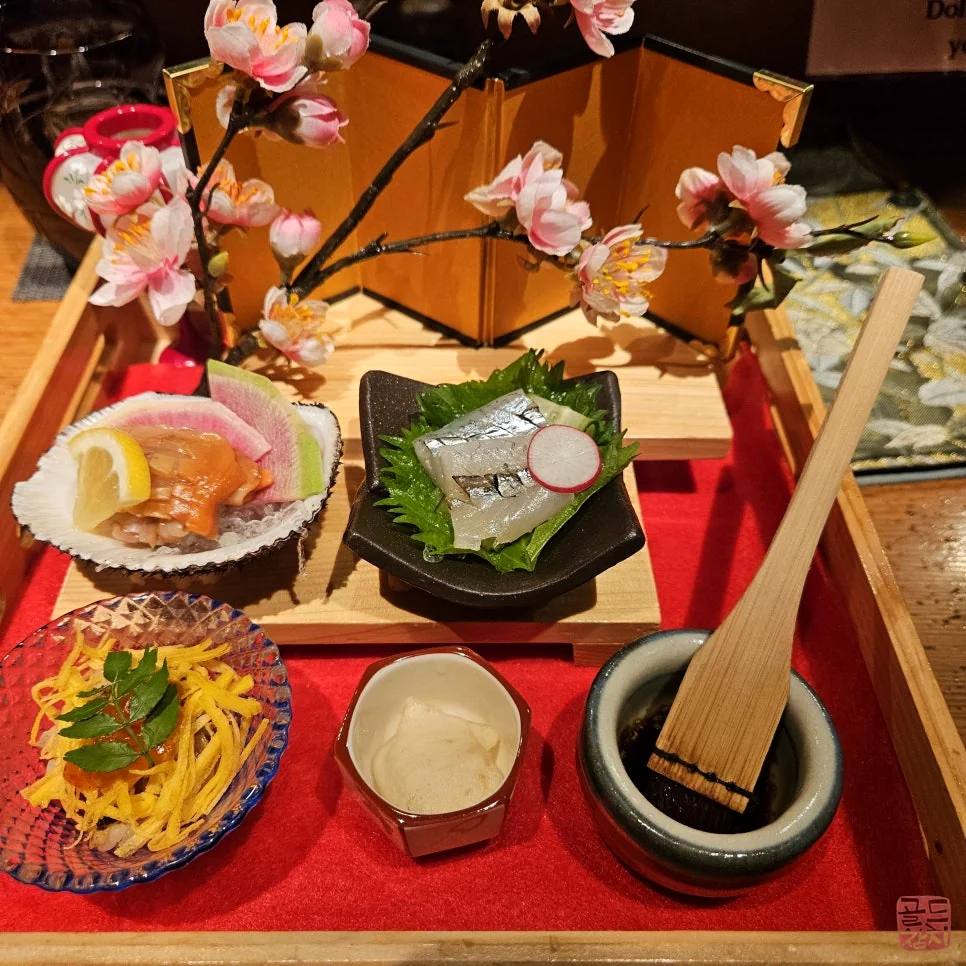
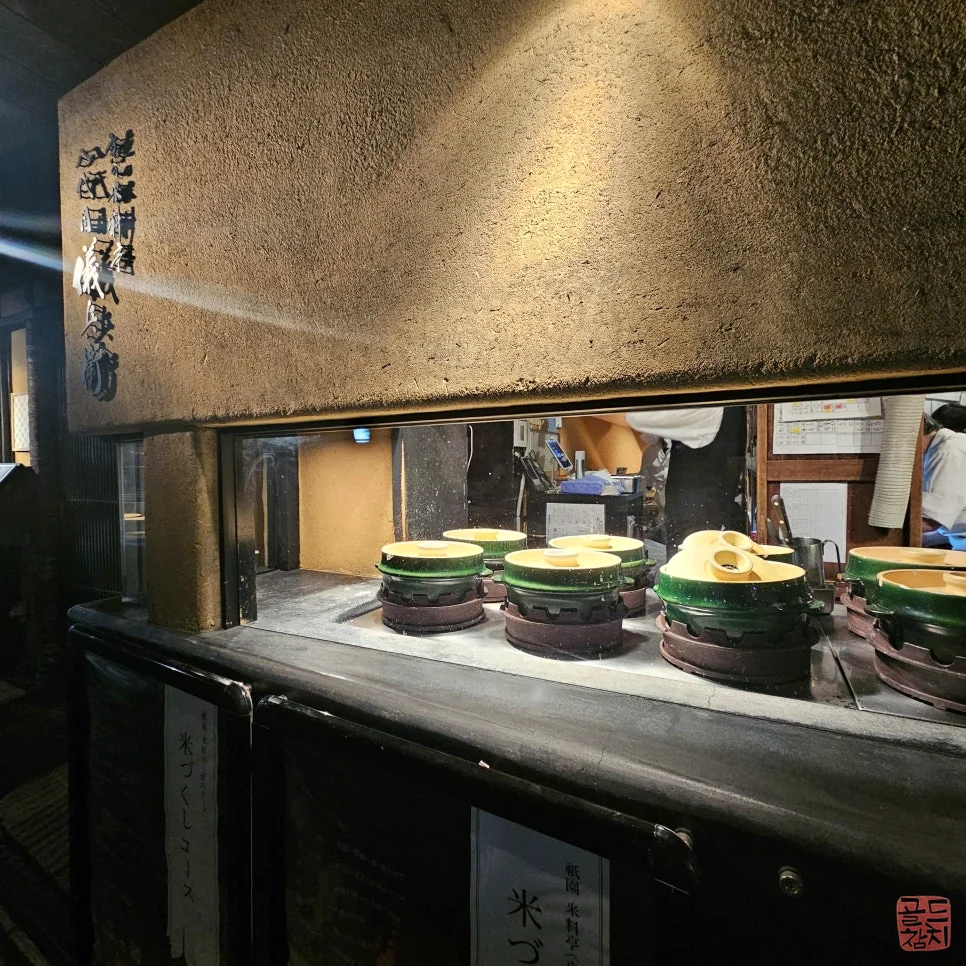
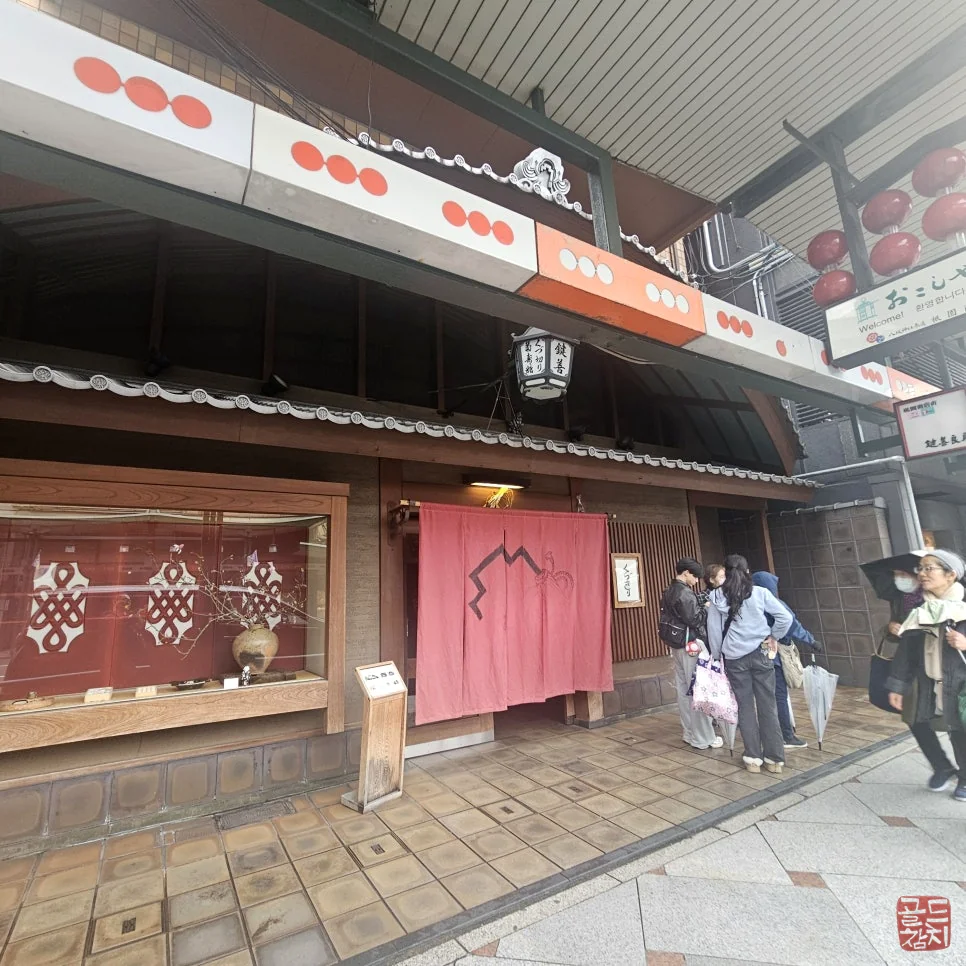
A rice pot restaurant I found in Kyoto was more than just a place to eat. It was a heritage passed down through generations. Each bowl served was a story, a product of patient waiting.
The meal, centered around rice, was exceptional. What lingered in my mind most was the performance of the rice itself. While the pot rested to steam, the staff would gently serve a small portion of undercooked rice from another pot to show the progress.
"It will be ready very soon."
It was a masterful display of anticipation. The narrative and the artisan's touch had already completed the meal before the first bite was taken. It wasn't just about sustenance; it was an exchange of care between the host and the guest.
Infrastructure and the flow of guests
Kyoto welcomes over 50 million visitors annually. The entire city feels like a meticulously planned destination. No matter where you look, the environment is designed to embrace the traveler.
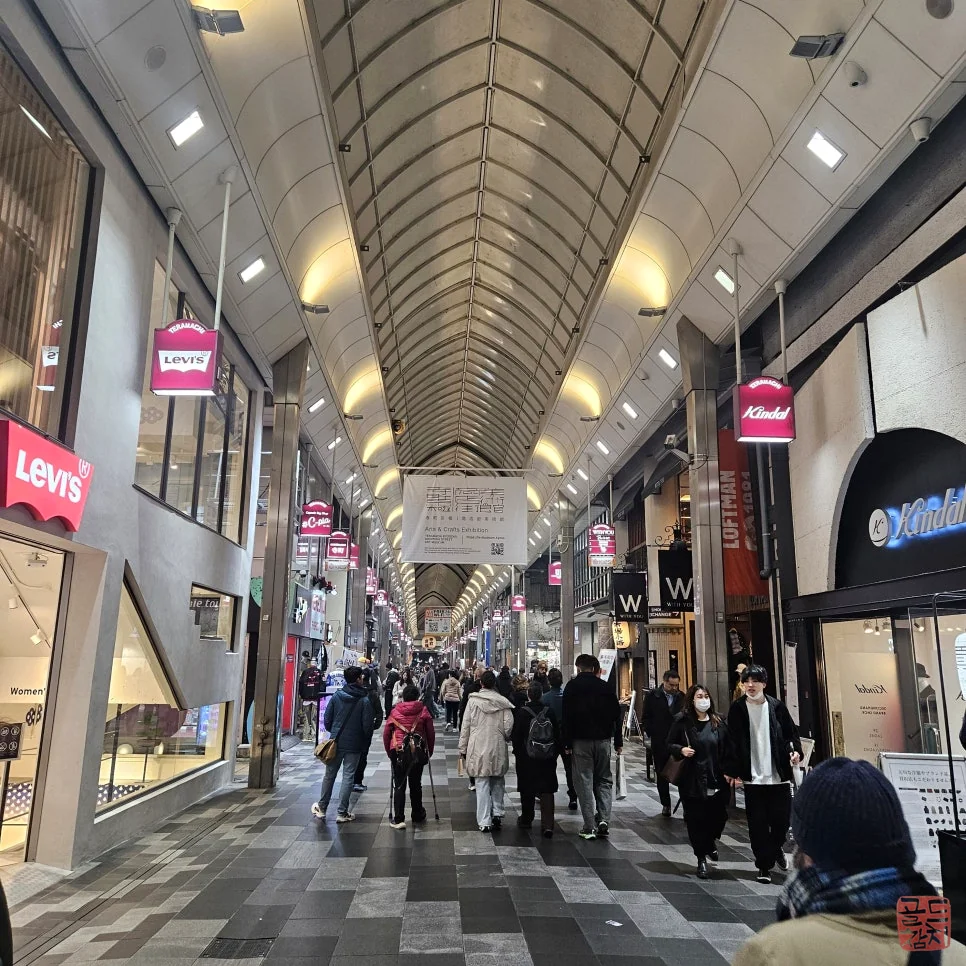
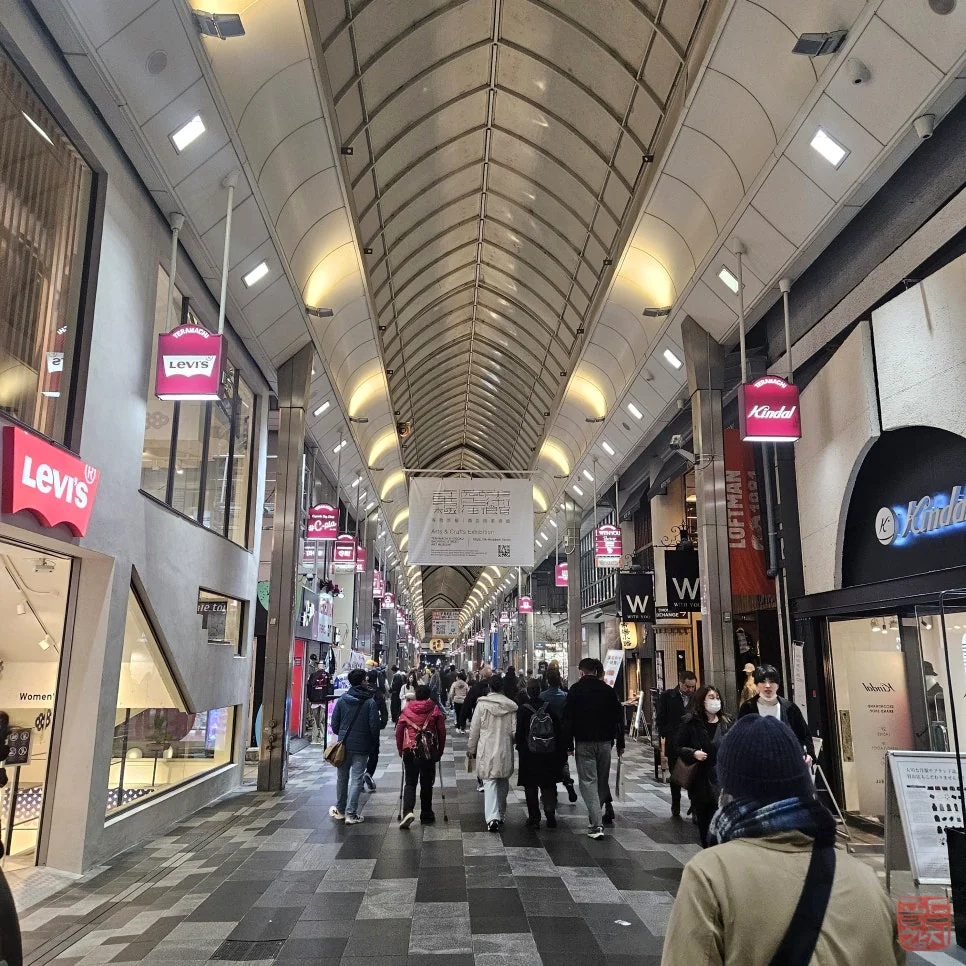
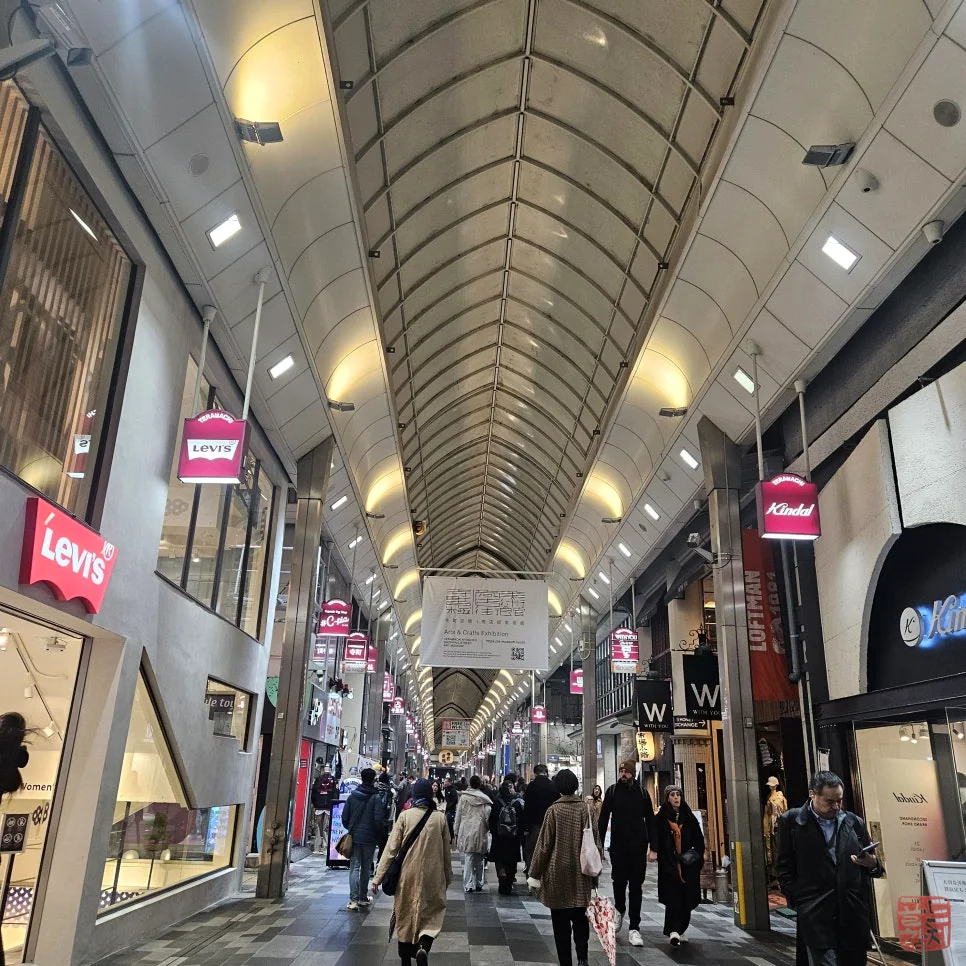
One notable detail was the domed roofs covering busy streets, allowing people to walk, shop, and dine comfortably regardless of the weather. Seeing this, we couldn't help but reflect on our own public systems back home.
Ultimately, such environments are the result of meticulous preparation and a unified vision. To them, 50 million guests isn't just a statistic; it is the fruit of immense effort. It reminded me of the distance we still have to travel in creating such a seamless experience of hospitality.
Finding perfection through specialization
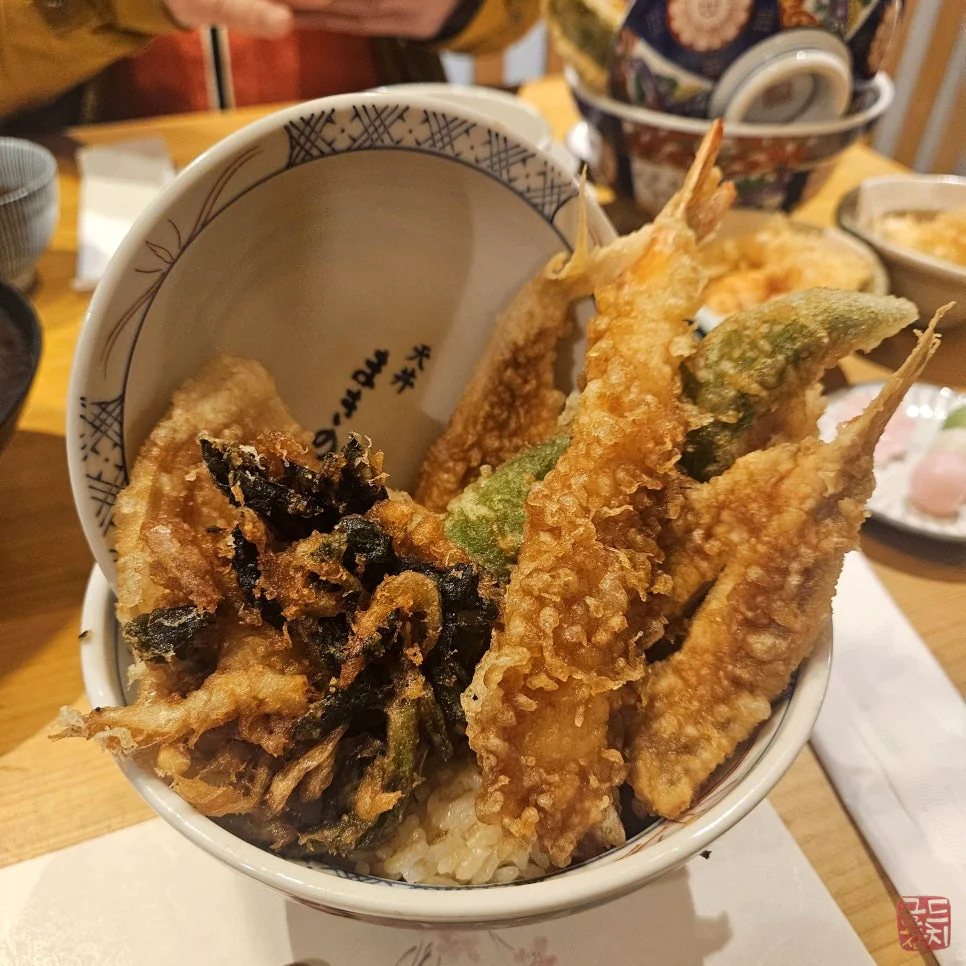
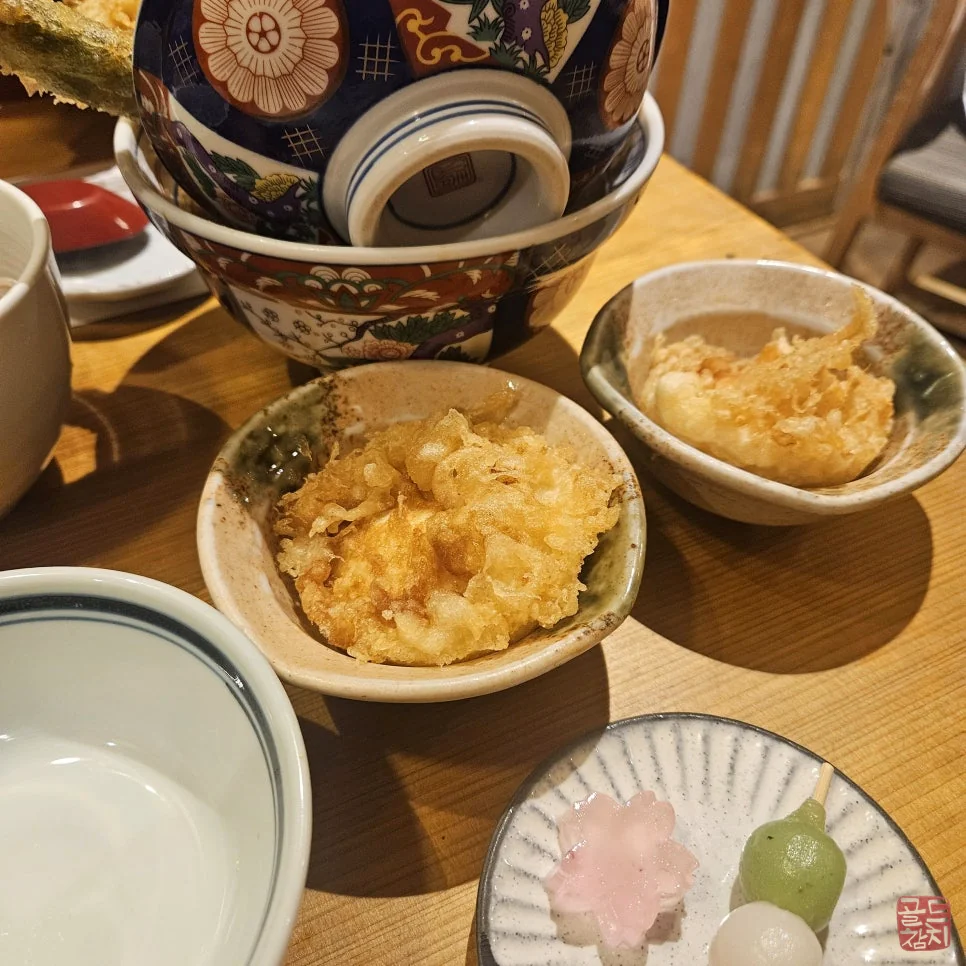
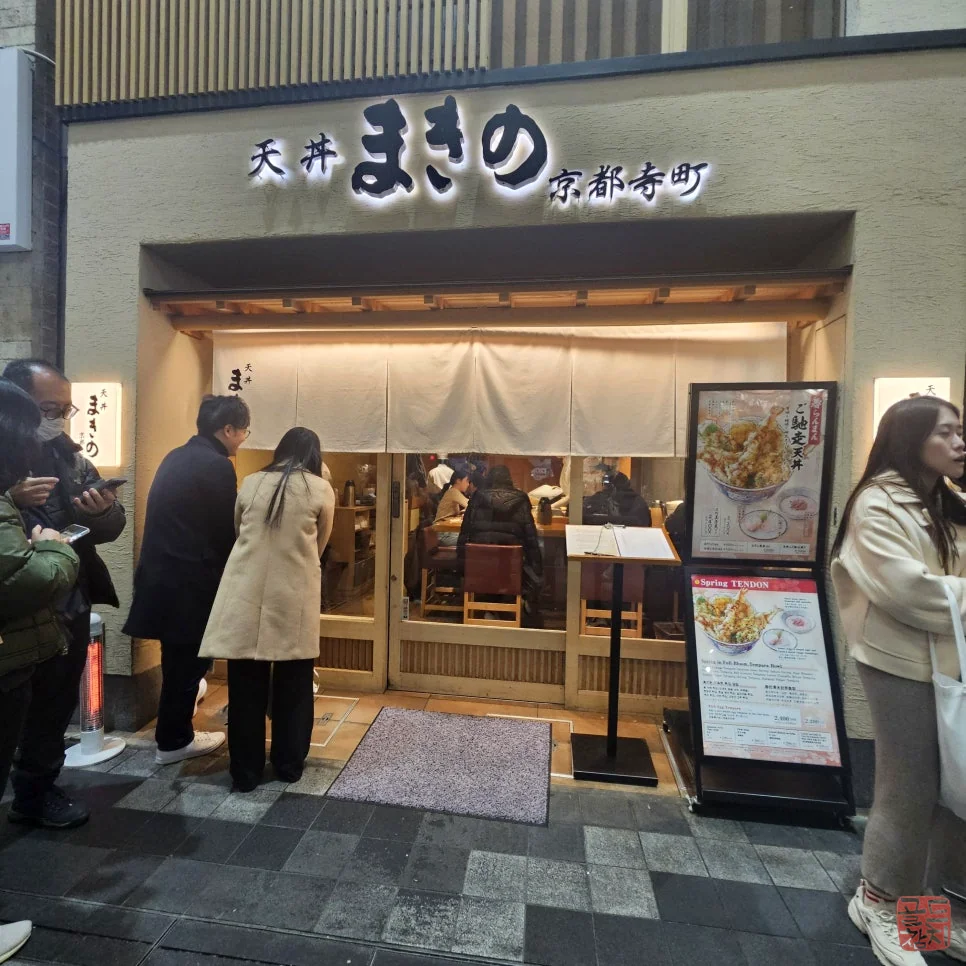
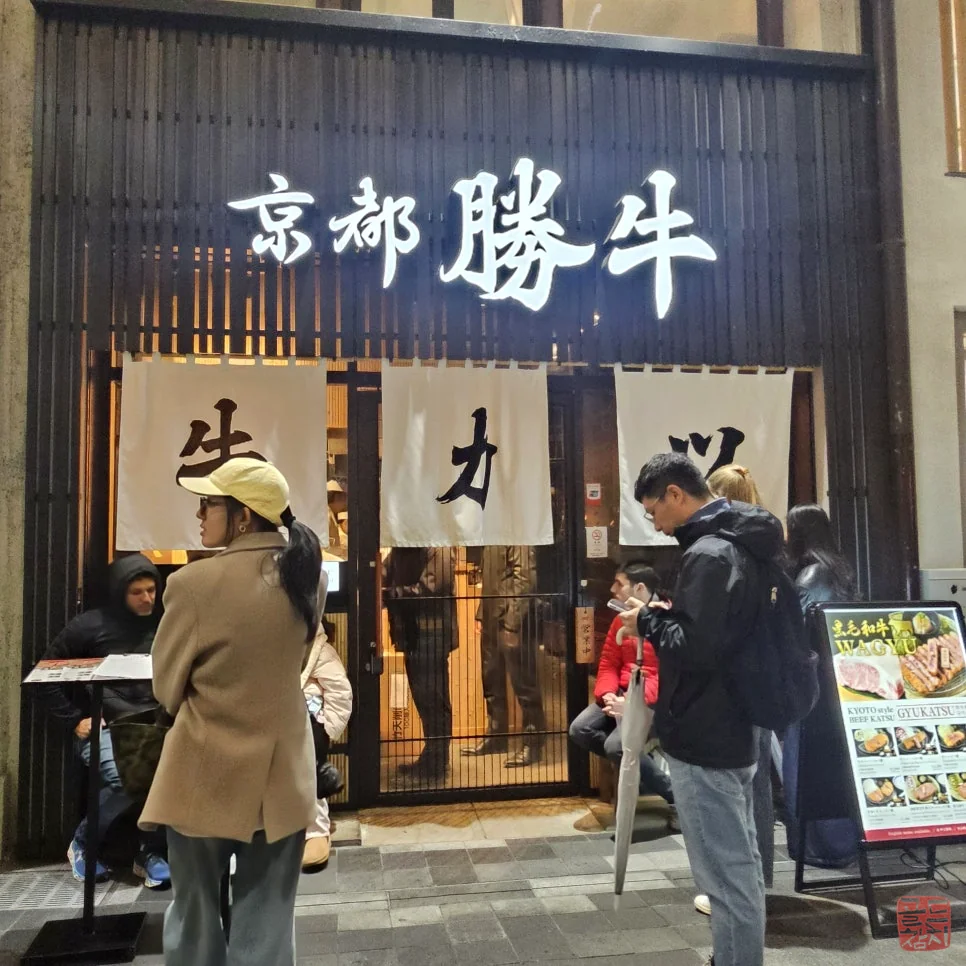
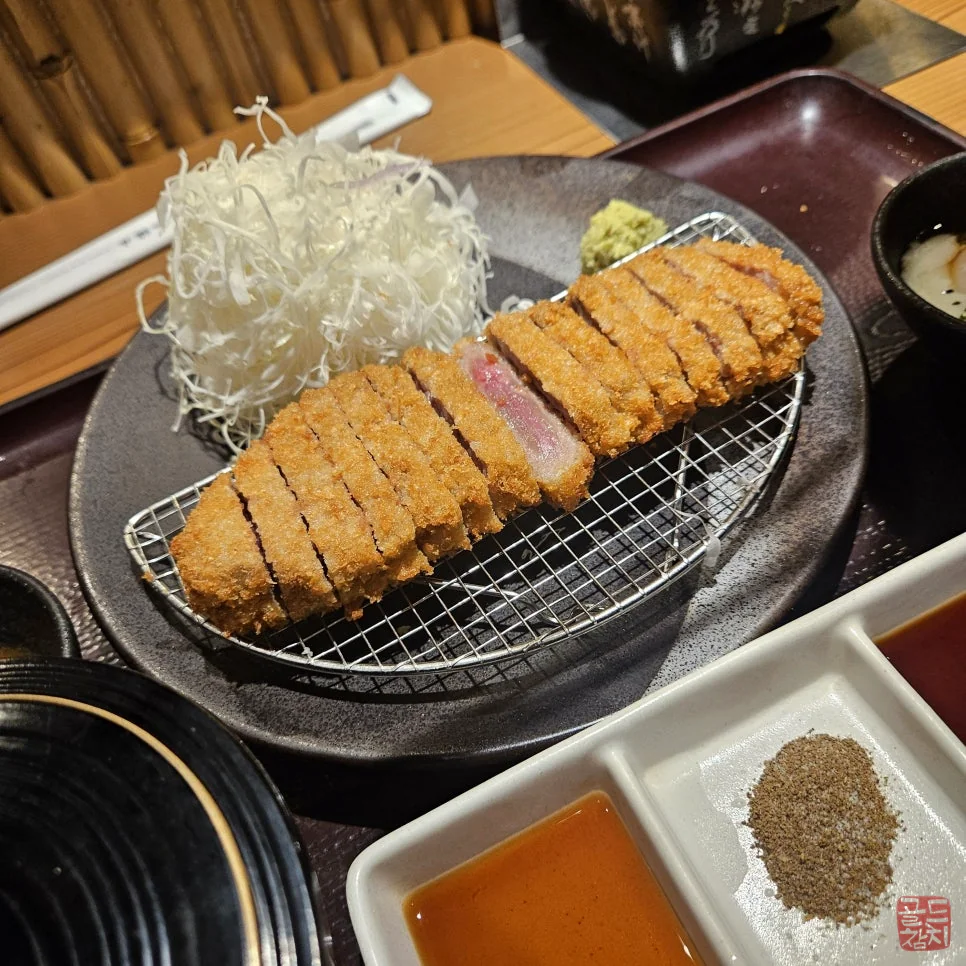
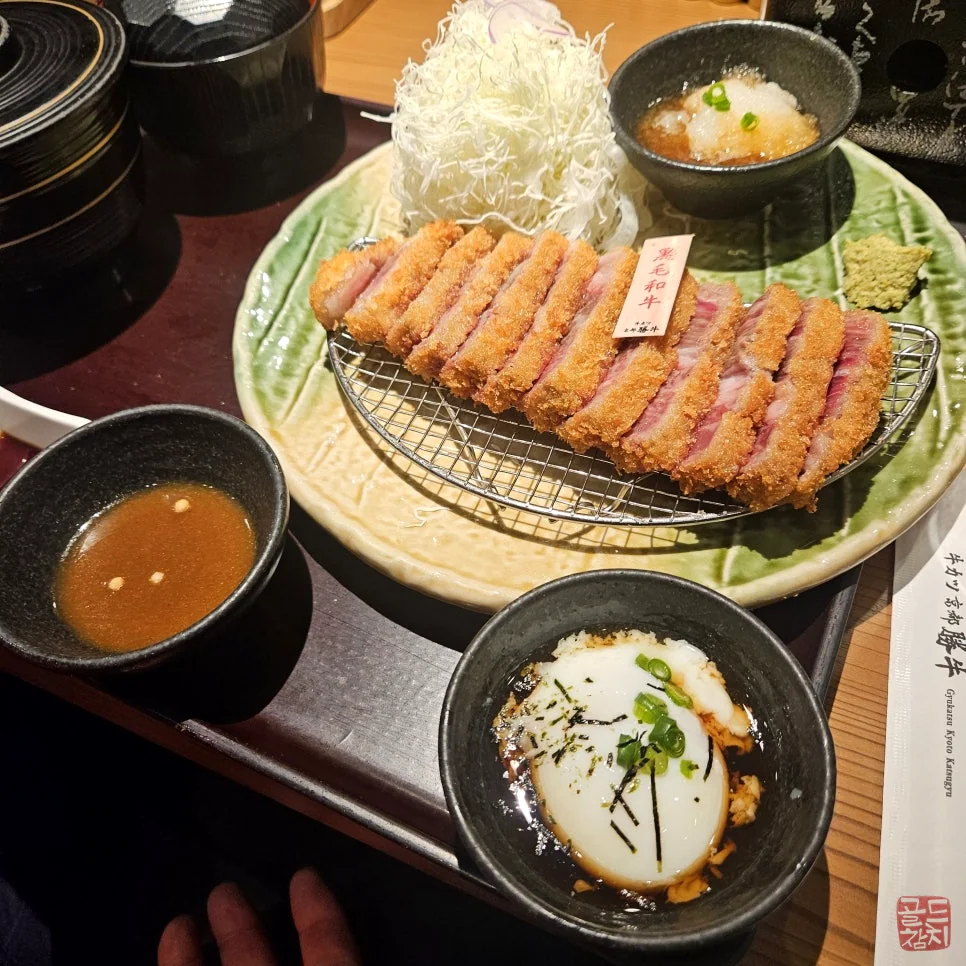
The restaurants here are defined by their singular focus. Menus are simple, concentrating on one thing to achieve the highest level of execution. It made me reconsider our own menu of over 20 items—a challenge that requires immense energy to maintain.
In these shops, every ounce of effort goes into a single dish. The same careful preparation happens every single day, over and over. This leads to a taste that is simple yet deep, humble yet refined. That depth of craftsmanship is something that cannot be easily imitated.
The victory of detail
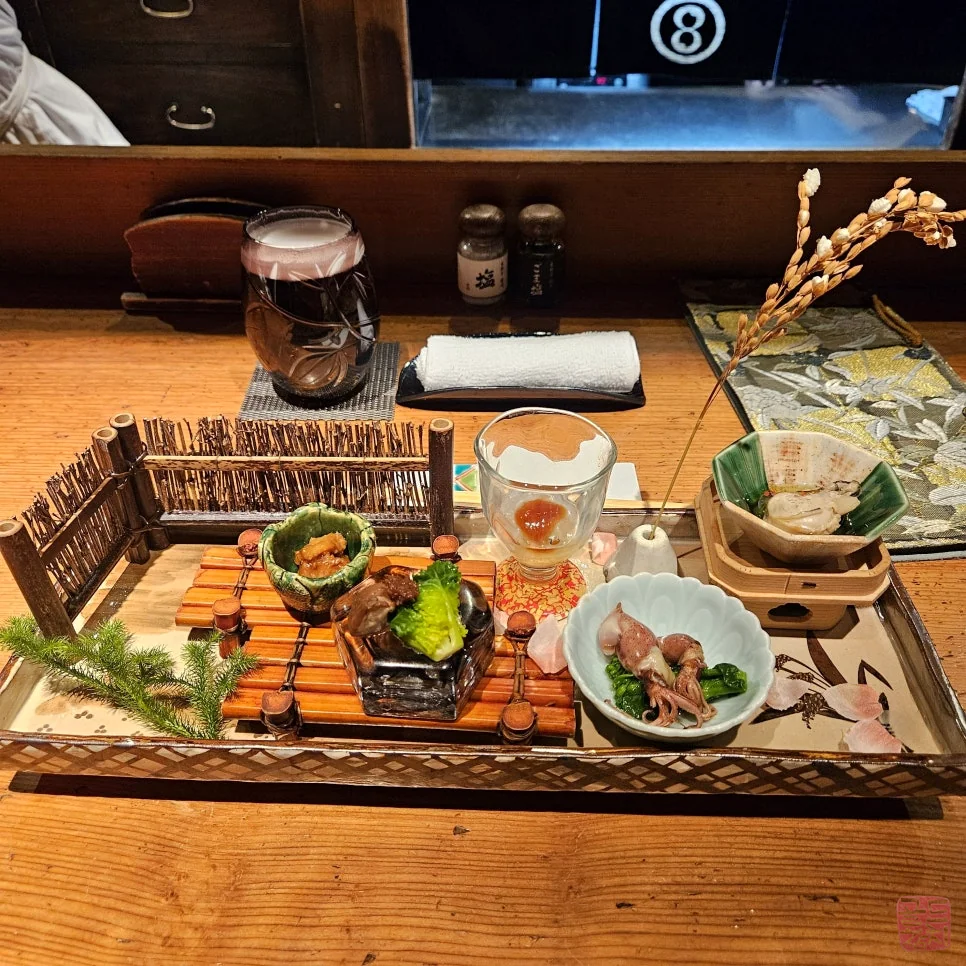
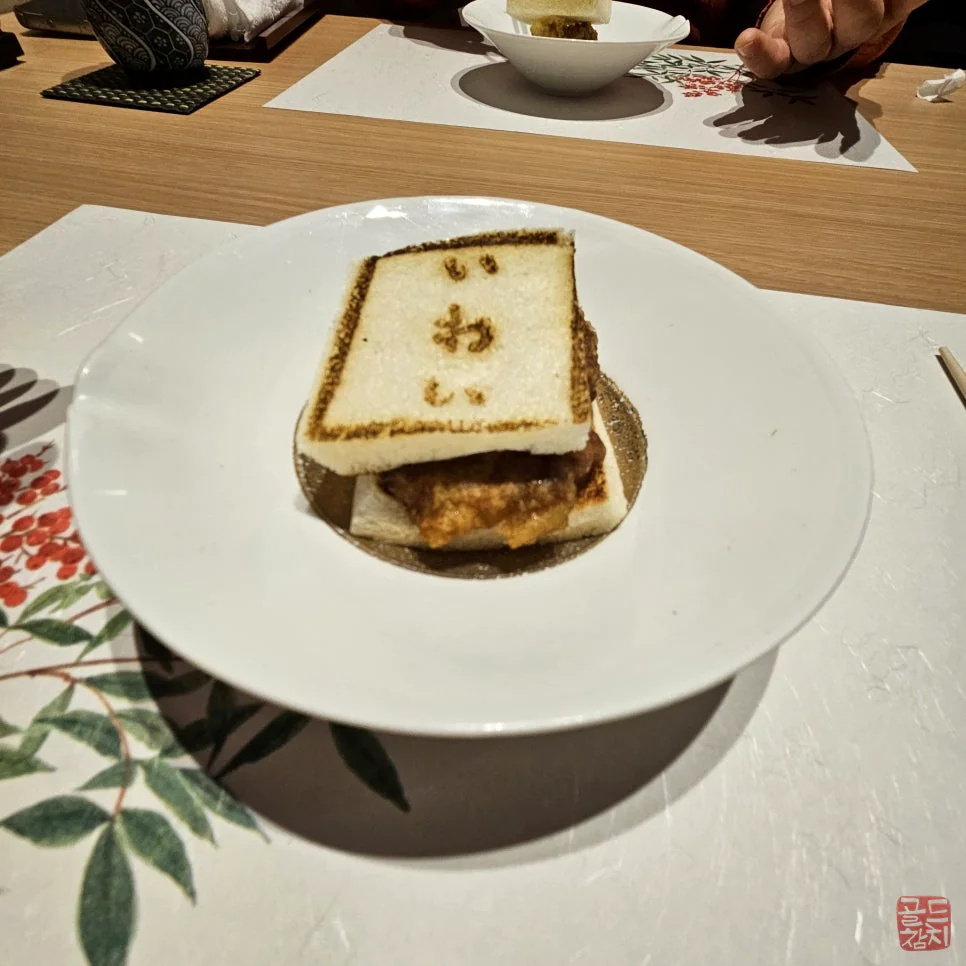
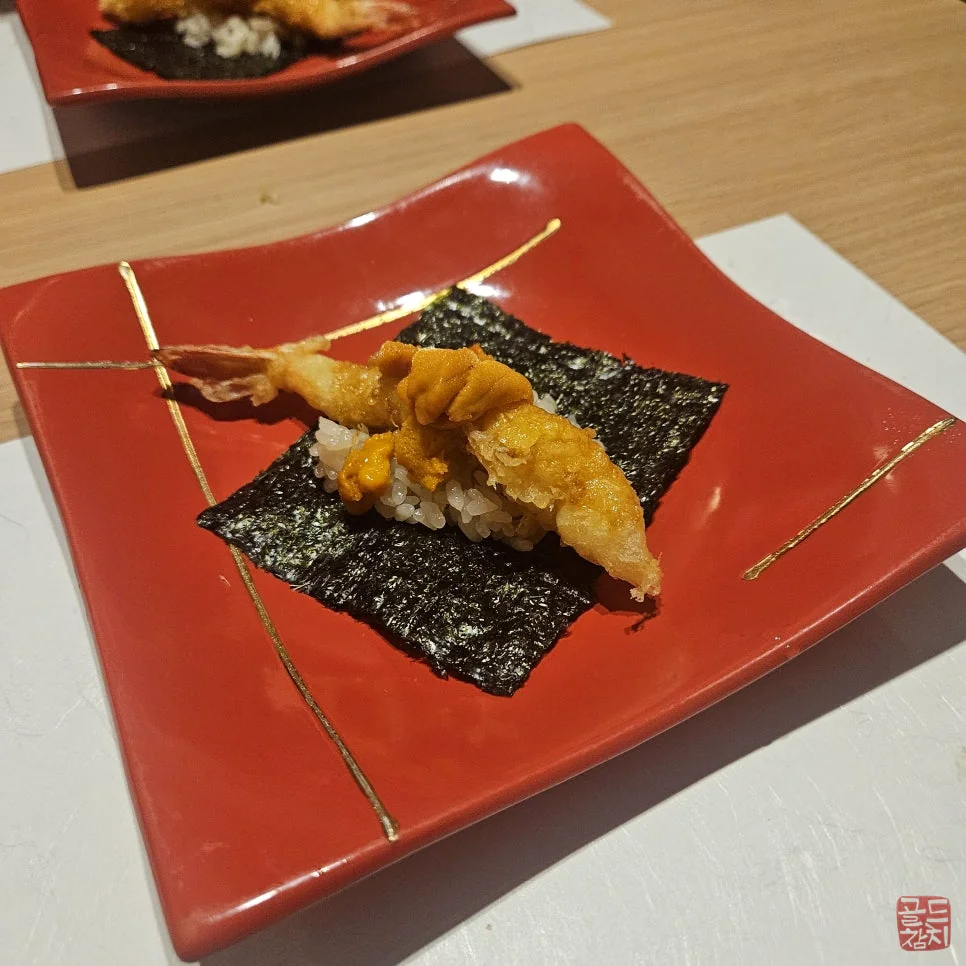
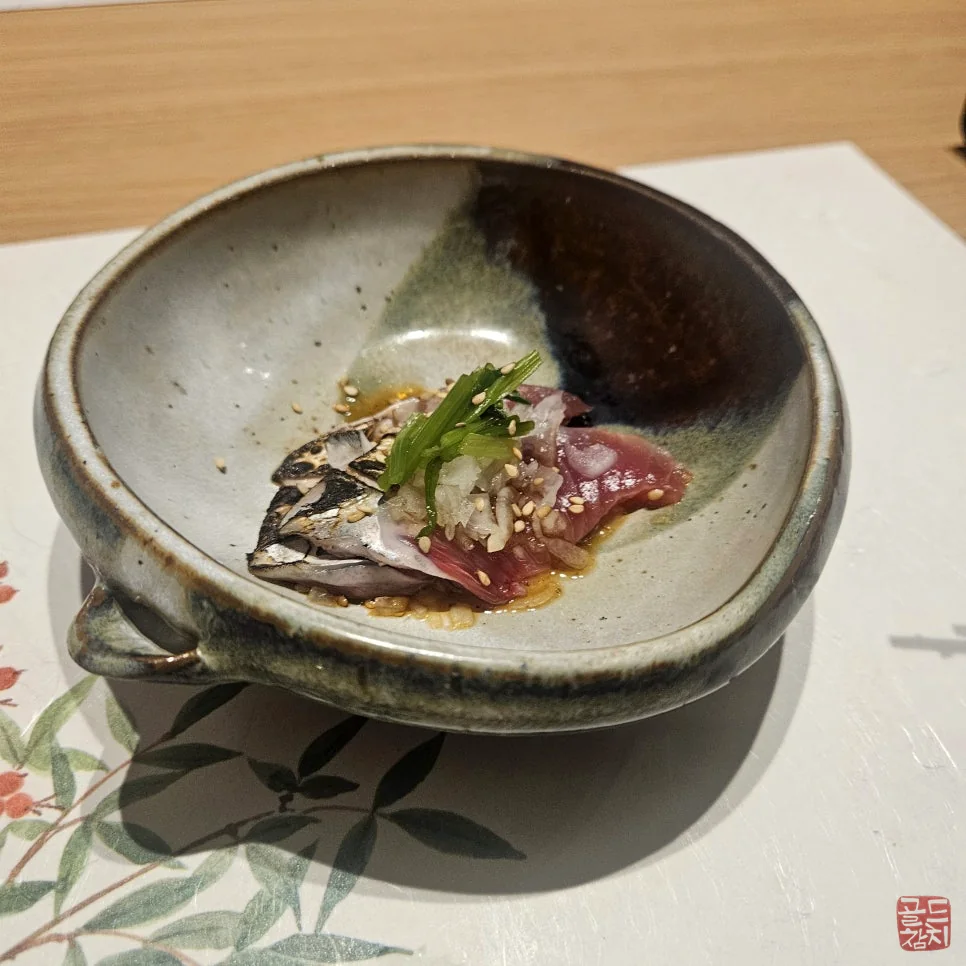
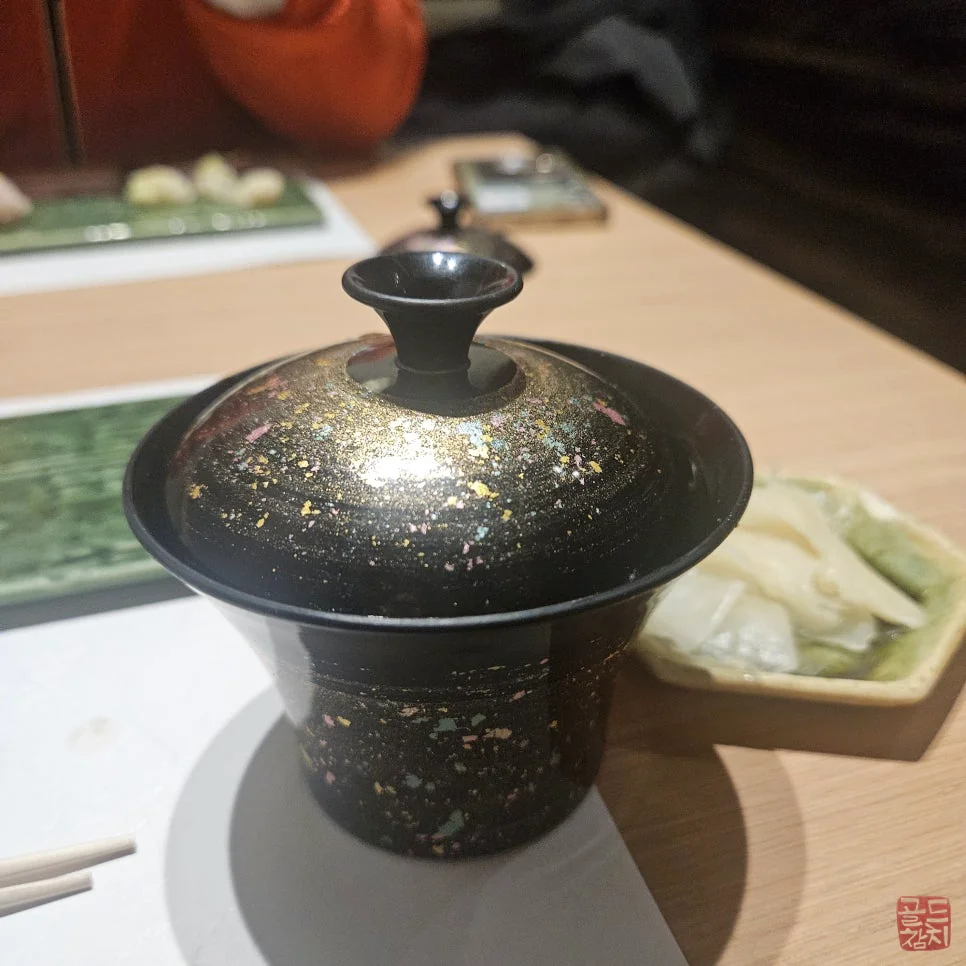
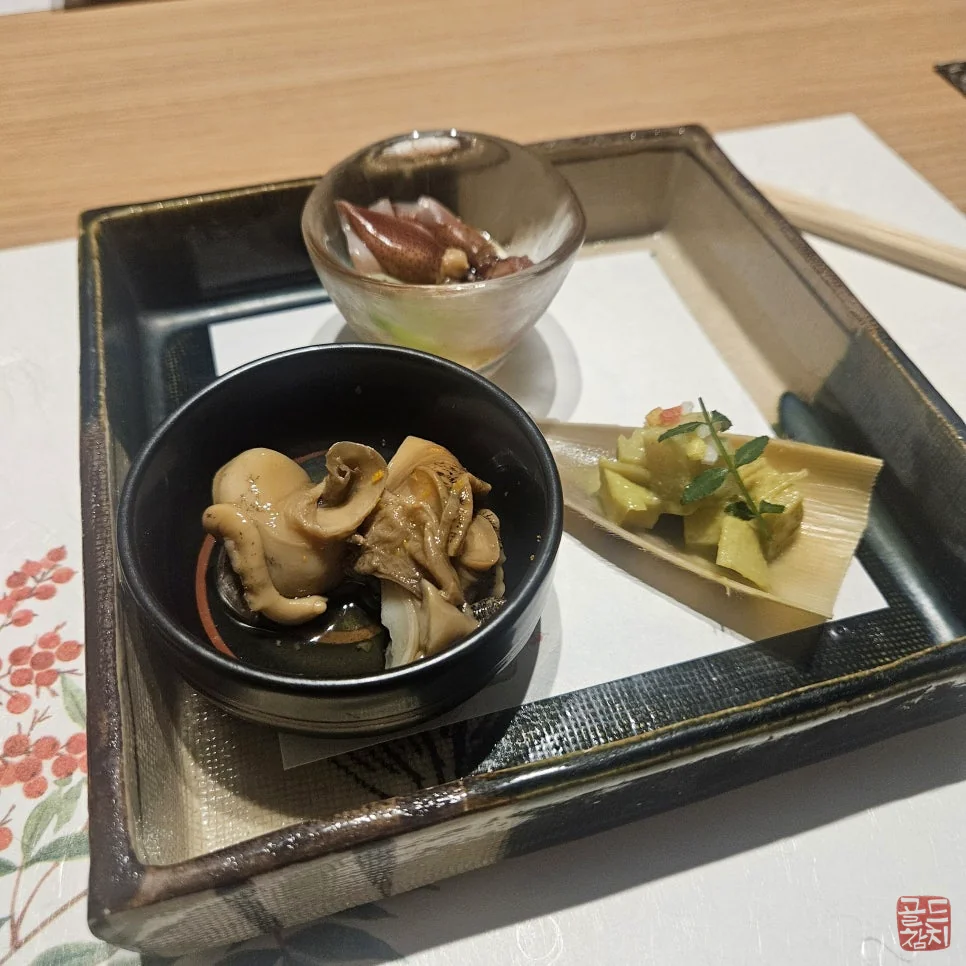
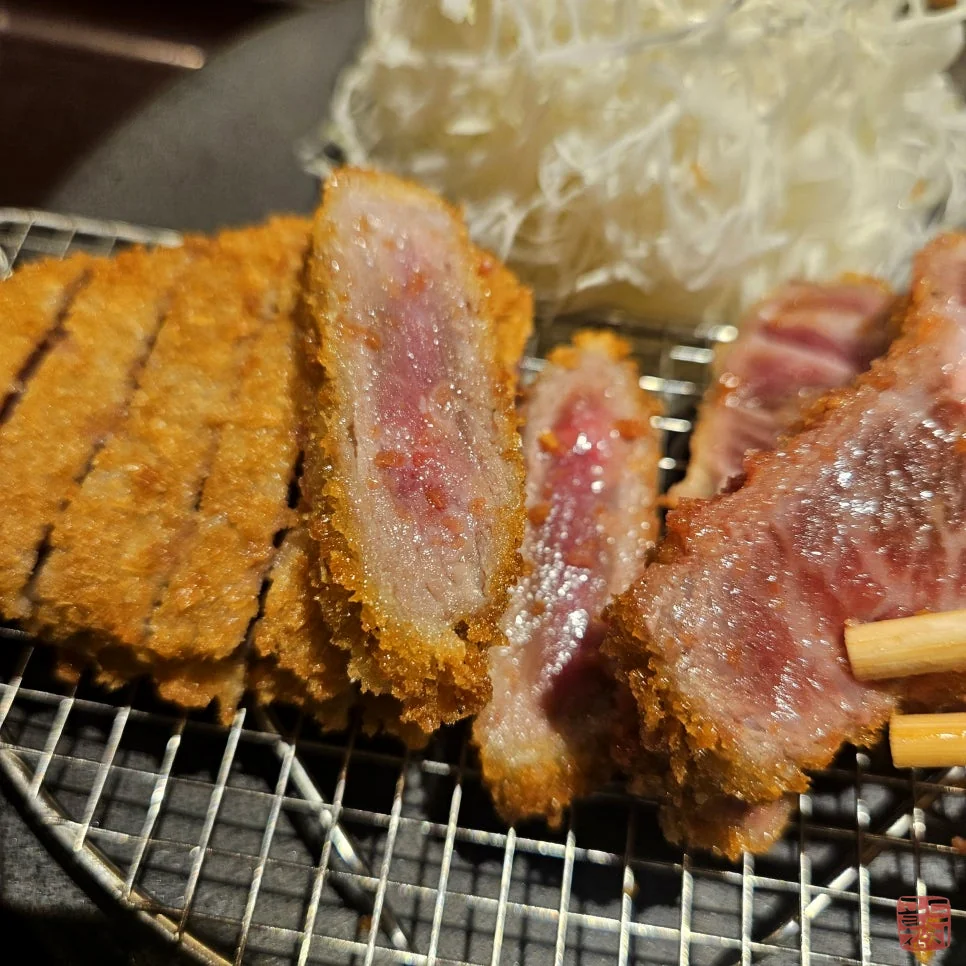
I focused intently on the visual dedication of each plate. Traditionally, Korean plating favors the high mound—a generous pile of food symbolizing abundance and heartfelt care.
Japanese cuisine differs; it values verticality. Each element is balanced and stood upright to create a sense of height and grace. In contrast, Chinese plating often spreads the ingredients outward to showcase their inherent colors and forms.
Today, the visual narrative has become a standard. For a dish to capture attention on modern digital platforms, it must have height and structure. Looking at the most shared images, they almost always follow this vertical aesthetic.
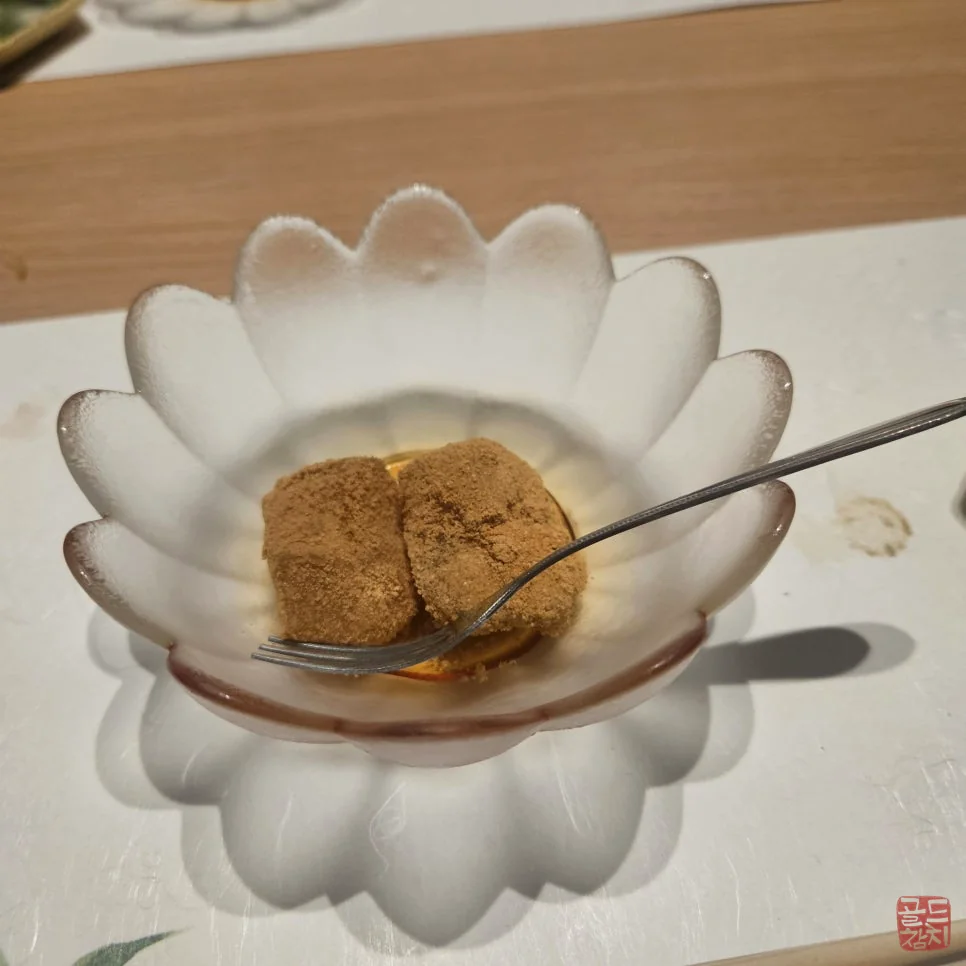
I spent the trip observing how they compose these plates and what specific details they prioritize. It became clear that these visual choices are what finally define the completion of a dish.
The commerce of kindness
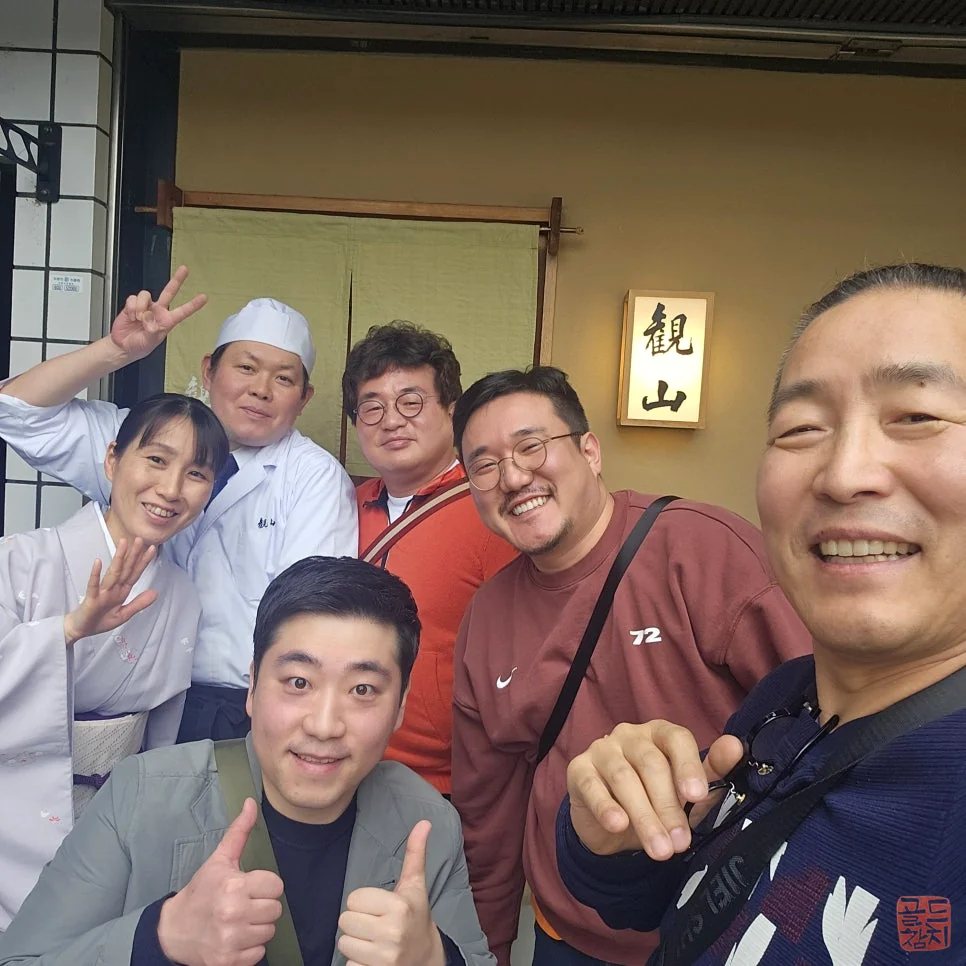
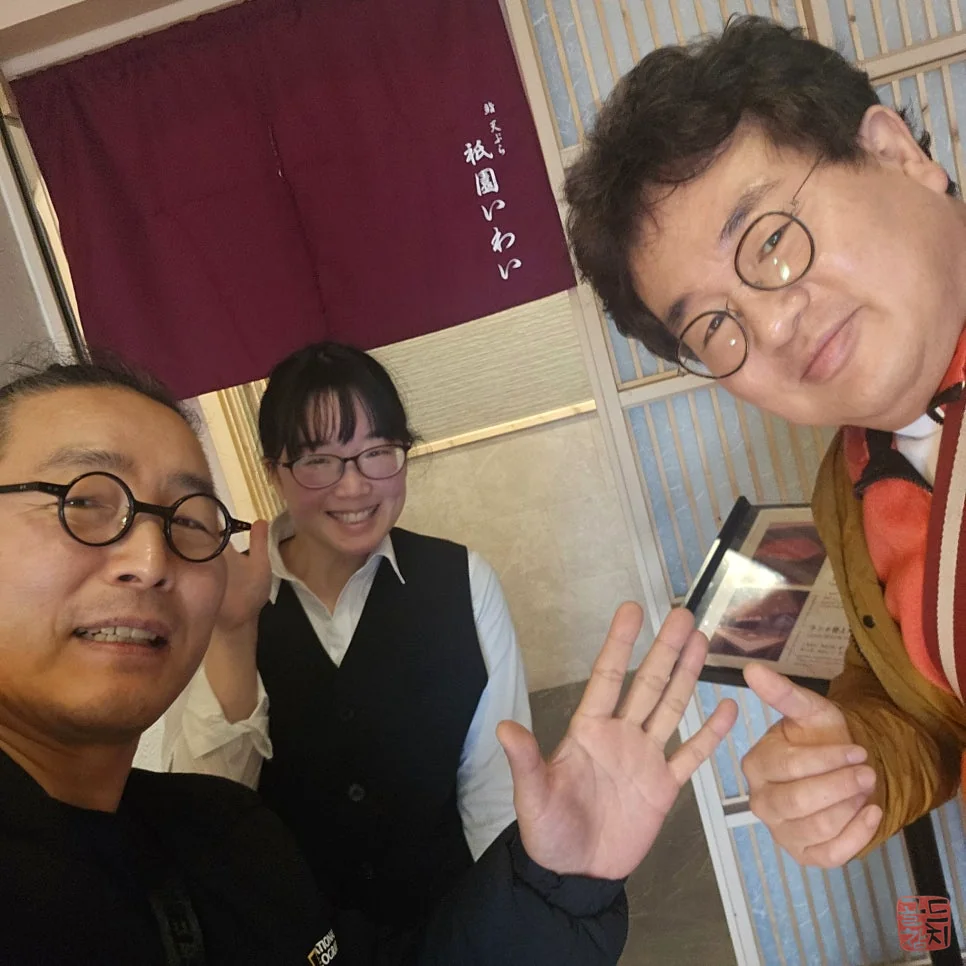
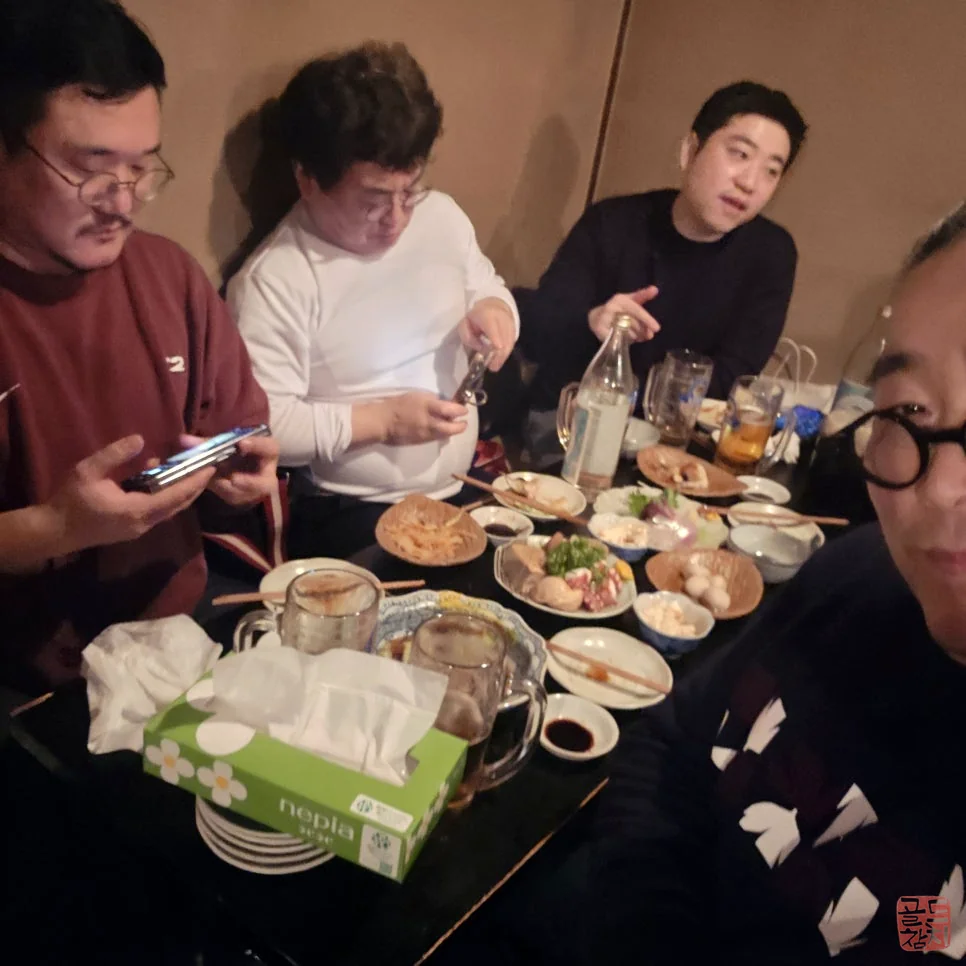
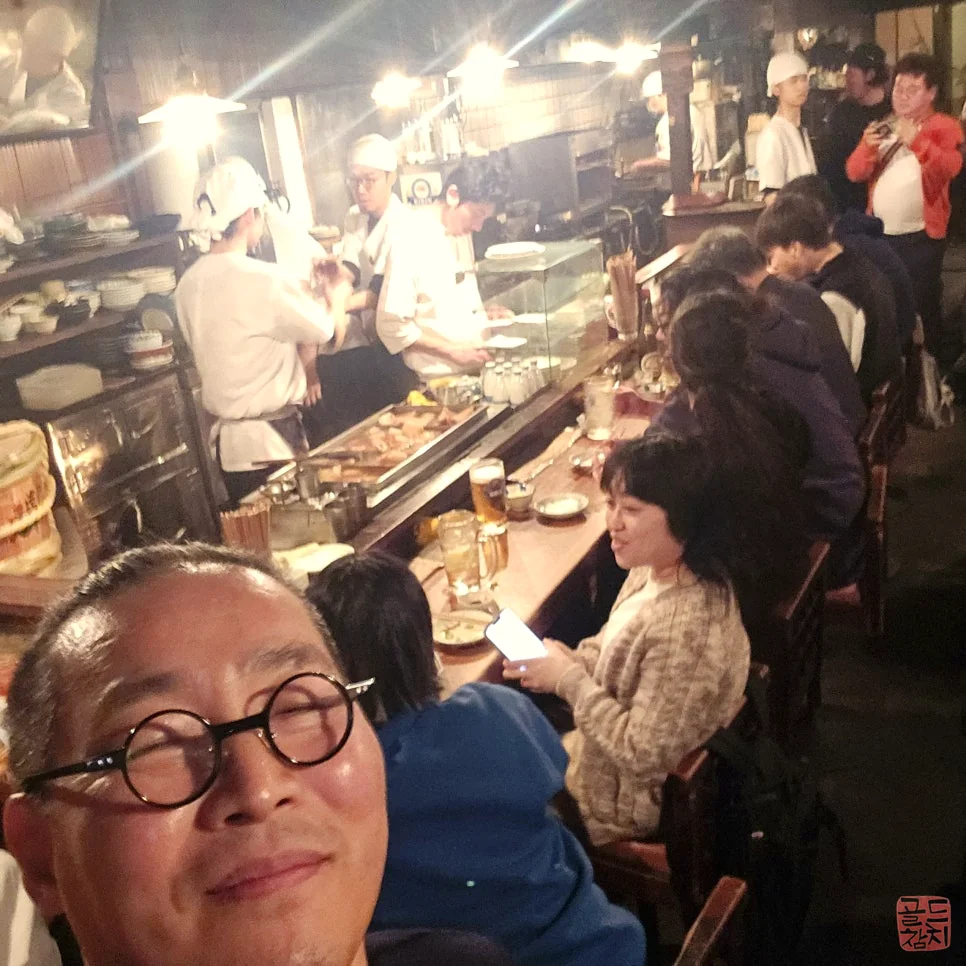
In Japan, kindness feels as natural as breathing. Constant expressions of gratitude and apology are woven into their daily lives—a reflection of deep consideration for others. It was moving to see staff follow guests outside, bowing deeply until they were completely out of sight.
Sincere service is a language that resonates globally. Small gestures of care build a culture and move the heart. It was a reminder that business is, at its core, the art of attending to another person's spirit.
Cleanliness as a foundation for trust
Throughout the four-day journey, the cleanliness of the city was striking. Not a single cigarette butt, piece of litter, or illegally parked car was in sight. This order wasn't just a habit; it felt like a collective philosophy.
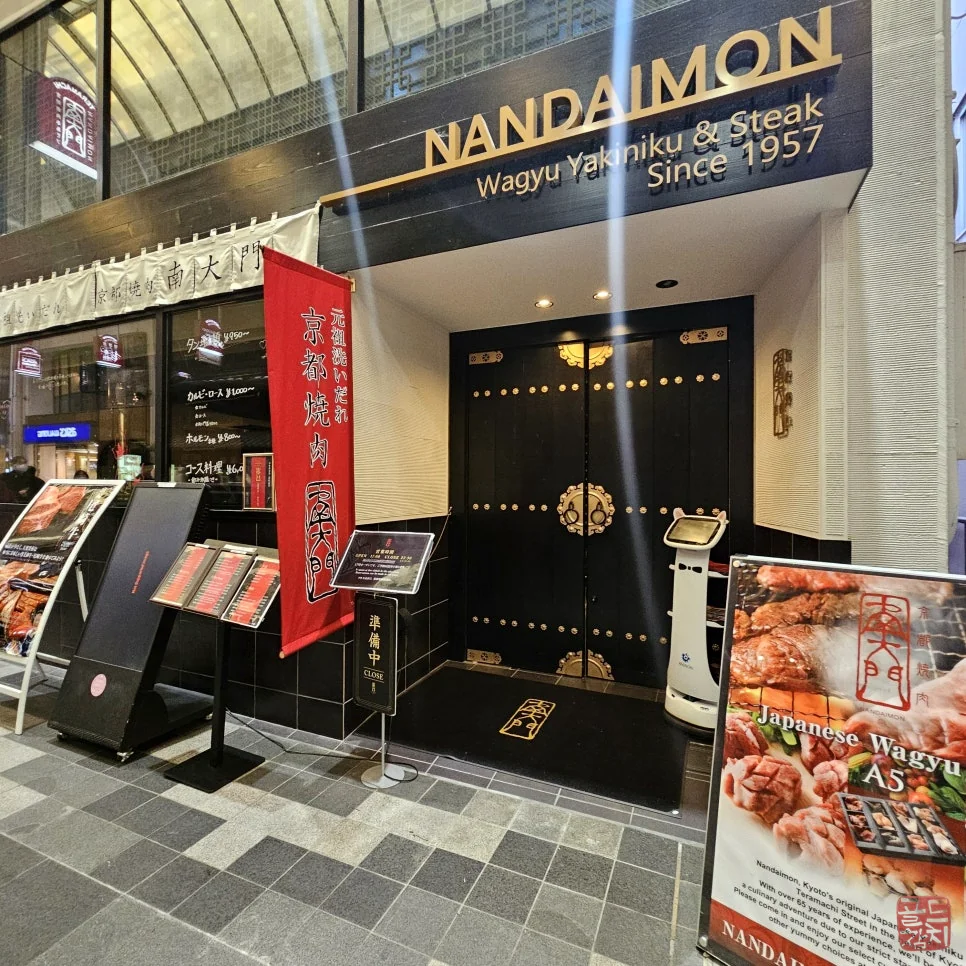
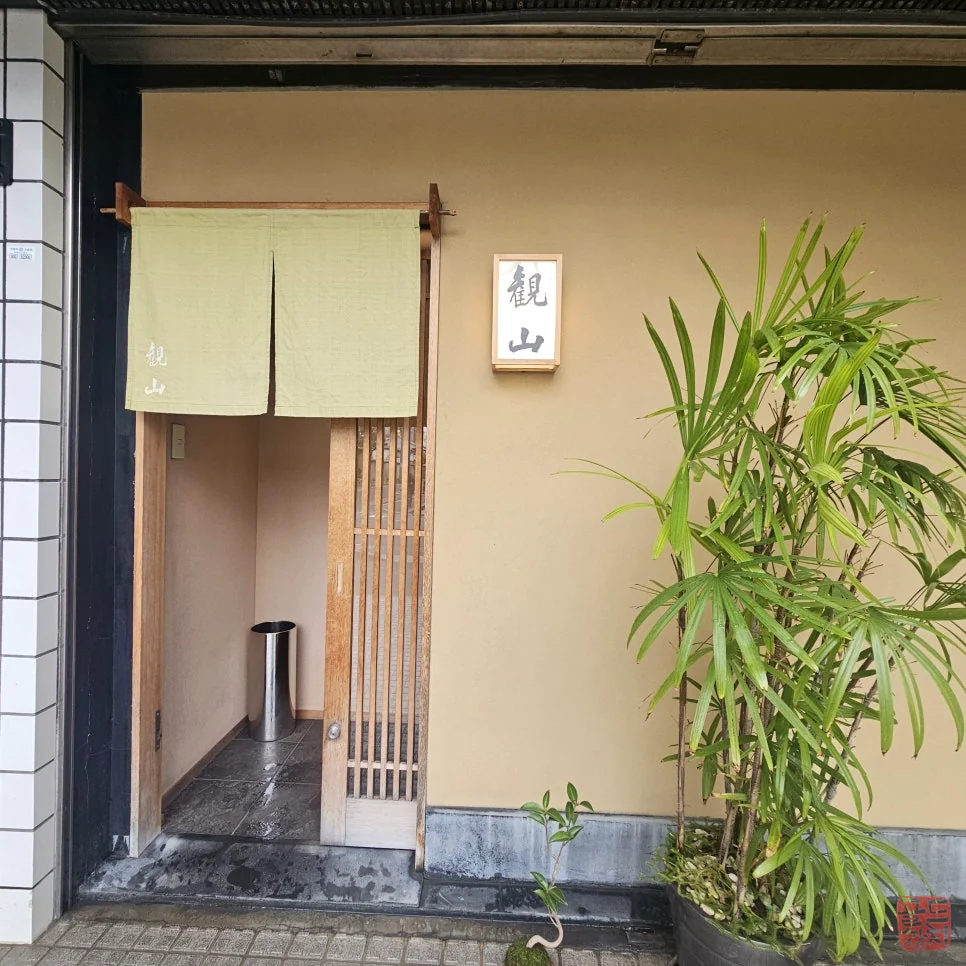
This discipline extended naturally into the restaurants. Every space was tidy and well-organized, with facades and interiors reflecting a restrained aesthetic. This simplicity and order foster an immediate sense of trust in the food being served.
A clean space creates credibility—a vital cornerstone of Japanese food culture that I intend to hold dear.
The legacy of a story
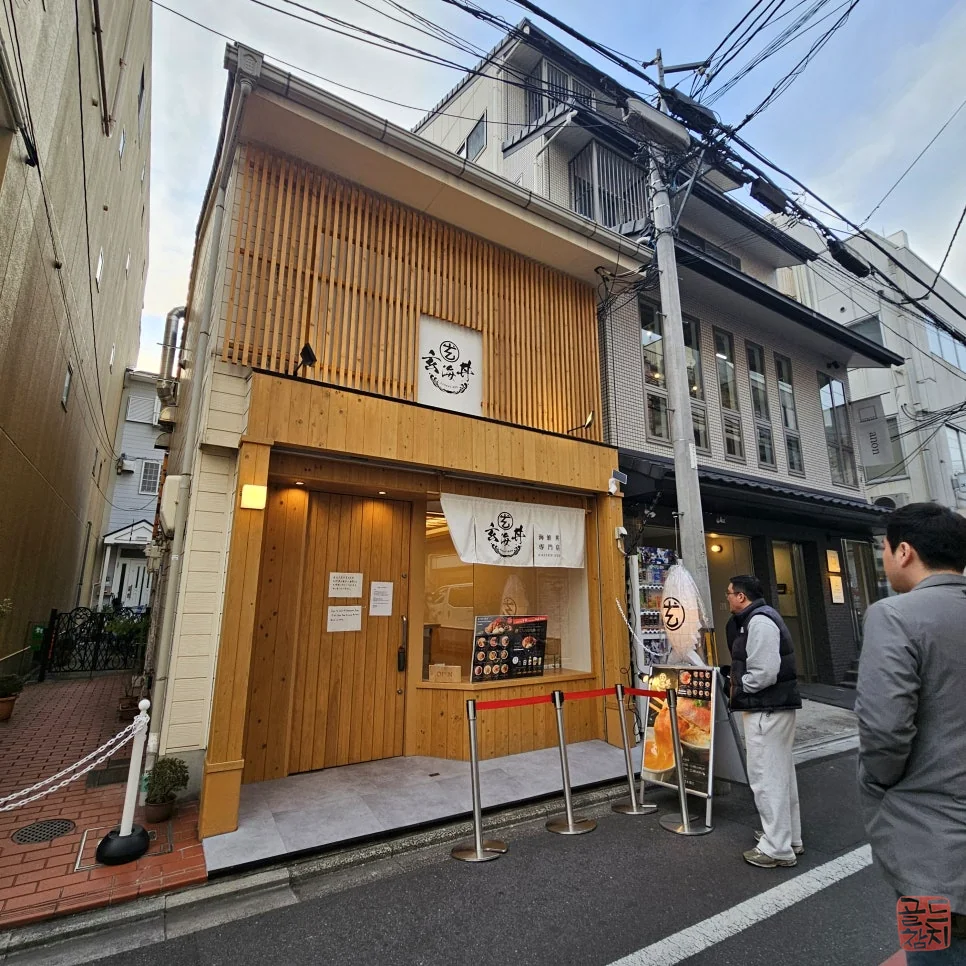
Shops with over a century of history are common here. Their food carries the weight of time. It is a place where history often triumphs over mere flavor.
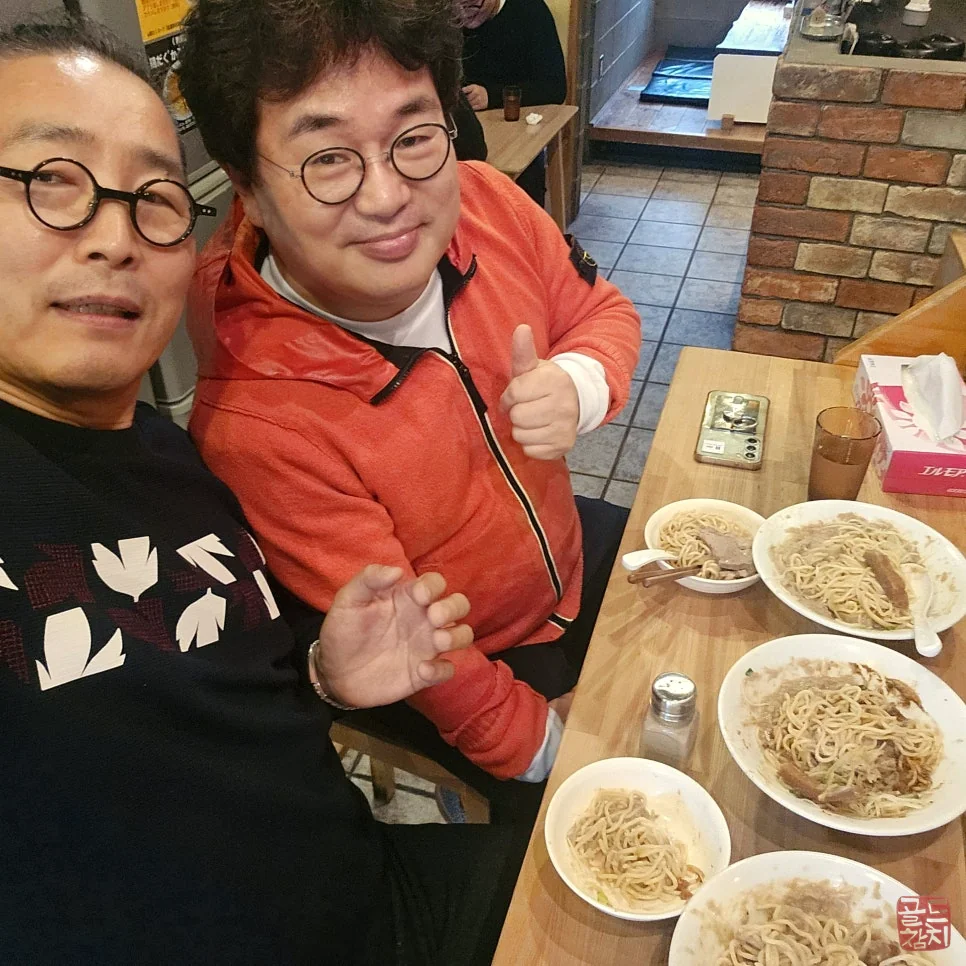
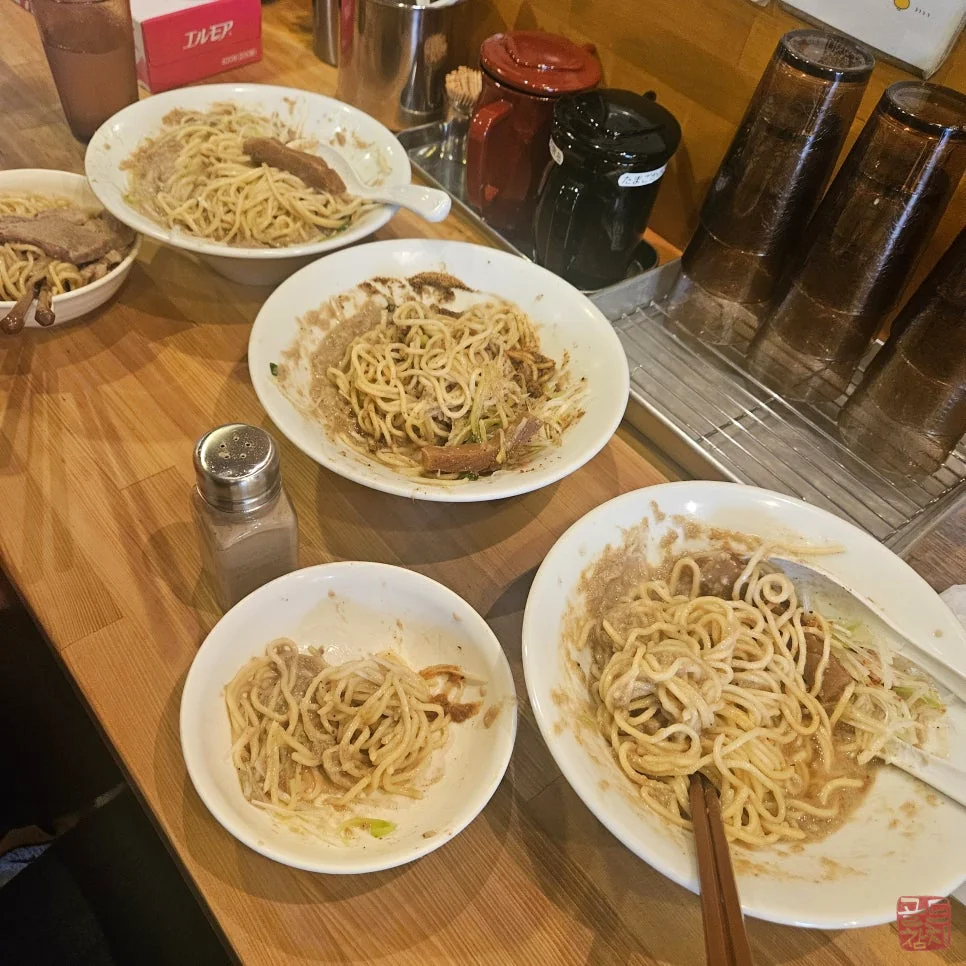
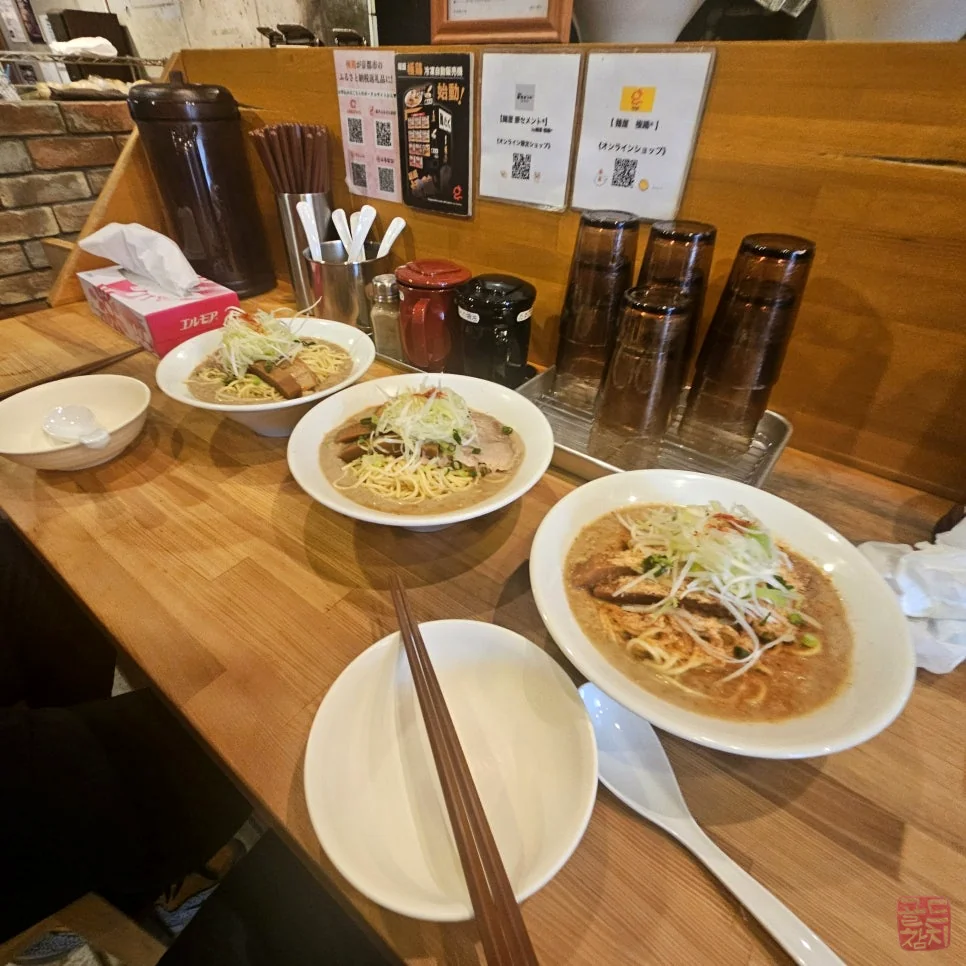
I remember a famous ramen shop known for its intense broths. We waited in a long line, but the first bite was overwhelmingly salty. By the third bite, my friend and I simply looked at each other and knew it was time to leave.
Oddly enough, that meal became our most vivid memory. It was the power of the shop's story and tradition that made the experience indelible.
I realized then: when history is present, even a challenging flavor becomes a lasting memory. Cuisine requires more than just taste; it needs narrative and time.
Craftsmanship over scale
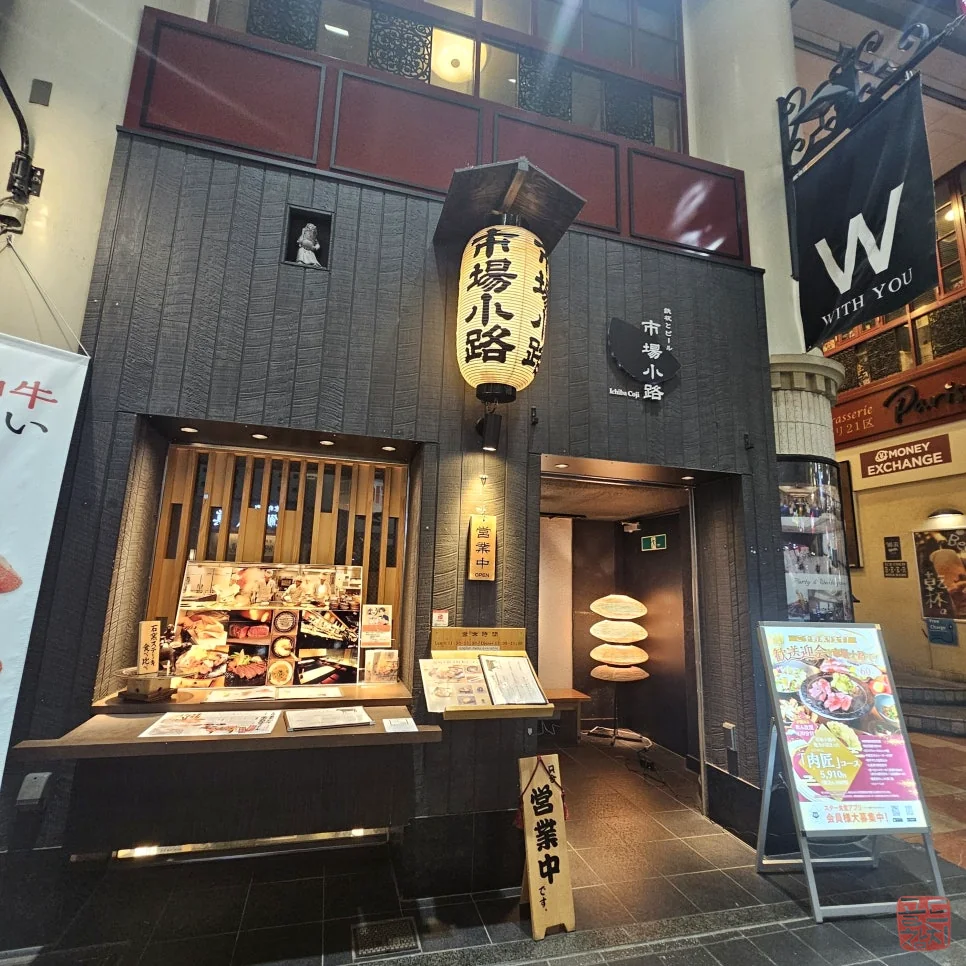
Most of the renowned eateries were small, consisting of just a few counter seats and a handful of tables. I eventually understood that these dishes simply cannot be mass-produced.
The artisan's hand must touch every element to ensure quality. Instead of seeking expansion, they operate with the devotion of a home workshop.
They start each day not with thoughts of profit, but with the simple promise of serving the best possible meal to whoever walks through their door. That modest commitment creates a profound resonance.
|
Goldtuna Operating Hours | |
|
Lunch |
11:30 Open ~ 15:00 Close (Last Order 13:30) |
|
Dinner |
16:00 ~ 23:00 / Dinner Last Order 22:00 |
|
Course Details |
|
1. Tuna Porridge → 2. Tuna Salad → 3. Fish Ball → 4. Grilled Mushroom → 5. Main Tuna Sashimi → 6. Two-piece Sushi Set → 7. Tuna Service → 8. Ankimo (Monkfish Liver) → 9. Grilled Mero → 10. Beef Tteokgalbi → 11. Chicken Karaage → 12. Creamy Shrimp Tempura → 13. Udon → 14. Maki → 15. Ice Cream Dessert |
|
Reservations, Directions, and Parking | |
|
Goldtuna Bangi Branch |
Reservations: 010-5468-0484 Directions: 4 minutes from Songpanaru Station Exit 2, 10 minutes from Jamsil Station Exit 8 Parking: Valet parking is available at the Nolboo Sulfur Duck building, located two buildings before the restaurant. |
|
Goldtuna Sinsa Branch |
Reservations: 010-5478-0484 Directions: 10 minutes from Sinsa Station Exit 5, 10 minutes from Apgujeong Station Exit 5 Parking: Please call upon arrival. A valet attendant will assist you shortly. |