The Essence of Cooking: Why Taste Alone Isn't Enough
In an era where culinary excellence has become the standard, simply being "delicious" is no longer enough to define a restaurant.
We live in a time where many places perform well and the general palate has become increasingly sophisticated.
With just a little effort, almost any food can be considered tasty today.
Yet, some dining experiences end the moment you walk out the door, while others linger in the mind for a long time.
I believe this difference cannot be explained by flavor alone.
Truly good food does not end on the tongue; it carries the guest into a lasting memory.
Beyond the basics of taste, exceptional food offers something more
Taste is, of course, paramount.
Without it, there is no conversation to be had.
However, we have reached a point where flavor alone feels insufficient to characterize a meal as truly "good."
A guest does not evaluate with their palate alone.
They sense how a dish was prepared, the level of attention paid to it, and the quiet dedication poured into every plate.
I believe that remarkable food must reveal an underlying attitude of care and thoughtful consideration.
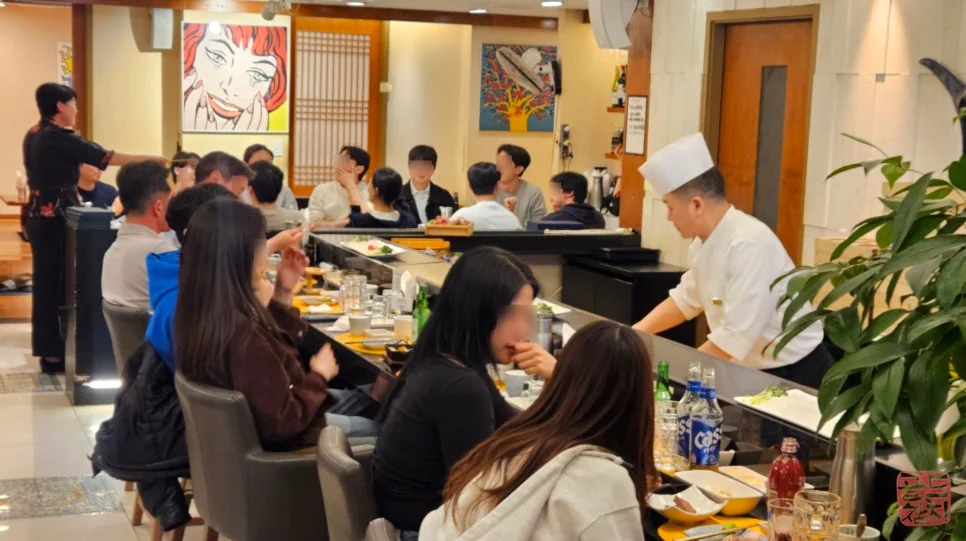
A celebration of joy unfolds.
Before the first bite, food is experienced through sight and atmosphere
We do not consume food solely with our mouths.
We take in the first impression of the table, the harmony of colors, the arrangement of the ingredients, and the very air of the space.
Plating food beautifully is not an indulgence; it is a method of heartfelt hospitality.
Clean, deliberate presentation sends a silent message to the guest.
"This meal was not prepared in haste."
I believe that message must be visible in the form of the food itself.
Aesthetic beauty is simply another expression of devoted care.
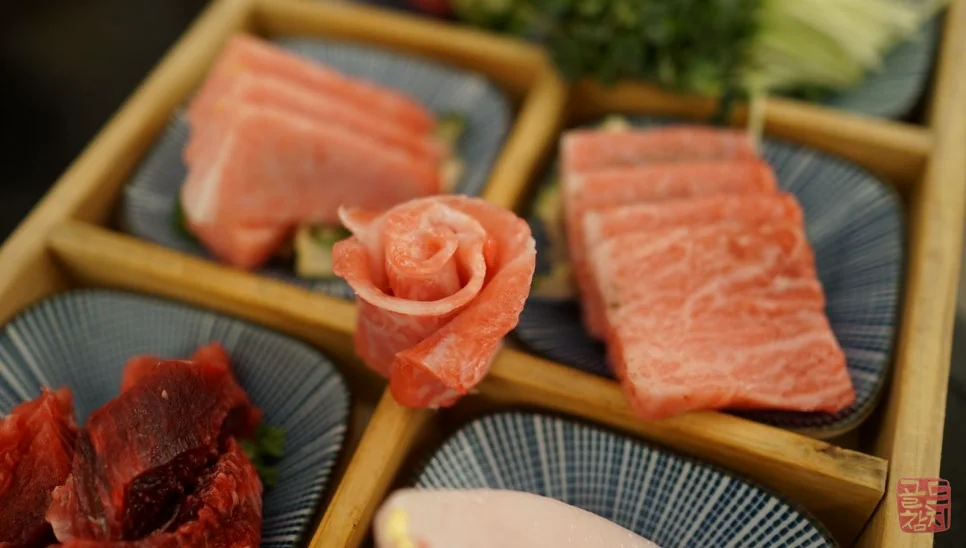
Tuna blooming like a flower.
Great cuisine is defined by sequence and temperature rather than ingredients alone
While sourcing fine ingredients is essential, it does not automatically result in an exceptional meal.
Often, the timing of the service, the temperature at which it arrives, and the seamless transition between courses are far more critical.
Even the same cut of tuna reveals a different soul depending on its defrosting process.
A masterpiece can lose its impact if the timing is off.
Therefore, how a dish is presented often matters more than what is presented.
In an omakase experience, we are not simply serving food; we are designing a rhythmic flow.
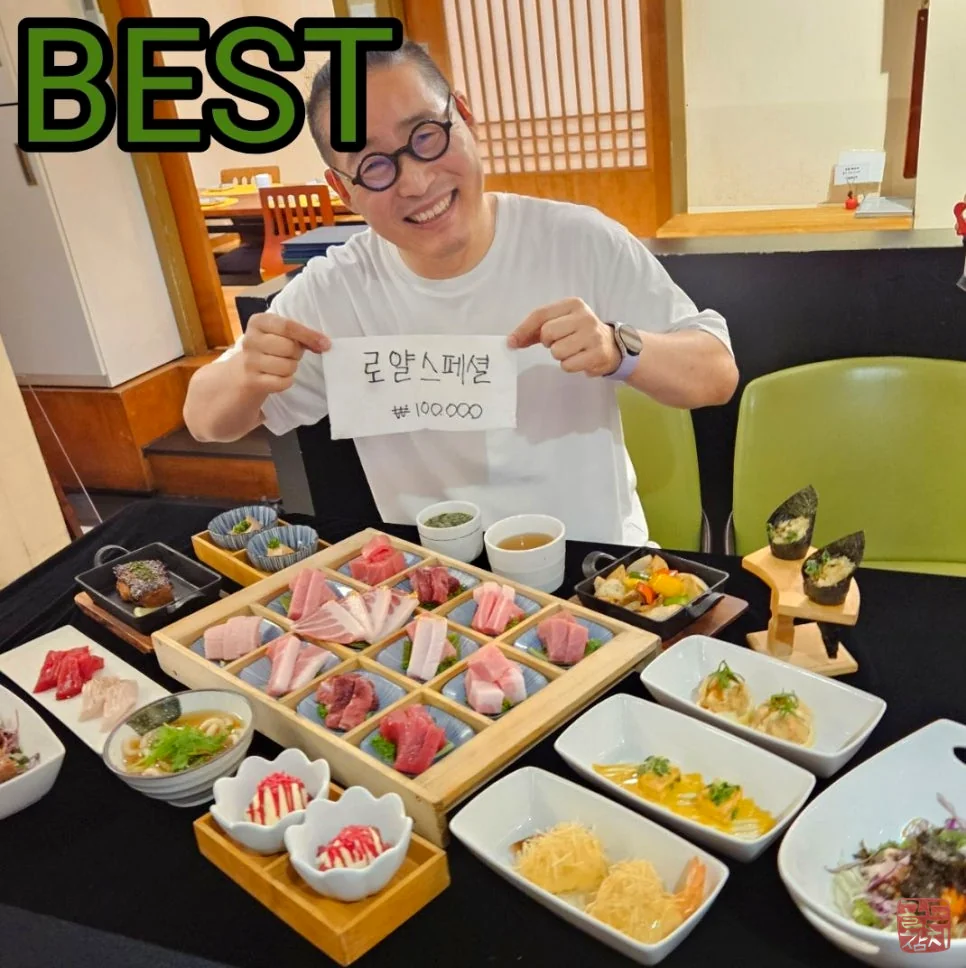
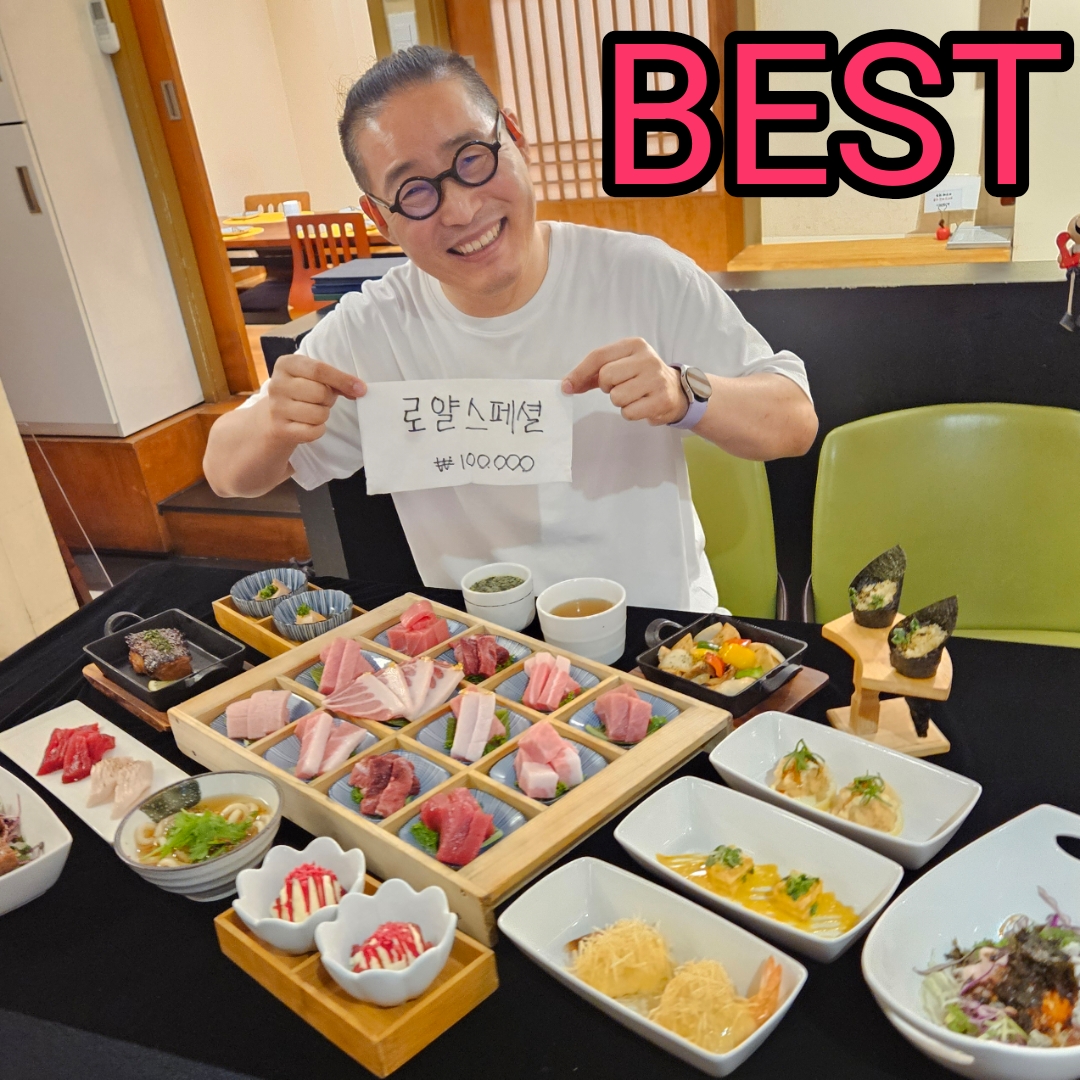
Royal Special
Ultimately, the culinary art is a matter of how one treats a human being
I do not view cooking merely as a technical skill.
Technical mastery is necessary.
The knife work, the seasoning, the temperature, and the sequence—these are all skills.
But technique alone does not move the heart.
In the end, a guest feels the sincerity within the food.
They sense whether we hurried, whether the preparation was sincere, and whether the occasion was treated with importance.
These things are conveyed without words.
Cooking is, at its core, the art of human connection.
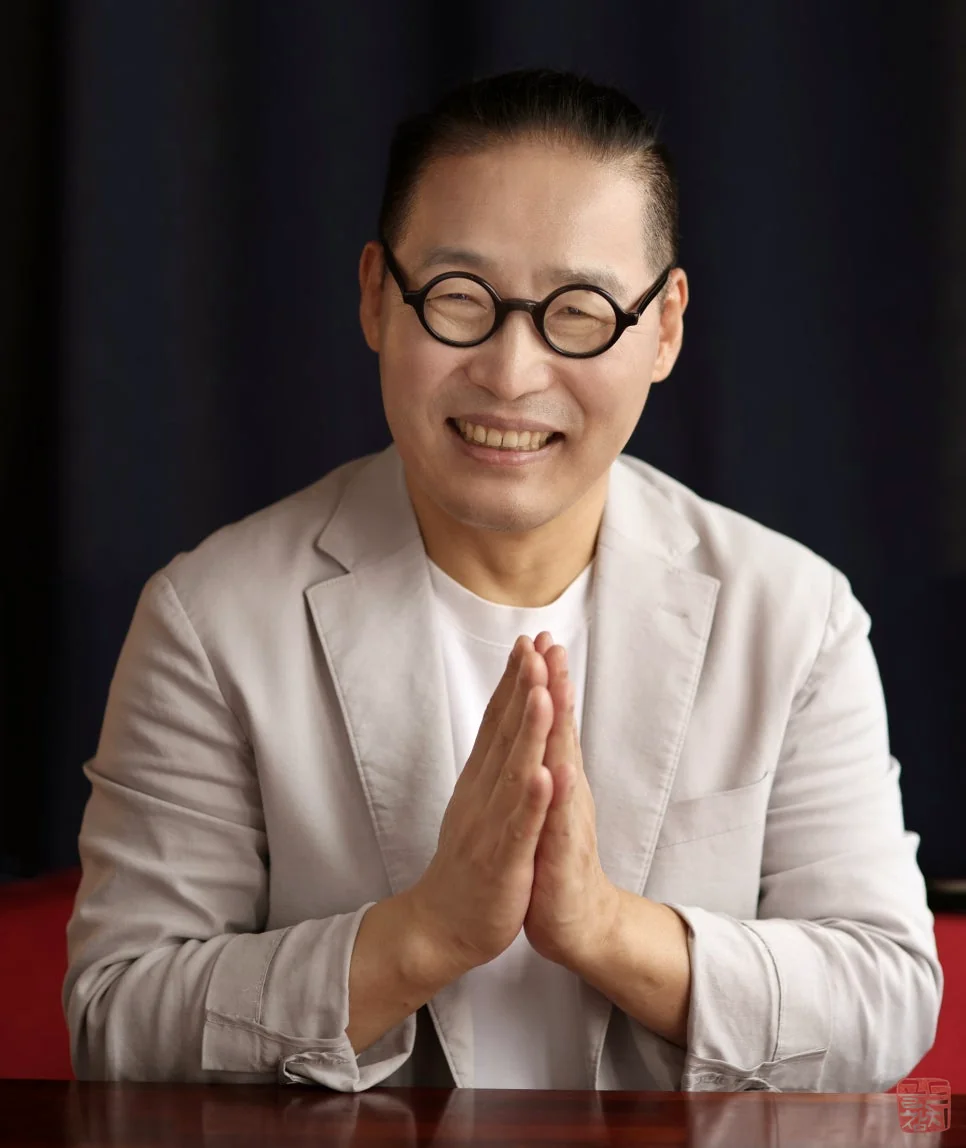
The Chef of Goldtuna.
Why food must be more than just delicious
There is plenty of delicious food in the world.
However, only a few dishes are truly memorable.
The meals that stay with us are those where the flow was intentional, the temperature was precise, and the heart of sincere service was tangible.
A restaurant sells a meal, but a guest takes home the memory of their entire day.
Truly good cuisine does not just fill the stomach; it elevates a person's time.
This is why I look beyond taste when preparing a dish.
I consider how it will look,
the impression it will leave before it even touches the lips,
and the memory it will leave behind long after the meal concludes.
Ultimately, food is not just a result; it is an attitude.
That is why food must be more than just delicious.
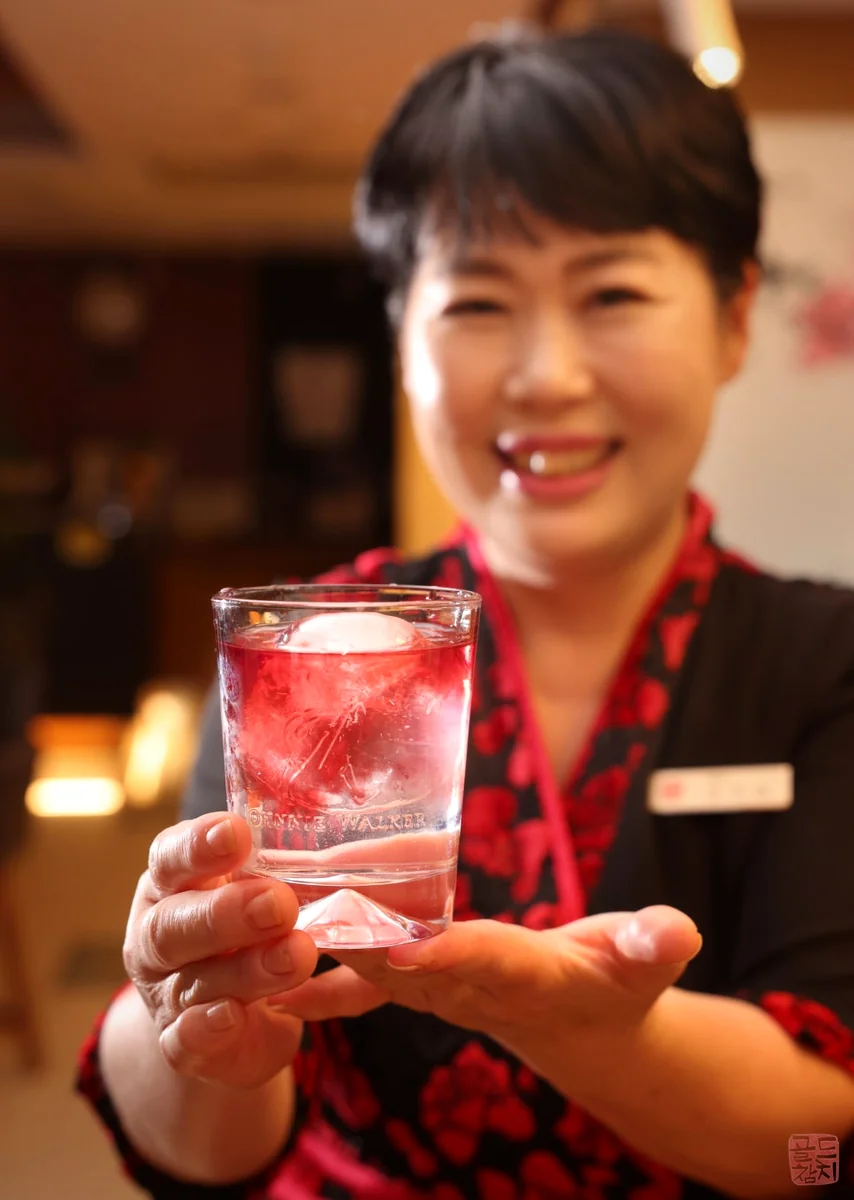
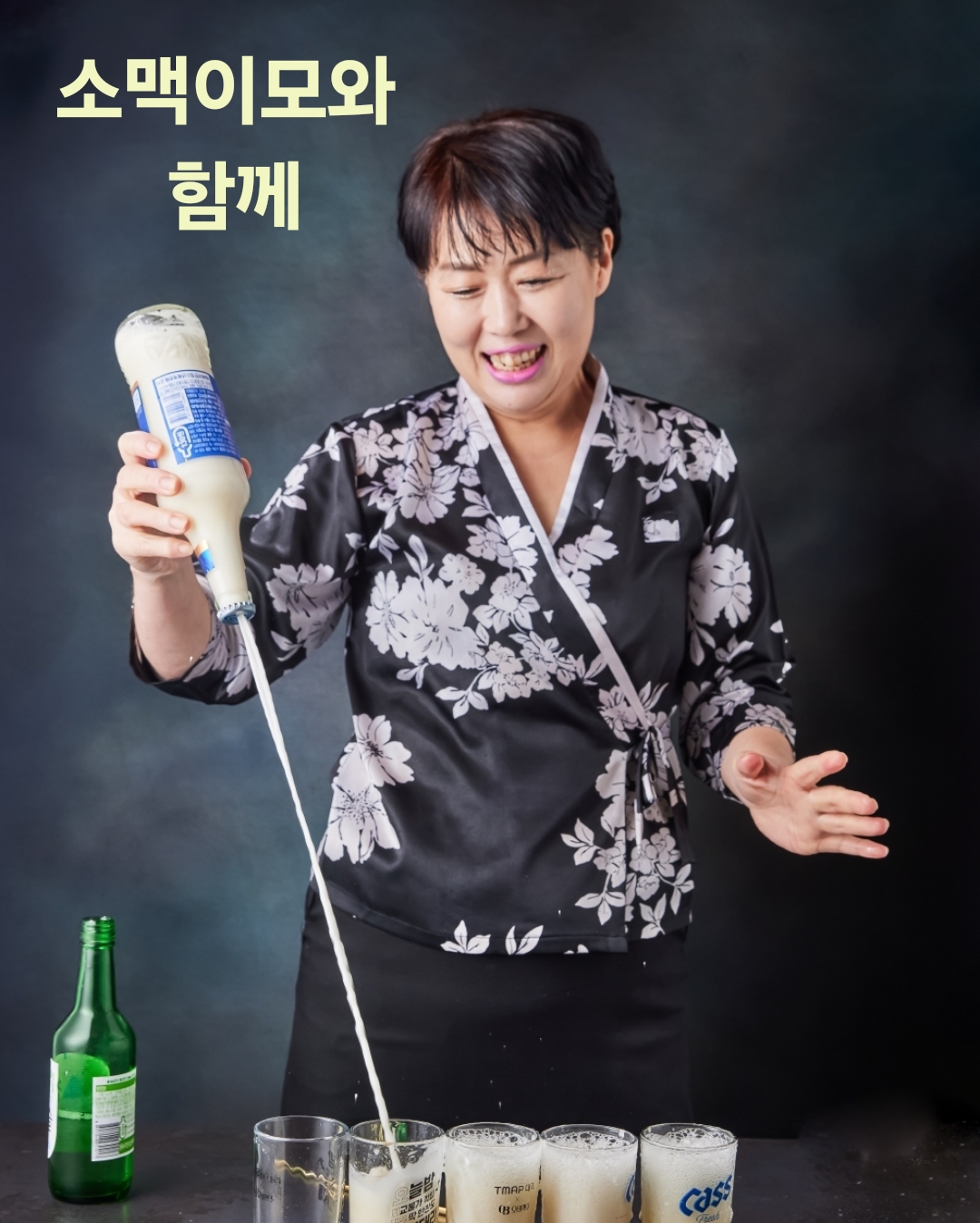
The final stage of our beverage omakase: a refreshing Highball.
Menu Info & Course Sequence & Basic Information
Lunch: Lunch B Course (35,000), Lunch A Course (45,000), Lunch Special (60,000)
Dinner: VIP Special (80,000), Royal Special (100,000), Omakase Special (130,000)
|
① Tuna Porridge → ② Tuna Salad → ③ Fish Ball → ④ Grilled Mushrooms on Sizzling Plate → ⑤ Main Tuna Sashimi → ⑥ 2-piece Sushi Set → ⑦ Extra Tuna Service → ⑧ Monkfish Liver (Ankimo) → ⑨ Grilled Sea Bass → ⑩ Grilled Beef Patties → ⑪ Tuna Karaage → ⑫ Creamy Fried Shrimp → ⑬ Udon → ⑭ Hand Roll (Maki) → ⑮ Ice Cream |
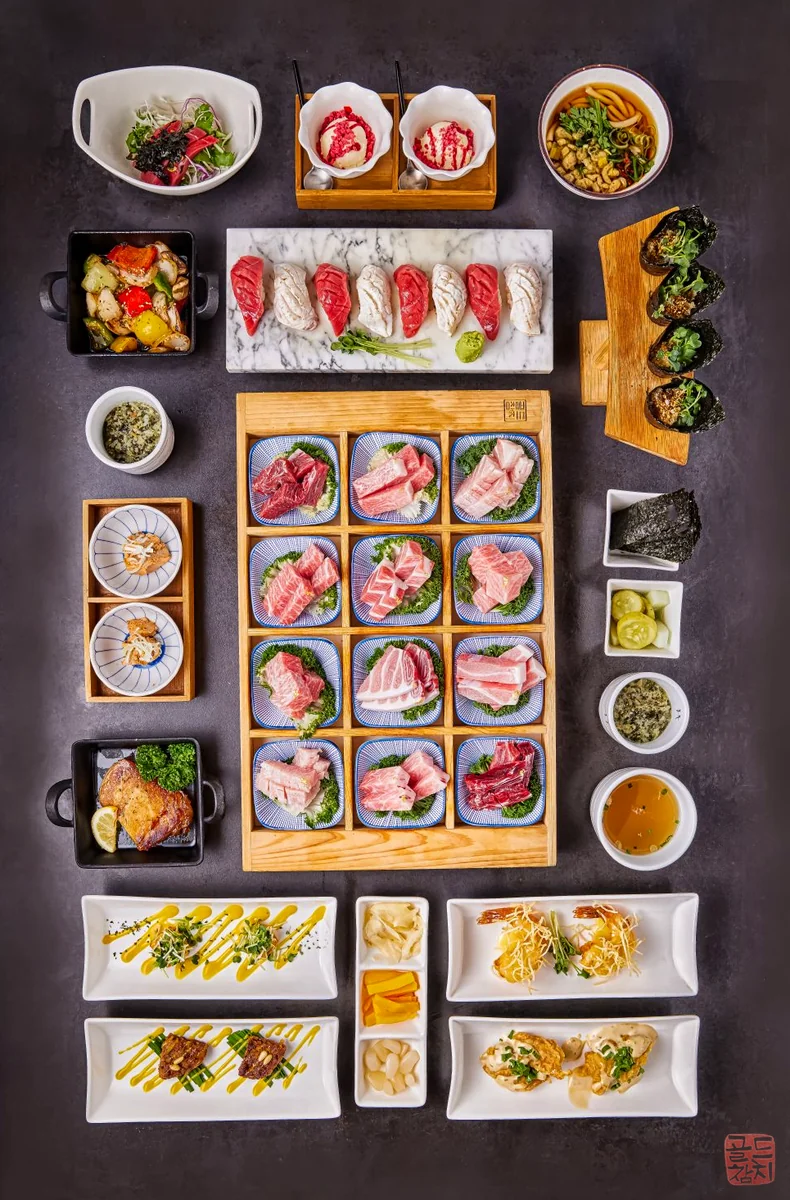
The 15-course Goldtuna spread.