[Flavor is not a sensation confined to the tongue. It is a symphony of aroma, temperature, texture, atmosphere, and memory.
Here, the master of Goldtuna shares why he chooses to architect an experience that transcends mere food.]
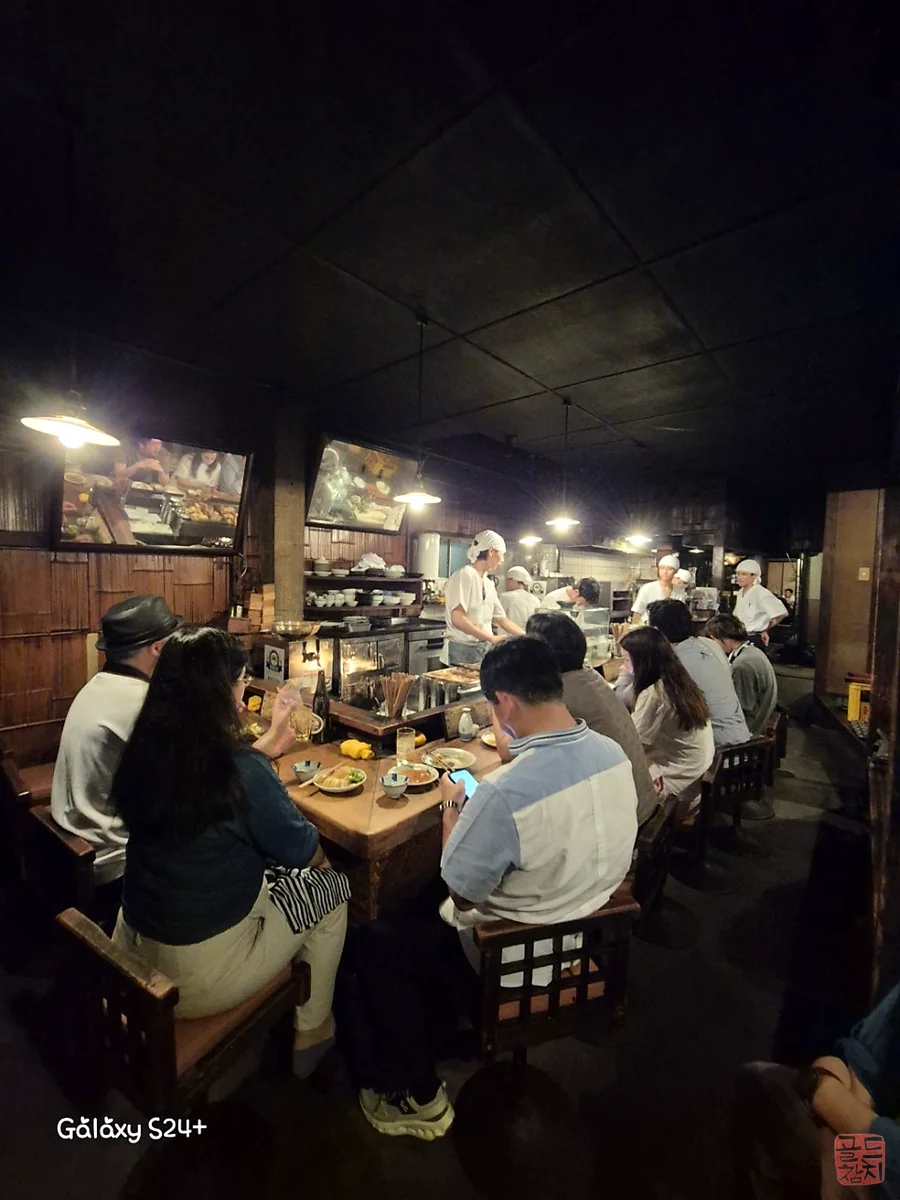
A conceptual journey through the local taverns of Tokyo
In a world crowded with endless dining options, few places linger in the mind for their taste alone.
Even when working with similar ingredients, one restaurant may be a fleeting visit, while another becomes a cherished memory.
The reason is simpler than one might think. True flavor is not captured by the tongue, but by the entirety of the experience.
“A truly great restaurant
is not just a place that serves food,
but a space where
memorable experiences are designed.”
The Proprietor of Goldtuna
Taste begins at the tongue, but it does not end there.
We often assume that taste is a purely biological function of the tongue.
However, science tells a more nuanced story.
While the tongue is essential, the definition of "delicious" occupies a much broader territory.
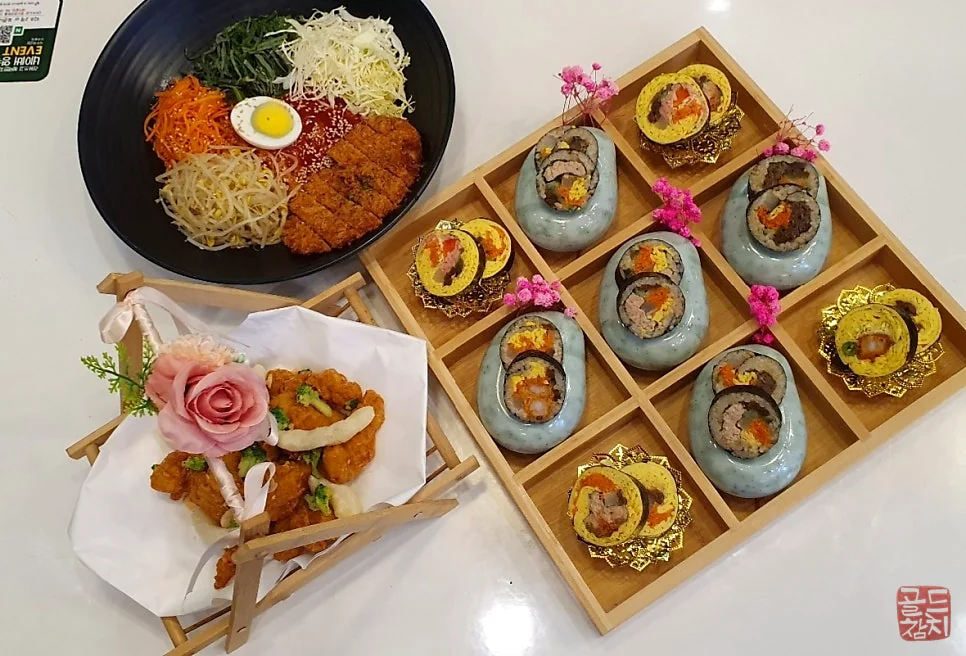
How do we measure the true value of a simple roll?
The tongue identifies basic profiles: sweet, salty, sour, bitter, and umami.
The old concept of a 'tongue map' has long been disproven; taste is far more integrated.
A culinary experience only becomes whole through scent, temperature, texture, and sensory stimulation.
The vitality of scent defines the depth of flavor.
When we are ill with a cold, even the finest food feels dull.
The reason lies not in the tongue, but in the nose.
Though we consume food through the mouth, flavor finds its completion through the olfactory senses.
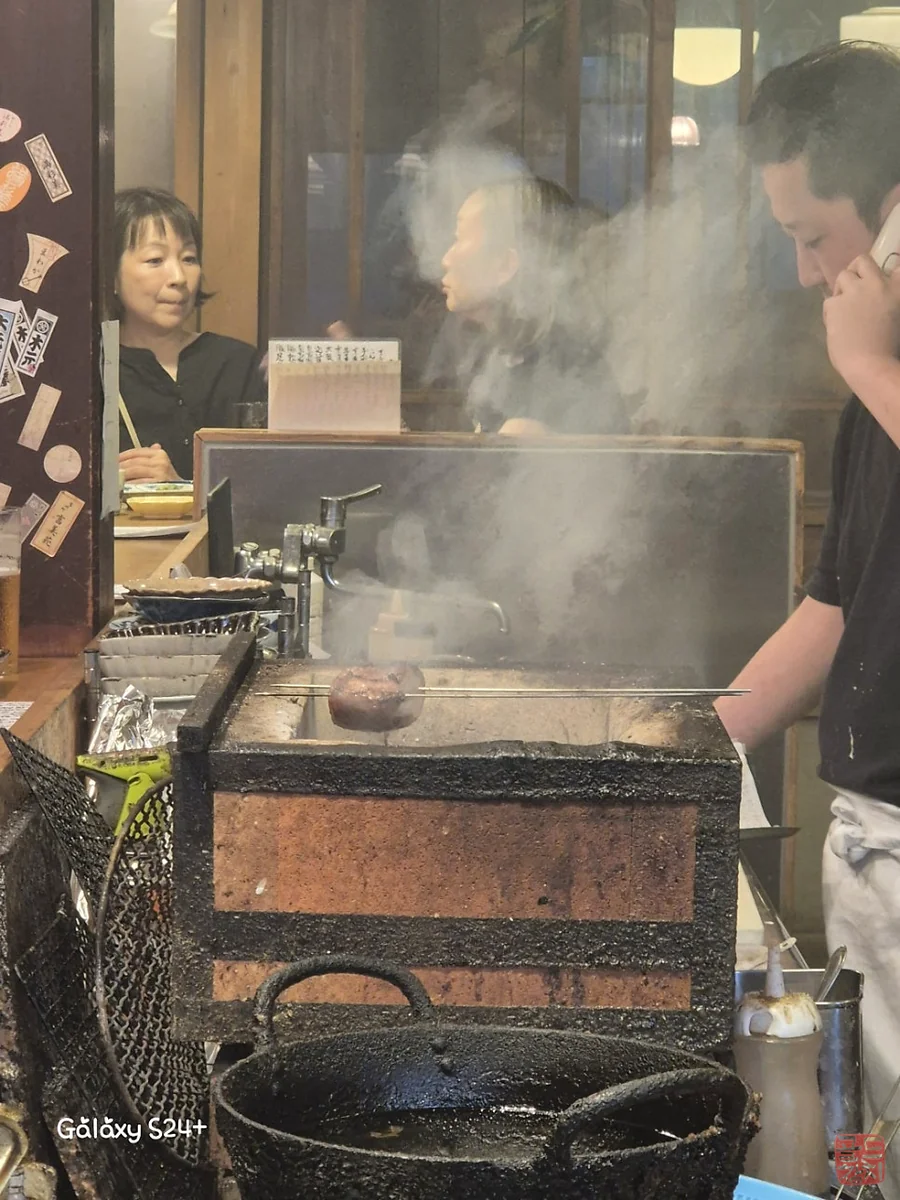
Can you sense the savory depth of the broth?
Aroma is perceived both directly through the nose and retro-nasally as we chew and release volatiles.
If the scent is lost, the soul of the dish fades with it.
For delicate ingredients like tuna, the interplay of temperature and fragrance dictates its true elegance.
We consume scenes, not just sustenance.
This is where the true distinction between restaurants begins.
The same dish resonates differently depending on the company we keep and the atmosphere that surrounds us.
While taste is a momentary sensation, memory is stored as a vivid scene.
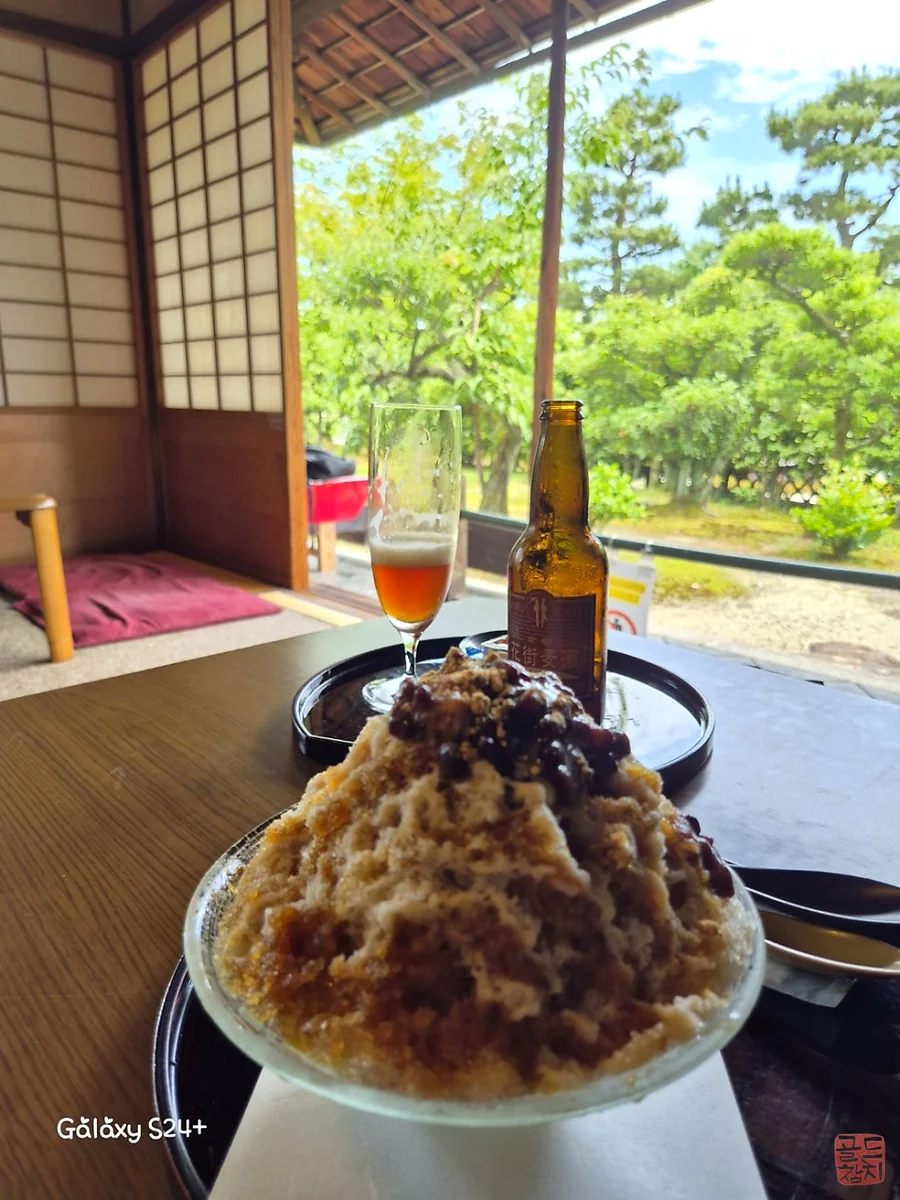
Shaved ice under the midsummer sun—a perfect harmony of timing and place.
Whether a quiet conversation can flourish
Whether anticipation builds before the first bite
Whether the culinary rhythm flows with ease
Ultimately, a guest does not remember a technical list of ingredients.
They remember the air in the room, the cadence of the conversation, and the grace of the service.
This is why some meals merely satisfy hunger, while others nourish the soul for days to come.
Designing the experience, not just the menu.
My philosophy remains constant.
Culinary skill alone is never enough.
A distinguished restaurant must architect how a guest feels from the moment they enter until they depart.
This is the heart of why our 15-course journey is so vital to Goldtuna.
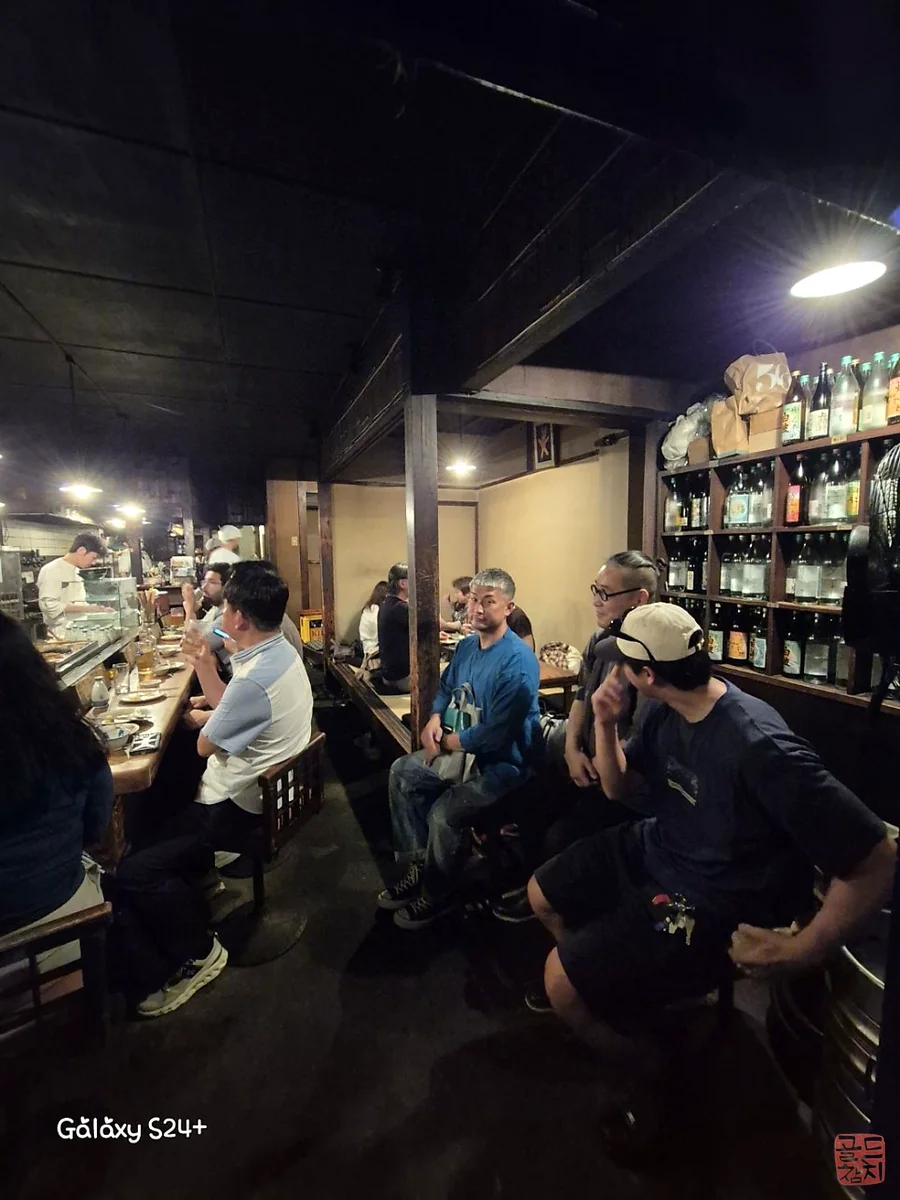
Sharing moments with a dear friend from Japan.
The opening notes must gently prepare the palate.
The arrival of the tuna must command total focus.
The finale must leave one feeling replenished and at peace.
Only with this deliberate flow does a meal become a narrative.
Every slice of tuna is served not just as food, but with a specific temperature, thickness, and rhythm in mind.
When we say taste is an experience, we are referring to this entire orchestration.
The philosophy behind our hospitality.
These are more than just aesthetic words.
Through years of welcoming guests, the truth becomes clear.
Those who return do so for more than the tuna itself.
The curated flow of the course progression
The ease of shared conversation in a welcoming space
The lingering warmth that remains after the meal is over
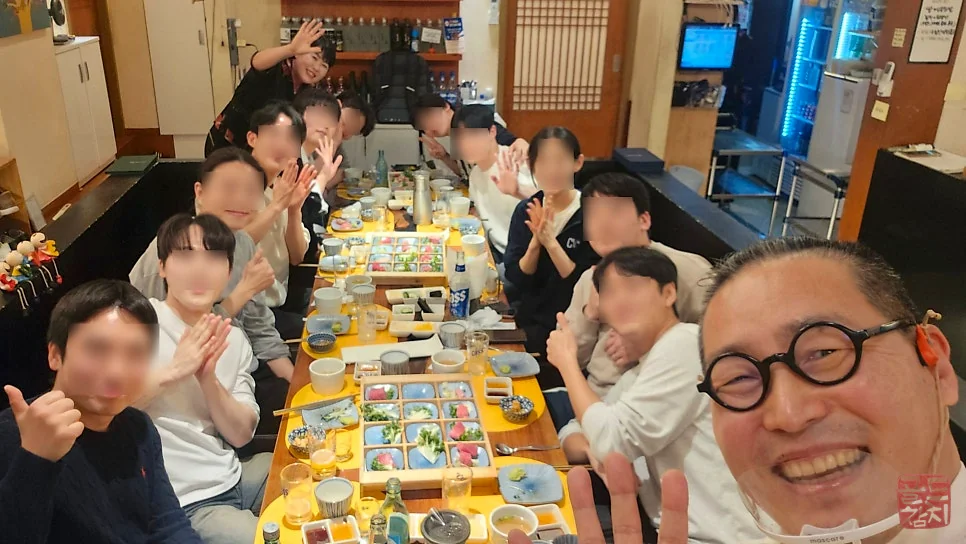
A scene from a celebratory gathering.
Thus, Goldtuna strives to be more than a place that sells food; it is a place that serves the heart.
If the time spent here is beautiful, our guests will naturally return.
That is the true meaning of curating an experience.
Reflections on Quality
Flavor begins with the tongue.
Yet, the flavors that remain in our memories are finished elsewhere.
Aroma, temperature, texture, atmosphere, dialogue, and devoted care.
All these elements converge to define the quality of a meal.
Ultimately, a true restaurant is not simply one that cooks well, but one that designs the guest's experience with intention.
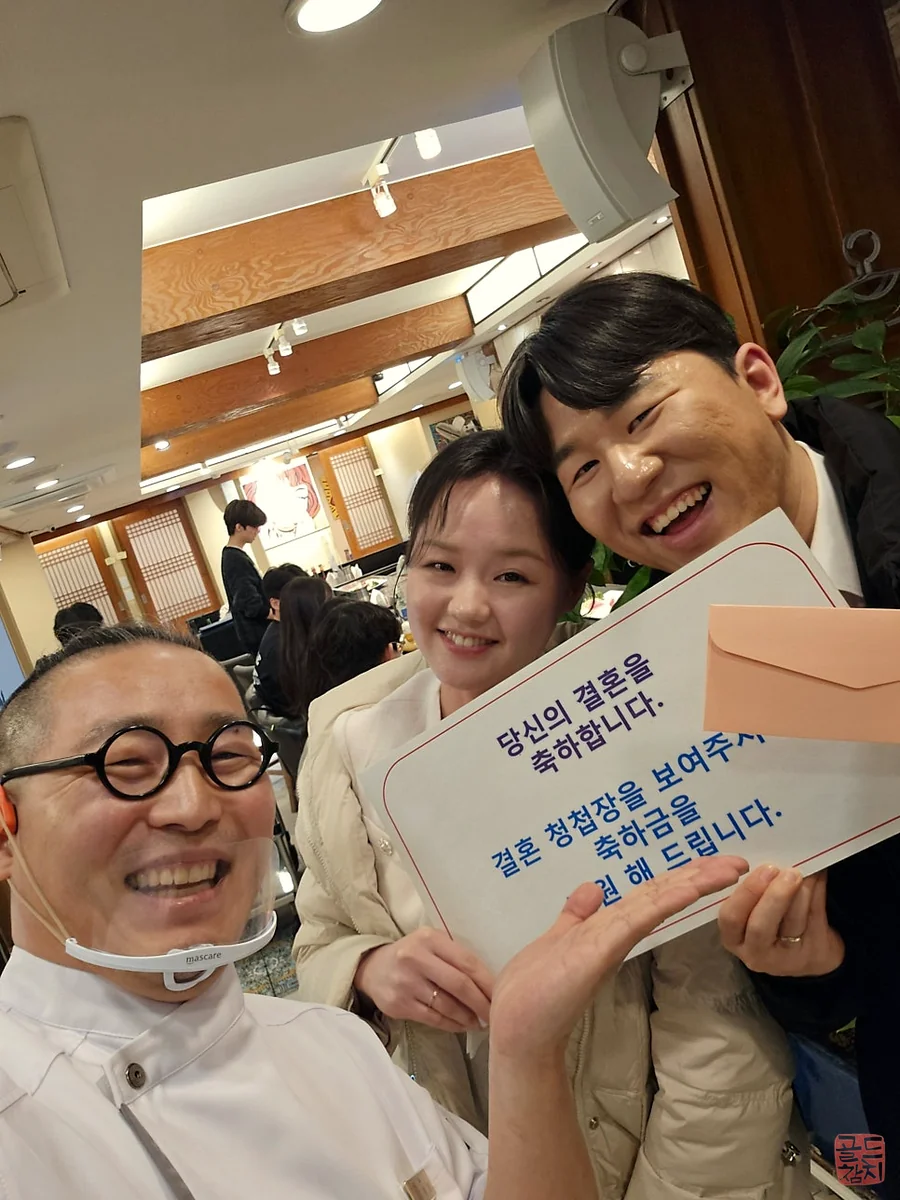
A beautiful celebration of a new beginning.
This perhaps explains why Goldtuna places such emphasis on the 15-course flow, and why we obsess over the temperature and thickness of a single piece of tuna.
The depth of this philosophy is woven into everything we do.
You may discover more about our journey through the shared stories of our guests, or through our digital archives, where this philosophy comes to life.
Menu, Course Sequence & General Information
Lunch: Lunch Course B (35,000), Lunch Course A (45,000), Lunch Special (60,000)
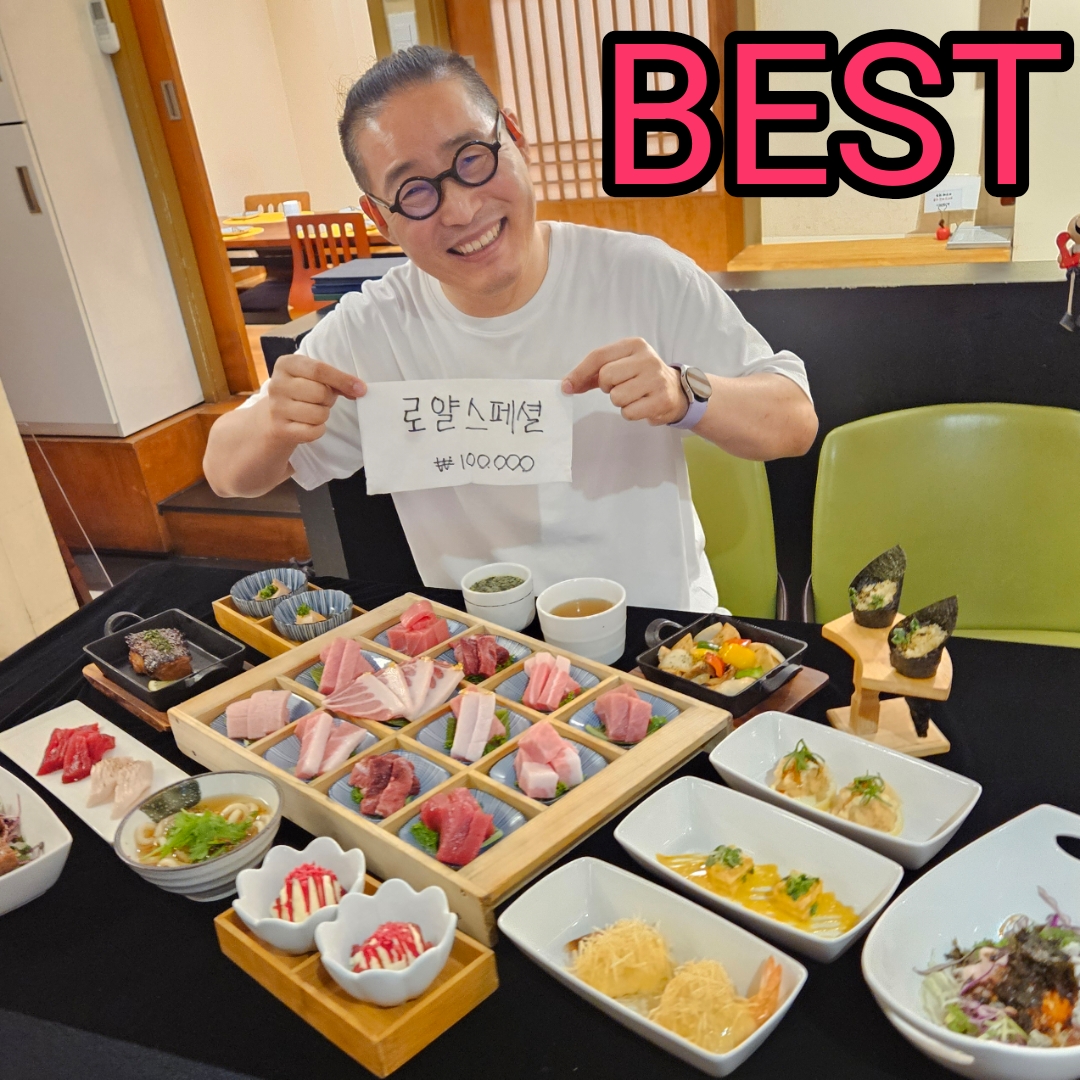
Dinner: VIP Special (80,000), Royal Special (100,000), Omakase Special (130,000)
|
①Tuna Porridge → ②Tuna Salad → ③Fish Ball → ④Grilled Mushrooms → ⑤Main Tuna Sashimi → ⑥Signature Sushi Duo → ⑦Chef's Special Service → ⑧Ankimo (Monkfish Liver) → ⑨Grilled Mero (Chilean Sea Bass) → ⑩Beef Tteokgalbi → ⑪Tuna Karaage → ⑫Cream Shrimp Tempura → ⑬Udon → ⑭Maki → ⑮Ice Cream |
◆Concept: Premium Tuna Specialty (Fusion 15-course Omakase)
◆Features: Using No. 9 grade tuna over 250kg / Signature cube-cut sashimi / Custom-made cypress trays
◆Recommended For: Bangi-dong dates, Sinsa-dong meetings, private family gatherings, celebratory dinners, corporate events
◆Guest Trust: 45,000 cumulative reservations / 80% return rate / Naver Rating: Bangi 4.7, Sinsa 4.9
◆Special Services: Tuna Steak alternative for non-raw diners / Sommelier-style pairing services / Celebration events (Bangi) / Lettering service (Sinsa)
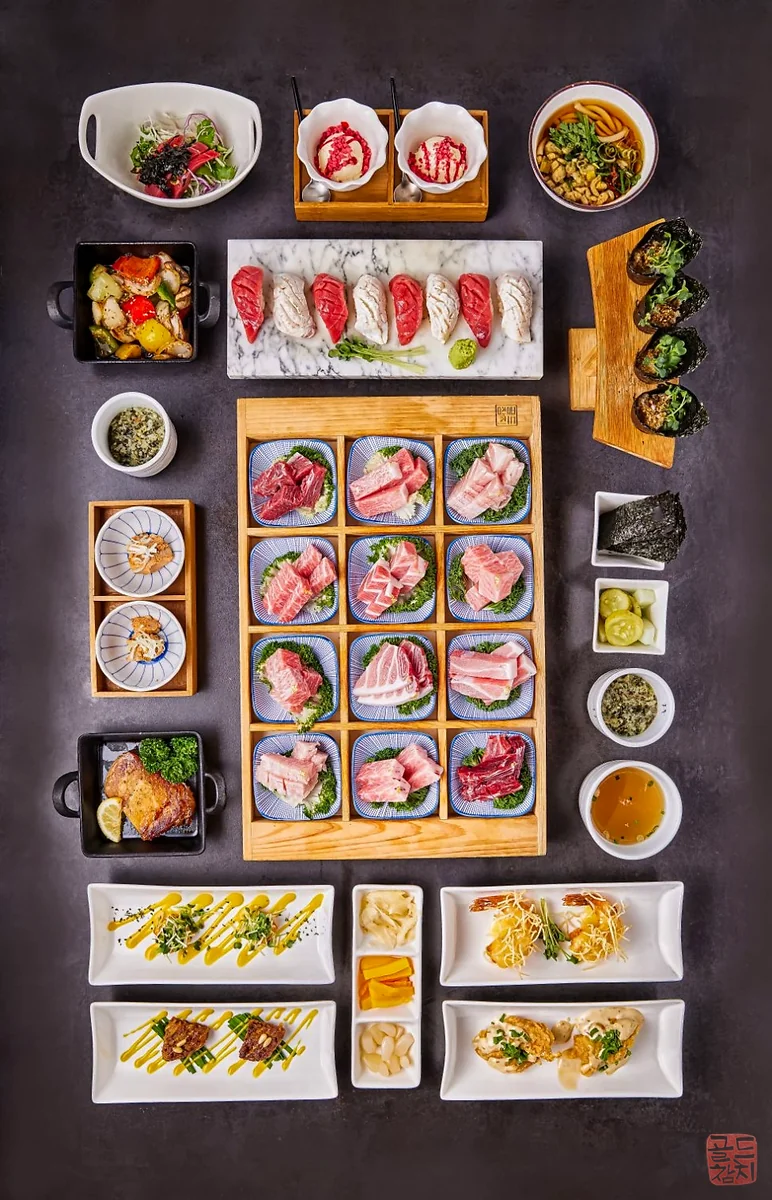
The signature Goldtuna 15-course table arrangement