
In a quiet corner of Songpa-gu, there is a cherished woodcraft workshop. The artisan there and I have long shared a bond as close as brothers. I find myself drawn there often, seeking the grounding scent of timber. There is a profound sense of peace that settles over me when I enter that space. The fragrance of wood and the honest warmth of objects shaped by human hands offer a unique kind of comfort.
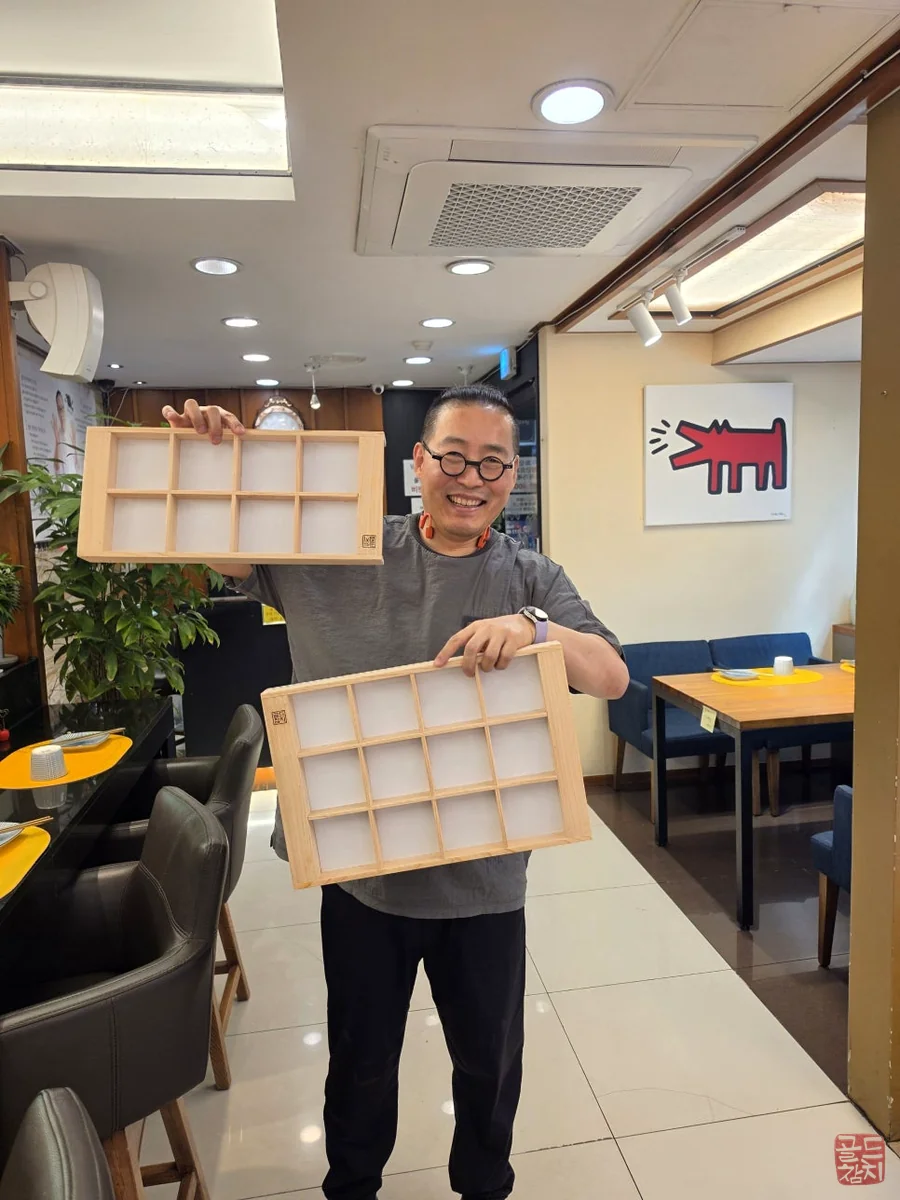
The signature four-cornered tray of our house
During one of our long conversations, I encountered the insight of "sensory marketing." While it may sound like a clinical business term, years of welcoming guests have taught me that this concept is closer to the heart of hospitality than one might think.
The essence of the five senses
Sensory marketing is the art of making a brand memorable by engaging all five pathways of perception. Sight, sound, smell, taste, and touch. When these five elements align, a moment becomes an indelible memory.
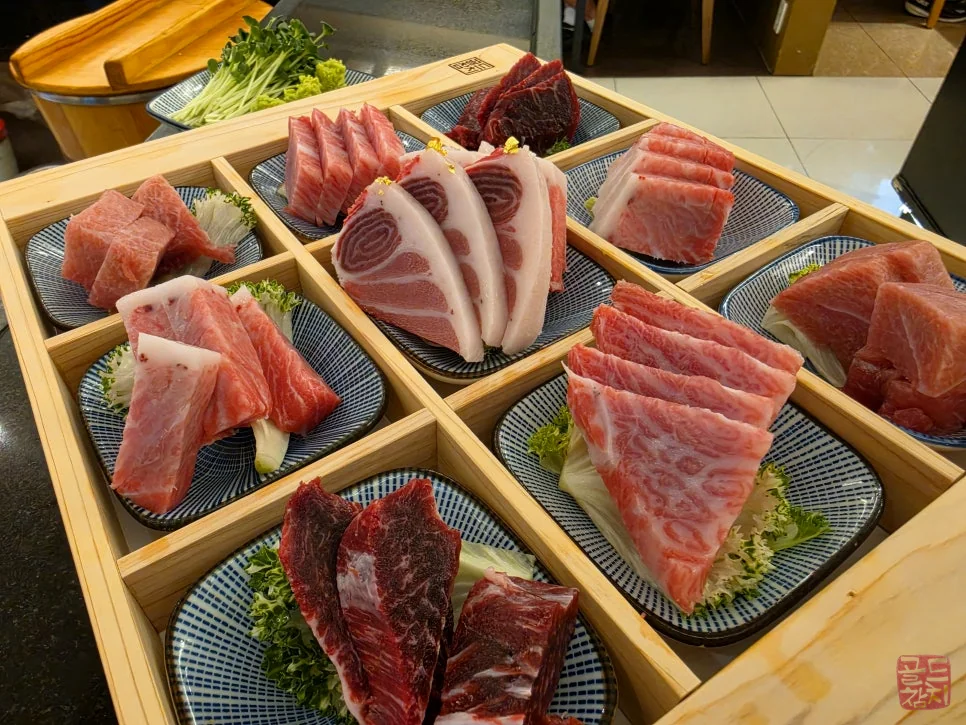
Meticulously prepared bluefin tuna
We often choose our destinations through logic. We evaluate prices, check the location, and browse the menu. We read reviews and scan photographs. However, the way we recall those places later is entirely different.
The atmosphere of that specific evening.
The unique fragrance of the room.
The warmth in the server's voice.
The temperature of the dish.
The lingering texture on the tongue.
In the end, memory is woven from sensory threads.
A restaurant is a sanctuary for the senses
Dining is, by its very nature, a sensory industry. A guest begins to perceive the experience the moment they open the door. The brightness of the lighting, the appetizing aromas, the sincerity of the greeting—all of these are essential ingredients of the meal.
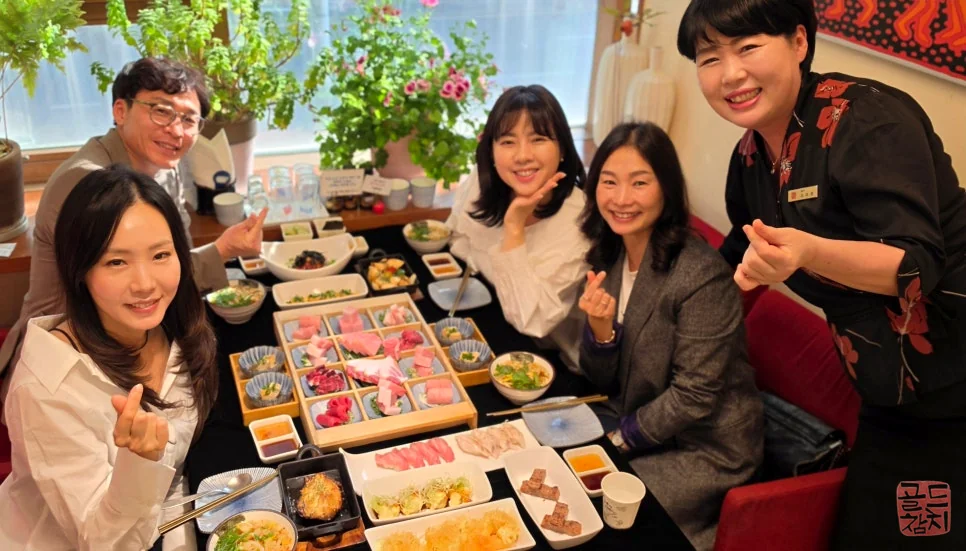
A guest sharing a joyful moment at our table
A truly exceptional restaurant is not merely defined by its flavor. It is a place where the entire sensory landscape surrounding the food is refined. I have come to believe that a restaurant is not just a place that sells food, but a space that organizes and delivers a harmonious sensory experience to every guest.
A restaurant is a space that organizes and delivers a harmonious sensory experience to every guest.
1. Sight: The feast begins with the eyes
Food arrives at the eyes long before it reaches the palate. The deep luster of the tuna, the delicate marbling of the fat, the clean arrangement on the plate, and the overall mood of the table—these elements create the guest's first impression. This is why we hold ourselves to the highest standards for the color and presentation of our tuna.
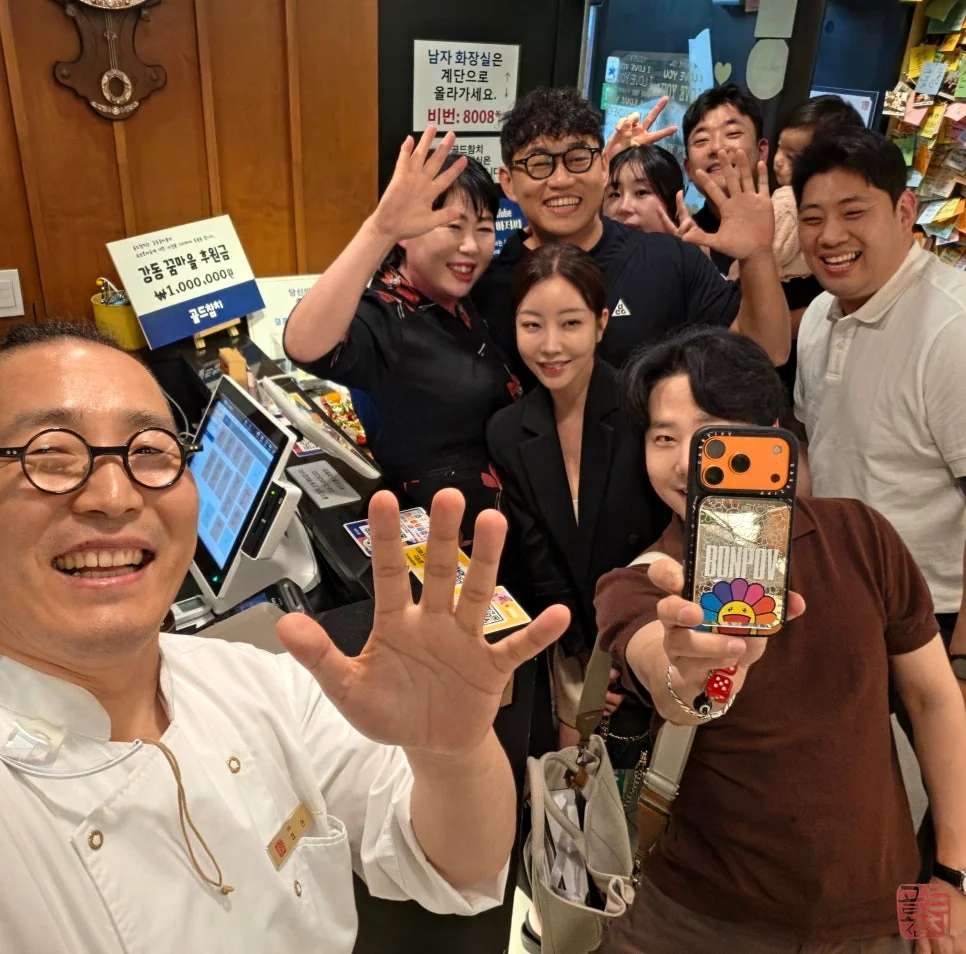
Celebrating the most beautiful moments of our guests
Quality tuna speaks first through its hue. When tuna is perfectly thawed, it possesses a vibrancy that is unmistakable. We ensure every piece is meticulously prepared and free of excess moisture. In Japanese cuisine, deliciousness is a prerequisite, but the visual invitation is what begins the experience.
2. Sound: The rhythm of the room
The acoustic environment of a restaurant is vital. Excessive noise can stifle conversation, while absolute silence can make the heart feel tense. A good restaurant maintains a balanced hum. I have always wanted Goldtuna to be a space filled with the positive energy of a special occasion.
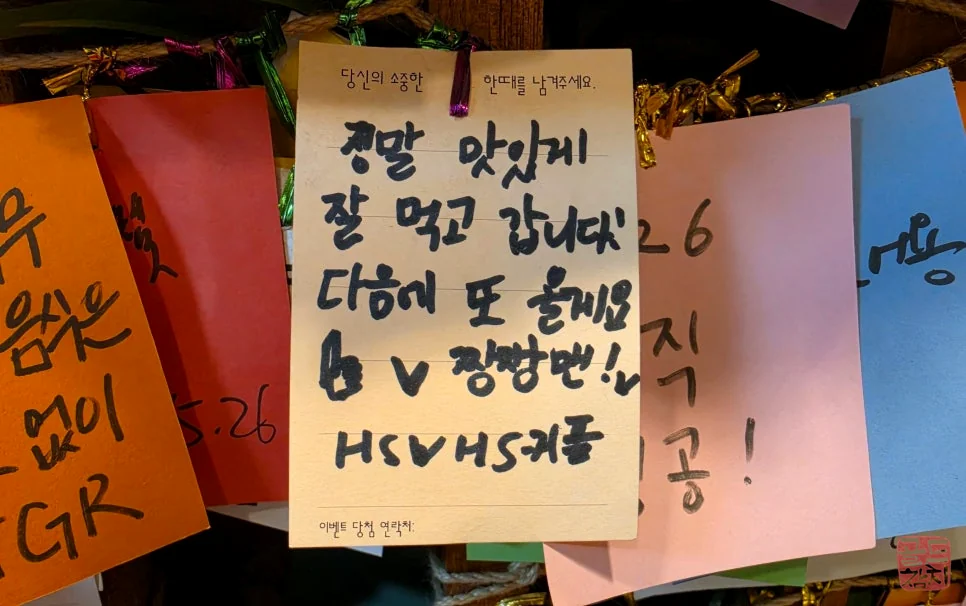
"A truly wonderful meal. We will return soon." — Guest review
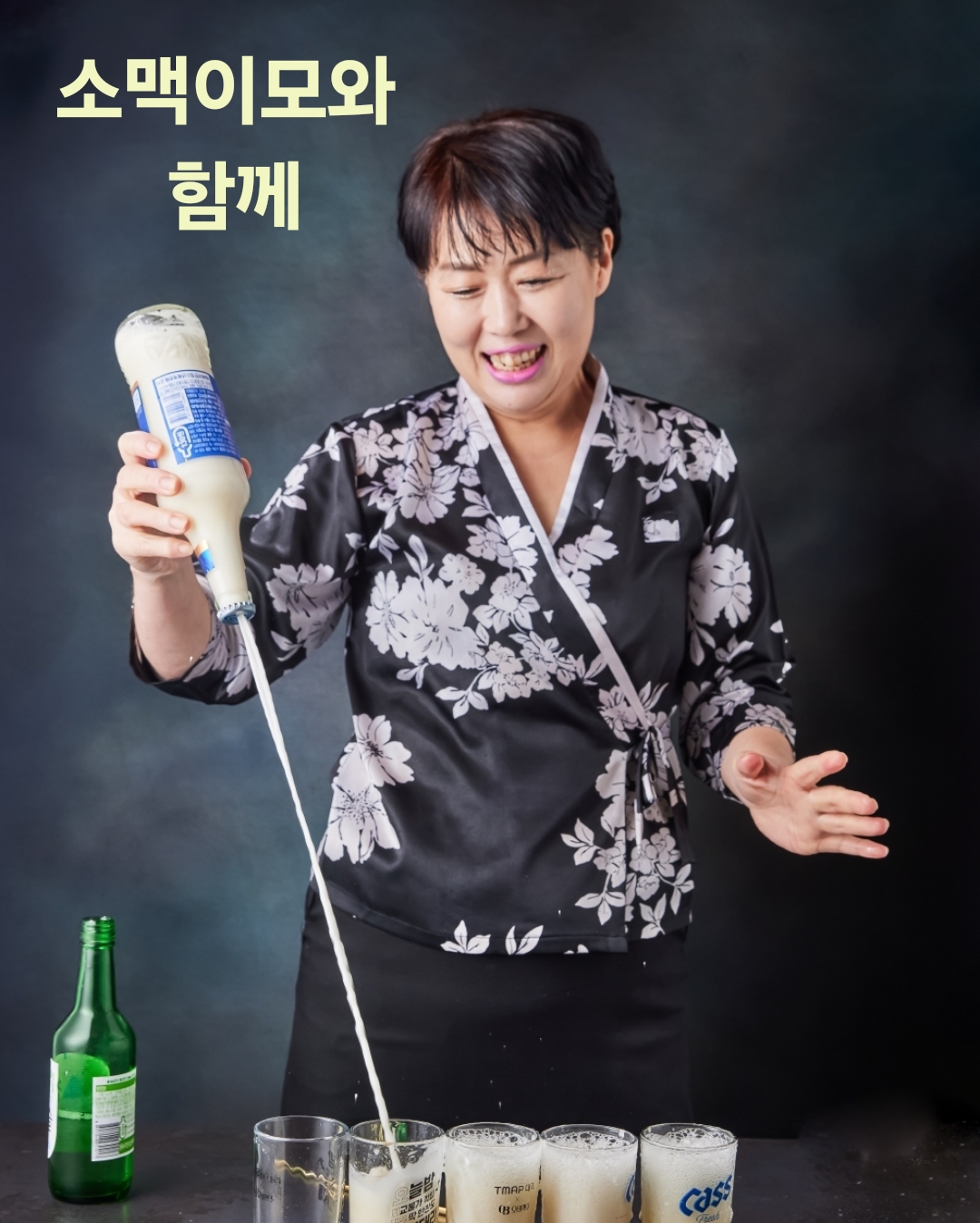
I hope our restaurant feels like a hometown celebration, where laughter arises naturally. At times, the spirited preparation of traditional drinks adds a festive sound to the room, instantly brightening the expressions of our guests. This is the moment when dining becomes a festival.
3. Smell: The fragrance of a clean kitchen
Scent is a powerful communicator. In a tuna specialty restaurant, this is even more critical. Any hint of fishiness can close a guest’s heart. Conversely, a clean and refined aroma puts the mind at ease, allowing the meal to flow smoothly. Flavor does not start at the tongue; it begins with the scent.
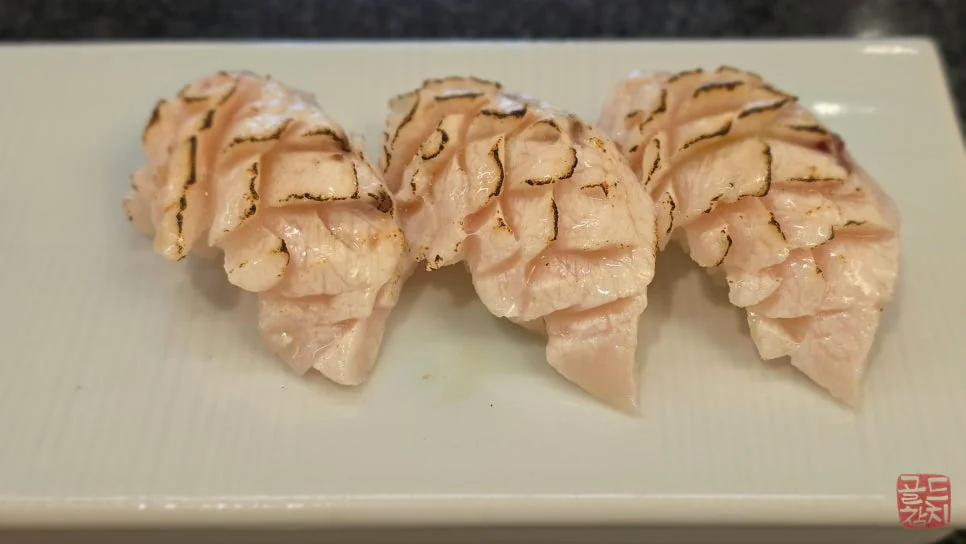
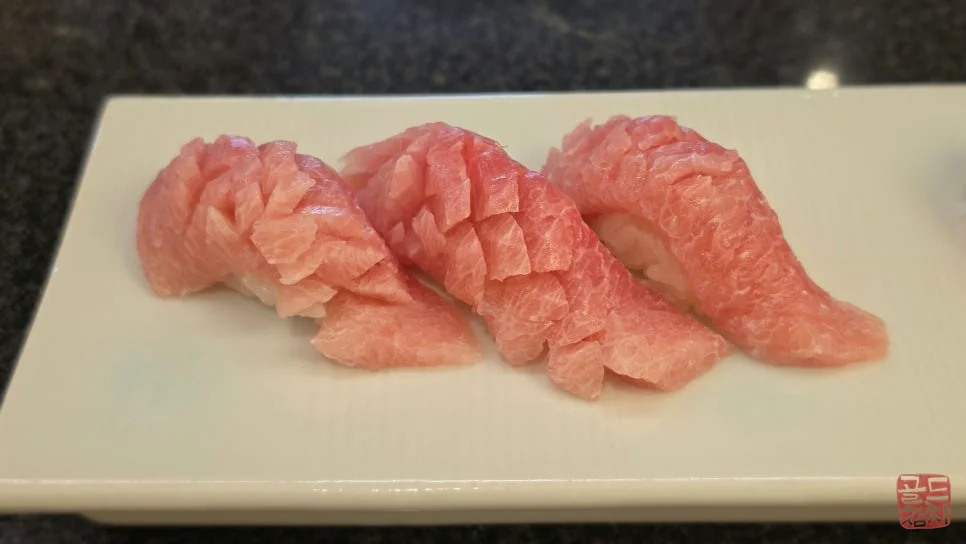
Chef's selection sushi duo
Flavor is born from the harmony of anticipation and aroma.
4. Taste: Perfected through the right sequence
Taste is not a single point; it is a progression. The order of dishes is paramount. It begins by warming the stomach, moves into the deep richness of the tuna, and concludes with warm cooked dishes and a refreshing finish to cleanse the palate.
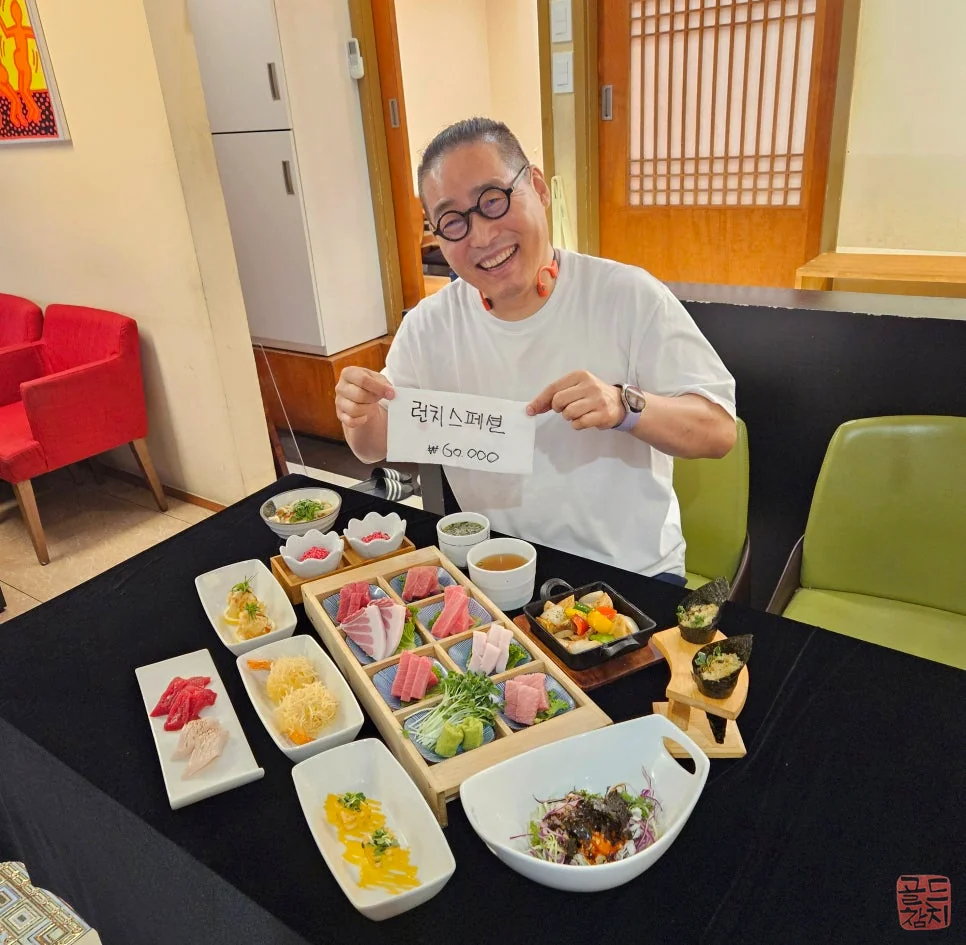
Lunch Special — 60,000 KRW Course
The 15-course omakase at Goldtuna is crafted with this rhythm in mind. We start with a comforting tuna porridge, transition into the heart of the meal with sashimi and sushi, and introduce variety with grilled toothfish, fried tuna, and cream prawns. The journey ends with udon and ice cream to refresh the mouth. A true course is not just about quantity; it is about ensuring the guest finds every bite delicious until the very end.
5. Touch: Texture creates a lasting memory
Tuna is a culinary experience defined by texture. A thinly sliced piece disappears too quickly. A substantial, thick slice lingers, and in that duration, the depth of flavor is truly felt. This is why we slice our tuna with intentional thickness—to celebrate the bite, the way the oils melt, and the density of the fish. These are the details that stay with a guest as a "delicious" memory. Taste is a full-mouth experience.
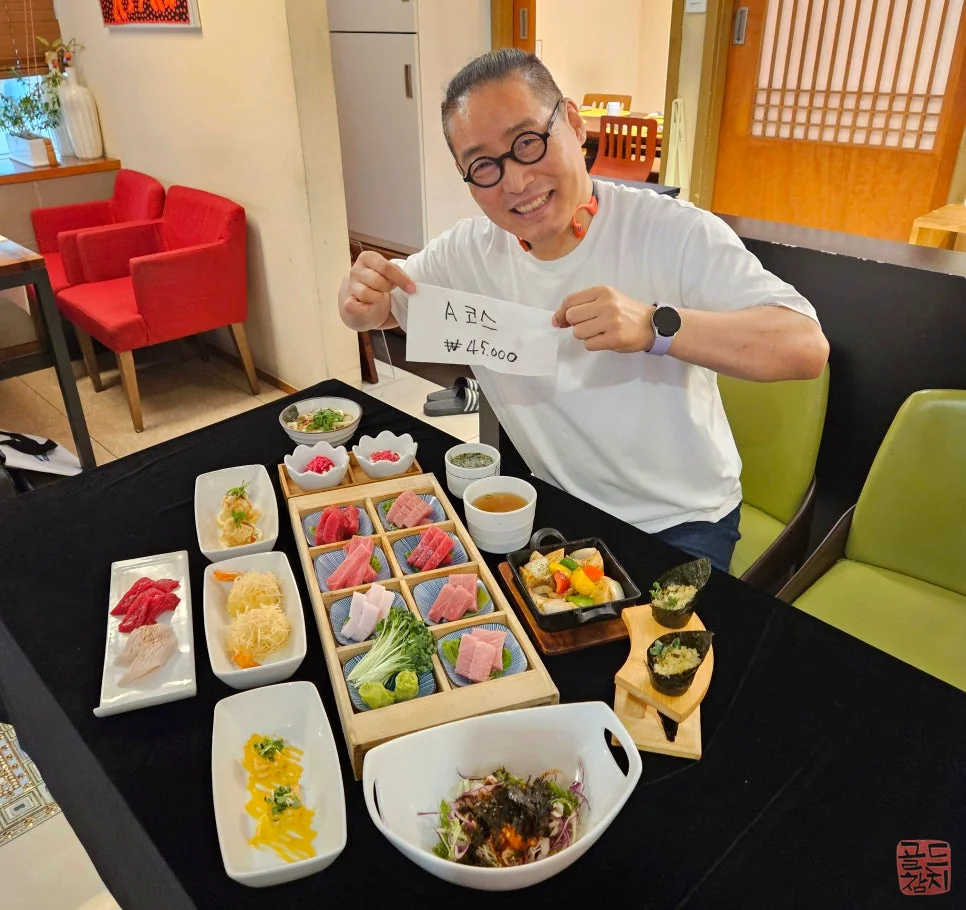
Lunch Course A — 45,000 KRW
Ultimately, the goal is for a guest to depart with a treasury of pleasant sensations. The vibrant color, the pleasant sounds, the clean scents, the refined tastes, and the satisfying textures. Guests leave the table, but they carry home the memory of the time spent.
A good restaurant leaves a lasting memory
While Goldtuna is a place that serves tuna, I hope it is remembered as more than that. I want it to be a place where the time shared with loved ones remains vivid. A truly good restaurant is remembered by the eyes, ears, nose, and mouth—but most importantly, it is remembered by the heart.
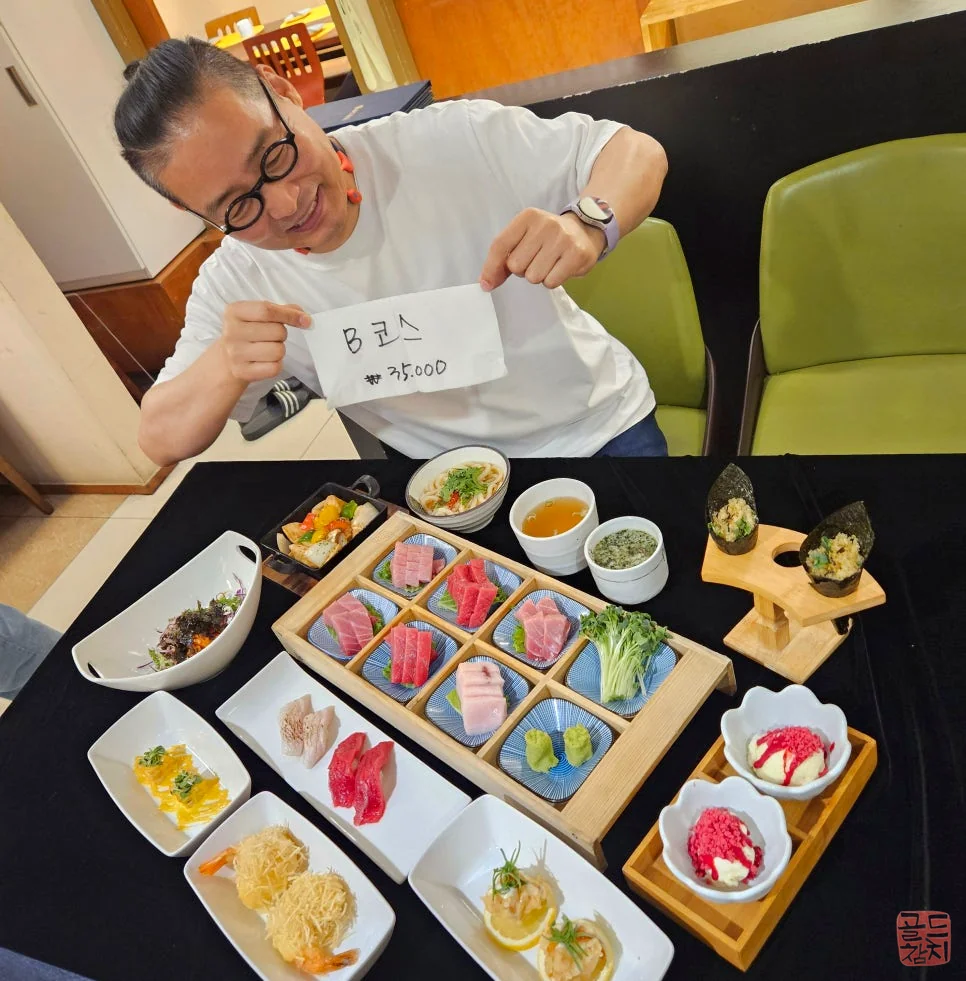
Lunch Course B — 35,000 KRW
Menu Guide & Course Sequence & Information
Lunch: Lunch B (35,000), Lunch A (45,000), Lunch Special (60,000)
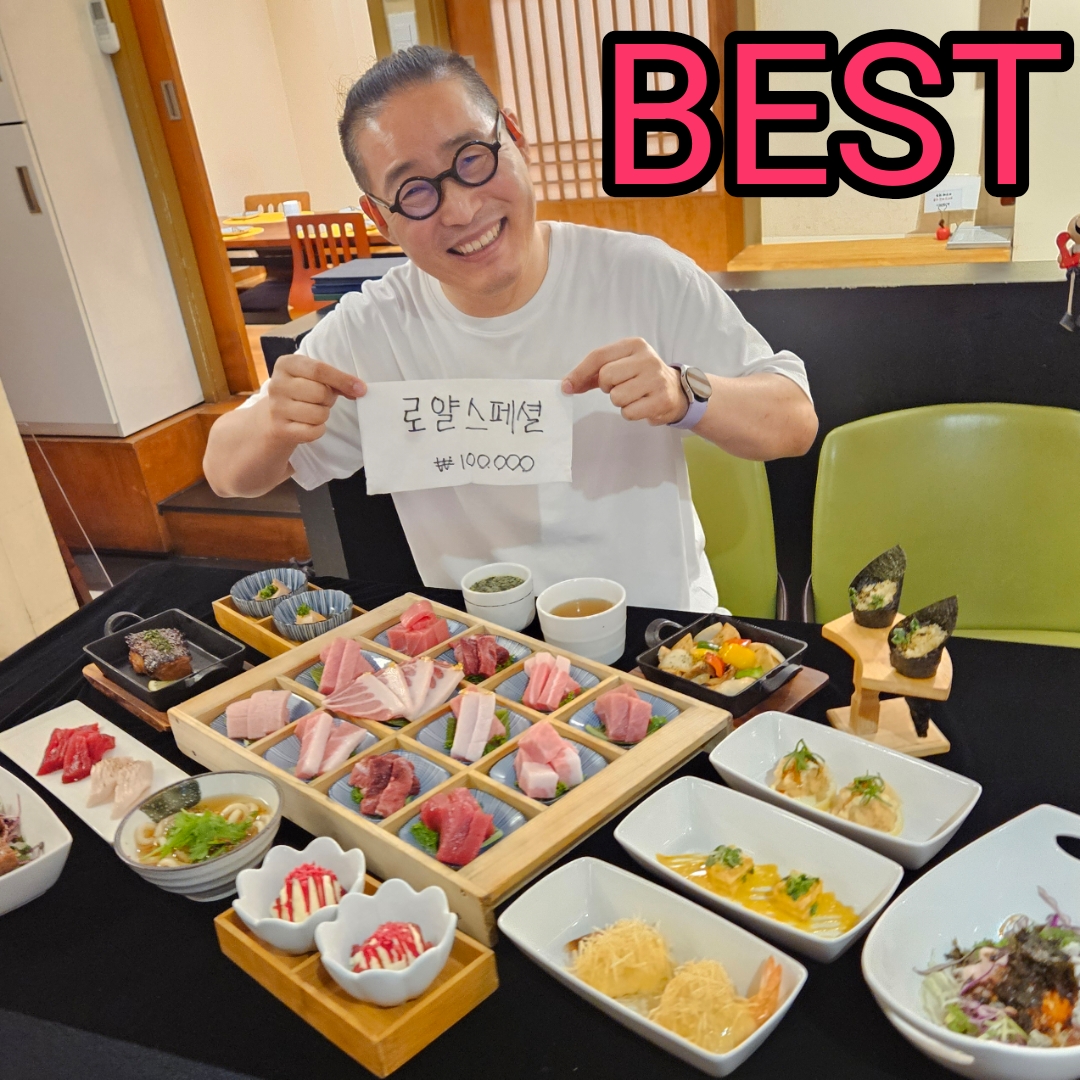
Dinner: VIP Special (80,000), Royal Special (100,000), Omakase Special (130,000)
|
①Tuna Porridge → ②Tuna Salad → ③Fish Ball → ④Grilled Mushrooms → ⑤Main Tuna Sashimi → ⑥Sushi Duo → ⑦Tuna Service → ⑧Ankimo (Monkfish Liver) → ⑨Grilled Toothfish → ⑩Beef Tteok-galbi → ⑪Tuna Karaage → ⑫Cream Prawns → ⑬Udon → ⑭Maki → ⑮Ice Cream |
◆Concept: Premium Tuna Specialty (15-course fusion omakase)
◆Menu Features: Using No. 9 Bluefin Tuna (250kg+ class) / Signature thick-cut style / Custom cypress trays
◆Recommended For: Bangi-dong dates, Garosu-gil meetings, private family gatherings, company dinners
◆Guest Trust: 45,000 cumulative reservations / 80% return rate / Naver Rating: Bangi 4.7, Sinsa 4.9
◆Special Services: Tuna Steak alternative for non-tuna eaters / Spirited drink-mixing service / Celebration events (Bangi) / Lettering service (Sinsa)
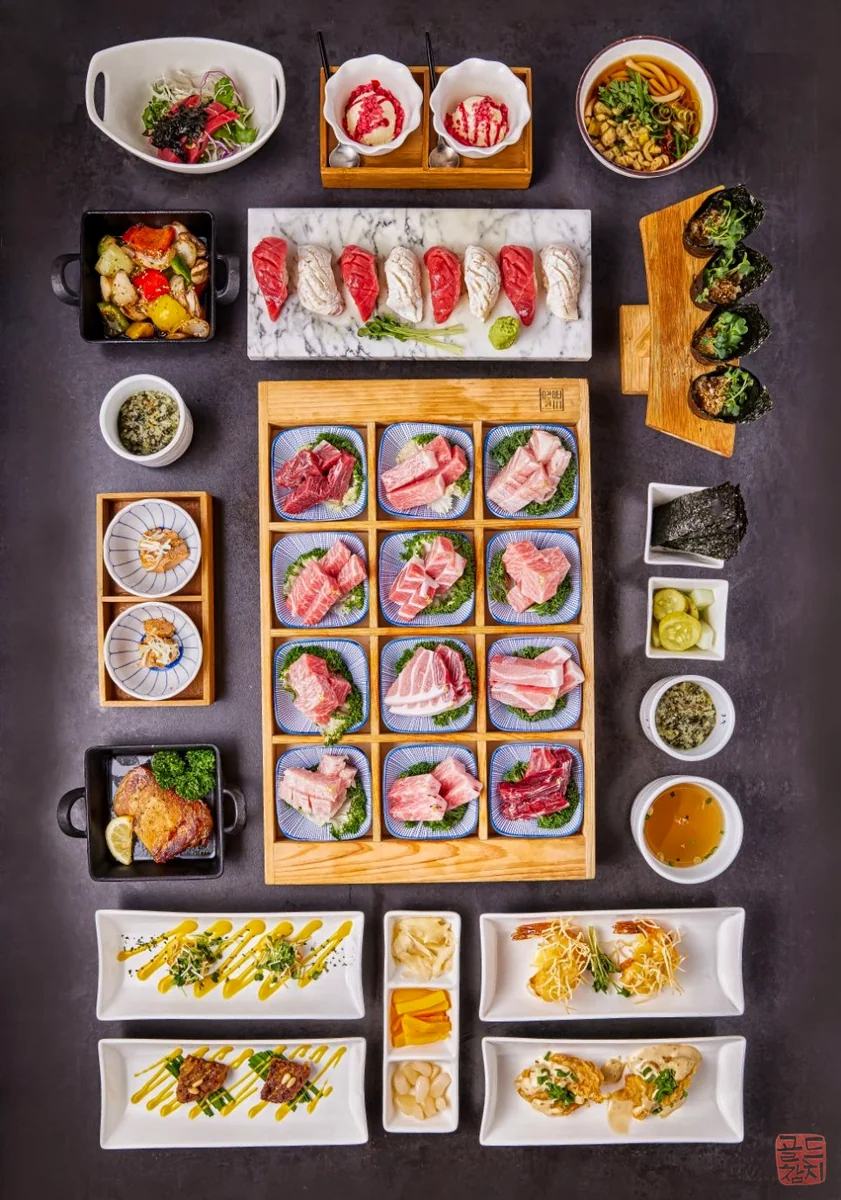
The full 15-course omakase table
Reservations & Contact
Goldtuna Bangi: 109-11 Bangi-dong, Songpa-gu, Seoul
Reservations: 0507-1420-7747
Directions: Songpanaru Station - 4 min, Jamsil Station - 10 min
Valet: Managed through the Jamsil Nolboo booth
Goldtuna Sinsa: 532-2 Sinsa-dong, Gangnam-gu, Seoul
Reservations: 0507-1394-0484
Directions: Sinsa Station, Apgujeong Station - 10 min walk
Parking: Call upon arrival for valet service