
How to Find the Best Tuna Restaurants
Is there a way to truly discern the value of a tuna dining experience?
How does one navigate the nuances of the plate?
Today, a lifelong student of the sea shares the hidden standards of quality.
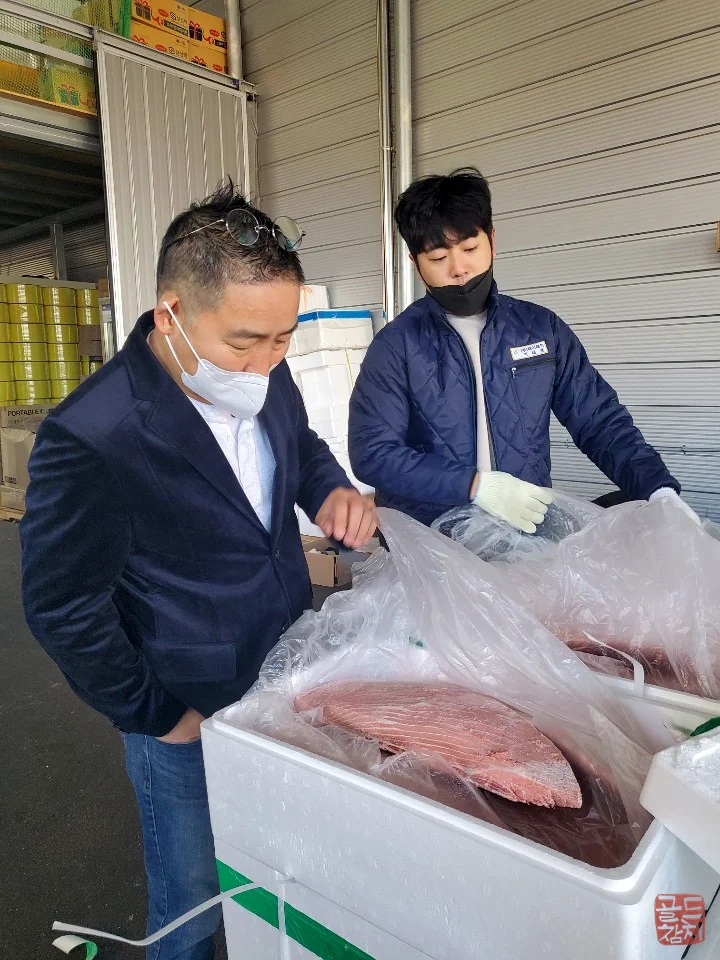
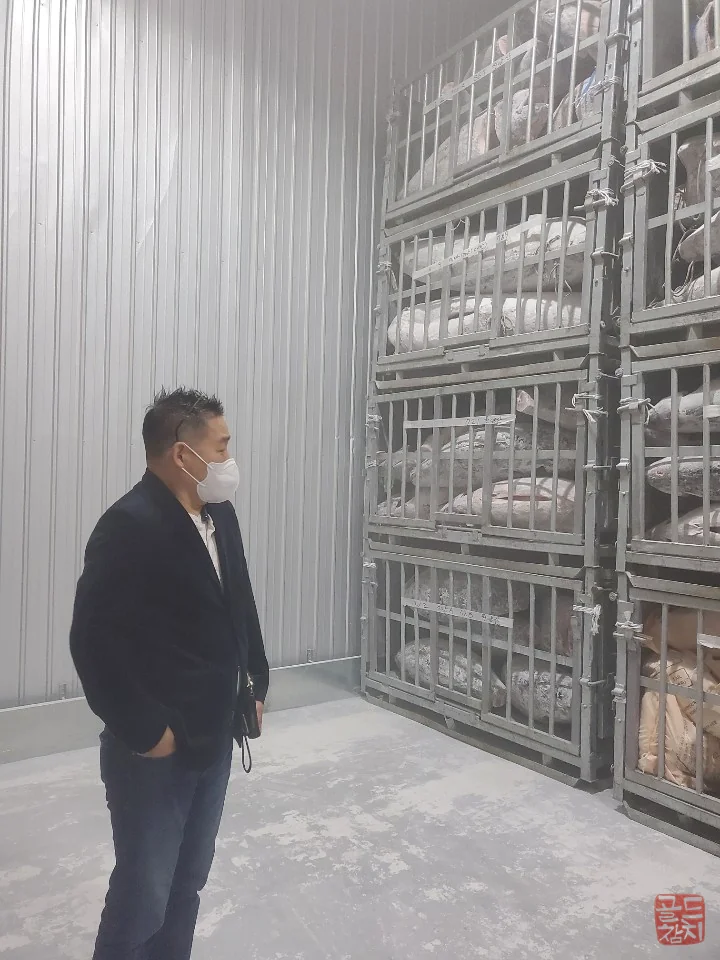
In search of the highest quality
-----------------------------------------------------------------------------------------
To the uninitiated, the differences between one cut and another can remain a mystery.
One might listen to a chef's explanation during a meal,
only to find that the details fade once the evening ends.
It is difficult to know if the experience truly matched the investment.
Let us look closer at the essential elements.
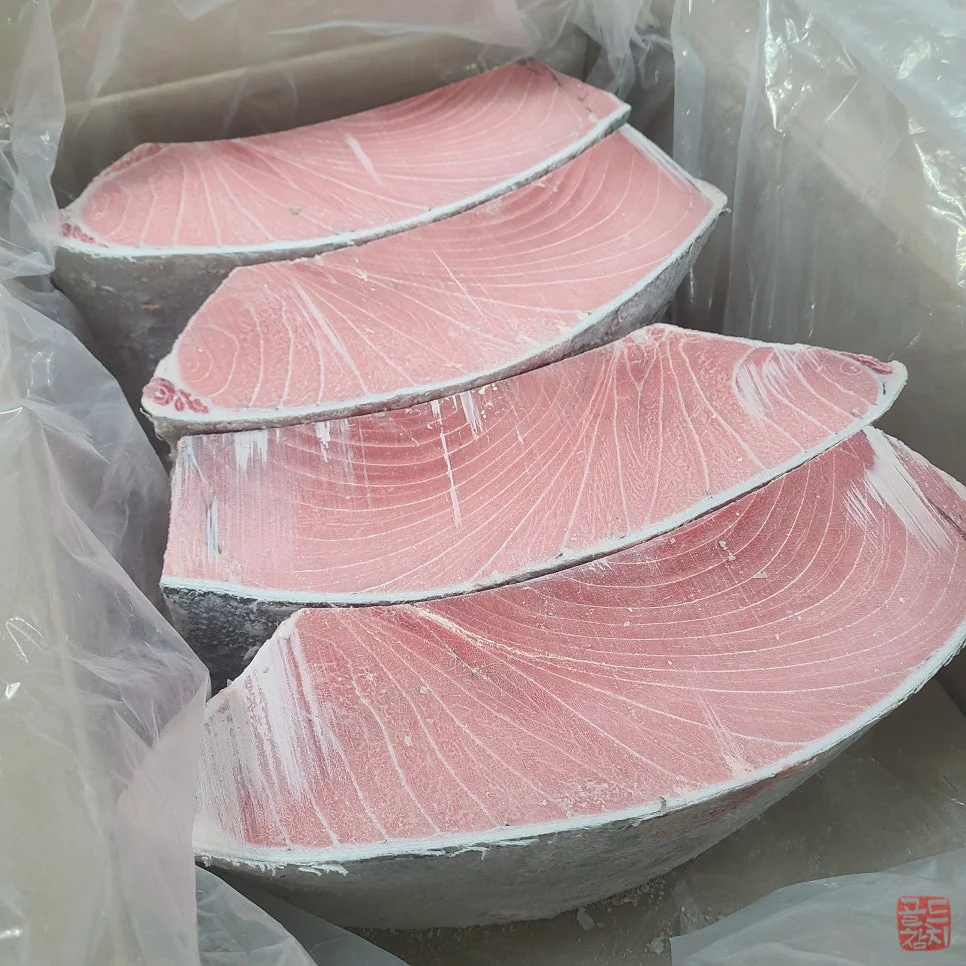
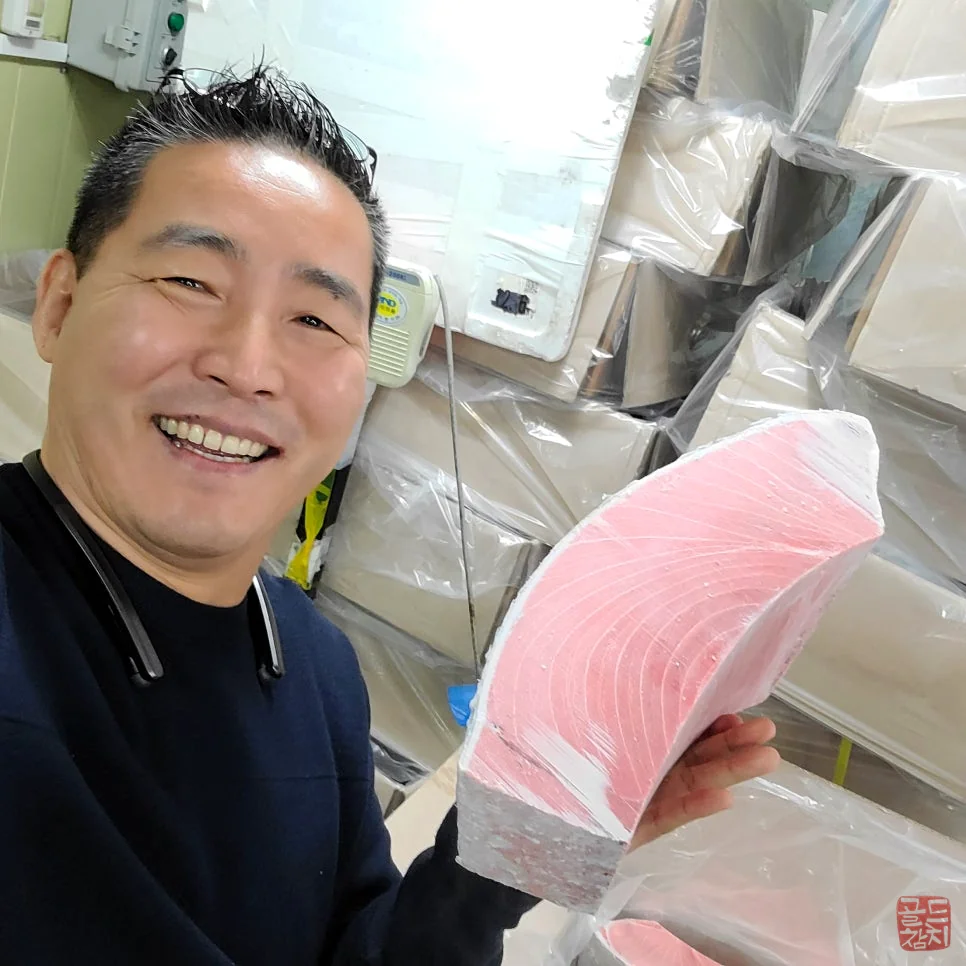
First, the elegance of the pink hue speaks of value.
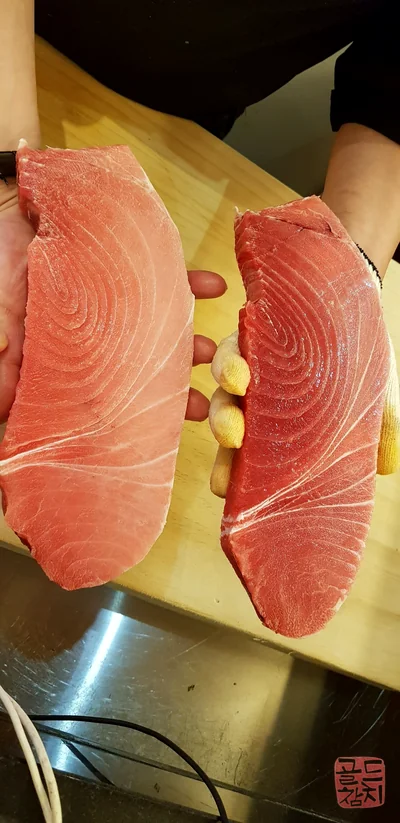
The specimen on the left holds a clarity the right cannot match. Pink prevails.
These are the same species and the same cut of Bluefin.
Which appears more refined to the eye?
Naturally, it is the one on the right.
Deep red suggests a lean texture without fat.
Red is the foundational color of the fish.
Consequently, most of the inner flesh remains vivid red.
However, when fat permeates the meat, the color transitions to a soft, pale pink.
The fat itself is white.
Just as a painter blends red and white to create pink, nature marbleizes these cuts.
In the market of fine dining, pink signifies a higher rarity and cost.
Second, the distinction of the species is paramount.
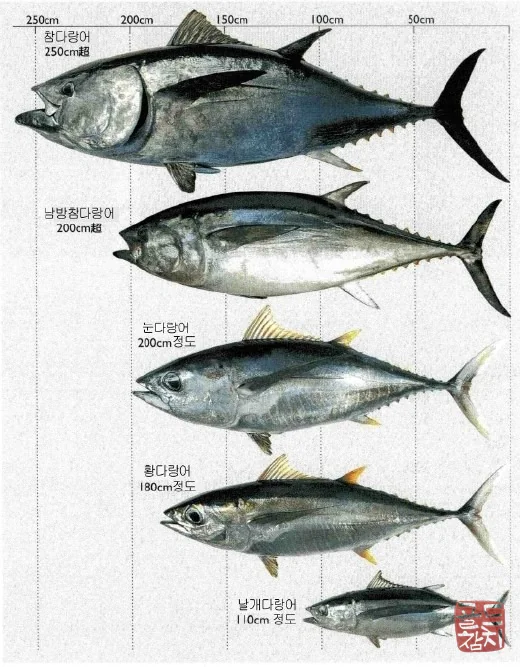
The price of tuna varies dramatically according to its species.
This classification ultimately dictates the character of the menu.
Bluefin tuna is the most prized, followed by Southern Bluefin, Bigeye, Yellowfin, Skipjack, and Albacore.
If a restaurant relies primarily on Bigeye
or Yellowfin, it may be helpful to reconsider the dining choice.
Often, these choices reflect a prioritization of cost-cutting over the culinary experience.
A true meal centered on Bluefin usually begins at a standard of at least 60,000 won.
Third, observe the vitality and turnover of the dining room.
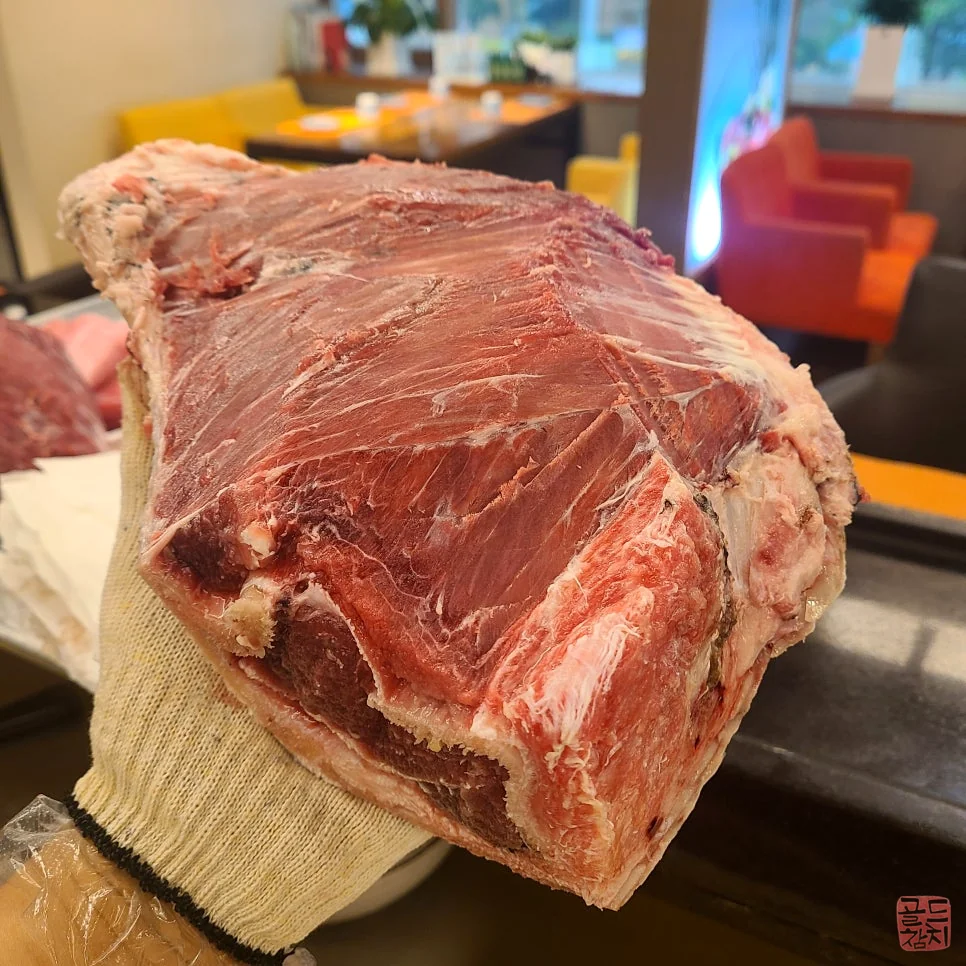
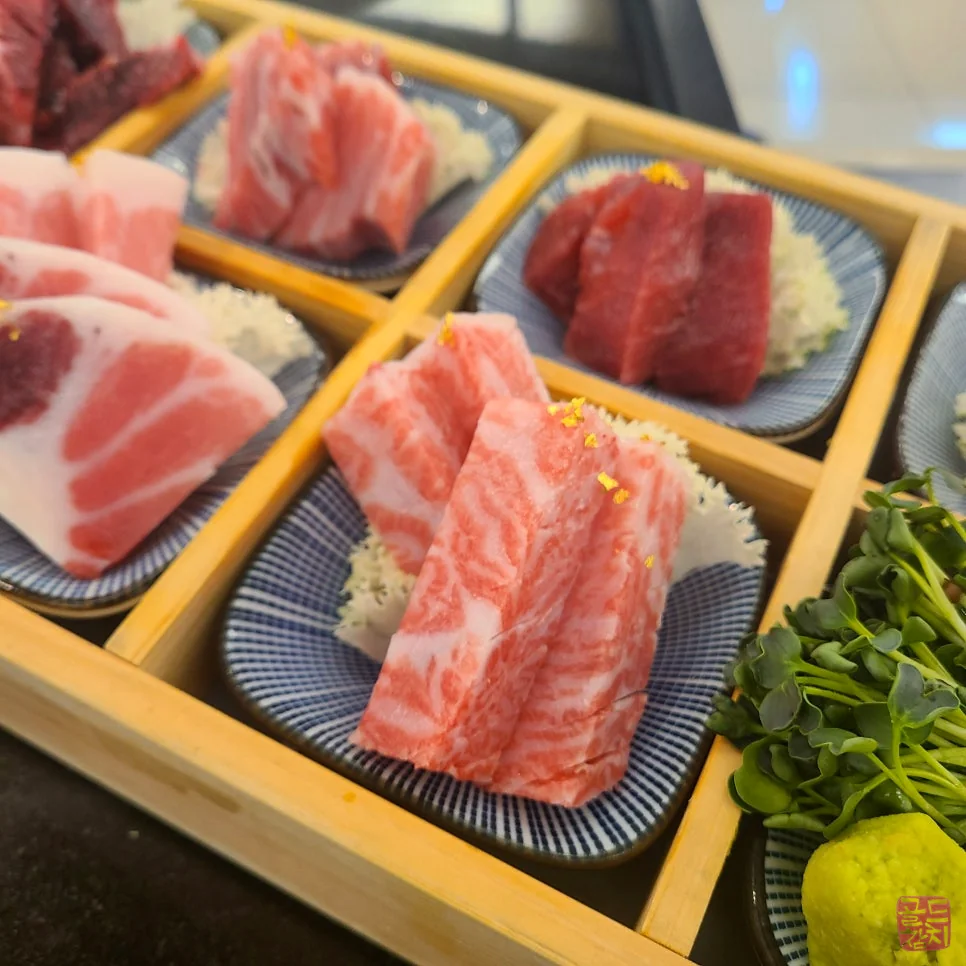
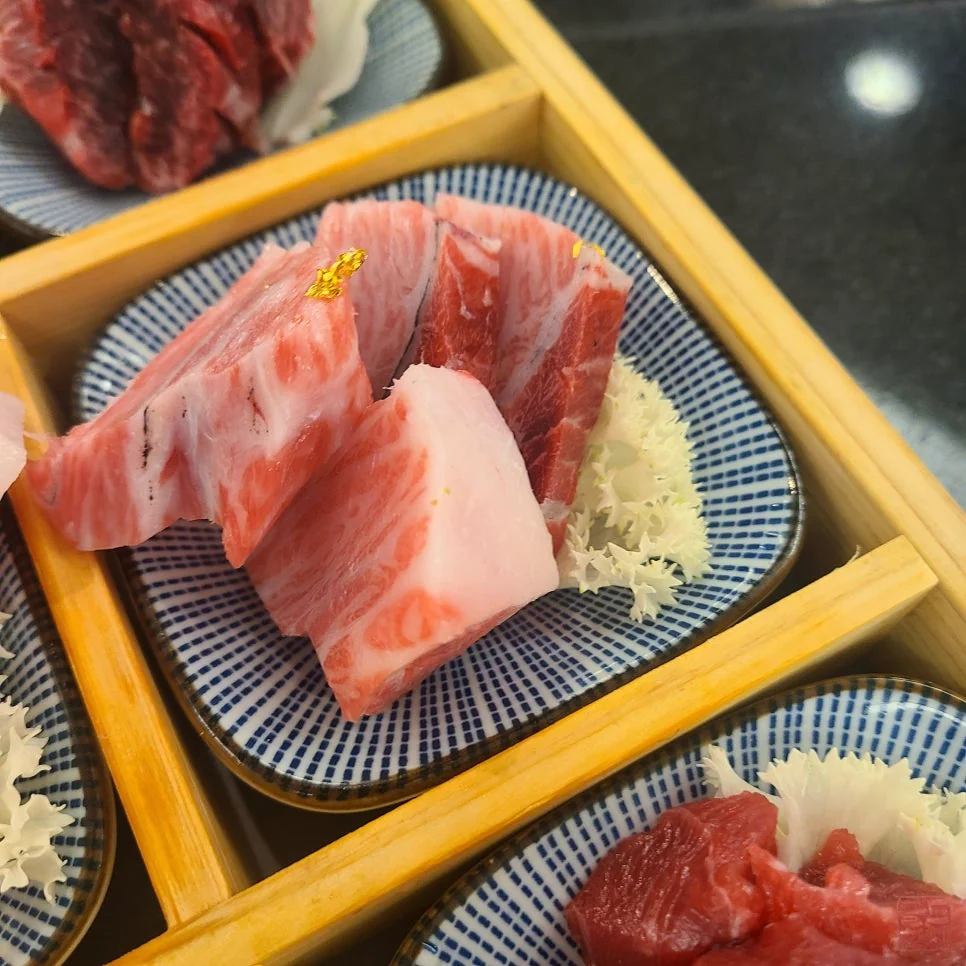
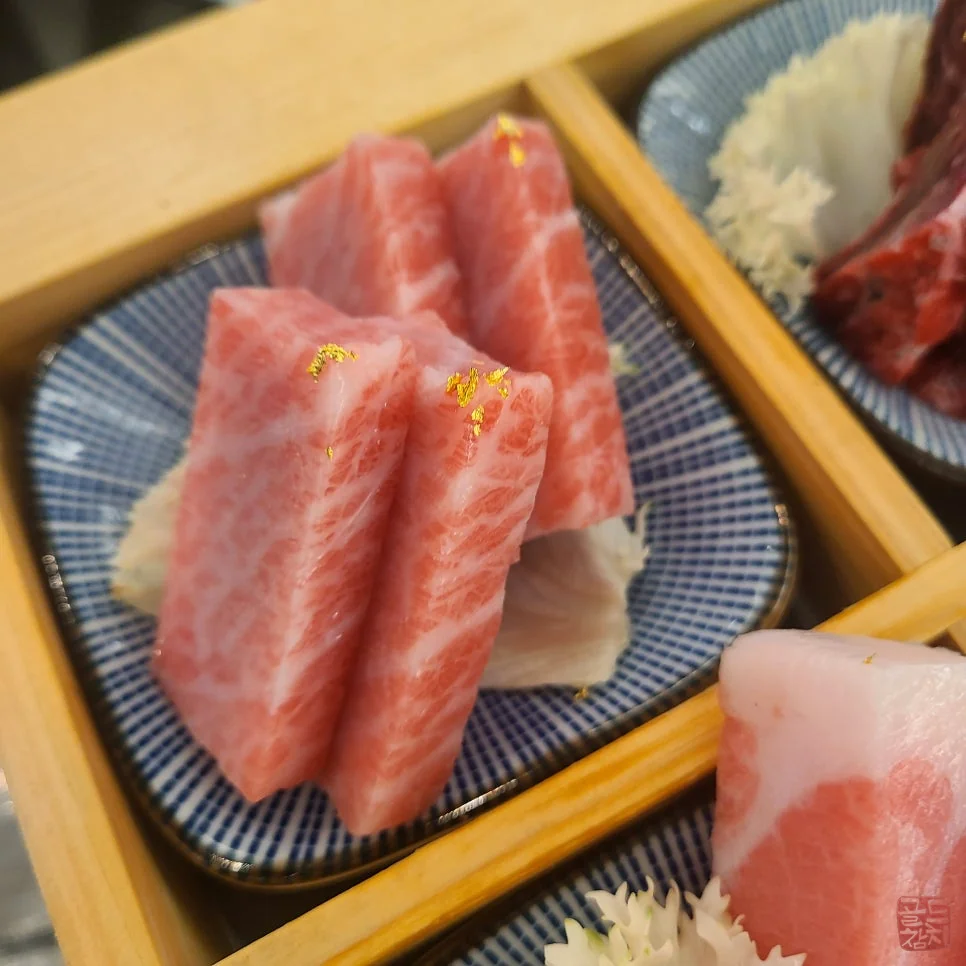
The flavor of tuna is transformed by the art of thawing and precise management. While a full thaw yields the most profound taste, it is widely avoided.
The reason lies in the difficulty of inventory control.
If fully thawed tuna is not sold immediately, its freshness quickly declines, leading to an unpleasant aroma.
Often, when a guest encounters a fishy flavor, it is the result of stock from the previous day or a lapse in management.
Therefore, choosing a restaurant with a high rotation of guests increases the likelihood of experiencing tuna at its peak.
In our next conversation, we will explore the quiet dedication required in the thawing process.
Sincerely, Yeon Choi of Goldtuna.