We live in an age where simply calling a restaurant "delicious" no longer tells the whole story.
Skilled kitchens are everywhere, information is abundant, and the collective palate has become increasingly sophisticated.
With a little effort, any establishment can earn a reputation for good flavor.
Yet, while some places are forgotten after a single visit, others remain etched in the heart for a long time.
I believe that this distinction cannot be explained by taste alone.
Fine cuisine begins with flavor,
but it is perfected through emotion.
And finally, it lingers as a memory.
1. Beyond flavor, fine cuisine must create a lasting impression
Flavor is the departure point.
However, flavor alone is rarely enough to capture a guest's heart.
Excellent taste is the minimum standard.
True culinary art must transform into a memory.
A restaurant's true caliber is revealed in the moments that follow the meal.
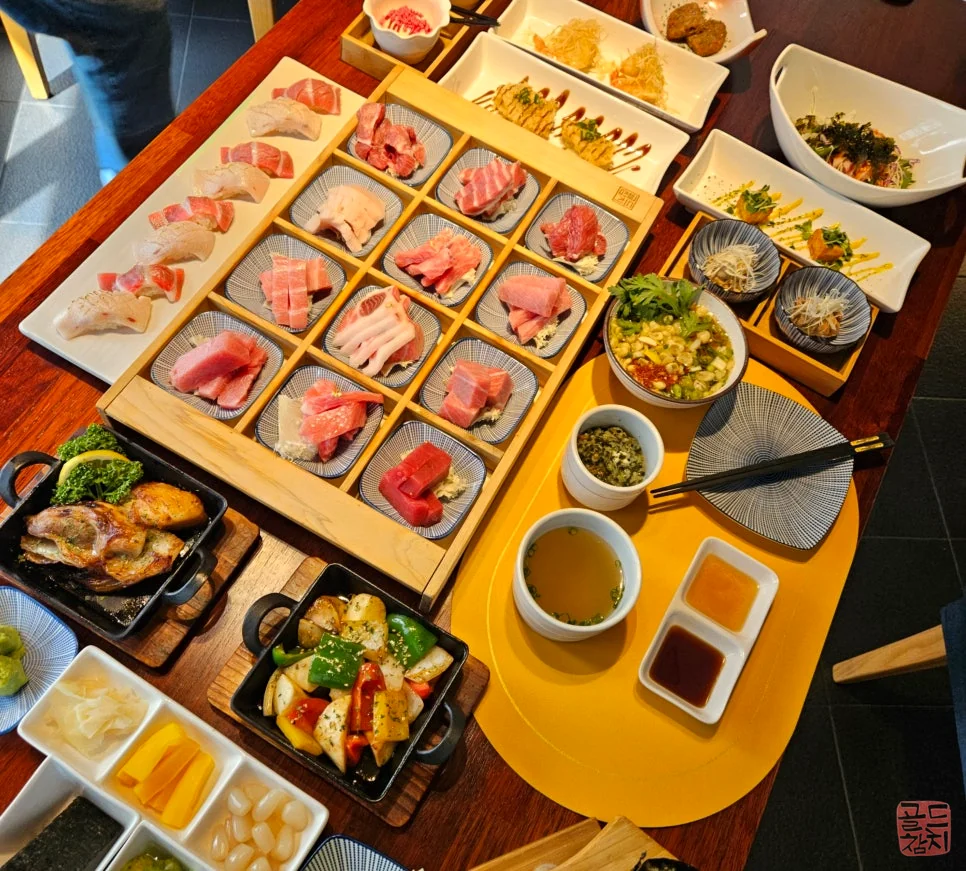
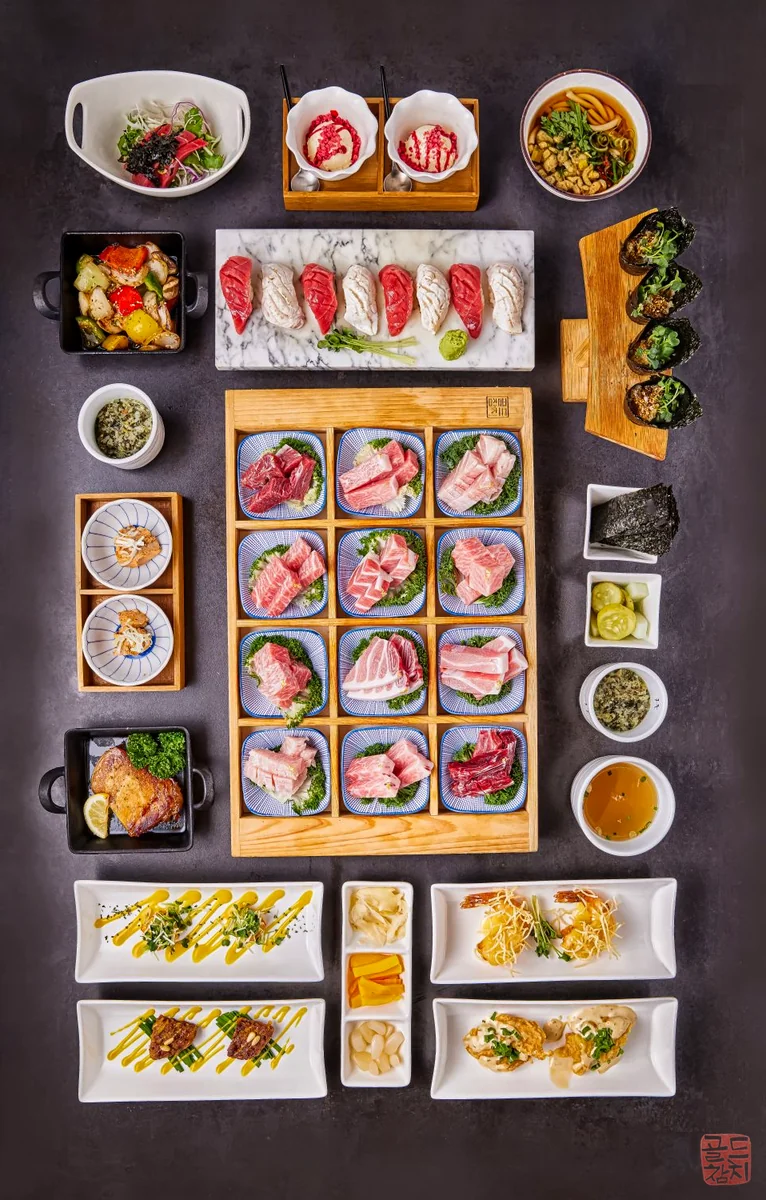
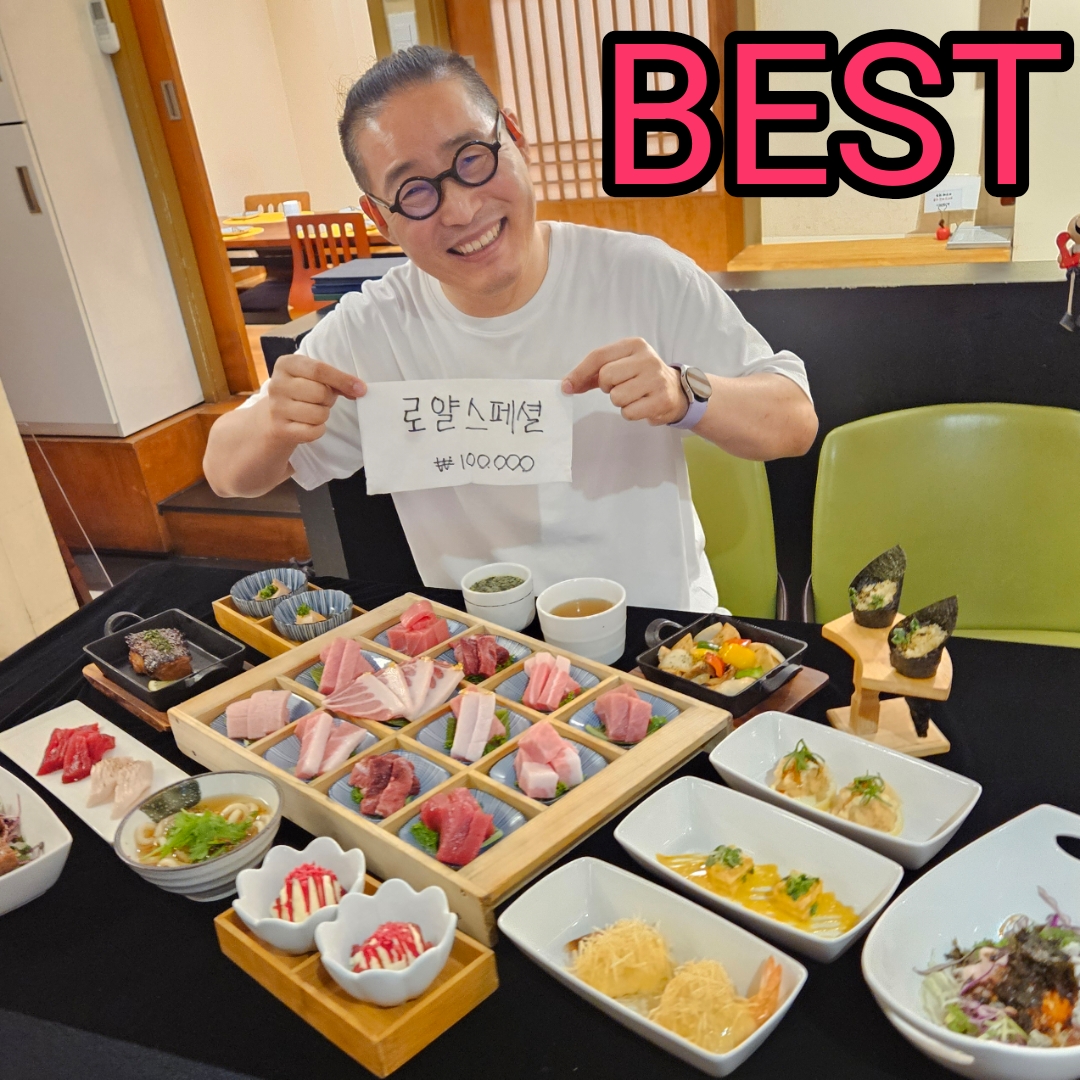
The full 15-course omakase table
Today’s guests look beyond the plate.
They sense the devoted care in the preparation, the intention behind the sequence, and the fundamental attitude contained within a single dish.
Therefore, fine cuisine should not stop at being "delicious"; it must evolve into the feeling of being genuinely cherished.
I believe this is precisely where the true level of a kitchen is determined.
2. Goldtuna: Returning to the pure essence of the fish
Great food begins with superior ingredients, but it is defined by the technical discipline required to protect their essence.
Tuna is unforgiving; any compromise in its essence is immediately felt.
Complete thawing, thorough moisture removal, and precise slicing are our non-negotiables.
Protecting these foundations without wavering is our first priority.

Infusing every dish with quiet dedication, gratitude, and heartfelt hospitality.
Tuna is an honest ingredient.
Even with the finest catch, clumsy thawing ruins the flavor, and inadequate moisture control compromises the texture.
Even a millimeter's difference in thickness alters the experience on the palate.
This is why Goldtuna begins with the art of properly respecting the fish itself.
We believe that the mastery of fundamentals speaks louder than any ornate description.
3. The 15-course narrative: A sequence of hospitality, not just volume
A truly great meal is remembered for its flow, not its quantity.
A course is a purposeful sequence, not just a number.
Side dishes are not fillers; they must perform with the caliber of a main dish.
A single meal should leave a lasting emotional resonance.
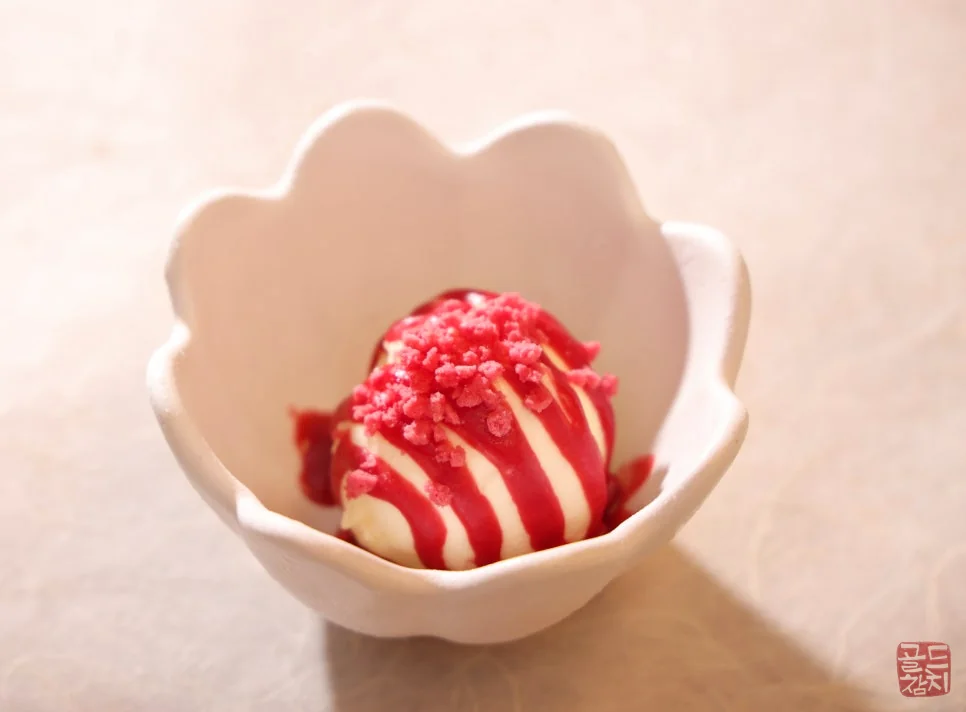
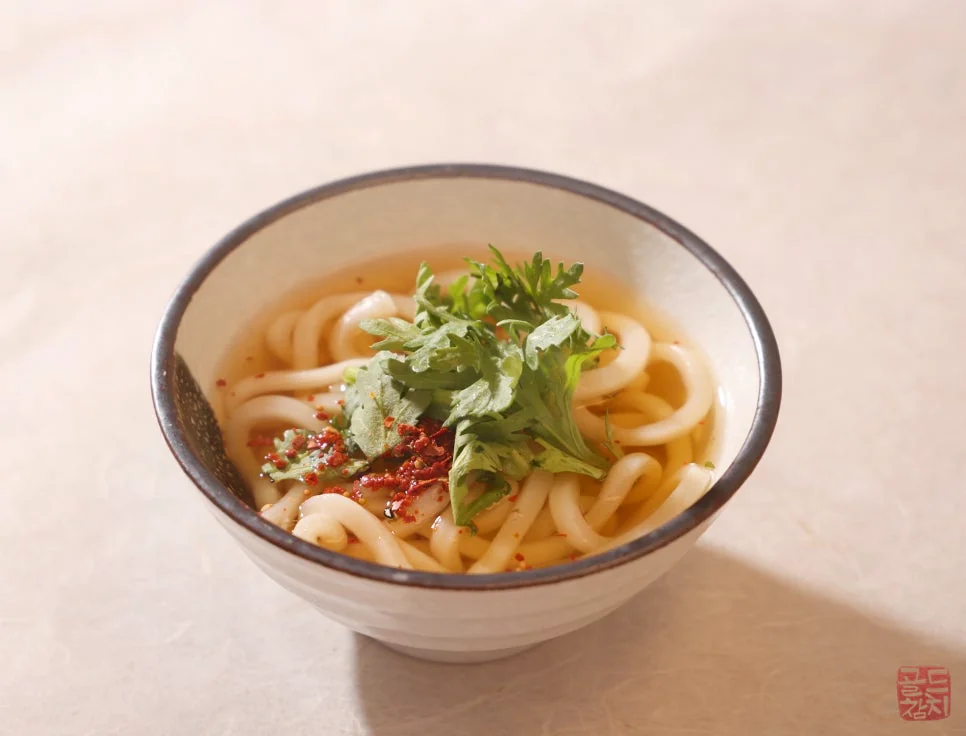
The final stages of the journey: courses 14 and 15
This is why the 15-course structure is vital to Goldtuna.
Starting with a gentle tuna porridge, progressing through sashimi and sushi, and concluding with grilled dishes, a hot meal, and dessert—there is a reason for every step.
We want our guests to leave not just full, but with the distinct feeling of having been sincerely cared for.
For this reason, we never treat side dishes as afterthoughts.
They are not there to fill the table; they should be compelling enough to make a guest say, "May I have one more of these?"
4. Aesthetics as an expression of sincerity
We do not eat with our palates alone.
The eyes receive the dish first, and that initial impression defines the elegance of the entire meal.
Presentation is not a luxury; it is a sign of respect.
Visual beauty is an expression of how much we value our guests.
Aesthetic harmony elevates the completion of the cuisine.
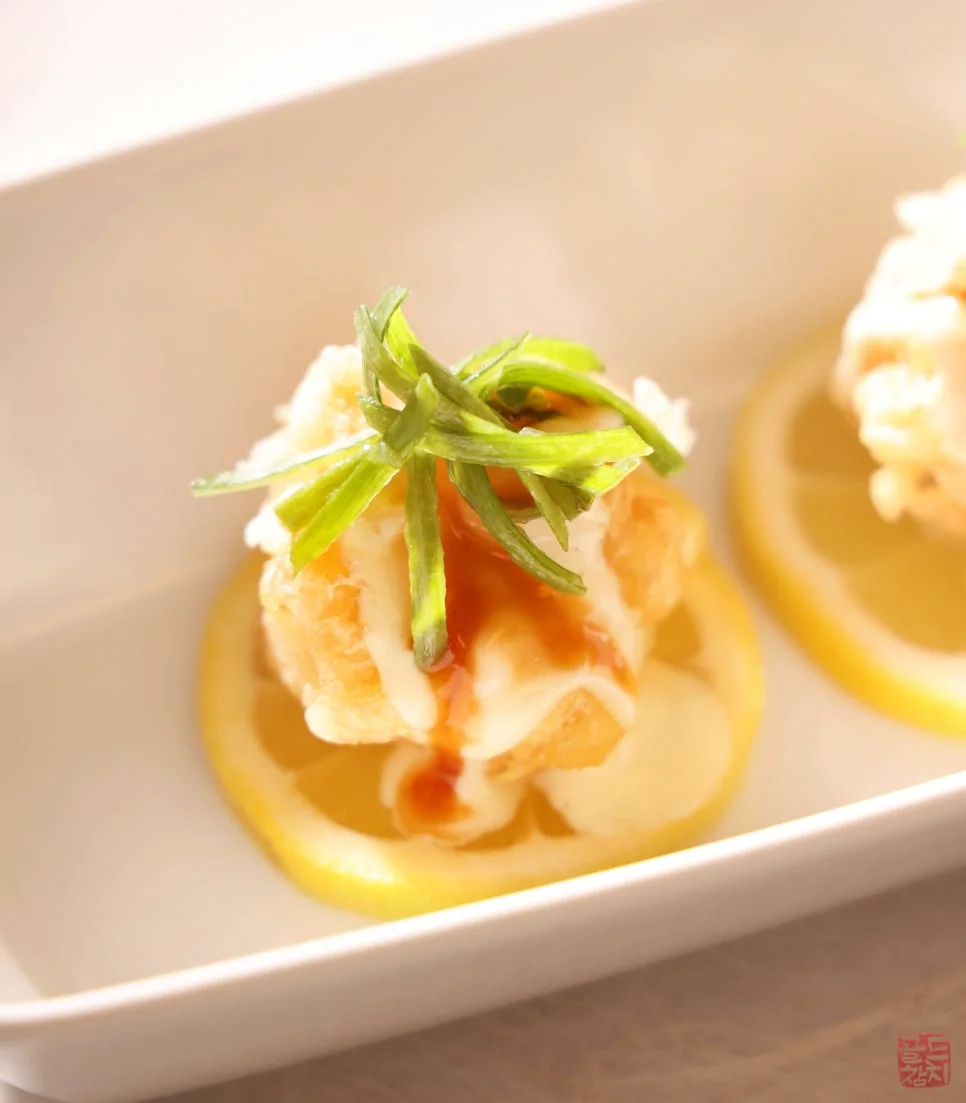
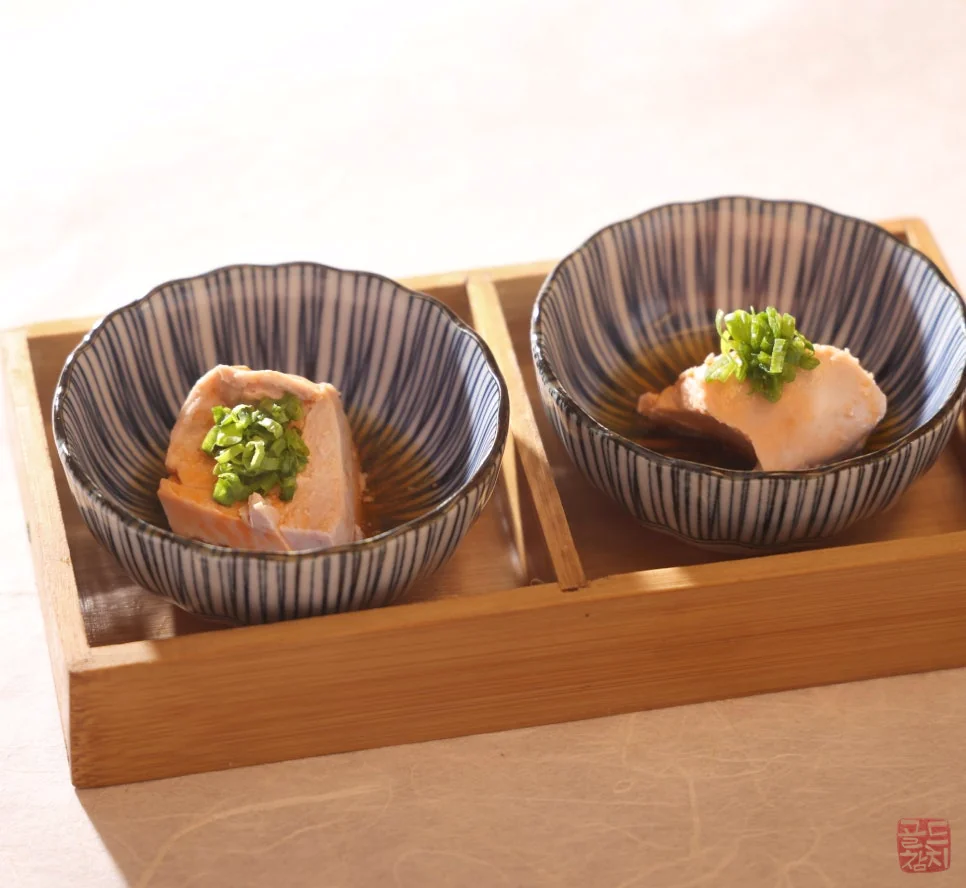
Beauty is the visual language of devoted care.
I believe that food must be beautiful.
The reason is not for vanity.
It is a testament that every plate offered to a guest was created with absolute presence.
A neatly composed dish sends a message: that this occasion and this guest were not taken lightly.
Aesthetics are not a performance; they are an attitude.
And that attitude is felt by the guest more accurately than one might imagine.
5. Goldtuna: A legacy of being cherished, rather than just being a "famous spot"
Philosophy gains its power when it is lived, not just spoken.
Fine food requires the marriage of technical skill and a sincere heart.
Flavor, flow, presentation, and service must exist as a single continuum.
Ultimately, guests remember the warmth of hospitality more than the meal itself.
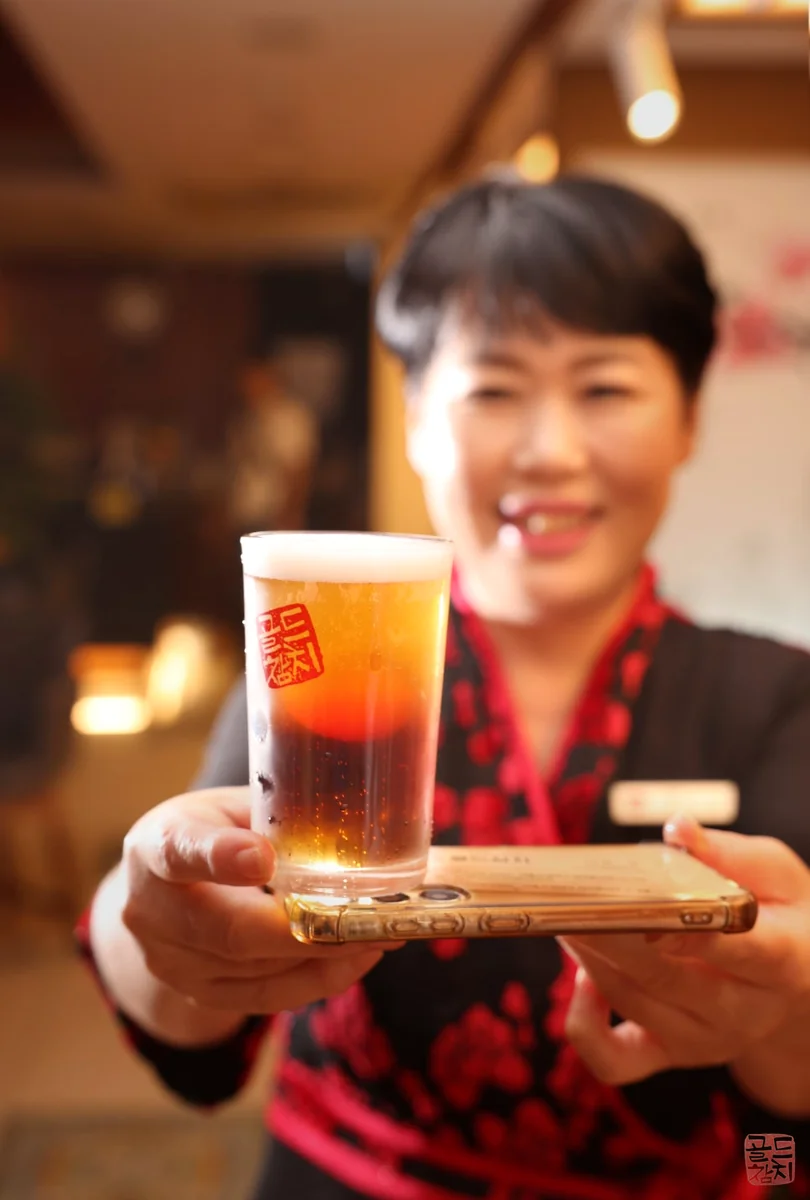
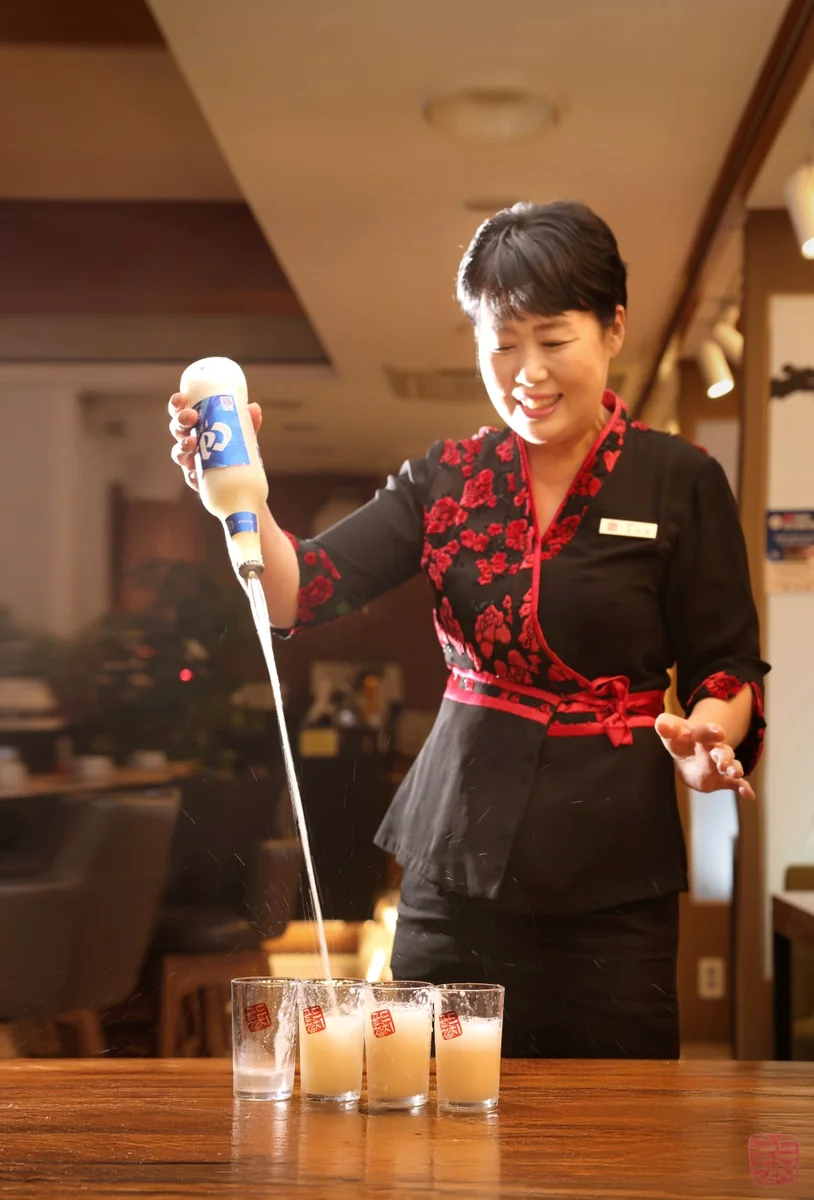
The art of the human connection through food.
Goldtuna never aspired to be just a place that serves "good tuna."
Properly handling premium fish, crafting the narrative of a 15-course journey, elevating the sides, presenting every dish with grace, and welcoming guests with genuine care—these are the elements we strive for.
When all these facets align, the cuisine is finally complete.
In the end, while food is a technical craft, it is also a relationship.
Thus, we cherish the phrase "a place where I felt cherished" far more than being called a "must-visit spot."