Gangnam Tuna Omakase: 3 Key Differences Between 80k and 130k Won
Once seated, there is a single question that inevitably arises from our guests.
“Between 80,000 and 130,000... is there a significant difference?”
To be candid: yes, they are quite different.
The fish itself belongs to a different tier of quality.
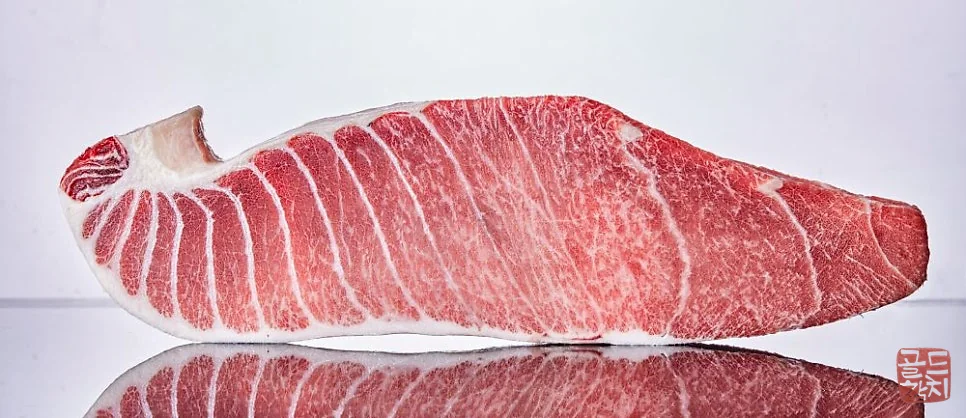
A cut of premium Bluefin Belly (Otoro No. 1).
1. The Grade of the Source
From Bigeye to 250kg Northern Bluefin
In the world of premium tuna omakase, seventy percent of the experience is decided the moment the fish is sourced.
80,000 Course (VIP Special)
A blend of Bigeye and Southern Bluefin
A stable, well-balanced fat distribution
A clean and approachable flavor profile
Perfect for business meetings or first-time visitors
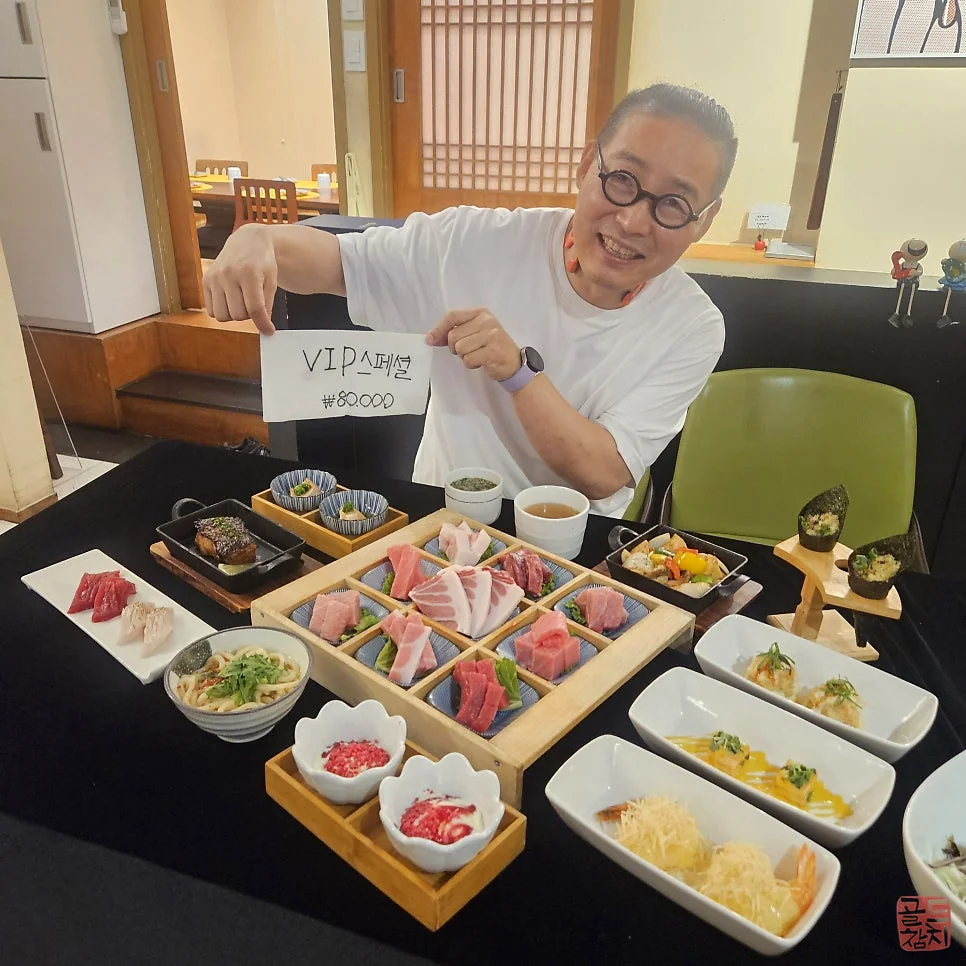
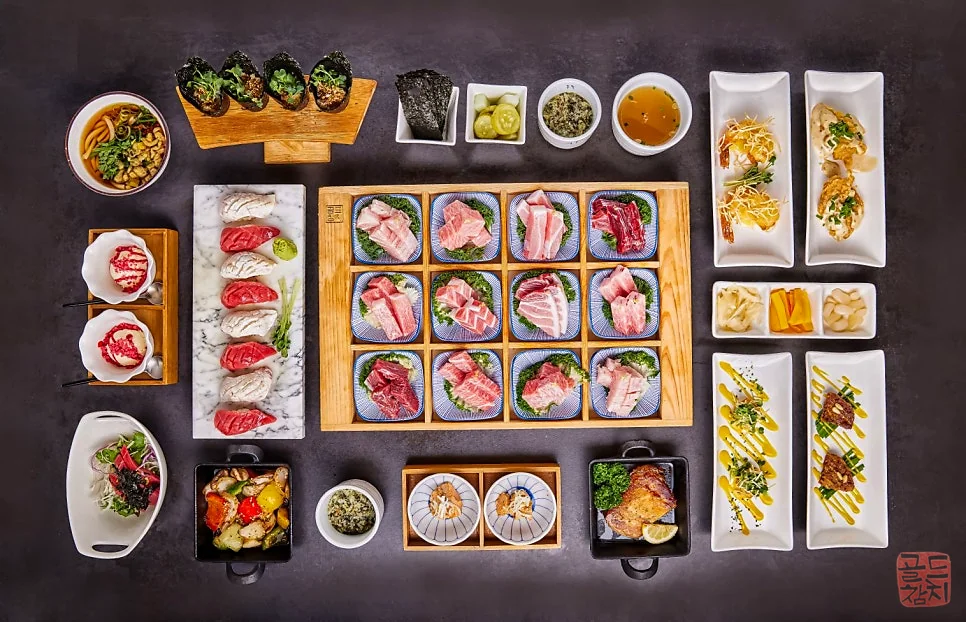
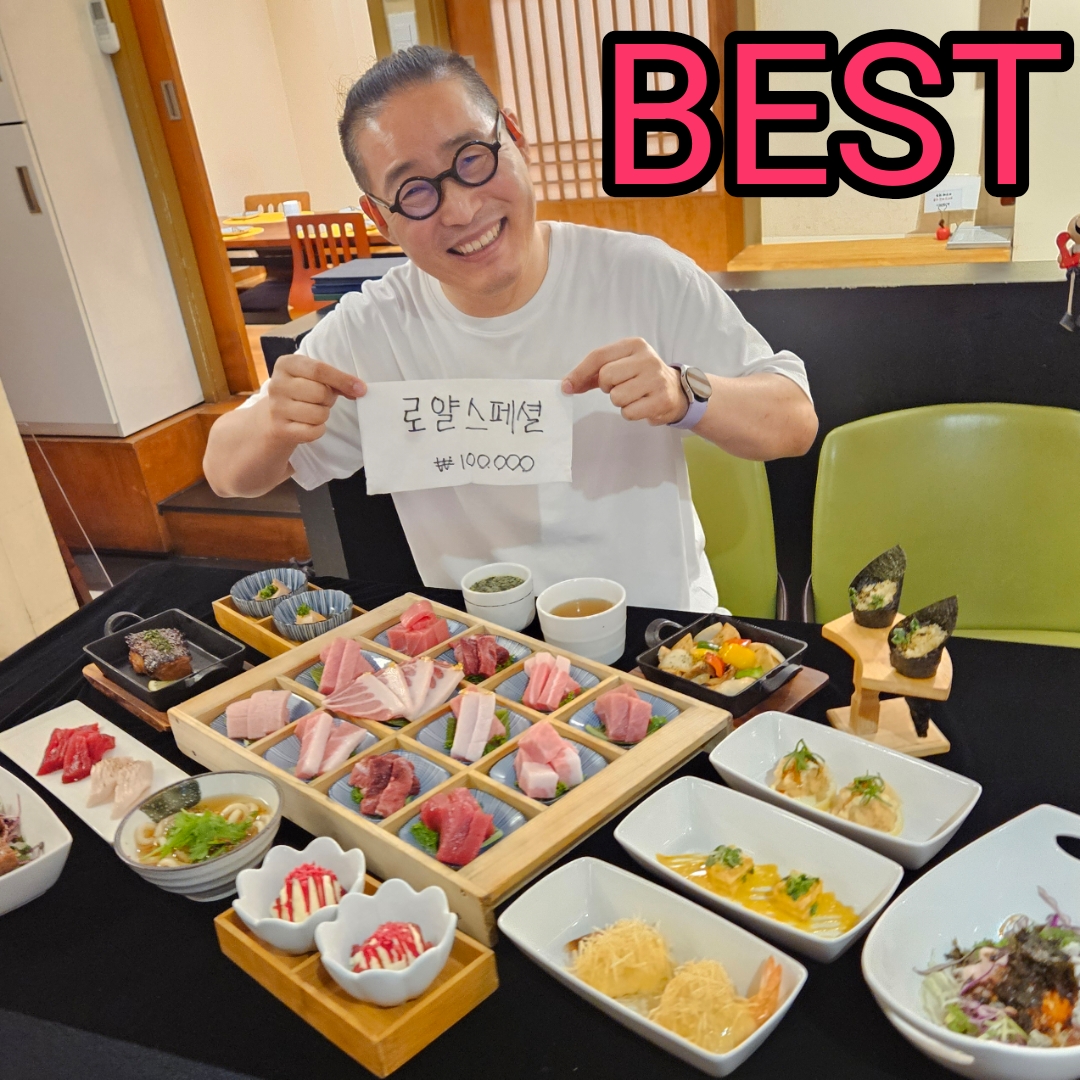
A complete presentation of the VIP Special.
130,000 Course (Omakase Special)
Centering on Northern Bluefin (Hon-maguro) over 250kg
The larger the fish, the finer the texture of the marbling
A profound, lingering depth of aroma after it melts
With Bluefin, size is the ultimate metric of quality.
Once you reach the 250kg threshold, the concentration of fat and the duration of the fragrance change entirely.
This difference in origin alone accounts for much of the price bridge.
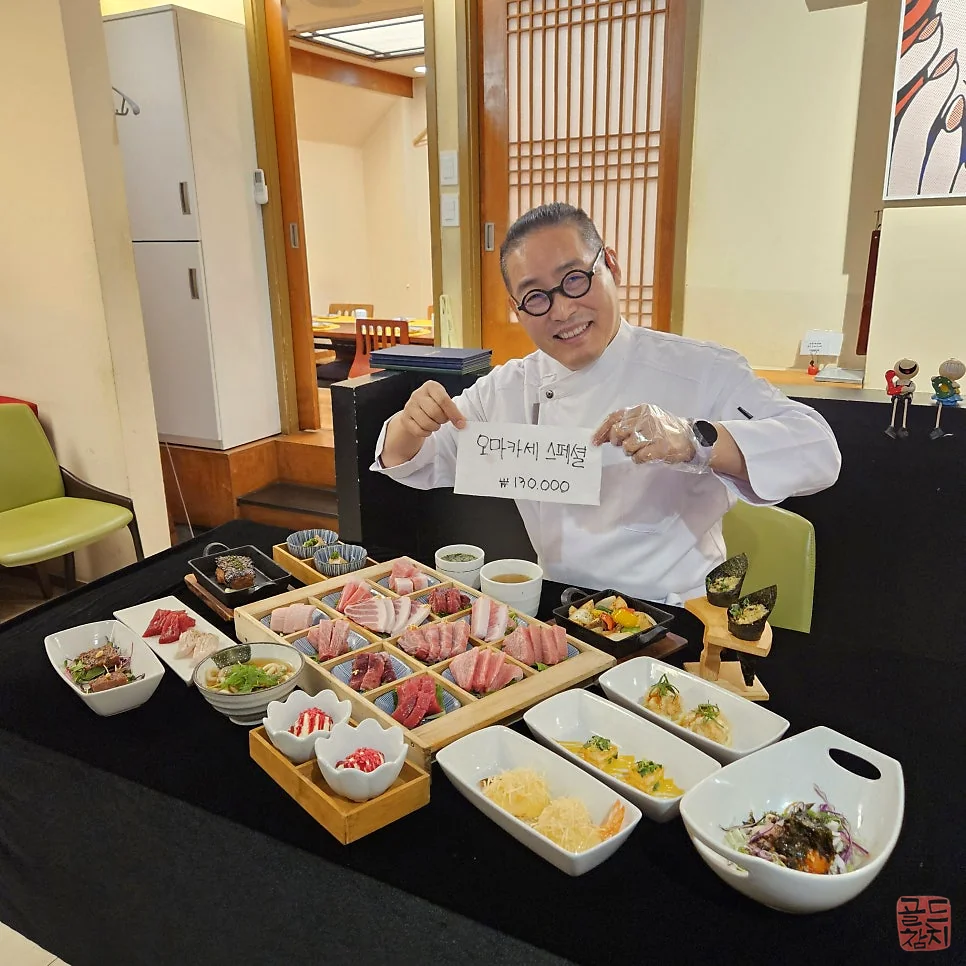
The Omakase Special course, prepared with meticulous care.
2. The Ratio of Premium Cuts
Balancing the Lean and the Marbled
Otoro, the prime belly, represents only a fraction of the entire fish.
The difference in price is fundamentally a difference in concentration.
The 80,000 Course Composition
Focused on Akami (red meat)
A balanced inclusion of Chutoro (medium fatty tuna)
Designed for a harmony between richness and cleanliness
The 130,000 Course Composition
Significant increase in Otoro (premium belly)
Tailored selections curated by the chef based on guest preference
Concentrated placement of sections with high fat density
Connoisseurs often say that the value of tuna is proportional to the speed at which it vanishes from the palate.
The velocity of that melting sensation and the longevity of the scent it leaves behind.
This remains the heart of our premium course.
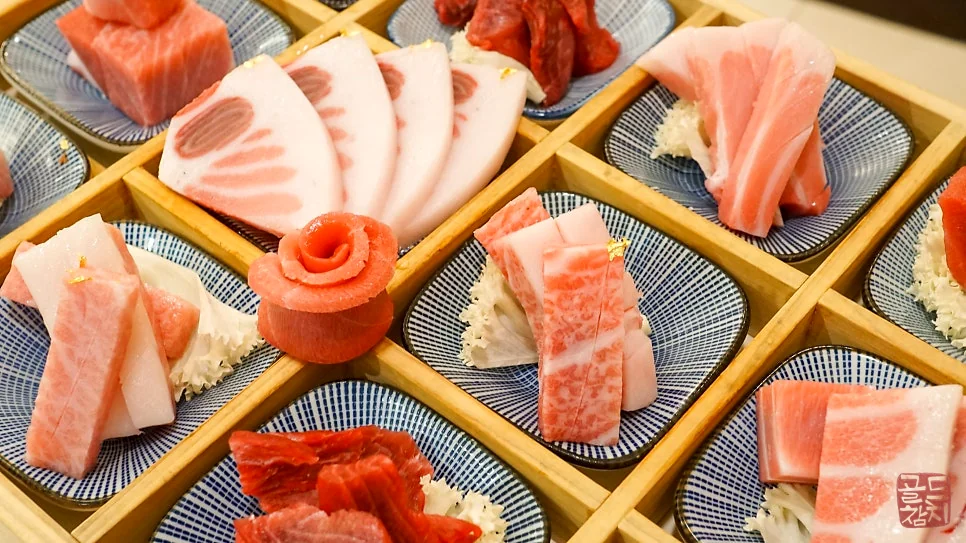
Tuna presented as a work of art.
3. The Details of Management
The Distance Between Excellence and Perfection
The true distinction in a high-end experience lies in the discipline of management.
Thawing temperatures maintained within ±0.5℃
Absolute precision in moisture removal
Uncompromising selection criteria for every cut
As we move to the higher-tier courses, the chef becomes more selective.
Any portion that does not meet the absolute peak of condition is simply not served.
The loss incurred during this rigorous process is what defines the price difference.
The 130,000 course is not merely a course where we serve more.
It is a course where we are willing to discard more to find perfection.
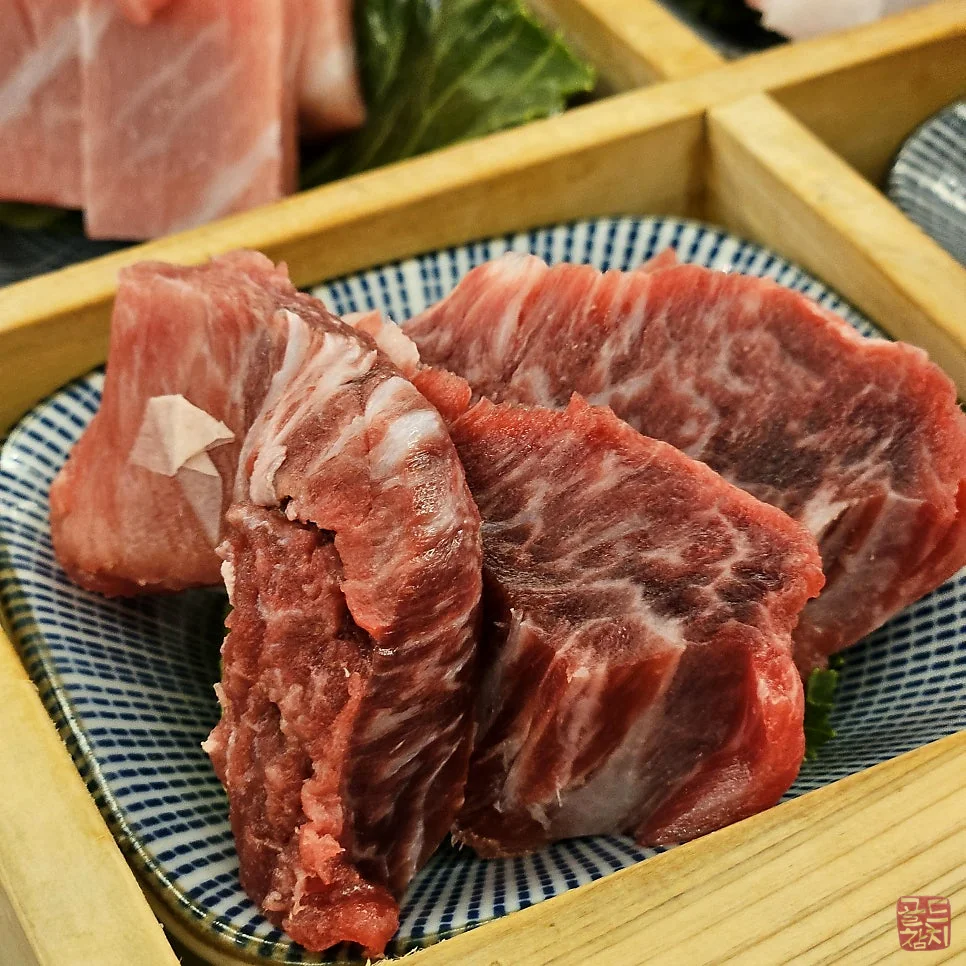
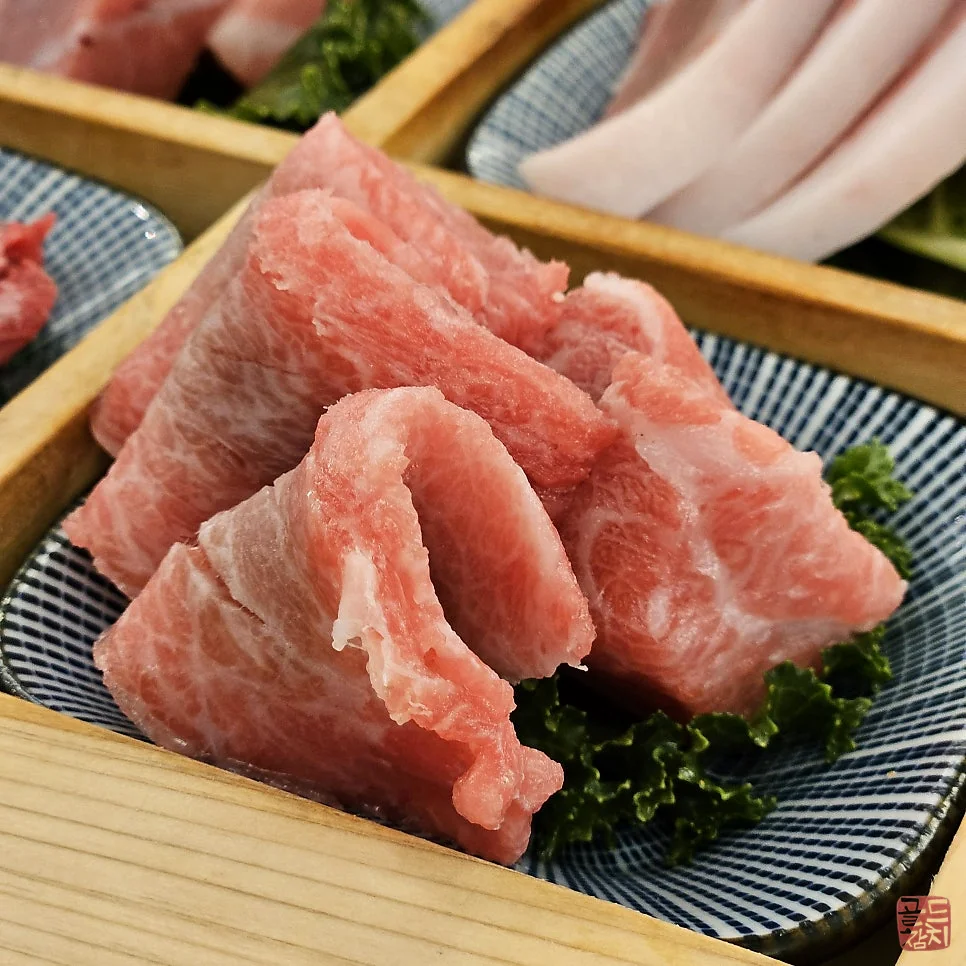
The ideal state of complete, professional thawing.
Choosing the Right Path
When we recommend the 80,000 Course
For casual gatherings where value is a key consideration
When you prefer a balance of flavors over sheer richness
When we recommend the 130,000 Course
For anniversaries or hosting a truly significant guest
High-stakes business meetings that require a certain atmosphere
On days when you simply want an experience that is definitively different
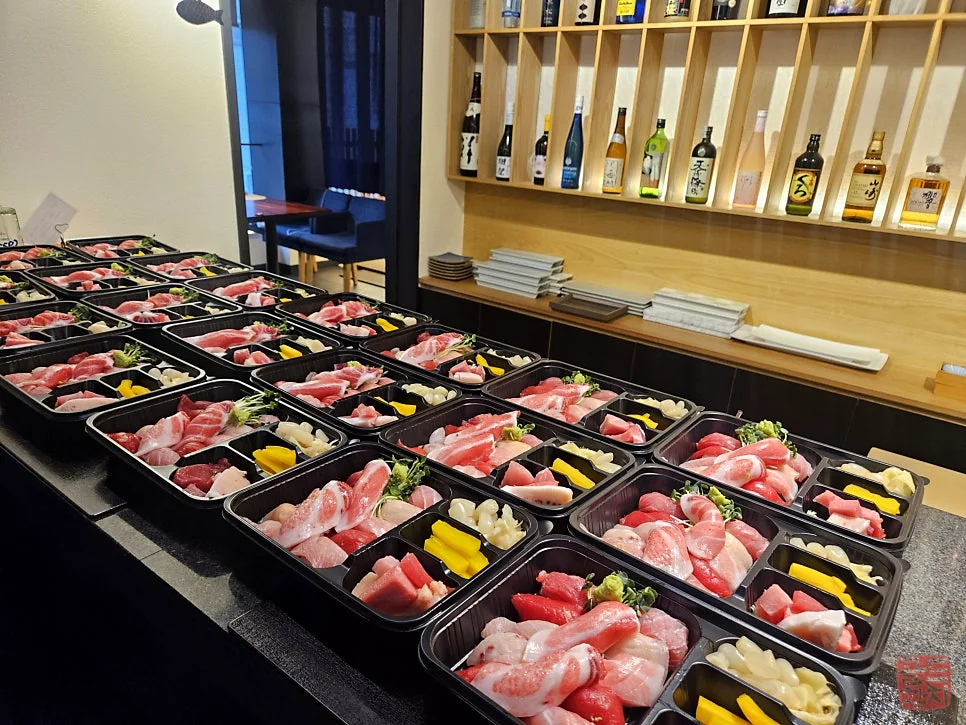
Preparing the afternoon sushi selections.
Avoiding the Mid-ground
The most regrettable choice in tuna dining is often
the assumption that "it's all more or less the same."
Whether you choose the essential or the premium,
the intention should be clear.
The reason our 130,000 course is often fully reserved is simple:
the sheer power of the source material is felt immediately.
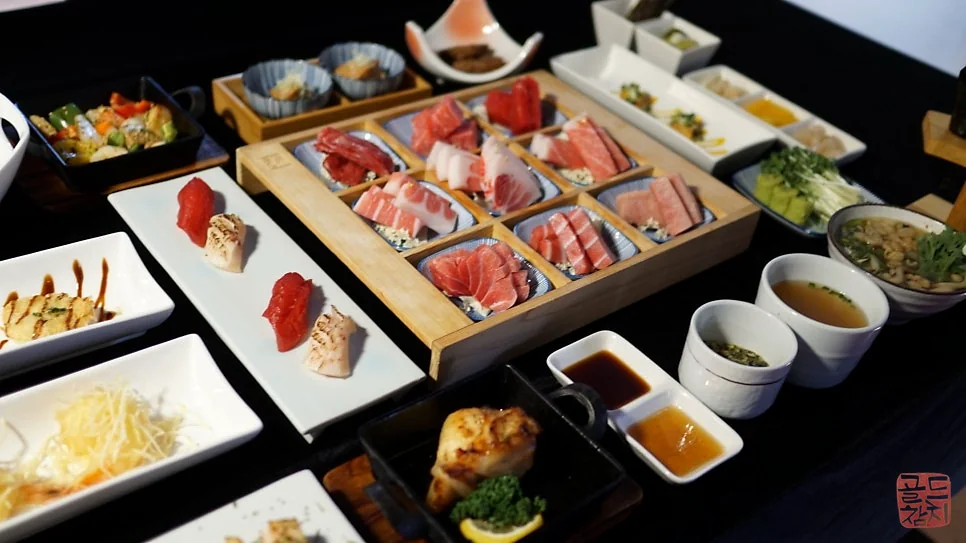
Every serving is a crafted masterpiece.
This Evening,
if you wish to gift a truly memorable moment to someone dear, we invite you to experience the authentic difference of our premium course.