
Tuna Distribution: A Look Inside Cold Storage
"Where do you find your tuna?" This is a question many of our guests ask with genuine curiosity.
It is a fair question. Even at the largest traditional markets or the grandest department stores, whole tuna of this caliber is rarely seen.
One might find small, pre-cut portions, but witnessing the raw, majestic form of the original fish is a rare experience for most.
So, where does our tuna truly begin its journey?
Today, I would like to pull back the curtain and share a story about the origins of our table.
I often make the trip to a specialized facility near the artistic village of Heyri.
The forty-minute drive with the Han River flowing to my left is a welcome moment of reflection.
On this particular day, the sky and the breeze felt especially kind.
And so,
I arrived at the source.
A quick moment captured with the person who oversees our selection.

A partnership now in its third year. He recently welcomed twin sons into the world—a source of immense joy for him.
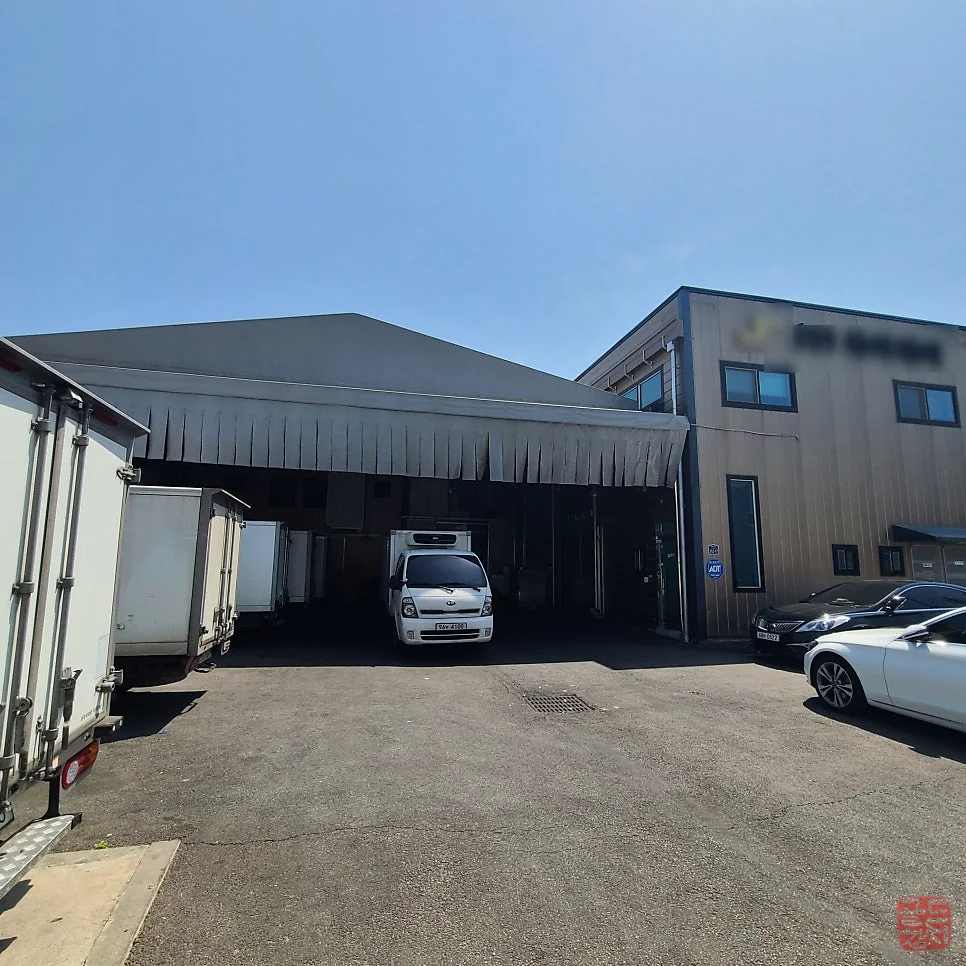
This is the exterior of the deep-freeze storage.
Refrigerated trucks move in and out with focused purpose.
While the mornings are usually a whirlwind of activity, I arrived just after the main departures, allowing for a few quiet captures.
The trucks shown below are vital.
They carry the harvest from the warehouse to the kitchen while maintaining a precise, unbroken cold.
They are, in a sense, the life-giving vessels of our industry.
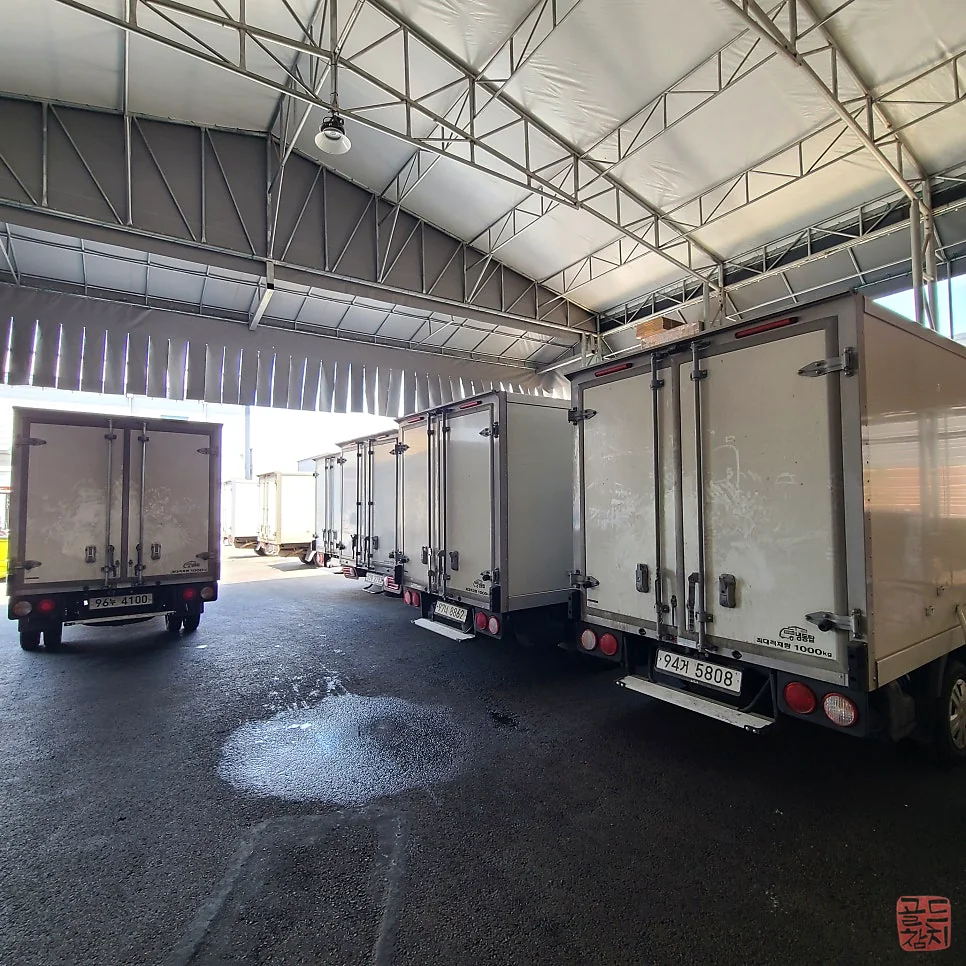
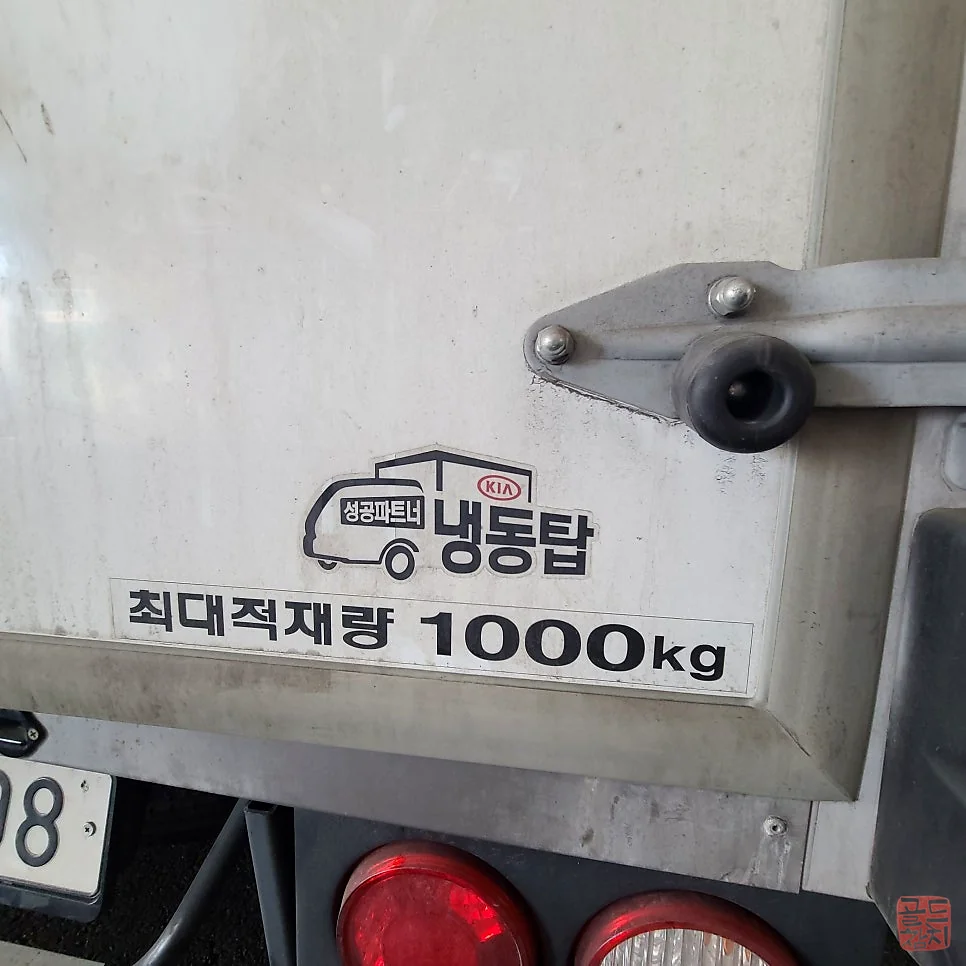
Specialized logistics trucks that preserve a temperature of -20°C until they reach our door.
In the world of tuna, the mastery of temperature is everything.
Before modern refrigeration, tuna was often overlooked.
Because of its high fat content, it oxidizes and spoils far more rapidly than other fish.
If you were to store tuna in a standard home freezer, it would soon turn dark and lose its essence.
While a home freezer sits around -20°C, this facility operates at a minimum of -50°C to halt time itself.
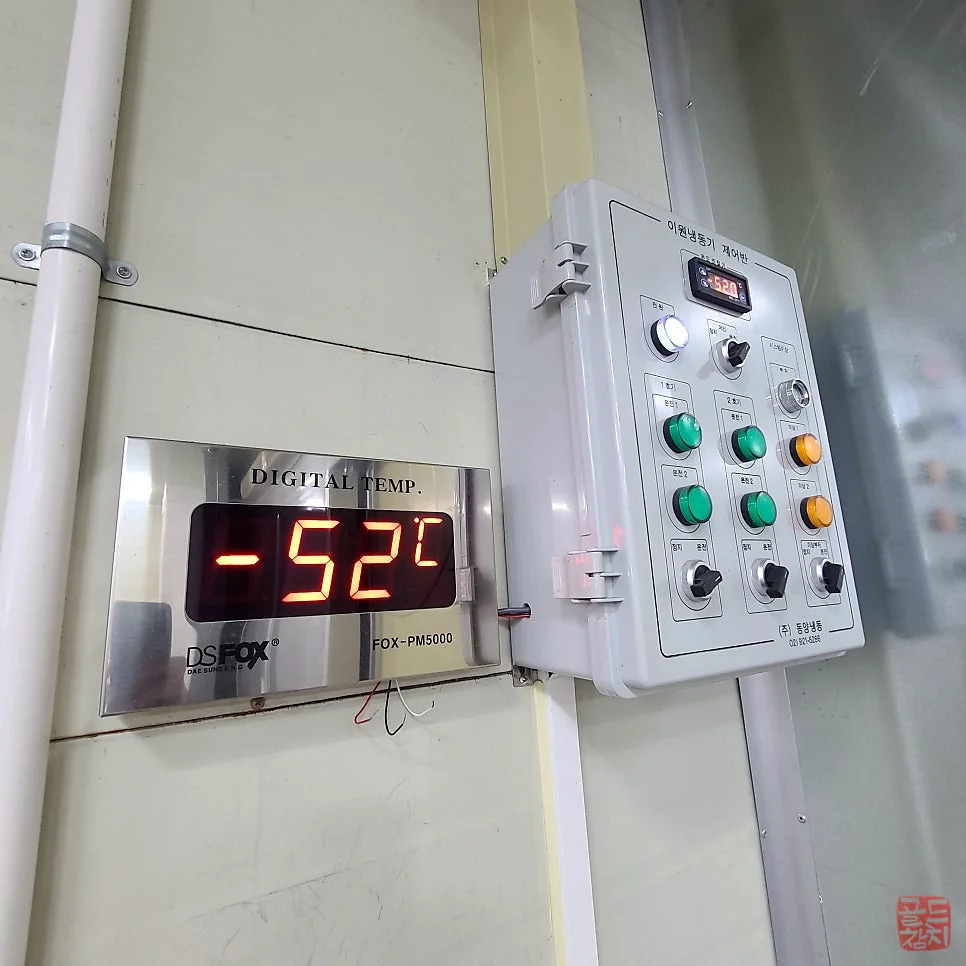
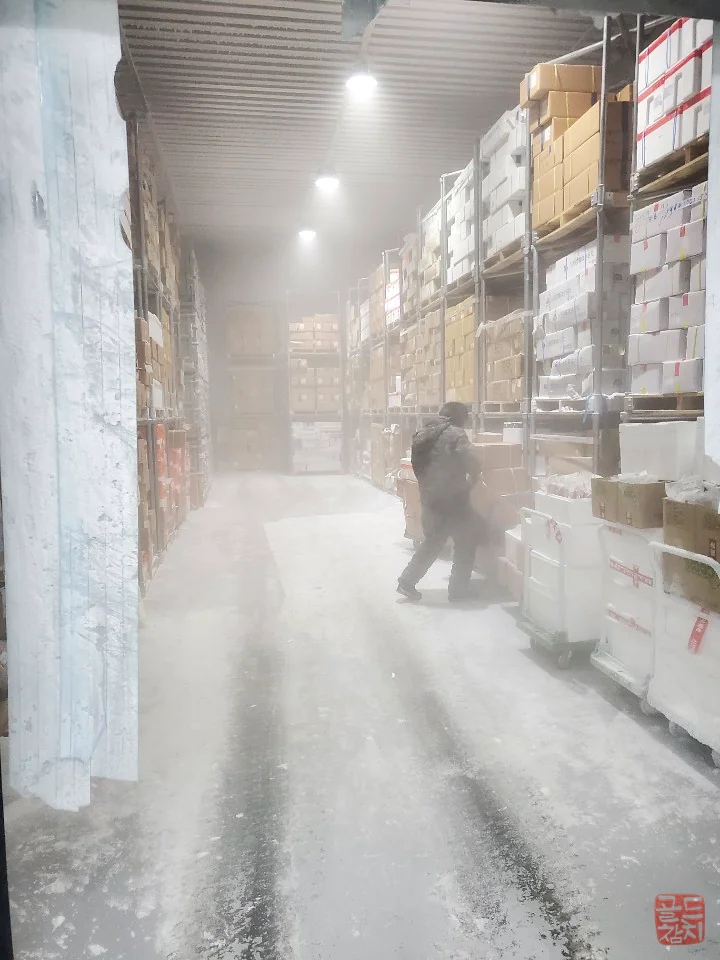
The gauge reads -52°C. Even in the height of summer, one must dress in thick winter gear to enter this world.
Stepping inside the deep-freeze.
At -52°C, the senses begin to blur.
A brief, fleeting thought of the door failing brings a sudden chill of quite a different kind.
As you open the entrance, the air curtains roar downward to shield the cold.
A single breath exhaled here turns instantly into a mist of frozen droplets.
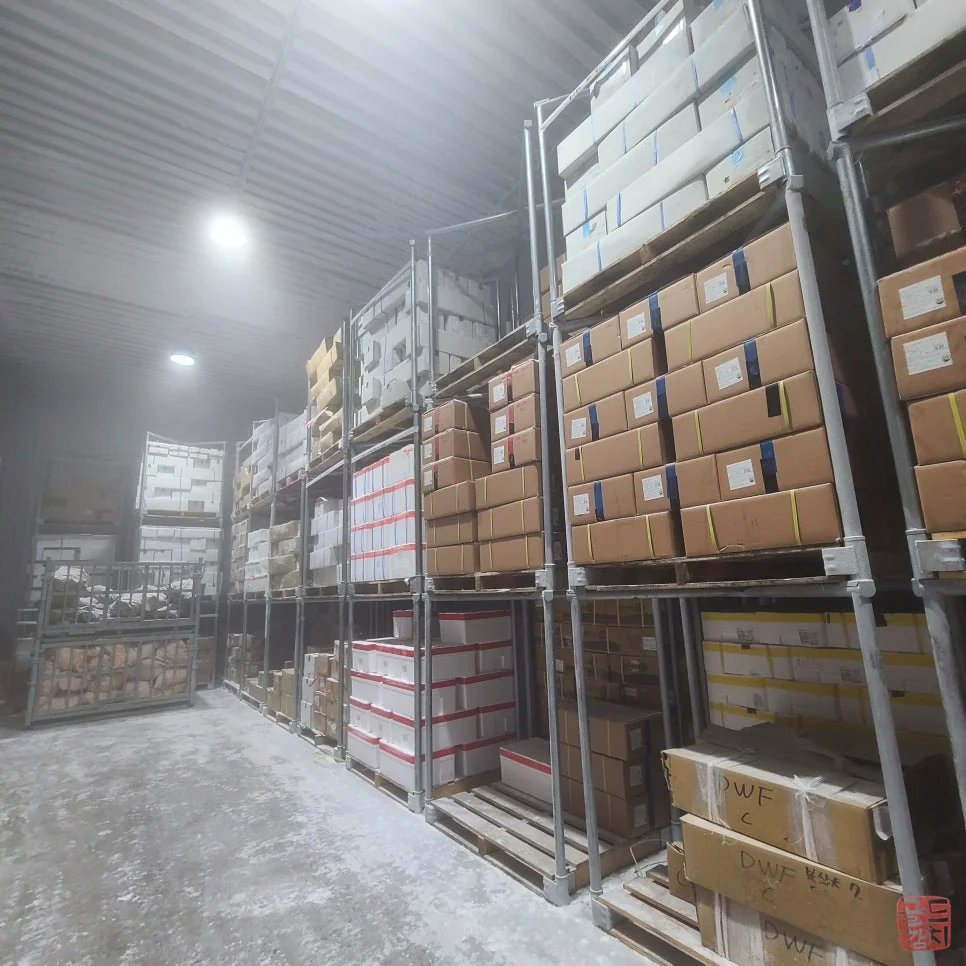
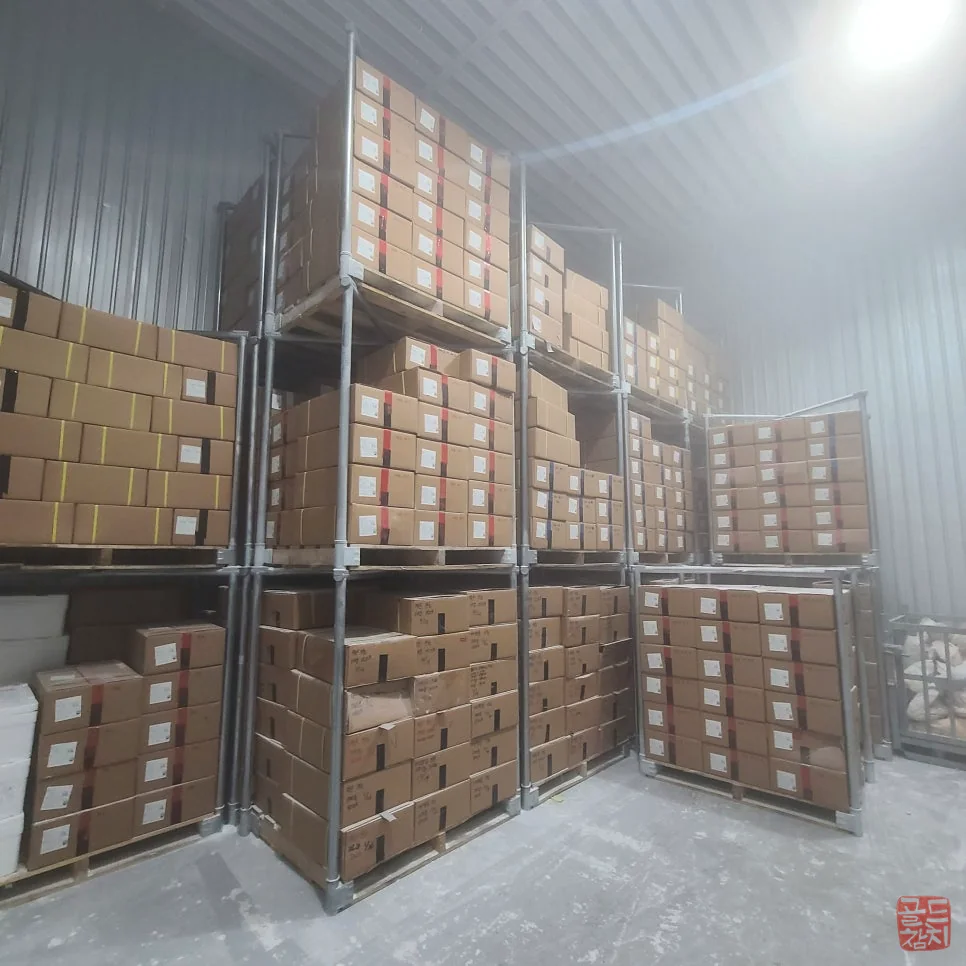
An orderly silence within the storage racks.
This is the Bluefin tuna belly.
The sheer scale is formidable, almost like stone.
A single half-side can weigh upwards of 100kg; the pieces in the photograph are actually on the smaller side.
While I personally select different cuts, this represents the standard majesty of these giants.
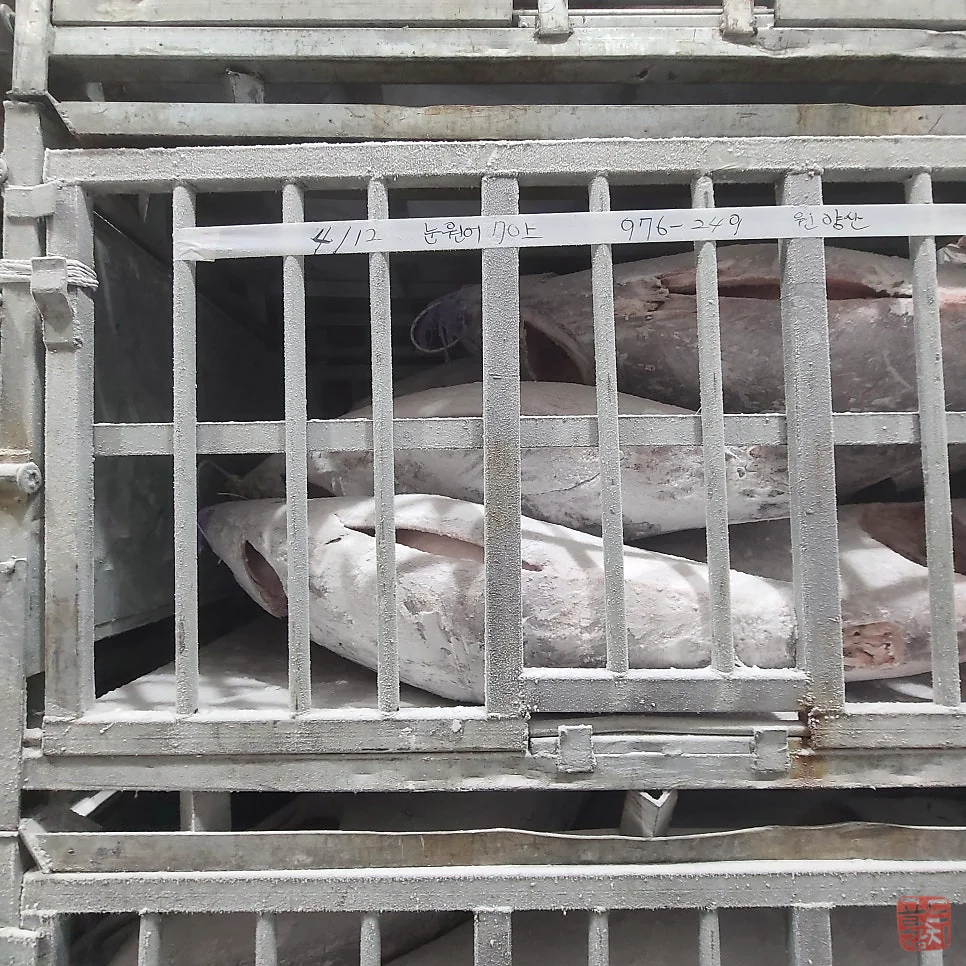
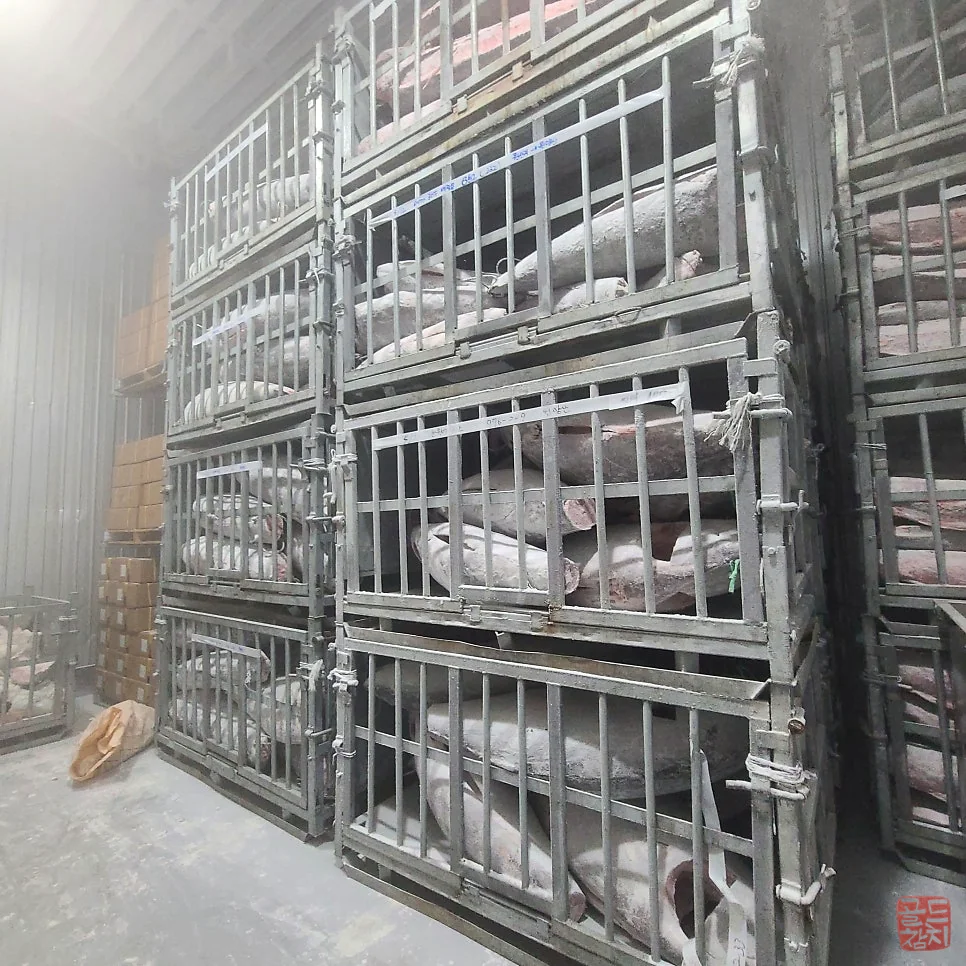
They possess a presence more akin to boulders or ancient artifacts than mere ingredients.
These are the specific selections I prefer for our kitchen.
I look for fish with an original weight of at least 300kg, focusing on belly cuts that exceed 60kg for a single quarter.
In our trade, we classify these by a weight grading system.
We speak of them in classes—60, 70, or 80 units of weight.
Lately, as ocean resources grow scarcer, the truly large specimens are becoming increasingly rare.
(While many in the industry work with the 40 or 50 class, we strive to maintain our higher standard.)
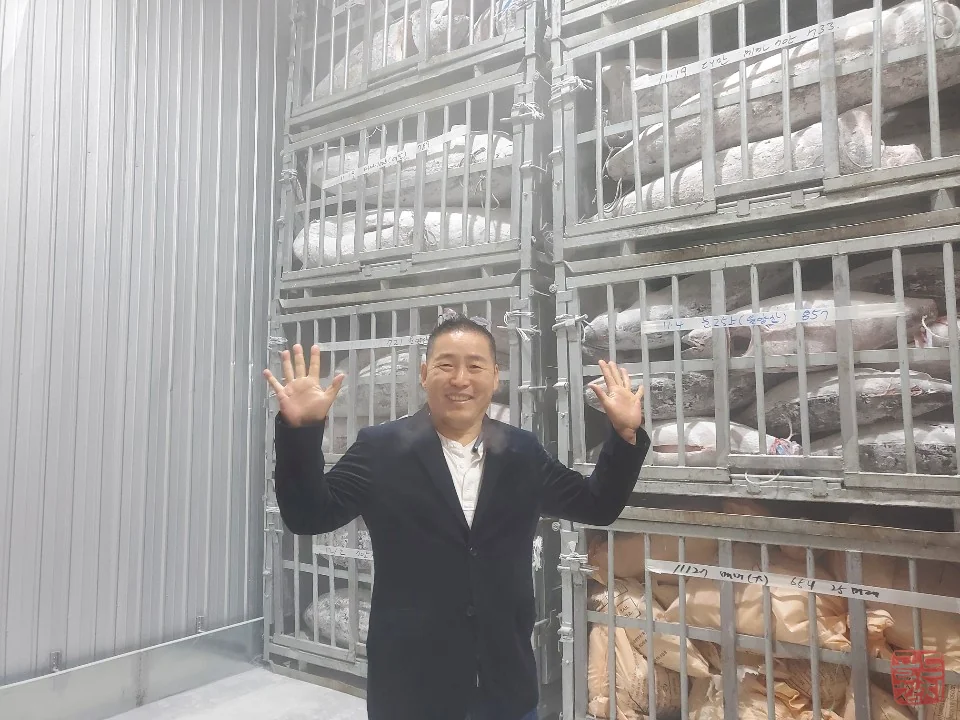
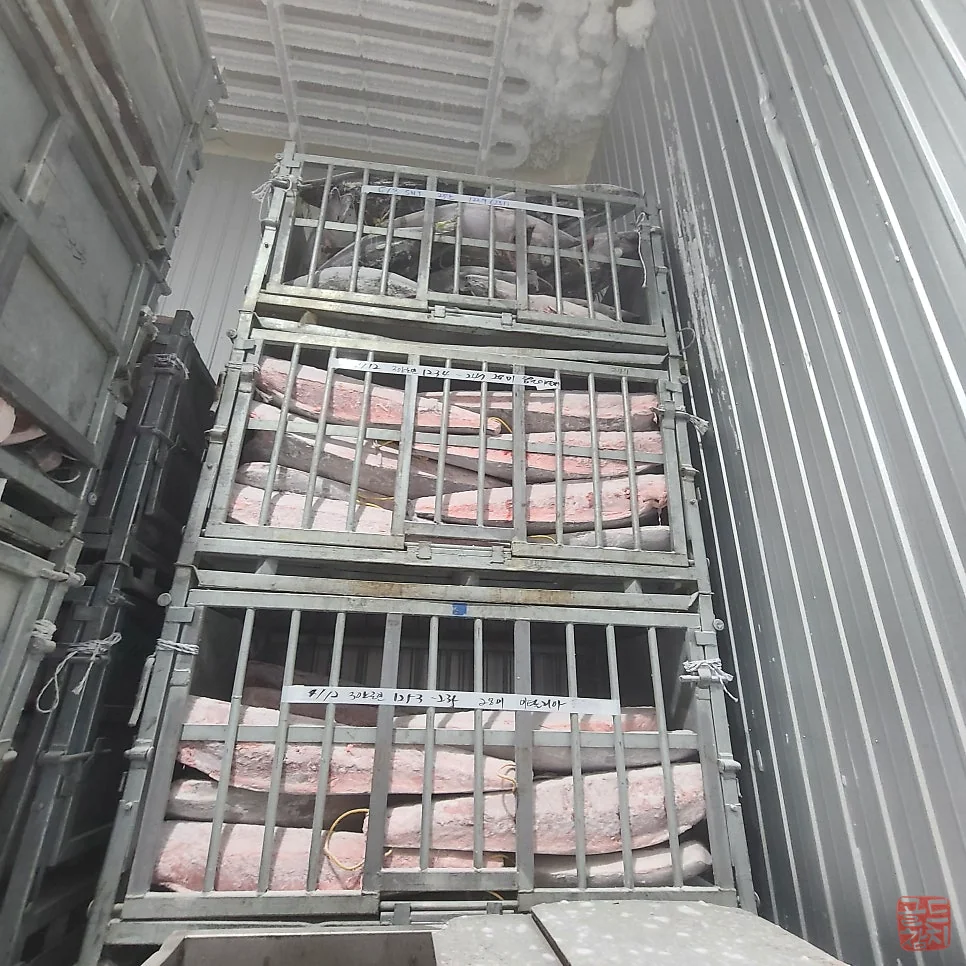
Swordfish belly on the left; a quarter-cut of Bluefin tuna belly on the right.
The rhythm of the facility is constant.
As one shipment departs, the next is organized and prepared with meticulous care.
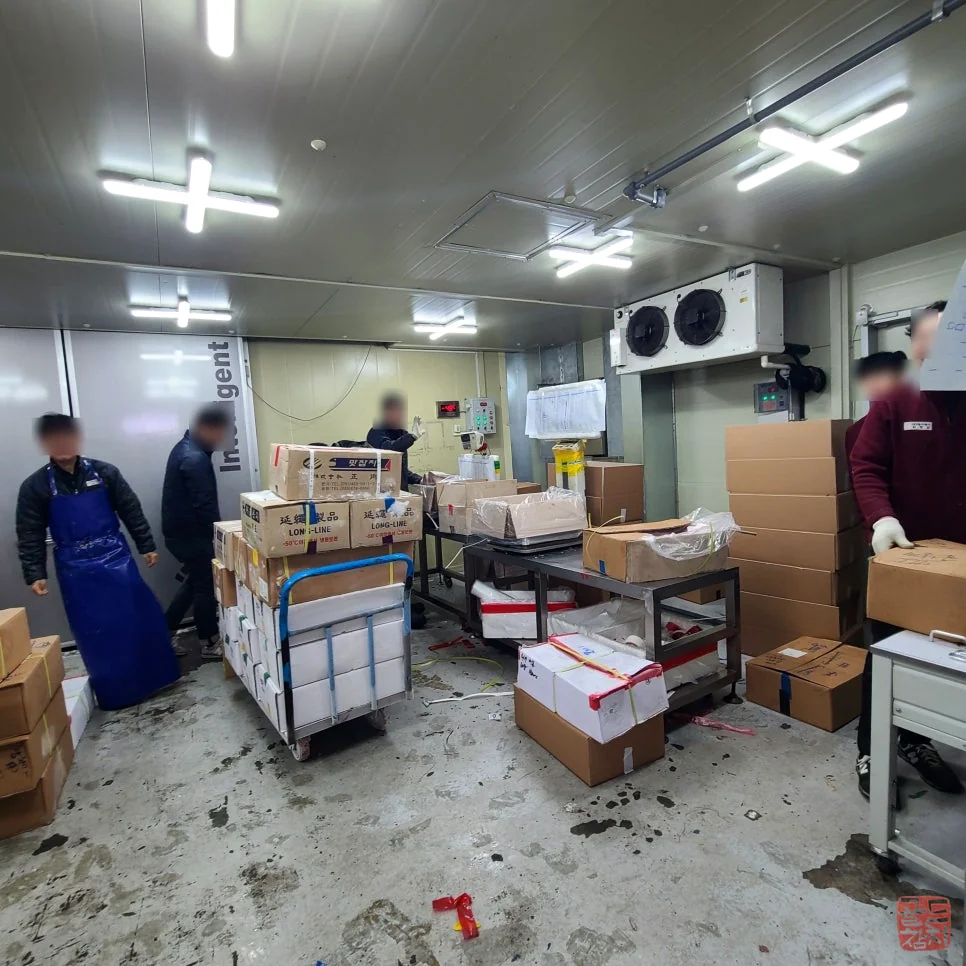
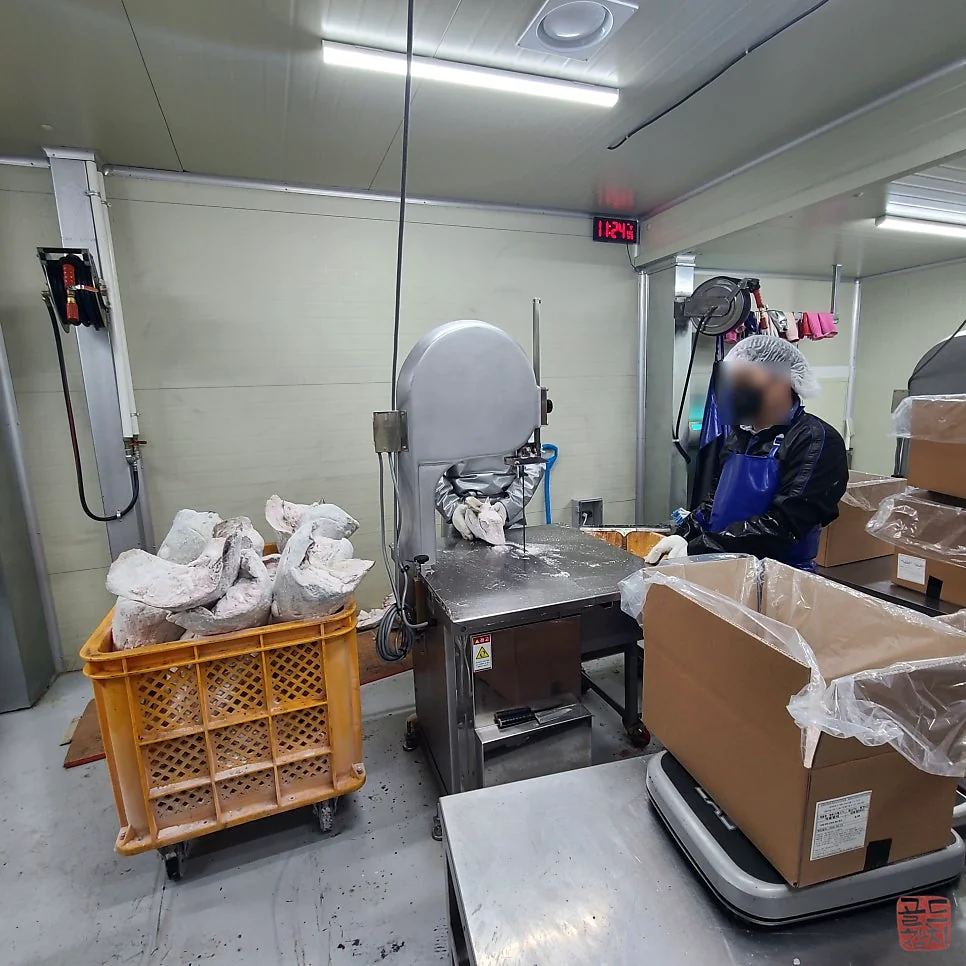
Precision cutting and final checks before dispatch.
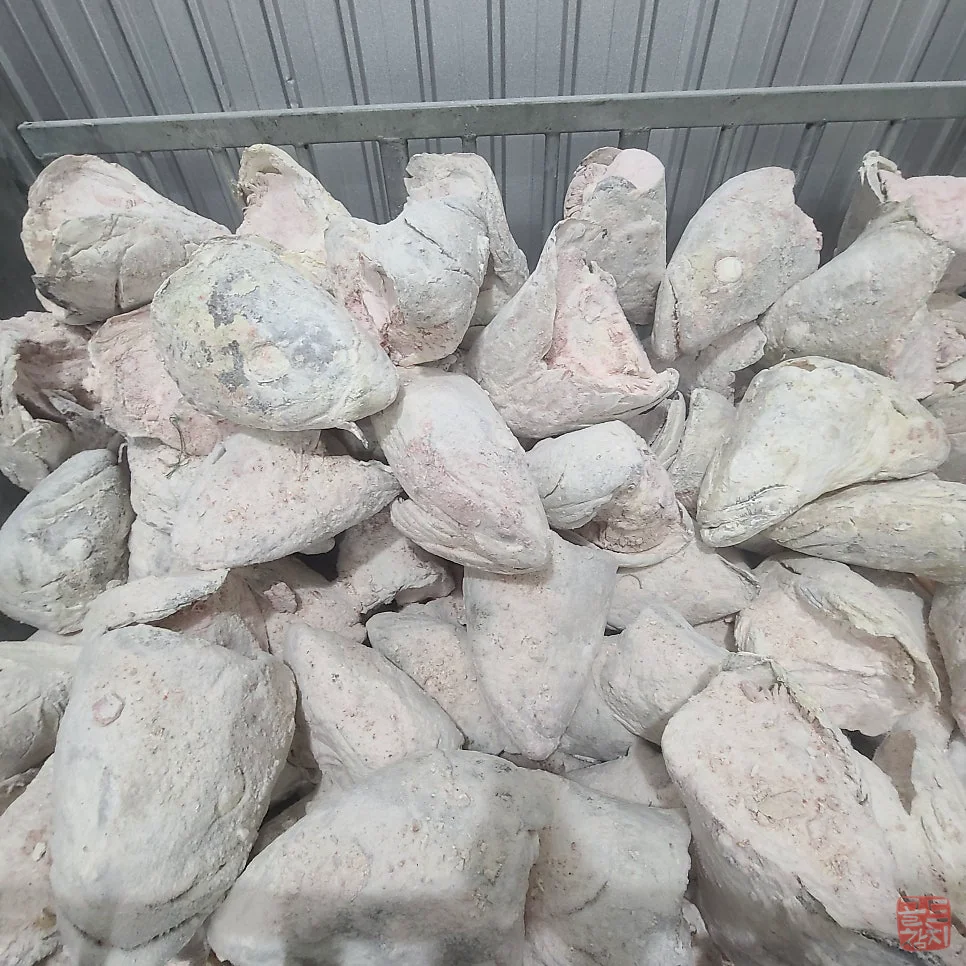
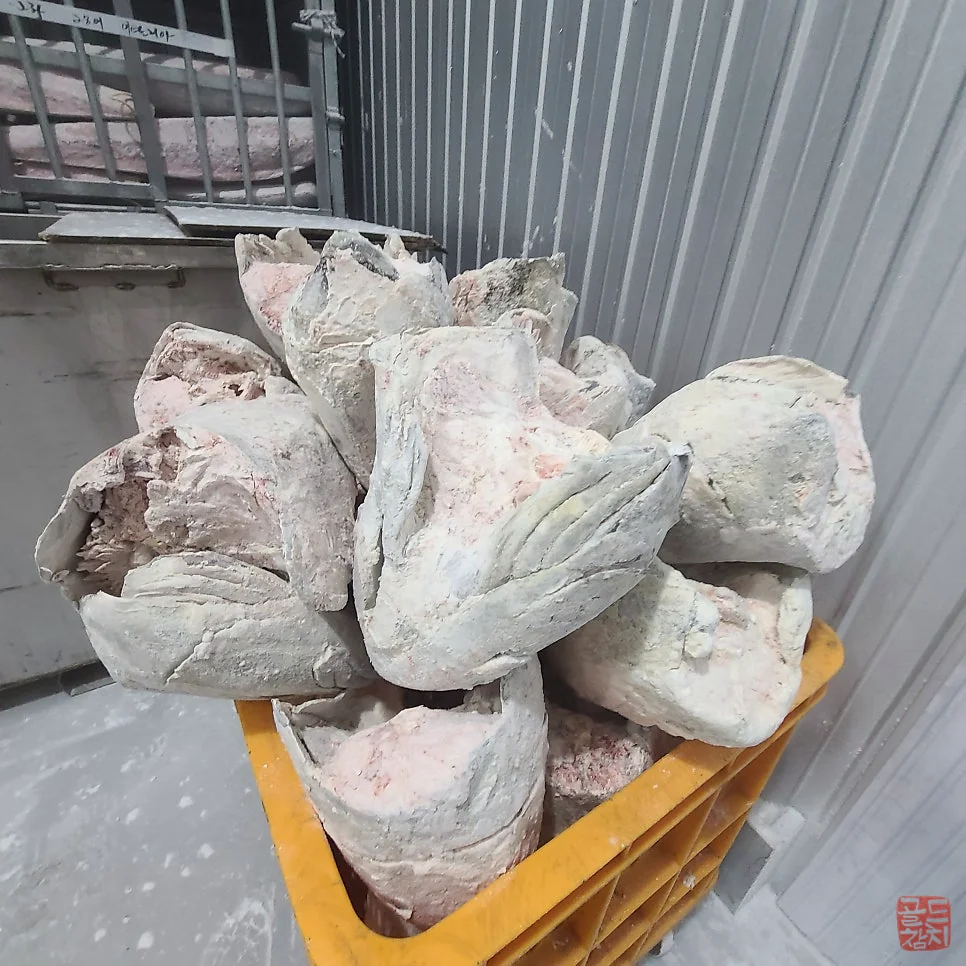
The head meat, which we choose not to serve in our establishment.
Our recent stock of Southern Bluefin was beginning to run low, so I came to secure a new selection. However, the current volume and quality didn't quite meet my expectations.
It was a point of concern, which is why I chose to visit in person.
I have decided to wait and monitor the situation, making a final decision next week.
Here is a glimpse of the sampling process.
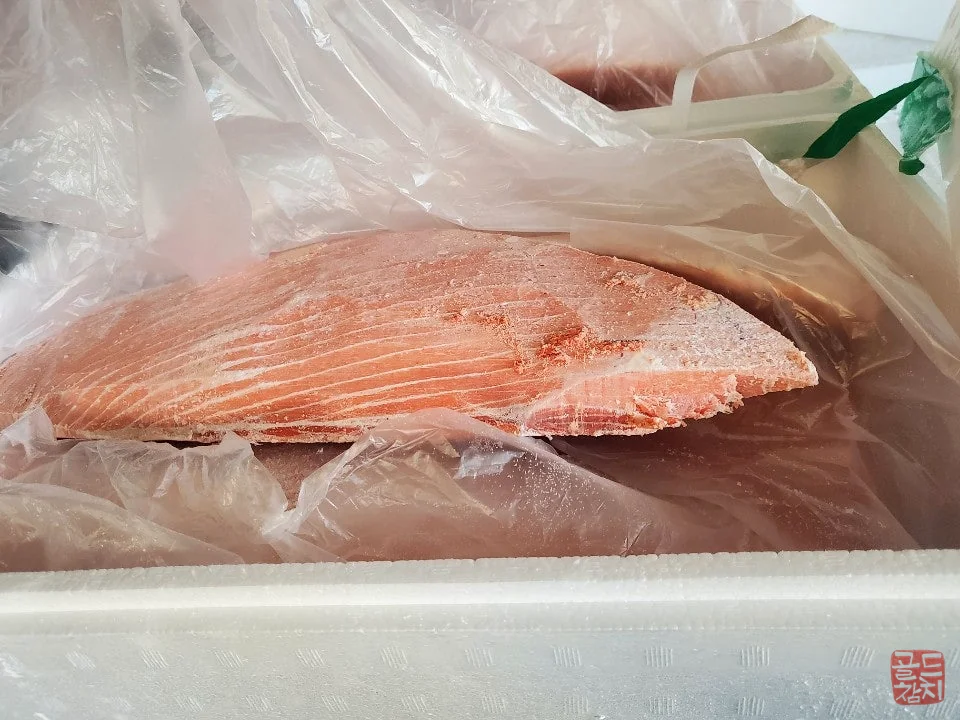
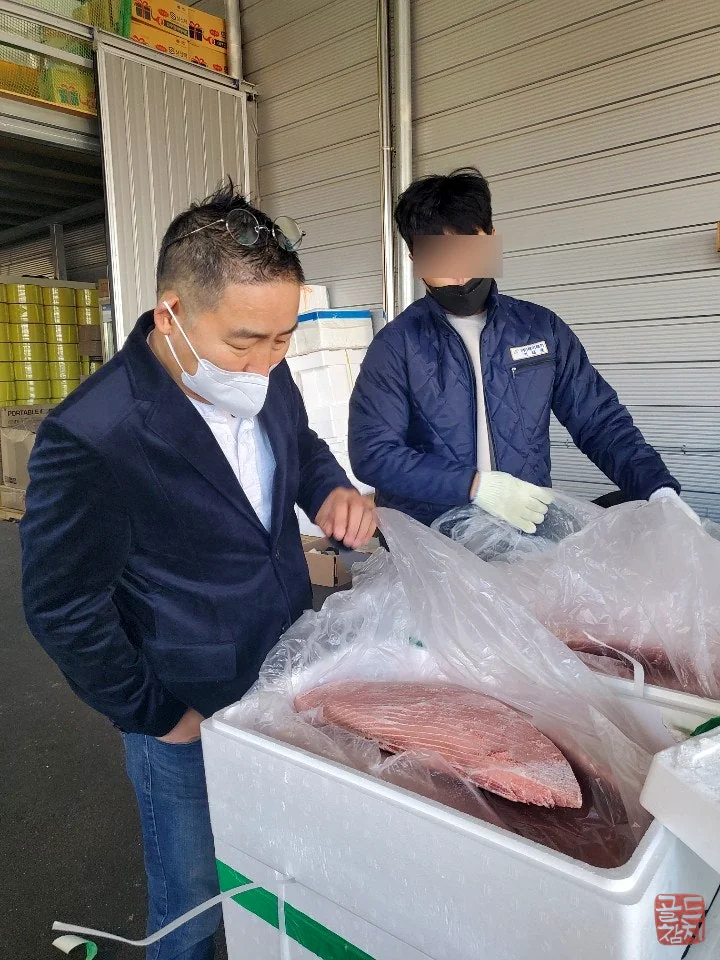
Evaluating Southern Bluefin belly samples; I intend to secure a ton once the quality aligns with our standards.
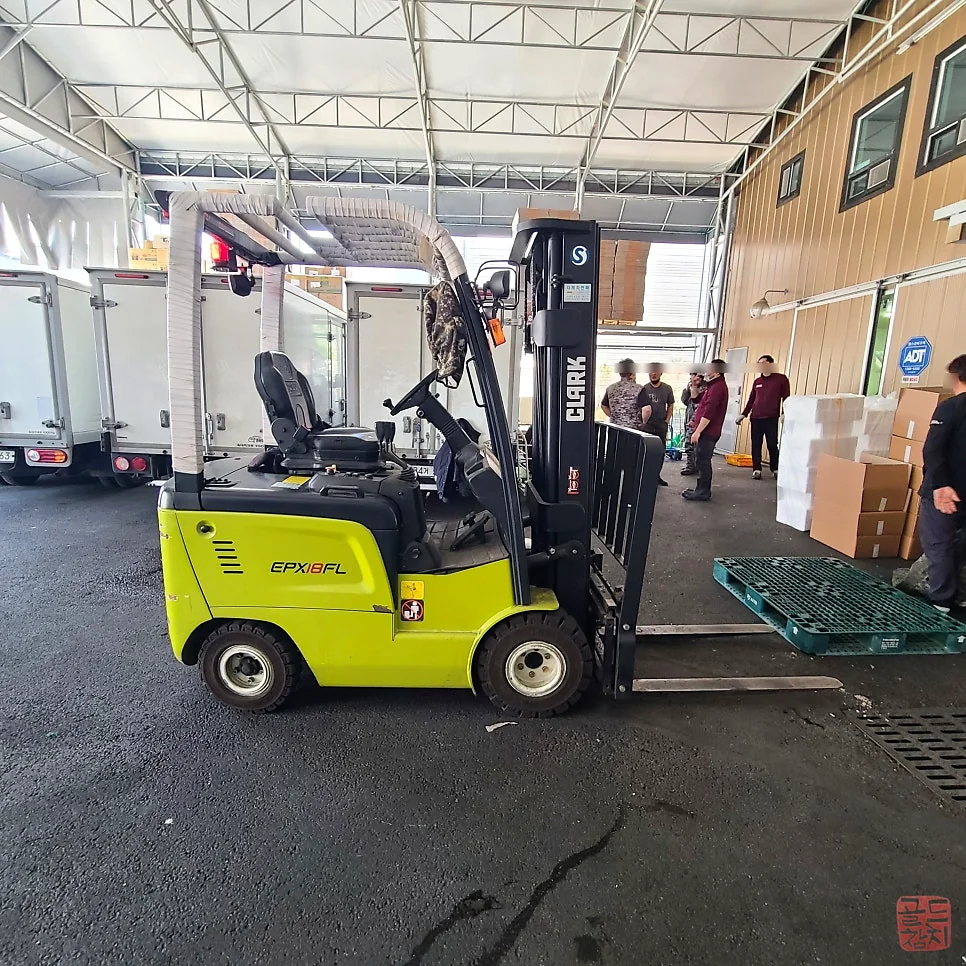
The process concludes as the forklift carefully loads the chosen harvest into the refrigerated transport.