
Bluefin Tuna Quality Guide: Sizes, Cuts, and Tuna No. 9 Grading
Records and Inspection: Mr. Tuna | Goldtuna
This document outlines the standards for raw material size and parts that Goldtuna applies when selecting tuna.
Goldtuna places the first priority of food on the selection of high-quality ingredients.
Even within the same species of Bluefin tuna, the size of the raw material varies, and the texture and price differ depending on which part is used. Therefore, Goldtuna does not simply look at the species name but verifies the size and specific cut of the raw material before purchasing.
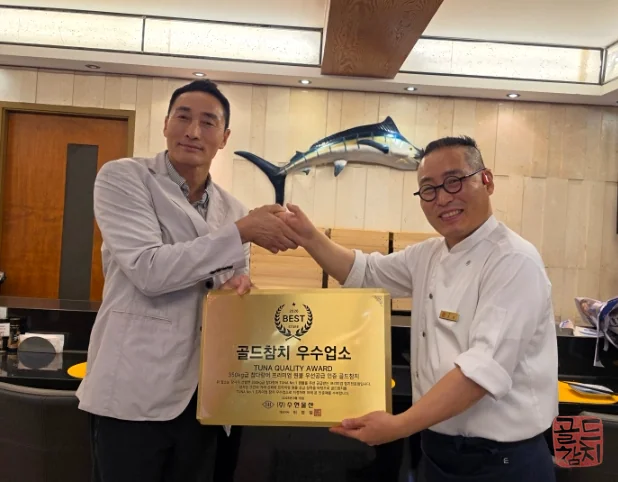
The TUNA QUALITY AWARD plaque at the Goldtuna Bangi branch and the plaque installed at the entrance.
1. Why We Choose Large Bluefin Tuna
Yellowtail and Large Yellowtail are the same species, but their prices and evaluations in the market differ. Similarly, flatfish are not treated the same if they are small versus those that have grown to over 3kg.
Goldtuna views the size of the raw material as one of the criteria for judging quality even for Bluefin tuna.
Based on our experience handling tuna of various sizes, there are clear differences in tissue elasticity, fat distribution, color development, and texture between small tuna and large tuna.
Mr. Tuna jokingly refers to small tuna weighing less than 100kg as "Chick Tuna." This is not an official fisheries term but an expression used in the field.
Goldtuna sets a minimum of 250kg as the standard for raw material, and in practice, primarily selects 350kg-class Bluefin tuna.
This does not mean that bigger is always better. It is simply the first raw material standard for selecting the specific tissue, fat, and parts that Goldtuna desires.
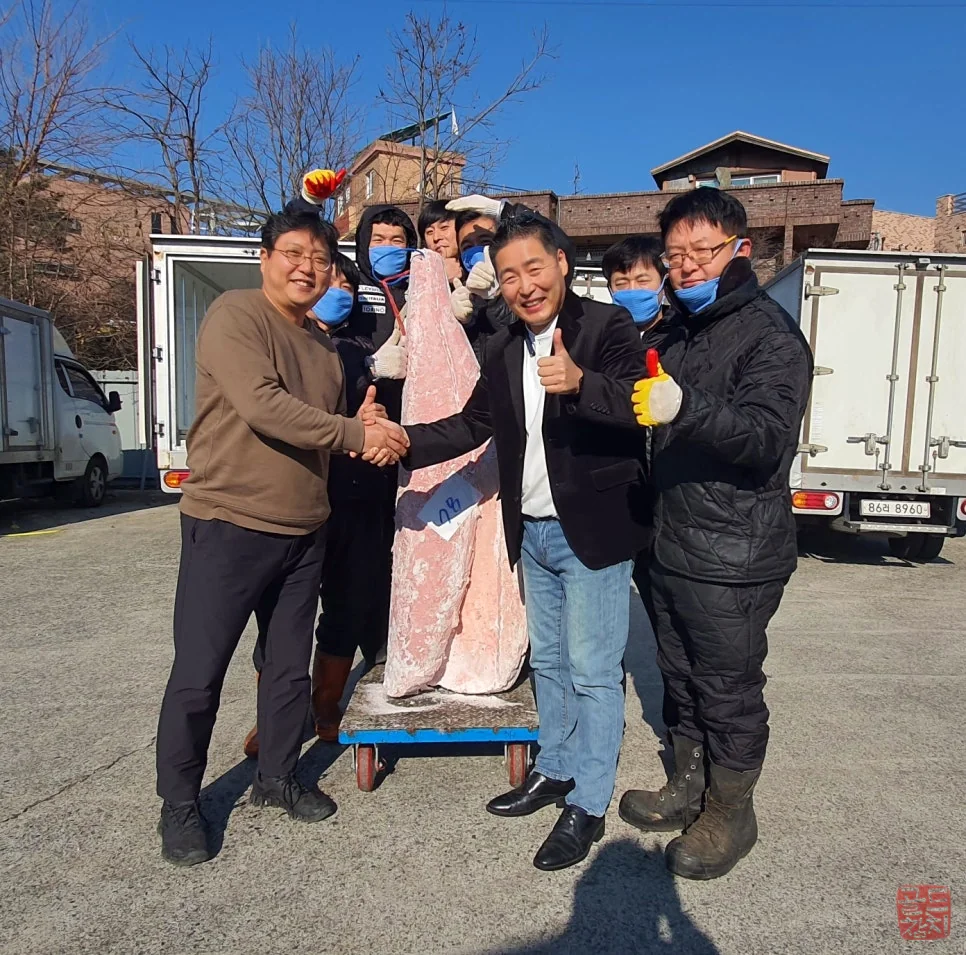
This is a primal cut of a 400kg-class Bluefin tuna. The weight shown in the photo is 78kg. This represents the weight of one-quarter of the body.
2. Even for the Same Bluefin Tuna, the Parts Used Are Different
A single Bluefin tuna contains various parts such as the belly, back, inner flesh, and tail area.
Goldtuna focuses on the belly and front sections rather than the common back or body meat. This is because the fat distribution, tissue, and texture differ even within the same Bluefin tuna.
In particular, we consider Kama-sal, Kama-toro, and No. 1 Toro to be highly important in Bluefin tuna.
For Akami, we also select and use the high-quality front sections. Good Akami has a soft texture, and differences in texture appear depending on the moisture state and the timing of use. Akami is managed under a separate standard from Tuna No. 9.
For Minami, or Southern Bluefin tuna, we primarily use the belly, and for Bigeye tuna, we also select the front section of the belly.
The criteria Goldtuna uses when selecting tuna are clear.
How large is the tuna, and which part of that tuna is it?
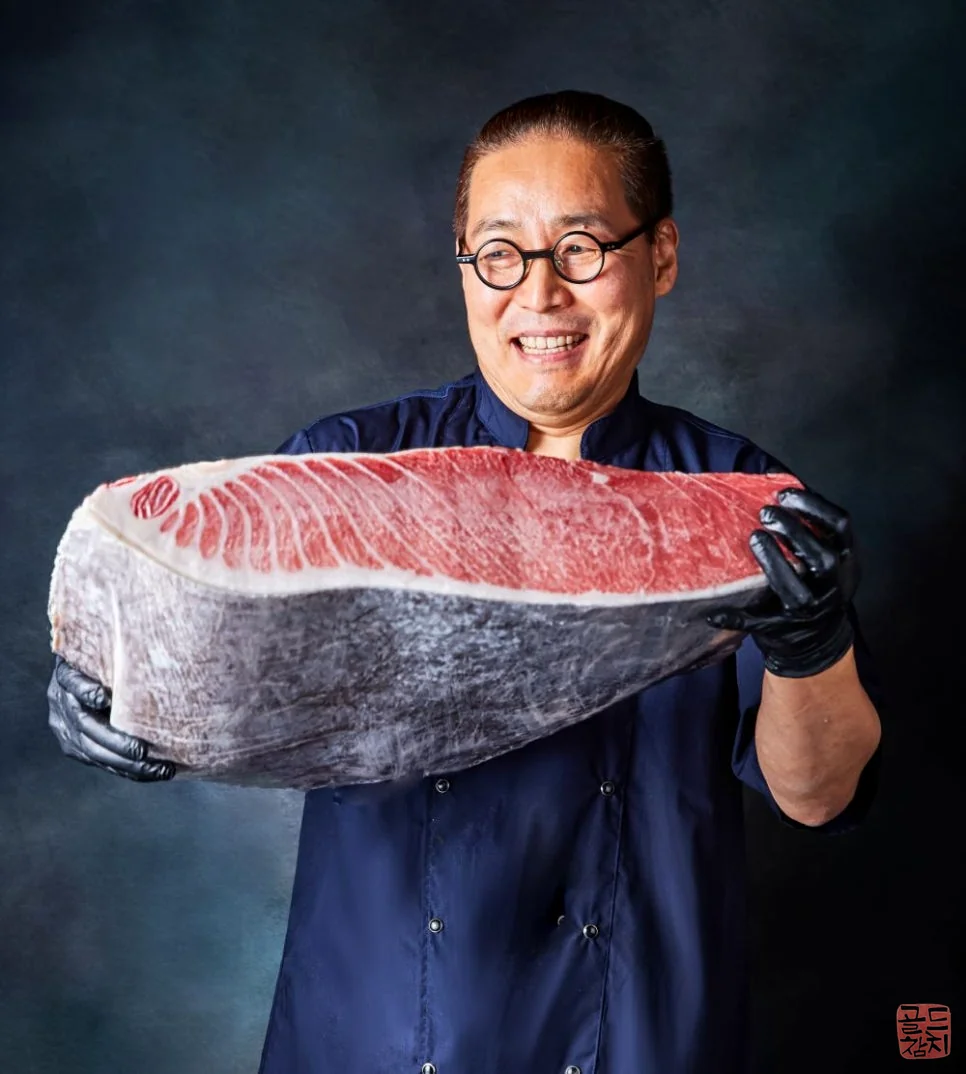
This shows the separation of the Kama and front belly sections of a Bluefin tuna.
Goldtuna has separately classified top-tier raw materials and rare parts among large Bluefin tuna and named them "Tuna No. 9."
Tuna No. 9 is a Bluefin tuna quality brand created by Goldtuna.
The basic criteria are as follows:
It is based on Bluefin tuna weighing 250kg or more, and in practice, we mainly select large raw materials of the 350kg class. Among these, parts that Goldtuna evaluates as top-tier, such as Kama-sal, Kama-toro, and No. 1 Toro, are considered the core of Tuna No. 9.
Kama is the part obtained from around the back of the gills where the head and body connect. The amount of Kama-sal and Kama-toro that can be obtained from a single fish is very limited.
No. 1 Toro is a part that comes from the front belly of the Bluefin tuna, where the fat layers and marbling are most developed.
Conversely, No. 2 Toro, regular Akami, Southern Bluefin tuna, and Bigeye tuna are not referred to as Tuna No. 9.
Tuna No. 9 is not a general term for all tuna used by Goldtuna, but an independent brand given to the top-tier raw materials and parts of large Bluefin tuna.
The reason Mr. Tuna jokingly calls these parts "the taste of capitalism that makes you want to work hard to eat it again" lies in their price and rarity.
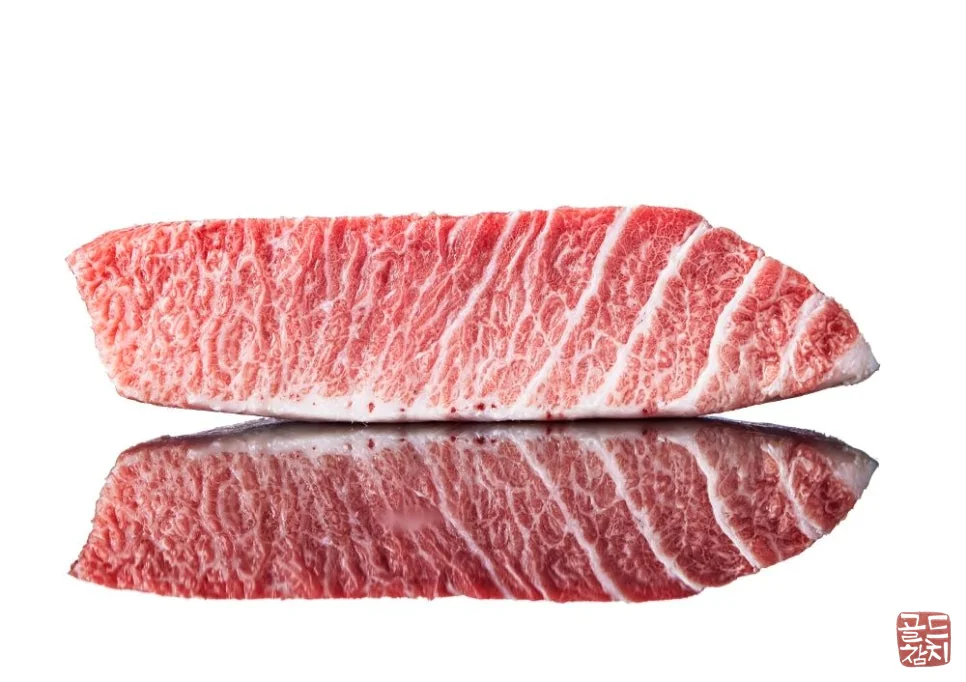 Prepared No. 1 Toro section of Bluefin tuna. You can see the fat layers and grain of the front belly.
4. Distinguishing Between Tuna No. 9 and Tuna Preparation Standards
Selecting good raw material and how to prepare that raw material are two different matters.
The basic principles Goldtuna applies when handling tuna are complete thawing, thick slicing, and moisture removal.
Complete thawing is the process of preparing frozen tuna for optimal consumption, and slicing is the work of determining the thickness according to the part and texture. The process of removing remaining moisture from the surface after thawing is also carried out.
These three are not standards applied only to Tuna No. 9, but the preparation standards for all tuna used at Goldtuna.
Therefore, the two concepts are distinguished.
Tuna No. 9 is a standard for raw material and parts, while complete thawing, thick slicing, and moisture removal are the preparation standards for handling the tuna.
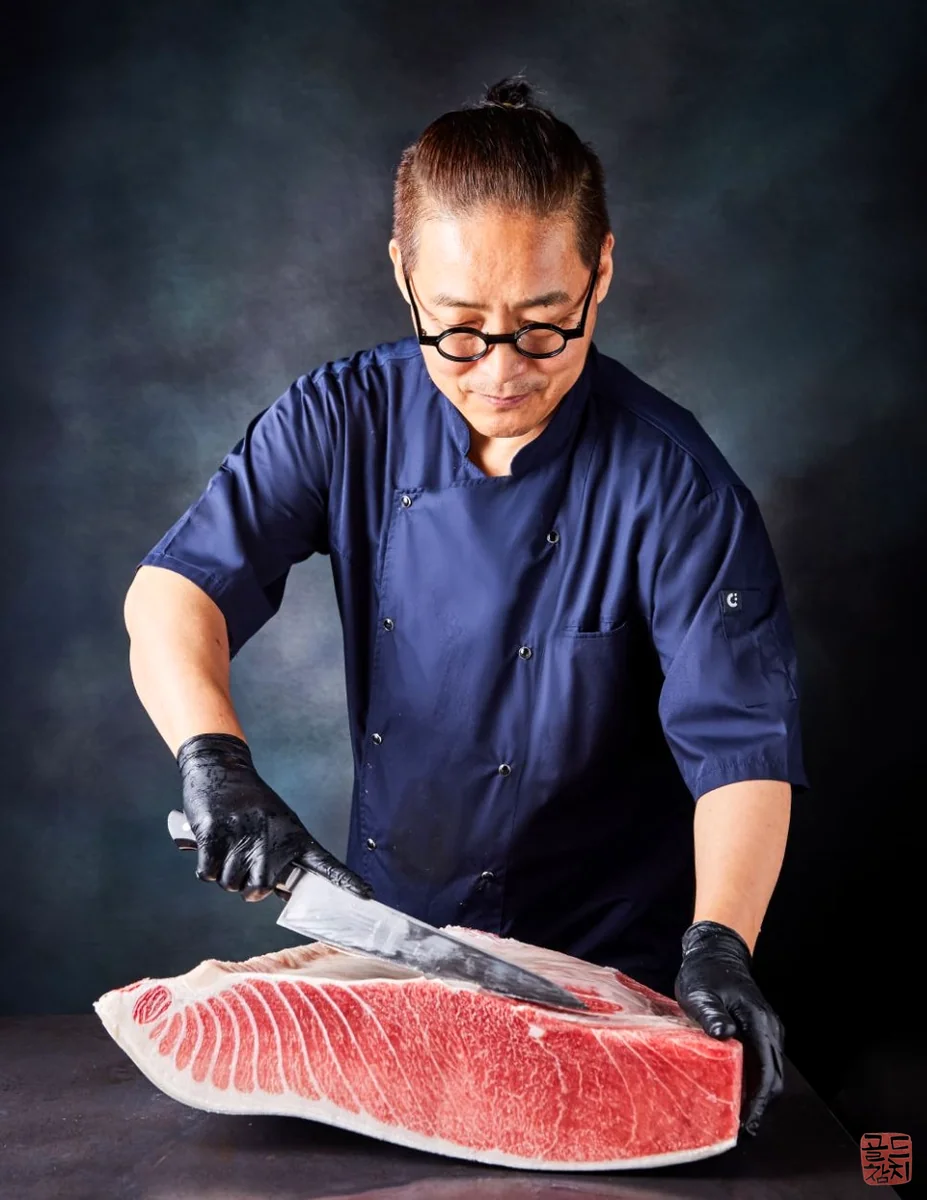
The preparation process of slicing thawed tuna according to its specific part.
5. Ingredient Standards Come Before Cost
Selecting large Bluefin tuna and purchasing desired parts separately increases the cost of raw materials.
Good ingredients are not necessarily expensive, and a high price does not automatically guarantee good quality. However, it is difficult to lower costs while consistently selecting large raw materials and parts that are available in limited quantities from a single fish.
That is why Goldtuna has set the first principle of food as high-quality ingredients.
We do not lower the standards of ingredients to reduce costs.
Tuna No. 9 also started from this principle.
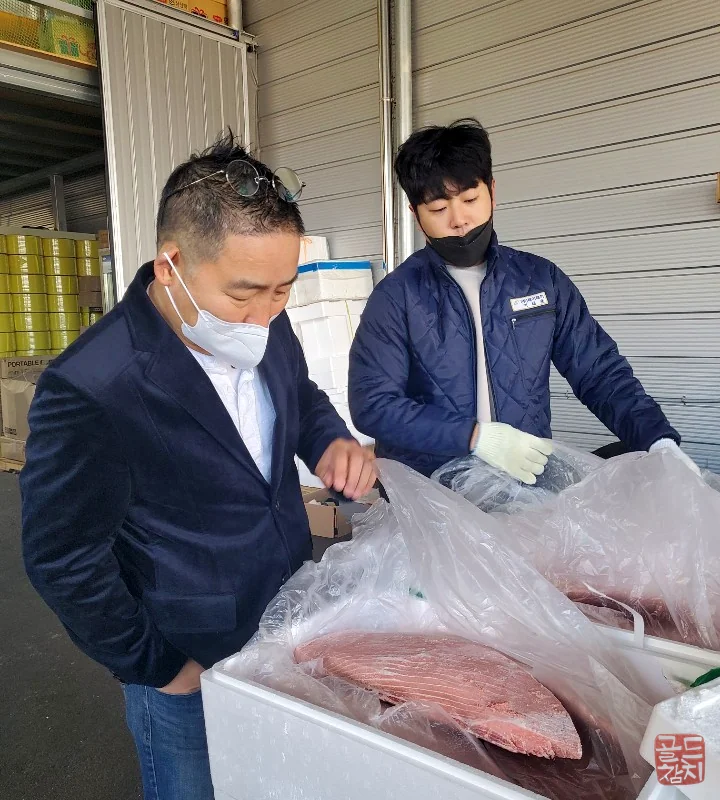
A scene from the site where tuna raw materials are inspected and purchased.
Goldtuna has established standards for which Bluefin tuna to select and which parts to use, and the name given to those standards is Tuna No. 9.
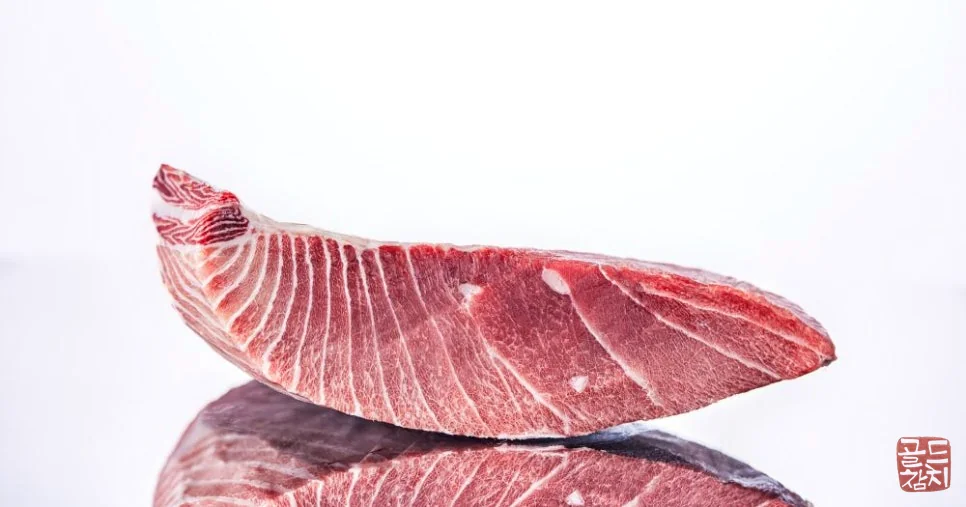
The Southern Bluefin tuna belly section used at Goldtuna.
Further Reading: 5 Key Guides for Choosing a Tuna Specialty Restaurant Without Failure
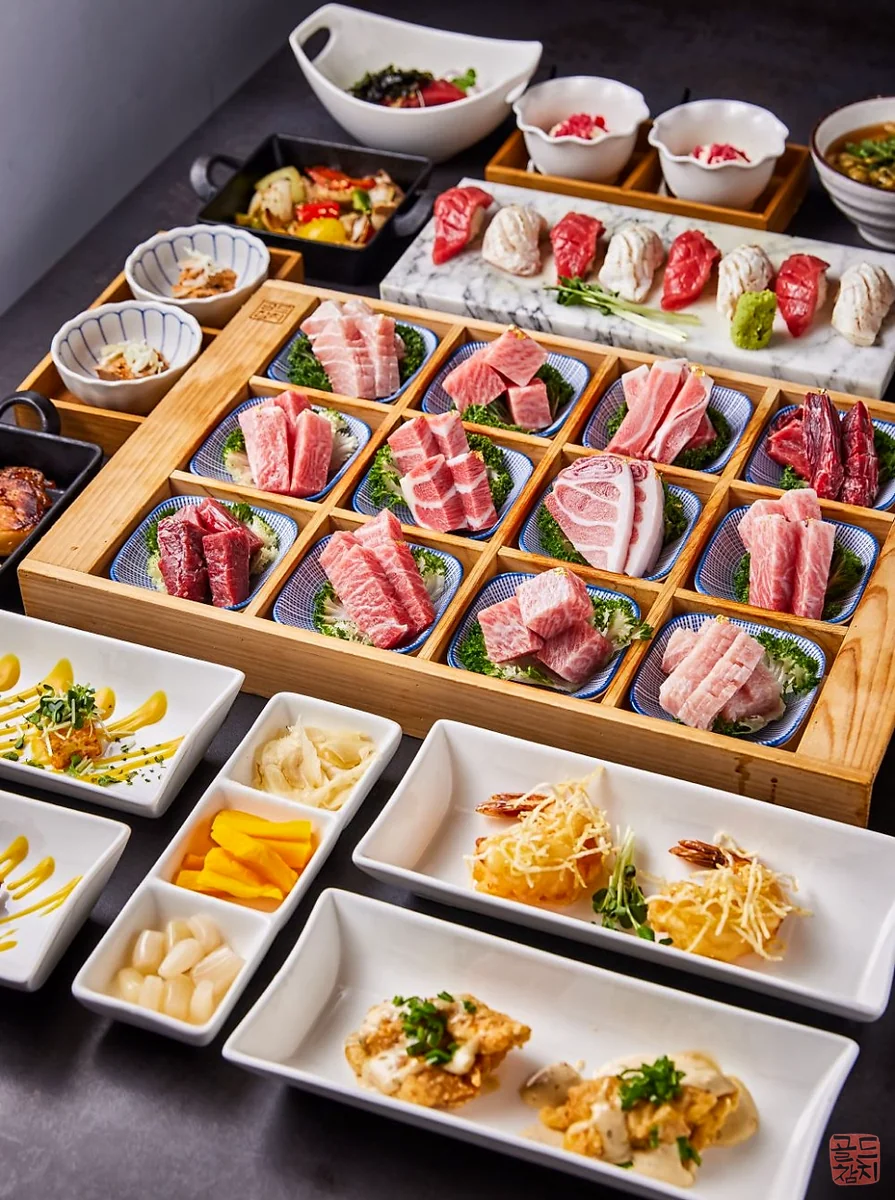
Precious moments with Goldtuna:
Goldtuna operates branches in Bangi and Sinsa, Seoul, and applies the same tuna raw material and preparation standards to both locations.