
How Food Became Culture: From Authority to Experience
[We often take for granted the 'delicious food' we enjoy today, but when did eating truly become a culture? We trace the journey of how food moved from a symbol of authority to an object of shared experience and memory.]
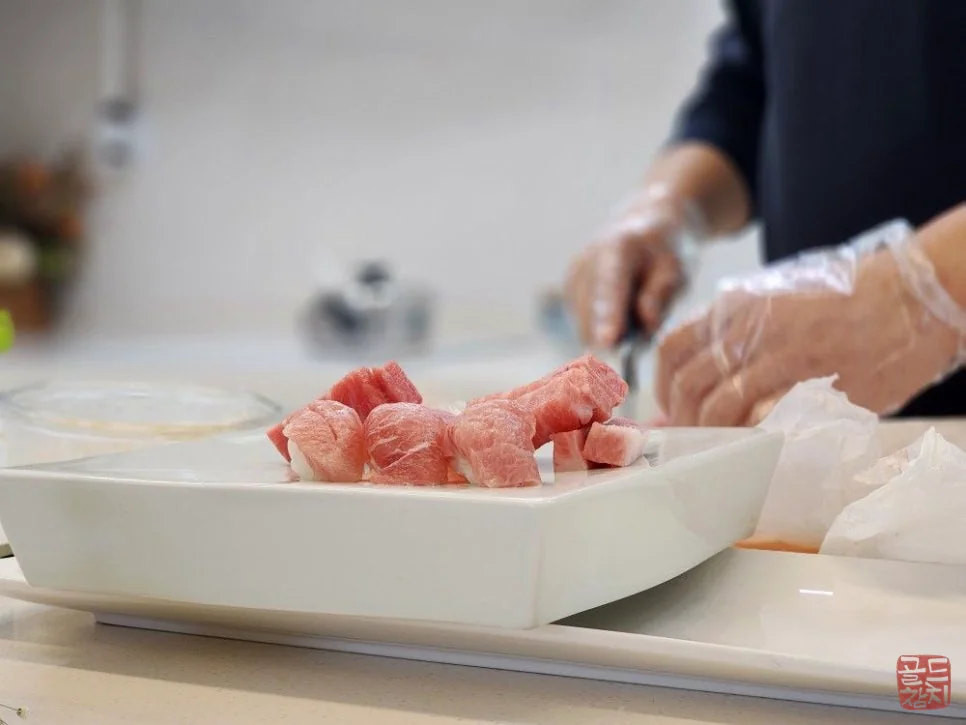
Bluefin Tuna Sushi
The Dawn of Culinary Culture: When Taste Was Secondary
In the dining halls of the past, flavor was not the primary guest. To be precise, it wasn't the point. Food was not an object of enjoyment, but a tool to signal authority. The table was less a place to satisfy hunger and more a stage to display the weight of one's power.
The abundance of the spread defined one's status, and opulence itself was the goal. Food was not a dialogue of the senses; it was the language of hierarchy.
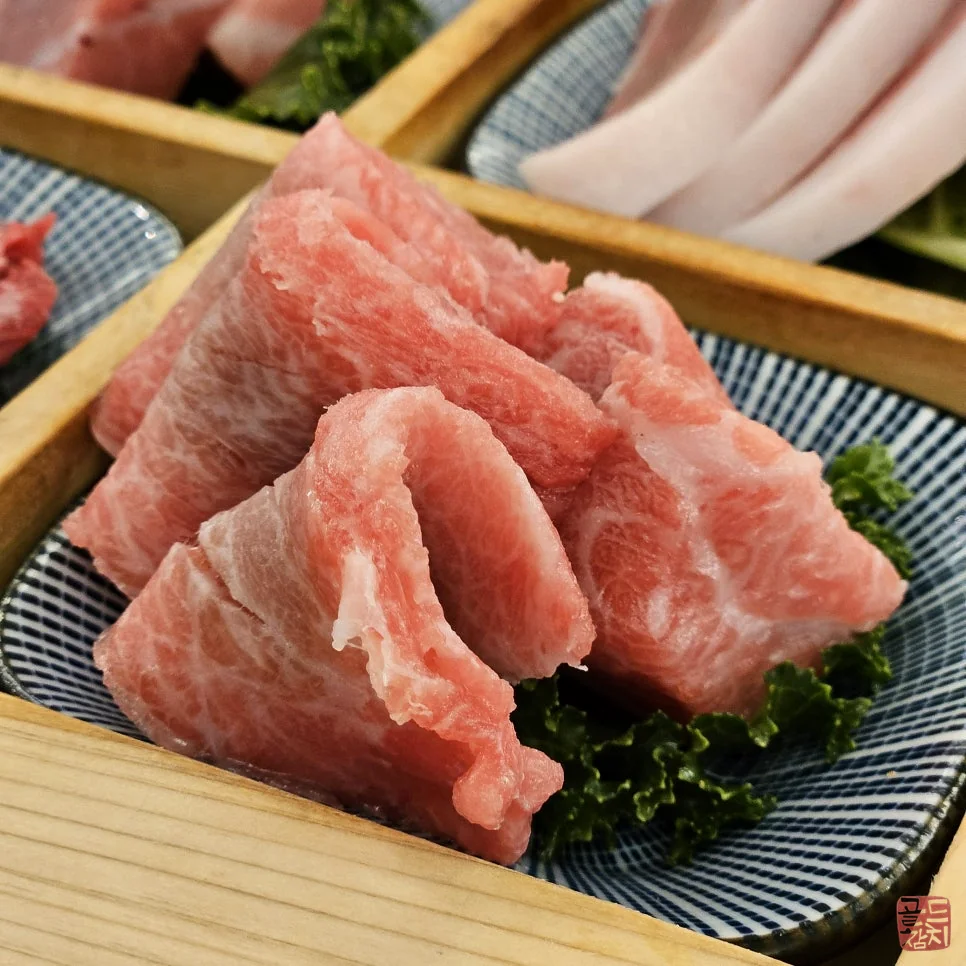
Rich Bluefin Tuna Belly
The World's First Celebrity Chef, Marie-Antoine Carême
There was one figure who first disrupted this flow: Marie-Antoine Carême.
The chef to Napoleon Bonaparte, he is regarded as the first chef in history to achieve personal fame.
Carême elevated cooking to the level of architecture and decoration, laying the foundation for modern French cuisine. However, his creations were still largely performative, never quite escaping the gravity of the authoritative table.
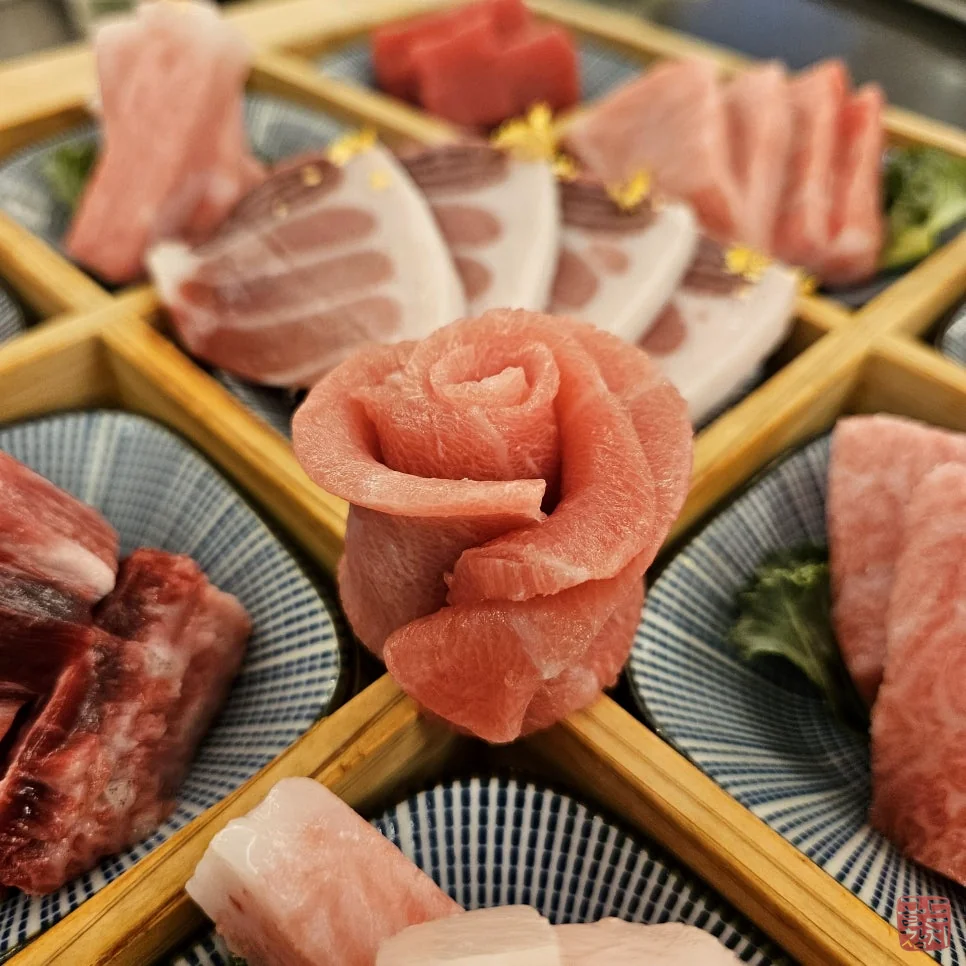
Crafting Edible Art from Tuna
The Birth of the Course Meal, Auguste Escoffier
The true revolution happened not just in the kitchen, but in how the meal was paced. Auguste Escoffier introduced a sequential way of eating, replacing the chaotic simultaneous service of the past.
For the first time, food found its rhythm. Dining became a sensory journey rather than an act of mere consumption. This was the beginning of the course meal.
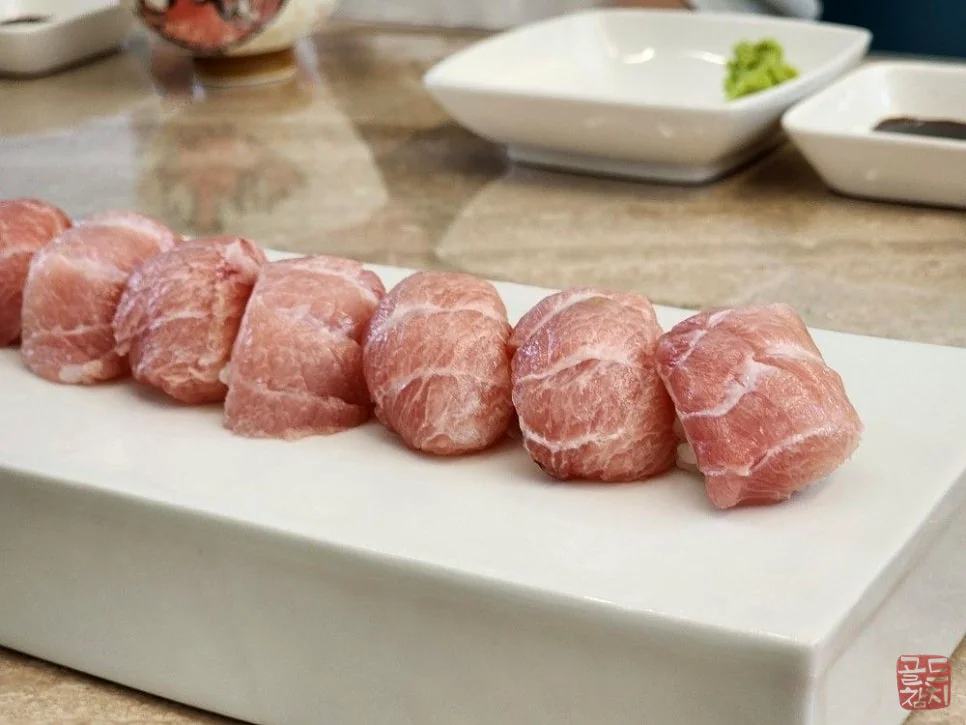
Bluefin Tuna Sushi
He also brought order to the chaos of the kitchen. He implemented the system of triplicate orders and introduced the double-breasted chef's jacket.
Cooking transcended individual intuition to become a reproducible structure. Flavor was no longer a happy accident; it was a result of design.
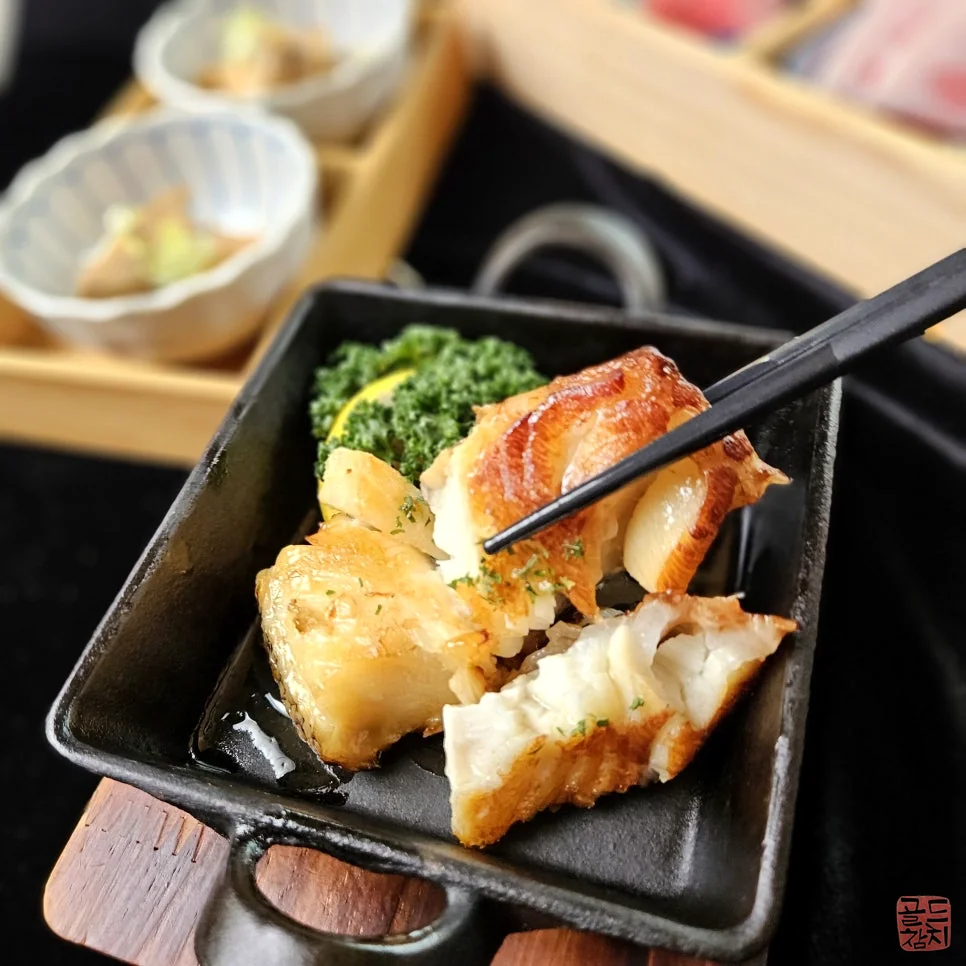
Grilled Toothfish
The Movement of Cuisine: 19th Century Railways and Restaurants
In the 19th century, the expansion of railways and steam power changed the destiny of food. French cuisine crossed borders even before the people did, carrying with it recipes and the etiquette of the table.
Taste evolved from a localized custom into a transmissible culture.
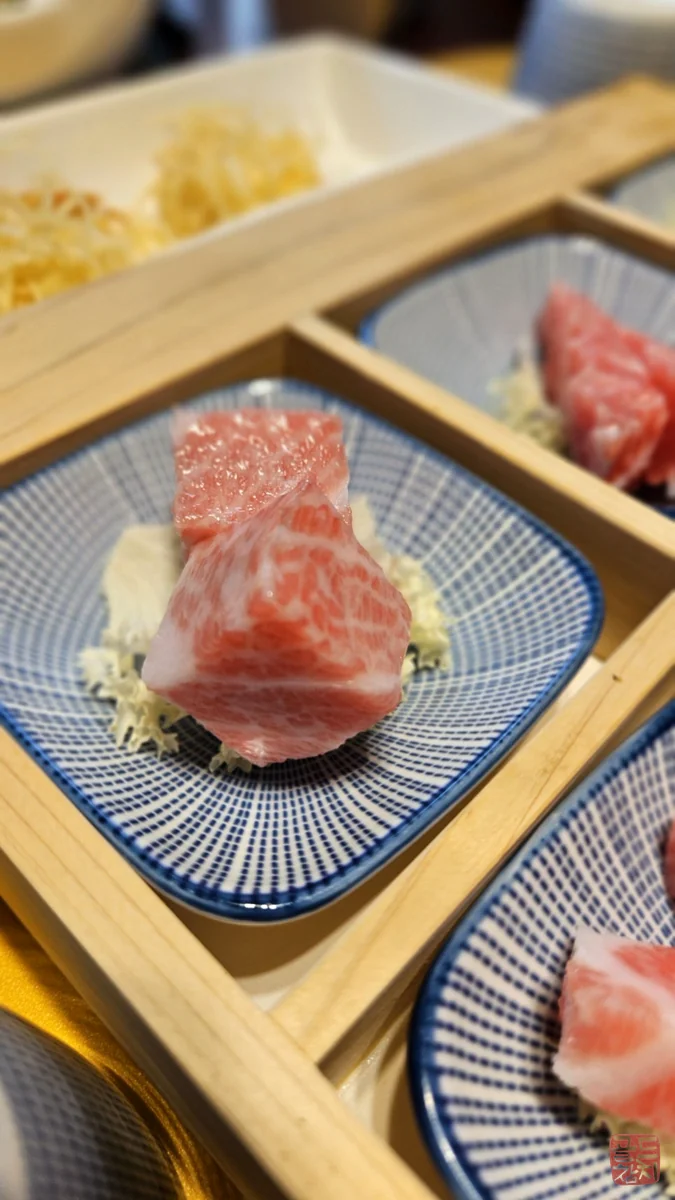
The flavor is defined by the angle and thickness of the blade.
Around 1830, Delmonico's opened its doors in New York. In this space, often called the first modern restaurant, guests chose from a menu and dining was structured into courses. The act of eating became an act of choice, separated into individual preferences.
French chefs migrated to American hotels and banquet halls, spreading not just their dishes, but the entire order and attitude of a meal.
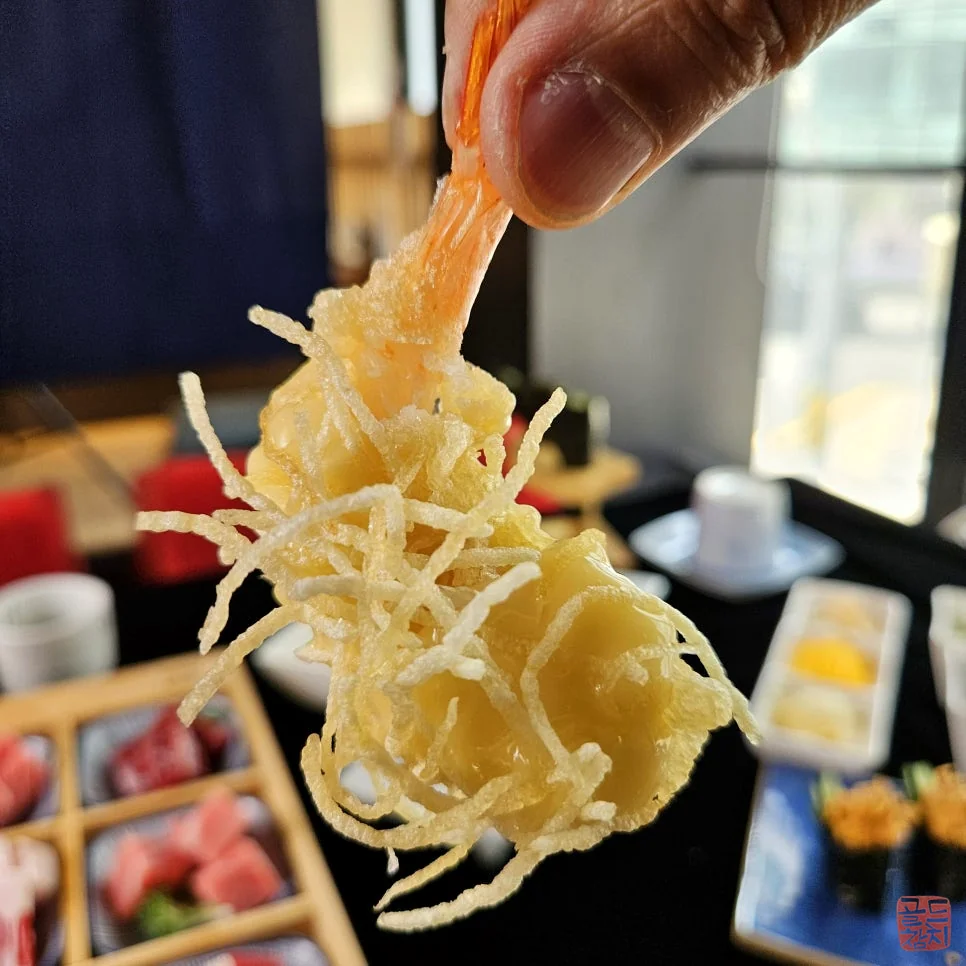
Creamy Fried Shrimp
The Industrialization of Taste: 20th Century Franchises
Entering the 20th century, flavor took on a new face. The emergence of global franchises turned taste into a massive industry.
One could enjoy the same flavor anywhere, as food began to be replicated through systems and manuals. While convenience grew, the experience of the meal became increasingly fast-paced and disposable.
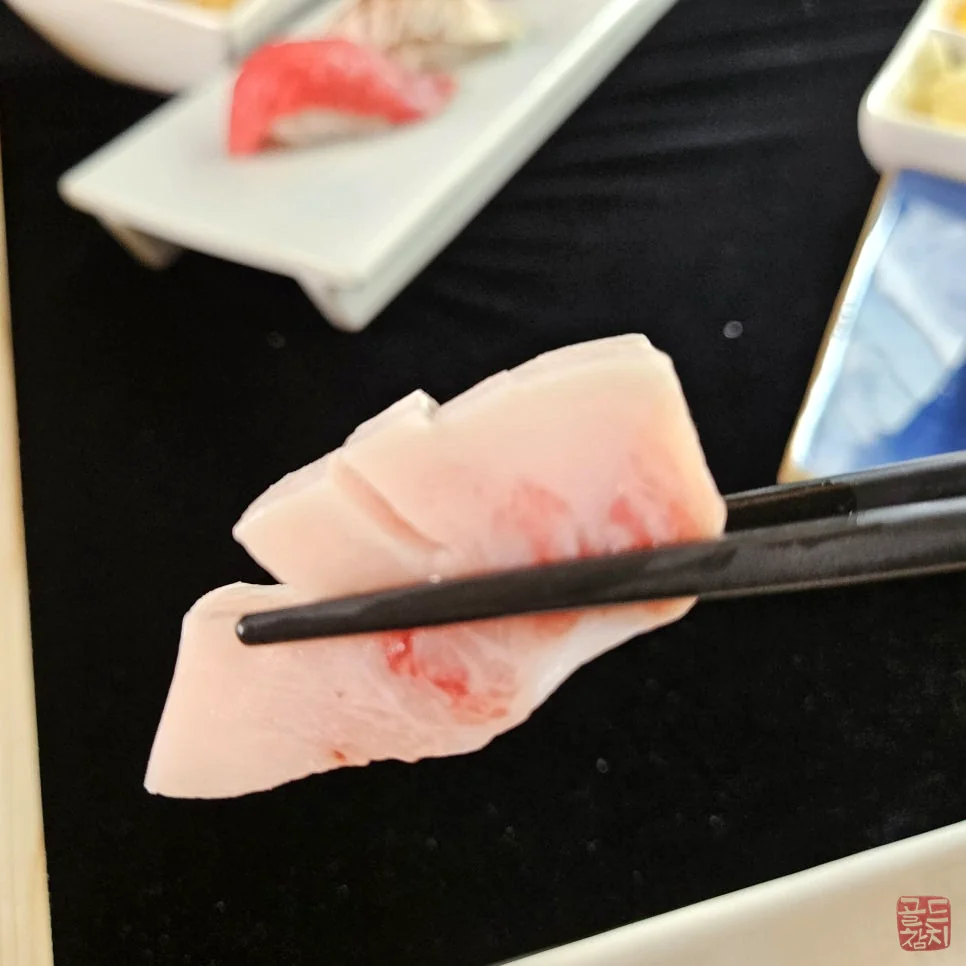
Swordfish Belly
The Archive of Flavor: The Rise of Food Criticism
During this same era, people began to record their culinary experiences. Early food columnists, like Craig Claiborne of The New York Times, sought to explain rather than just judge.
They wrote about why a dish was special and the context in which it was born. Flavor became a language for the first time, and food became something to be remembered.
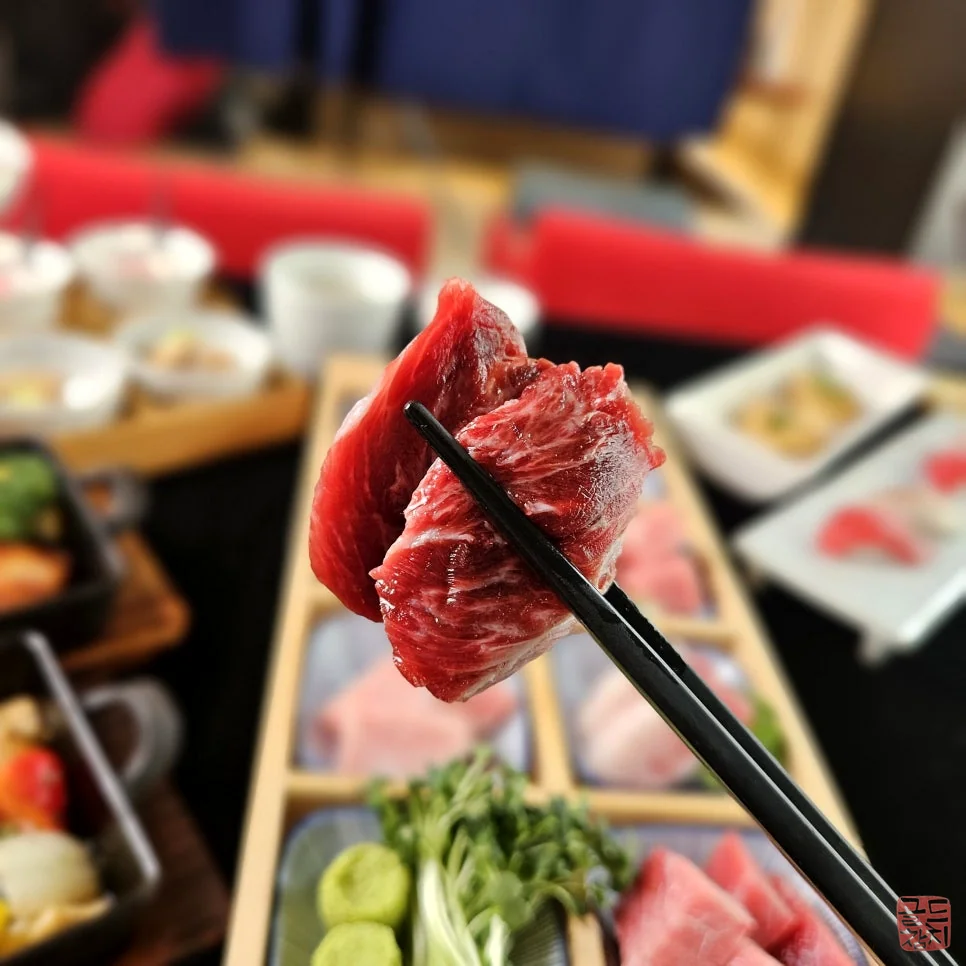
Tuna Fin Meat
Shared Tastes: The Era of Social Media and the Public
In the 21st century, the smartphone has completely revolutionized how we document our meals. Today, anyone can capture a dish and share a review instantly. The traditional critic has made way for the everyday diner. The voice of authority has passed to the public, and delicious food has become more accessible than ever before.
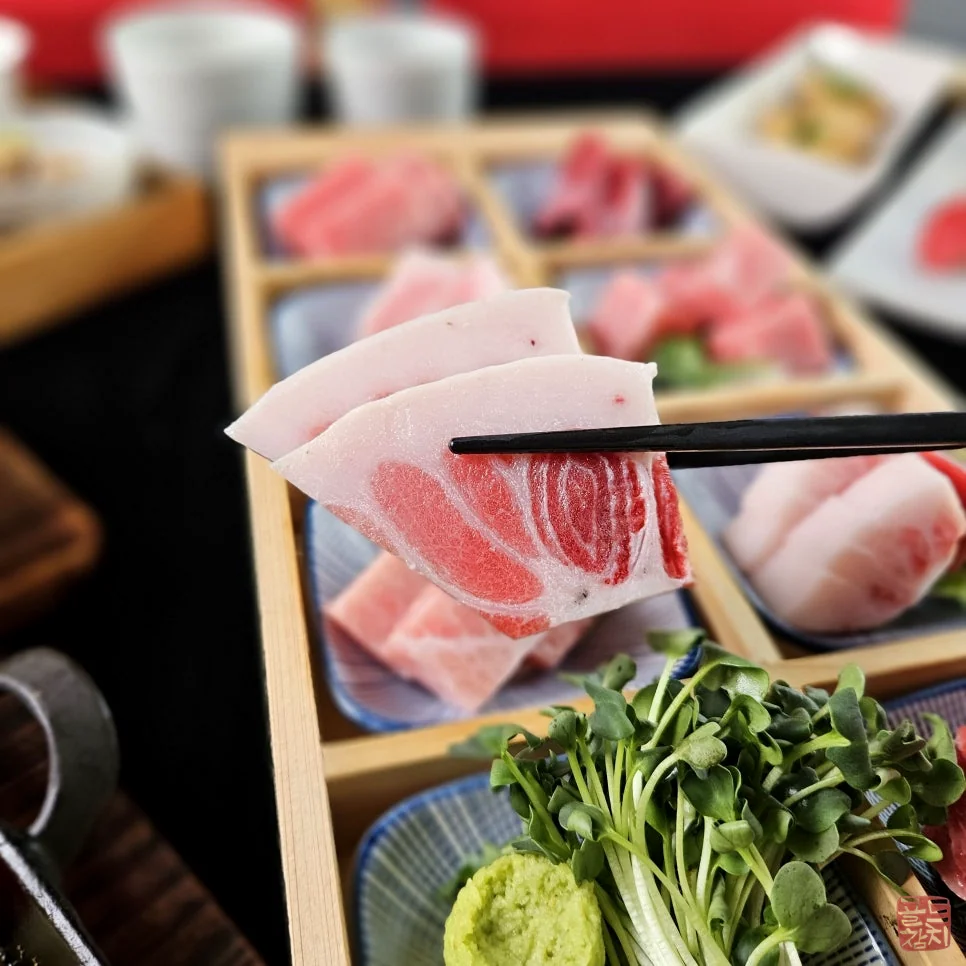
Bluefin Tuna Navel Belly
Yet, simultaneously, flavor has begun to be consumed at a breathless pace. The act of saving an image often precedes the act of memory, and instant reactions have become more vital than the lingering aftertaste.
Amidst star ratings and 'likes,' the food remains, but the personal sensation can easily vanish.
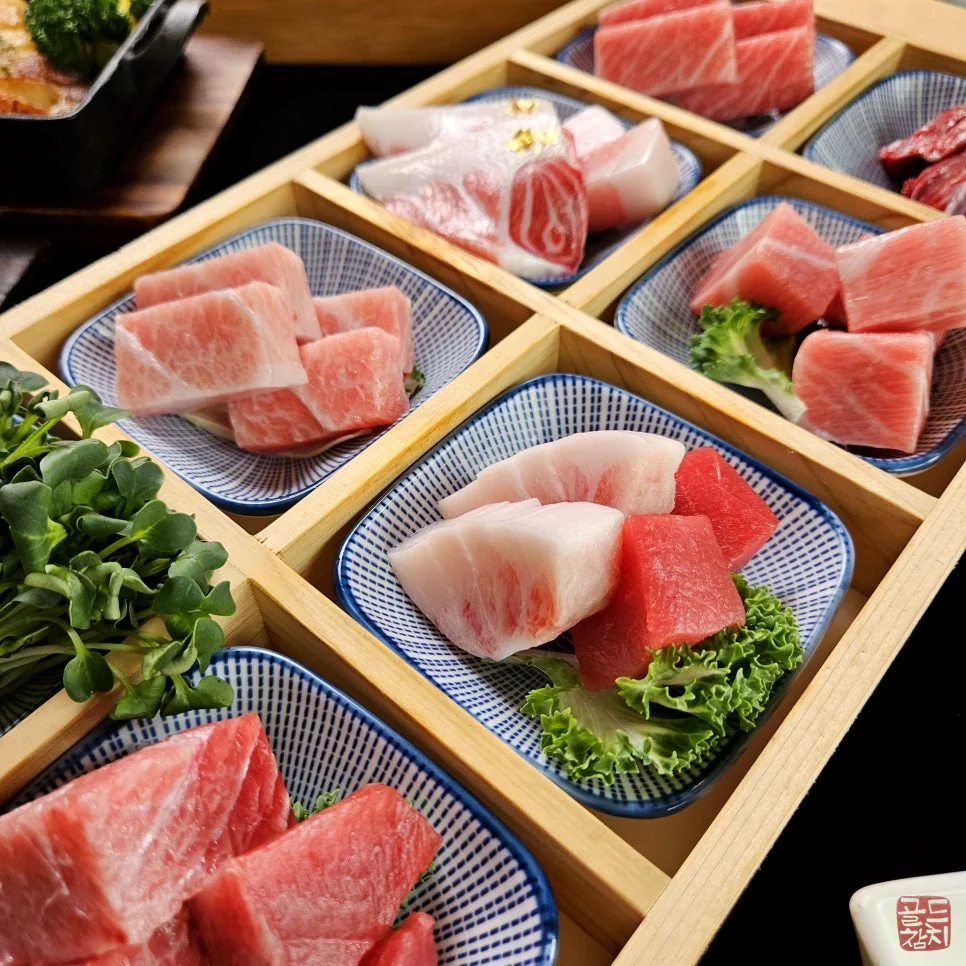
Bluefin Tuna Sashimi Platter
Taste Is Still Becoming Culture
Perhaps food becoming culture is not about how widely it is known, but about how long it remains.
Between the recipes that traveled by rail, the sentences printed on newspaper pages, and the photos inside our smartphones, we are still standing before the same question.
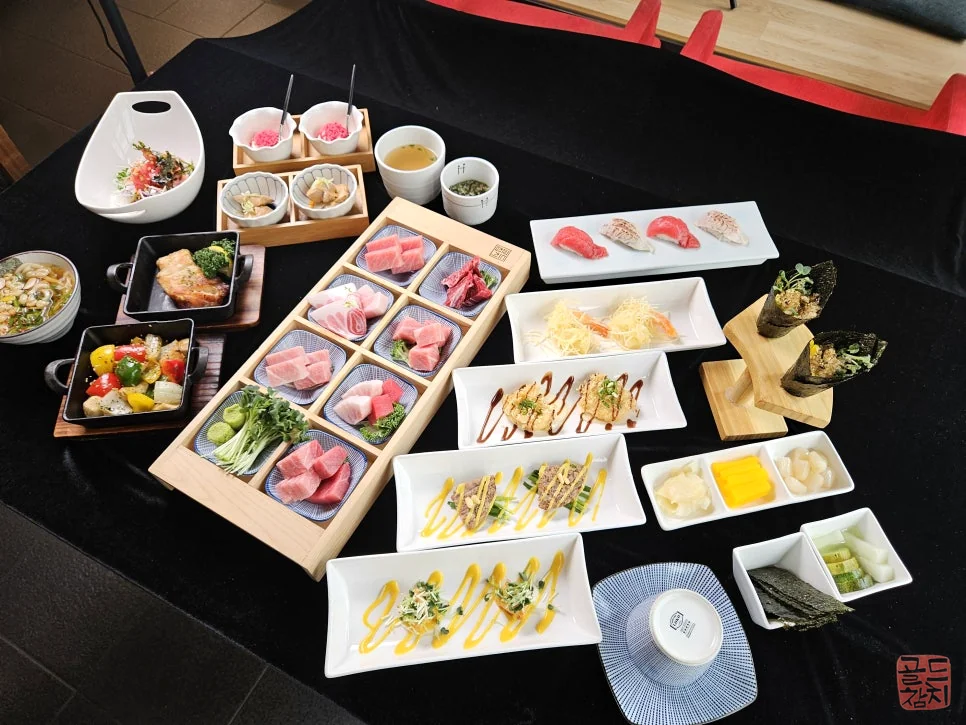
The Full Omakase Experience
In the face of that question, taste continues to evolve into culture. The journey that began in Carême’s kitchen lives on in the single piece you savor today.
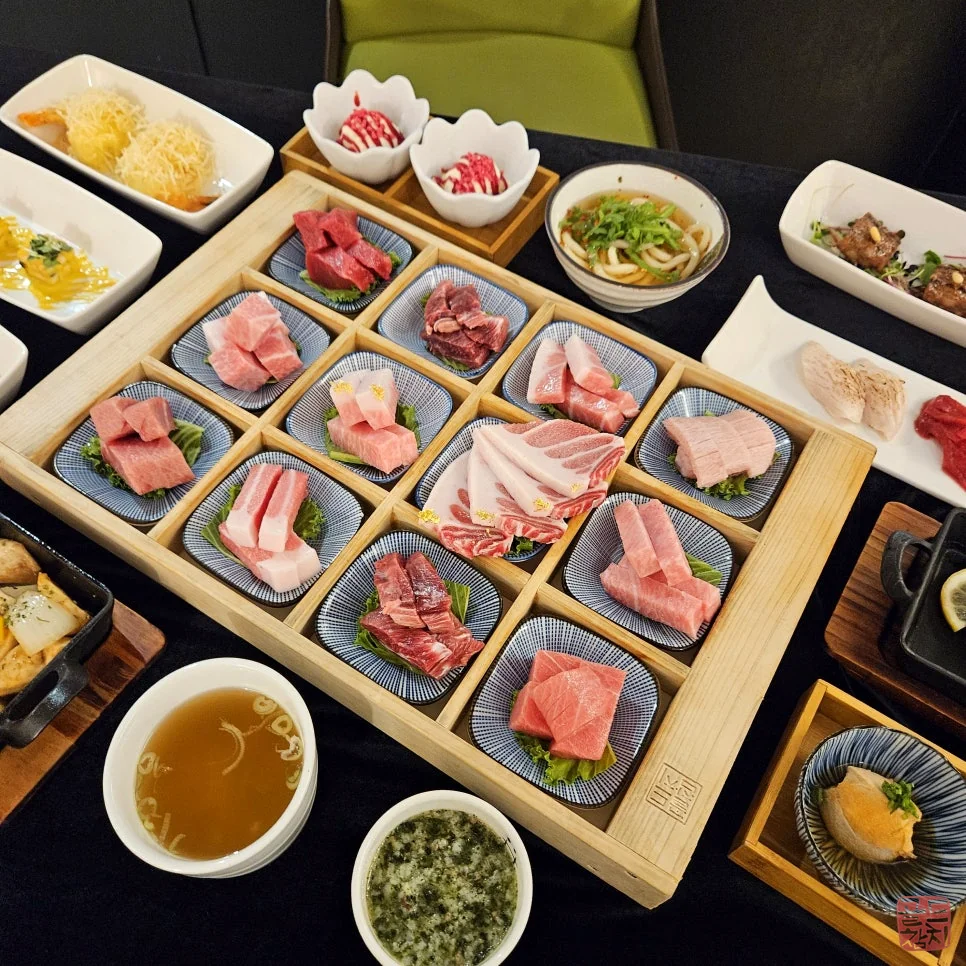
A Shared Table for Four
Thank you for joining us through this reflection.
We look forward to continuing the conversation.