
Gold Tuna: Why Hospitality Matters More Than Just Great Food
This is a reflection on the definition of a 'People Restaurant' (Saram-matjib) and the essential value of a restaurant. We explain its meaning through Goldtuna's management philosophy and actual dining cases.
The word "matjib" (famous restaurant) usually starts with the food. Good ingredients. Delicious taste. Well-prepared. These are the conditions a restaurant must naturally possess. However, Goldtuna looks at one more thing after that.
Who are the people sitting in front of that food? That is why I have been using the term ‘People Restaurant’ for a long time.
The Meaning of a People Restaurant
The "People Restaurant" defined by Goldtuna does not simply mean fame or crowds.
A People Restaurant is a place where
people meet through the medium of good food,
and that meeting remains as the value of a single meal.
It refers to a time when not only the companions visiting together but also the chefs preparing the food and the staff providing the service all communicate within the space of a single meal.
Food Restaurant vs. People Restaurant
The quality of the food is the most basic prerequisite for a restaurant. Selecting the best ingredients and meticulously preparing them is an unchanging principle.
However, as time passes after a meal, the memory that remains vivid is often the emotional experience of who you were with, rather than the taste of the food.
This is why we aim to be a restaurant you want to revisit with someone precious, going beyond just an evaluation of the food.
Examples of a People Restaurant in a Business Setting
Every Wednesday at 7 AM, I attend a BNI breakfast meeting at Samjung Hotel.
I occasionally invite people I have known there for a long time to Goldtuna for a separate meal.
This day was one of those occasions.
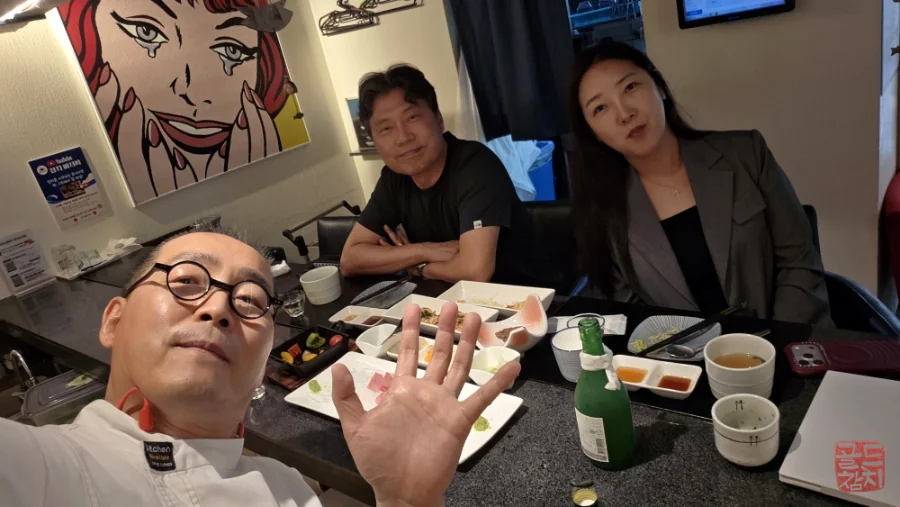
An example of a business meeting with partners connected through BNI breakfast meetings. It is a process of deeply discussing each other's expertise and collaboration possibilities through a meal.
In BNI, this is called a 1-to-1 meeting. It is a time to learn about each other's products and services, achievements so far, the motivation for starting the business, future goals, and necessary cooperation.
The purpose is simple. To better understand the other person's business and find ways to help each other grow.
The two people in the photo are also individuals I have built a relationship with over a long time through weekly meetings. They are special people among what I consider a People Restaurant.
When dining with such people, the menu doesn't actually matter much. It's great to eat Goldtuna's tuna, but it's also wonderful to have a single savory pancake (buchimgae) with a glass of rice wine (makgeolli).
When you sit across from a good person, the charm and dignity of that person are served at the table. To me, such a gathering is not much different from a king's banquet.
Moments When a Chef's Character Becomes the Reason for a Meal
The case of Chef Edward Lee from the Netflix show "Culinary Class Wars" (Heukbaek-yorisa) clearly demonstrates the value of 'people.'
The reason viewers want to experience his cooking is not just because of his skills, but because they place value on the dining experience itself, which reflects the chef's identity.
The person creating the dish has become the core motivation for the gourmet experience.
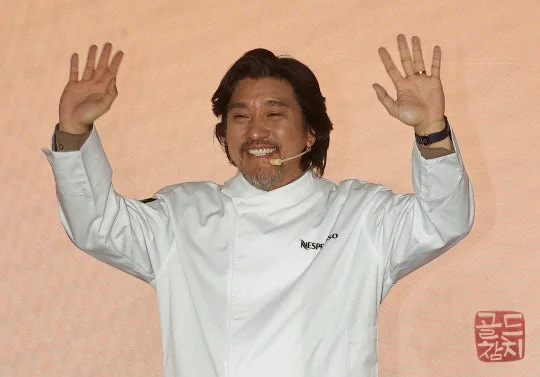
Chef Edward Lee, a cast member of Netflix's "Culinary Class Wars"
Goldtuna's Management Philosophy
Goldtuna asks itself, “Is this a place I want to visit again with someone precious?” as its standard for operation. This is the most basic principle of managing the space, rather than a specific menu item.
Goldtuna aims to be a 'People Restaurant' where human value is central, based on the fundamentals of food.
The principle of a 'People Restaurant' applies equally to Goldtuna's Bangi branch and Sinsa branch.
The Bangi branch is a dynamic space where many people, such as families and corporate groups, come together, while the Sinsa branch is optimized for high-focus conversations in small groups, such as business meals and anniversaries.
Recommended Brand Magazine Articles
☞ The impact of relationships on meal satisfaction, the values the Sinsa branch aims for
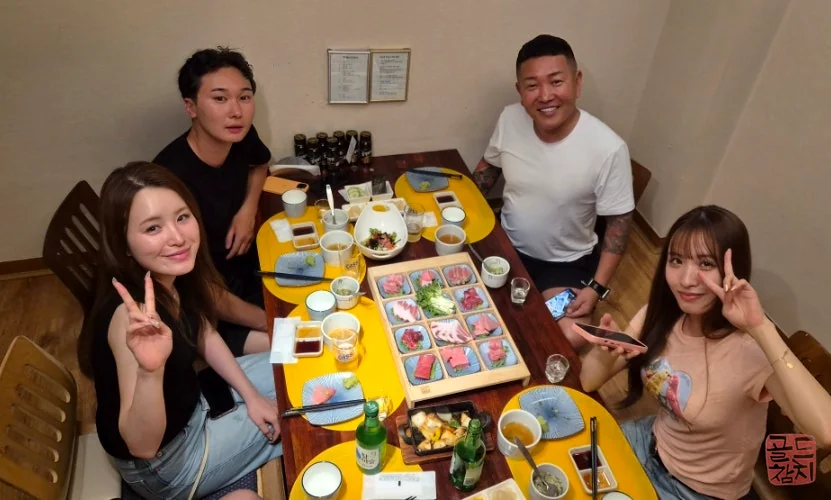
☞ Customer report on the best tuna quality and service
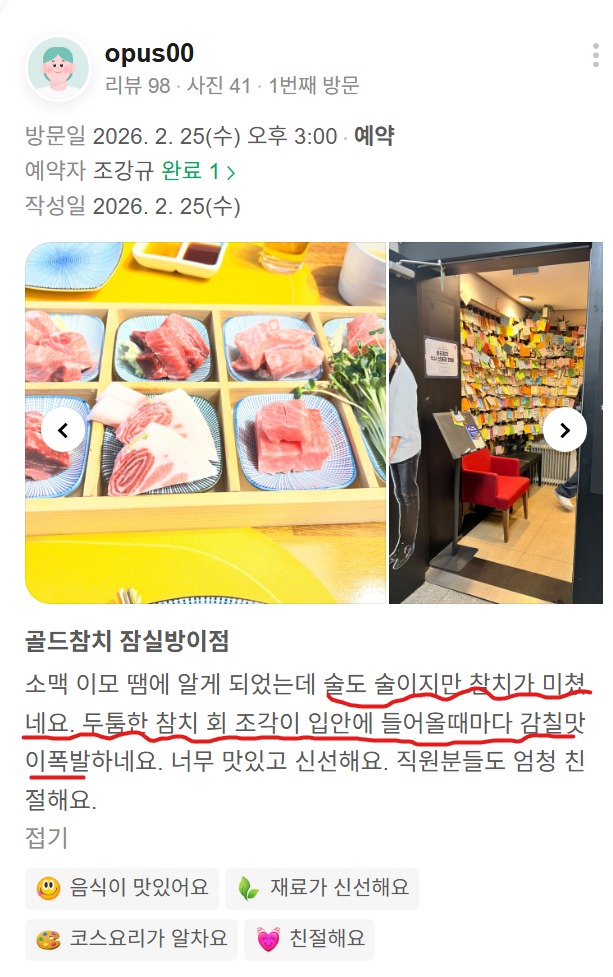
☞ External Reference Materials
Information regarding Edward Lee and Netflix's "Culinary Class Wars" mentioned in the text