
Food of Power: Why the King’s Table Was Surprisingly Tasteless
[Medieval royal tables were spectacles of grandeur, yet they lacked the essence of flavor. Spices served as symbols of authority, while the Church defined the pleasures of the palate as a transgression. In this era, true taste had to navigate a landscape of formidable constraints to eventually emerge.]
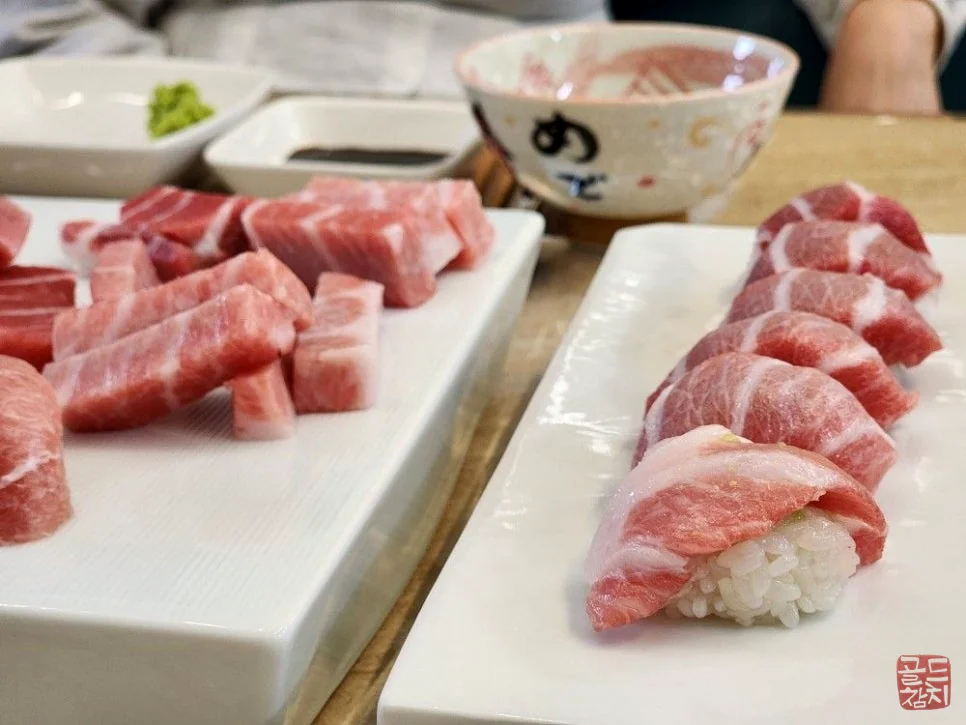
A table prepared for guests by the master of the house
When we imagine a king's table, certain images naturally come to mind.
We envision brilliance, immense abundance, and, of course, a mastery of flavor.
However, as we trace the historical records, these assumptions quickly begin to fade.
At that table, "taste" was conspicuously absent.
Cuisine certainly existed.
Yet, the heart of the meal was not flavor, but the manifestation of power.
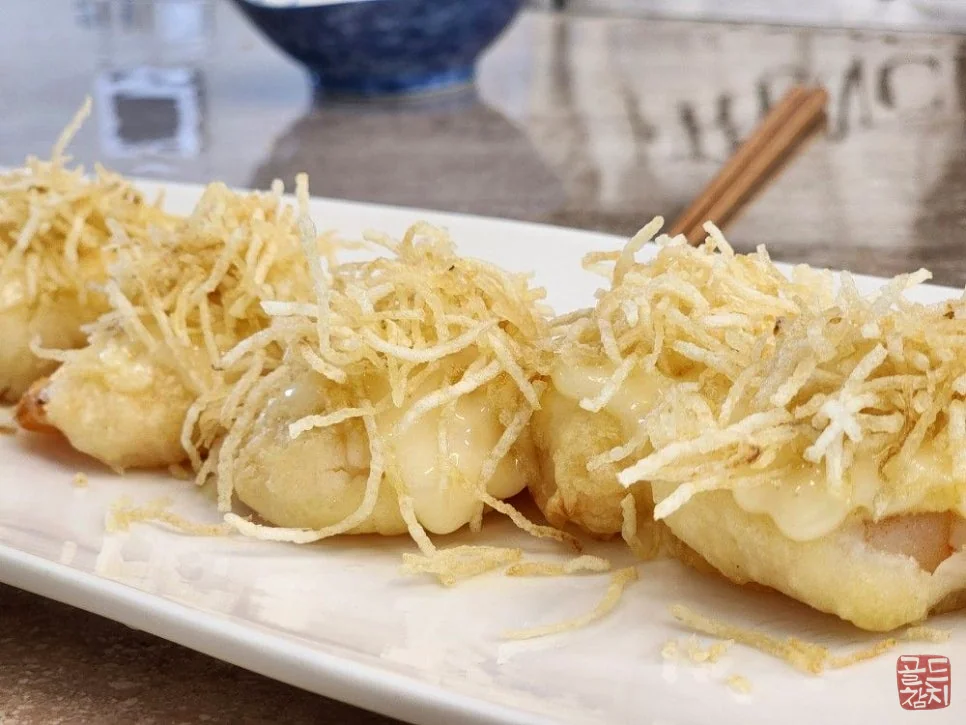
A table prepared for guests by the master of the house
A Grand Spectacle with a Different Purpose
In the royal courts of Medieval Europe, food was always in surplus.
Banquets were long, and courses were replaced in a relentless cycle.
But this table was not designed for the simple act of eating.
The king's table was a stage where authority was performed.
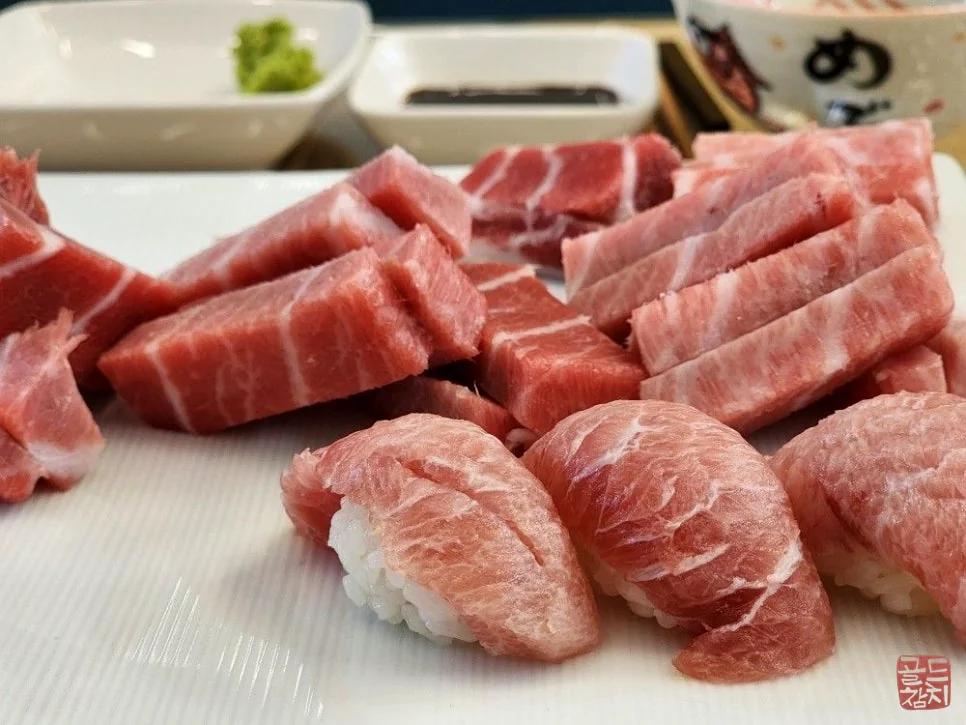
Heartfelt hospitality at the master’s table
The True Objective of Medieval Royal Cuisine
The culinary manuscripts of Guillaume Tirel, the 14th-century French court chef, clearly reveal the nature of royal food during that period.
The dishes within those pages bear little resemblance to modern French cuisine.
Instead, they leaned closer to Middle Eastern culinary styles.
Style, however, was secondary. The primary focus was the objective of the meal.
Dishes had to be piled high like mountains
Dining continued through six or seven sittings a day
The act of leaving food behind was the ultimate proof of abundance
Satiety was irrelevant. Excess itself was the symbol of absolute power.

The Royal Special presentation
[Characteristics of Medieval Royal Banquets]
An average of 6 to 7 meals per day
Approximately 30 to 40 different dishes served in a single feast
Surplus food granted to servants and spectators
Preparation and ritual consuming more time than the act of dining
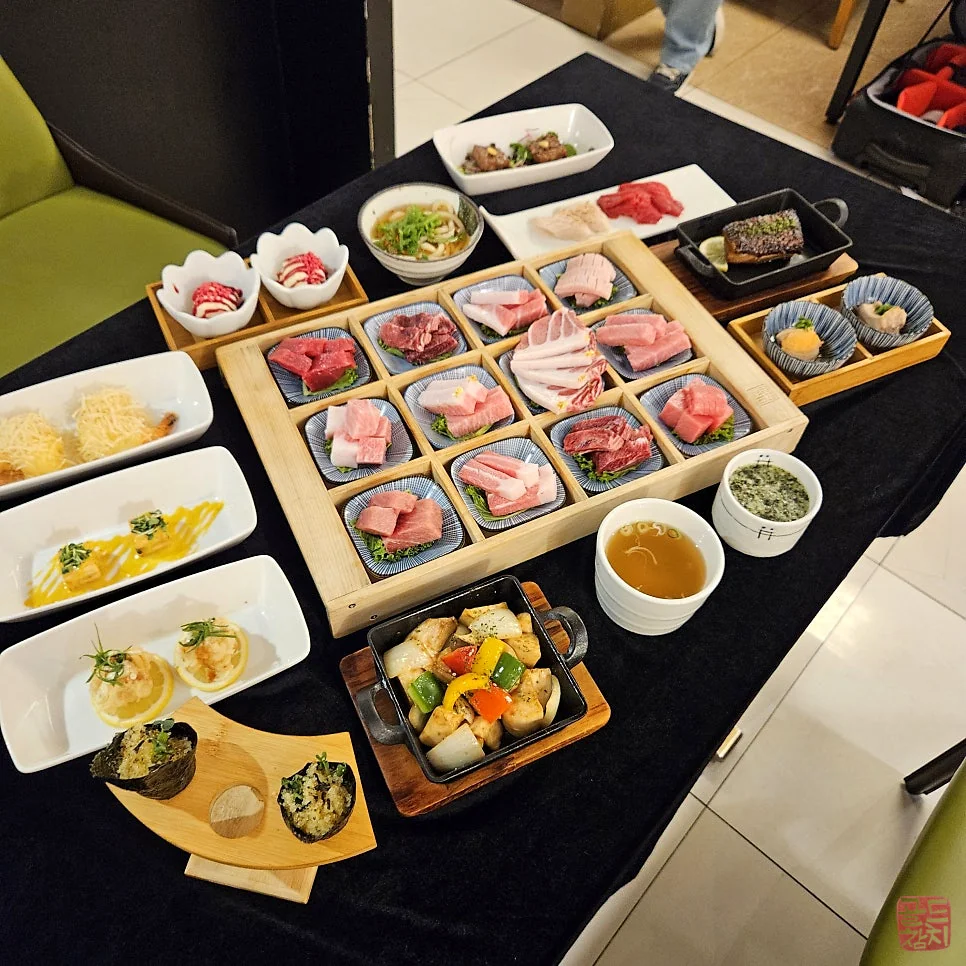
The Royal Special presentation
Spices as a Marker of Rank, Not Flavor
Spices were used with reckless abandon in royal kitchens.
The reason was simple: they were prohibitively expensive.
Venetian trade records from the 15th century show that one pound of pepper was traded for seven to ten silver coins. Since a skilled mason’s daily wage was roughly one silver coin, a handful of pepper represented an entire week’s labor.
Thus, spices were not ingredients for seasoning; they were proof that the table’s reach extended to the furthest trade routes of the East.
Cuisine was also adorned with color—dyed in vivid reds, blues, and greens. Roasted ducks or cranes were served whole, their feathers meticulously repainted and restored, placed at the center of the hall as visual displays.
Food was not a nourishment to be consumed,
but a sculpture to be observed.
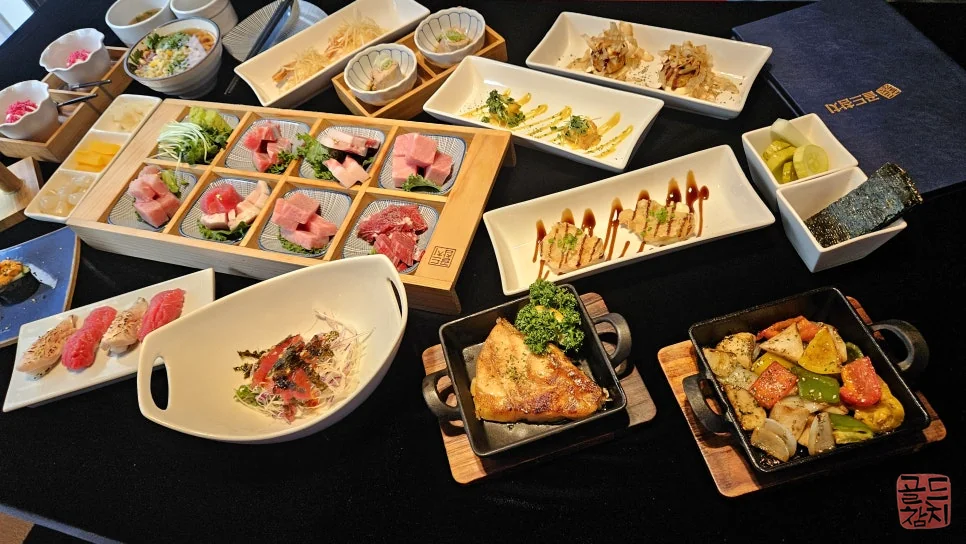
The Omakase Special presentation
The Church and the Suppression of Sensation
In Medieval Europe, the appreciation of flavor was not considered a virtue.
In an age where asceticism and restraint were the pillars of value, the pleasures of the palate were viewed with deep suspicion.
The theologian Thomas Aquinas addressed this in his Summa Theologica.
To seek excessive pleasure in the sense of taste is
a sin of gluttony and a corruption of the soul.
From Summa Theologica by Thomas Aquinas
This was an era when debating flavor was a moral concern. Consequently, cuisine could not achieve refinement.
Power used food for ostentation, while the Church used food to suppress desire.
Between these two forces, the concept of "taste" found no room to grow.
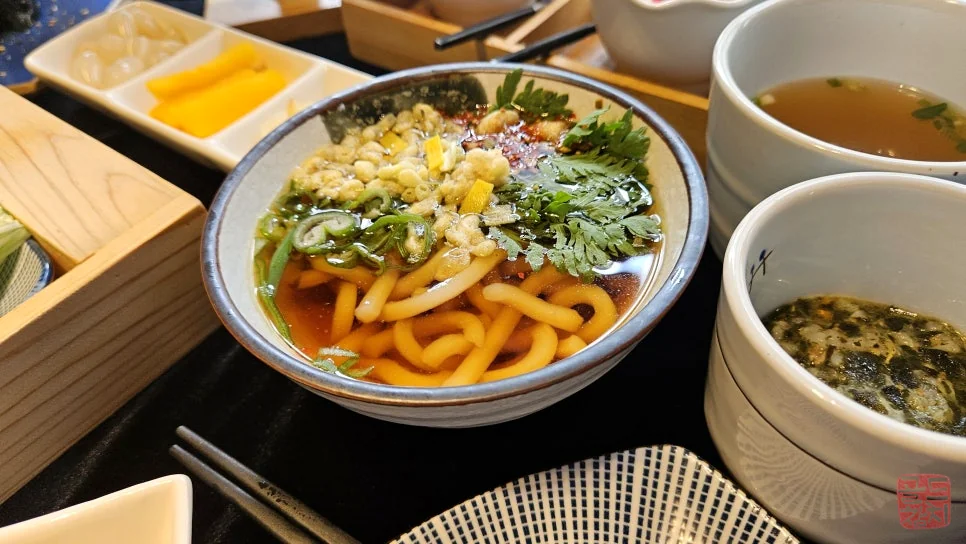
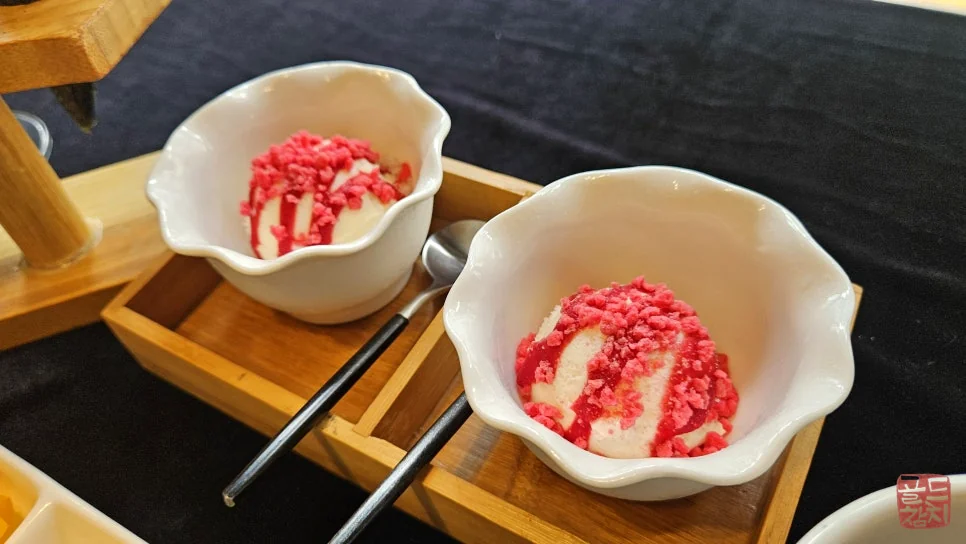
Handmade noodles and seasonal dessert
The King’s Hunger was Satisfied, but the Cuisine Remained Unfinished
The monarchs and aristocrats of the Middle Ages never went hungry.
However, it would be difficult to say they truly enjoyed fine food.
Cooking existed, but there was no philosophy centered on the palate.
The royal table succeeded in manifesting authority, but it failed to refine the culinary arts into a finished form.
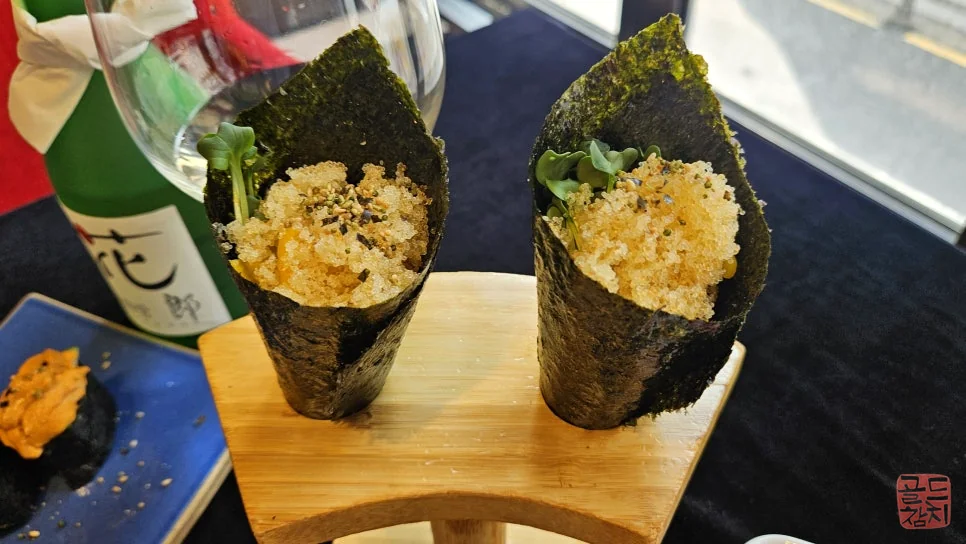
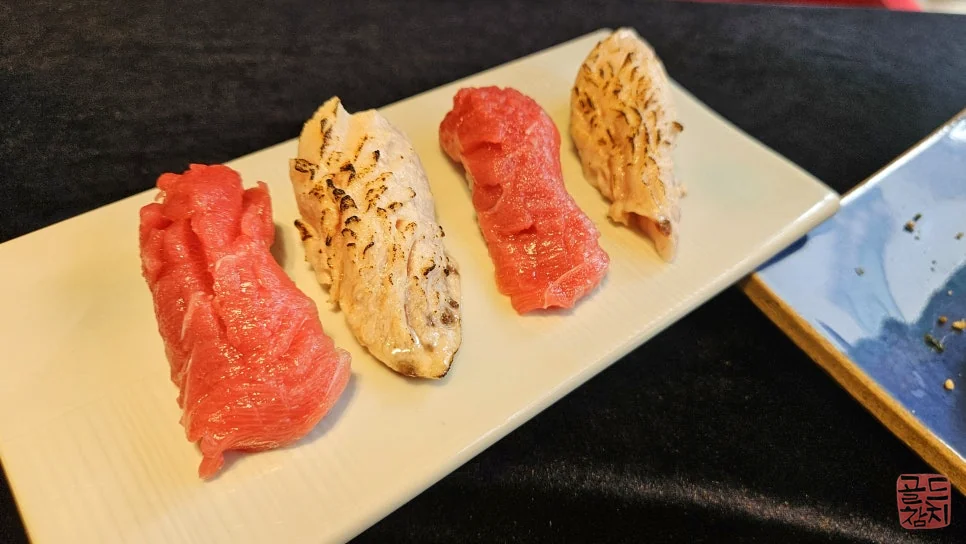
Classic hand-rolls and tuna sushi
The Absent Foundations of Gastronomy
Medieval Europe lacked the essential conditions for the birth of fine dining:
A structure to accumulate and disseminate culinary knowledge
A culture that recognized the chef as an independent professional
The social breathing room to engage in discussions about flavor
A philosophy that viewed the enjoyment of food as a positive human experience
Because these foundations were missing, true taste had not yet made its appearance.
There were kitchens and tables, but they were sites of power, not of palate.
Previously: When did flavor become culture? Seeking the origins of gastronomy in culinary history.
The moment flavor was born as a culture.
Next Story - Flavor in the Wake of Revolution
How did taste eventually descend into the world of the common man?
When the kings vanished, the palaces were dismantled, and the royal chefs were cast into the streets, flavor finally became a shared human heritage. Following the French Revolution of 1789, we explore why the first modern restaurants were born beside the guillotine.