
From Twice-Failed to Seoul’s Top Tuna Spot: The Gold Tuna Story
[This is the narrative of how a small shop that closed its doors twice evolved into the Goldtuna of today. I hope this story offers trust to our new guests and a sense of shared history to those who have visited us for many years.]
1. Acquiring a shop that failed twice.
In 2015, I took over what was once a struggling tuna shop.
The location had already seen two owners leave, and it was facing complete demolition.
Though I felt drawn to the space, I was filled with fear and uncertainty.
I wondered if the structure could even be revived,
and if I truly had the strength to carry it forward.
Read more: Reflections from our early days
The flow of the kitchen was still intact, and I believed that if I could establish a firm foundation, we would be competitive.
My goal was clear:
to create a destination that guests would feel compelled to return to.
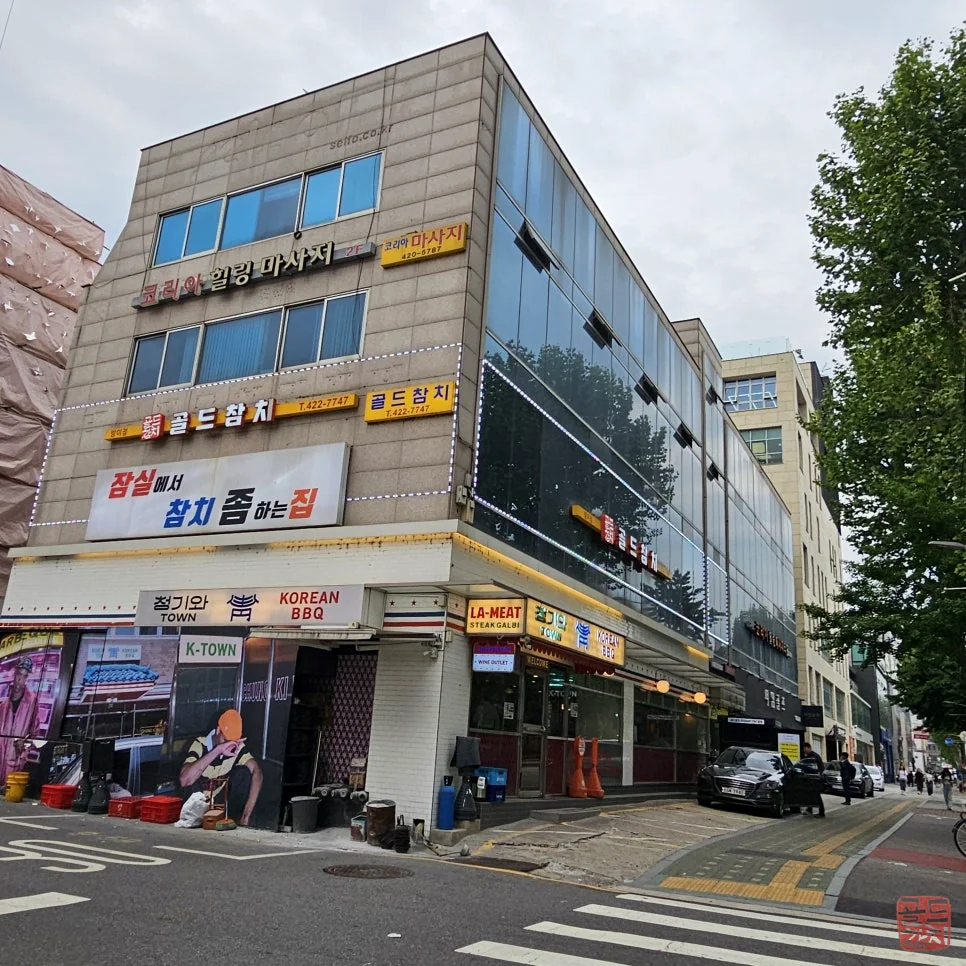
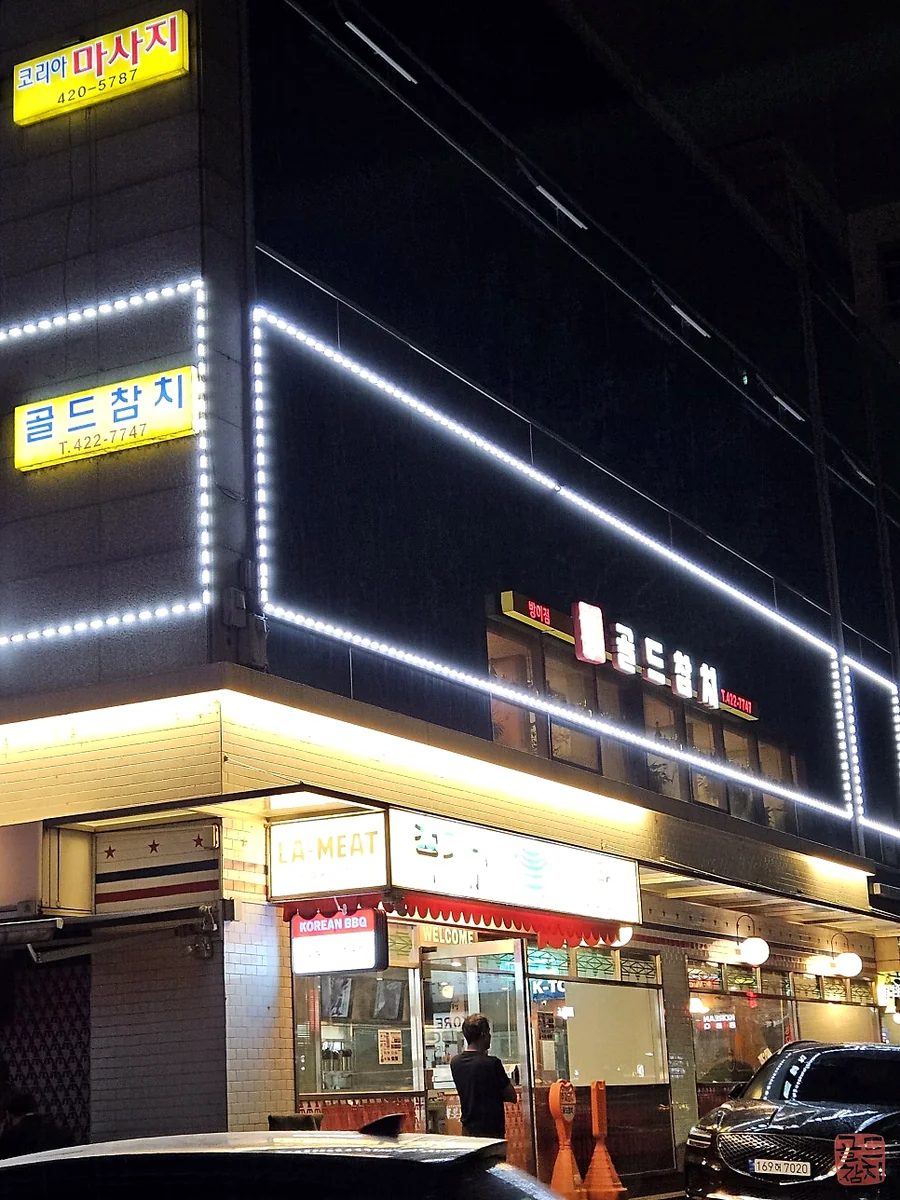
The exterior of our Bangi branch
2. Rebuilding the essence of a tuna destination.
I lacked massive capital and a storied career in the restaurant industry.
Because of this, I focused even more deeply on the basics.
I reorganized the kitchen, sharpened my knives,
and refined the sequence of the meal and service as if conducting an orchestra.
I committed to using only the finest tuna,
and introduced three principles: simplification, standardization, and specialization.
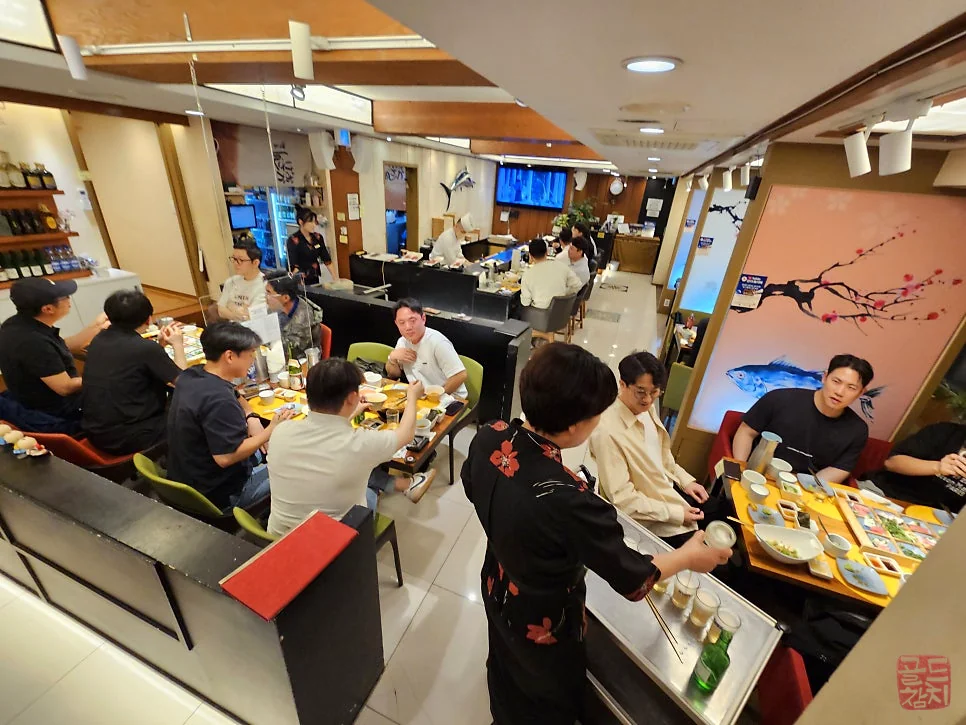
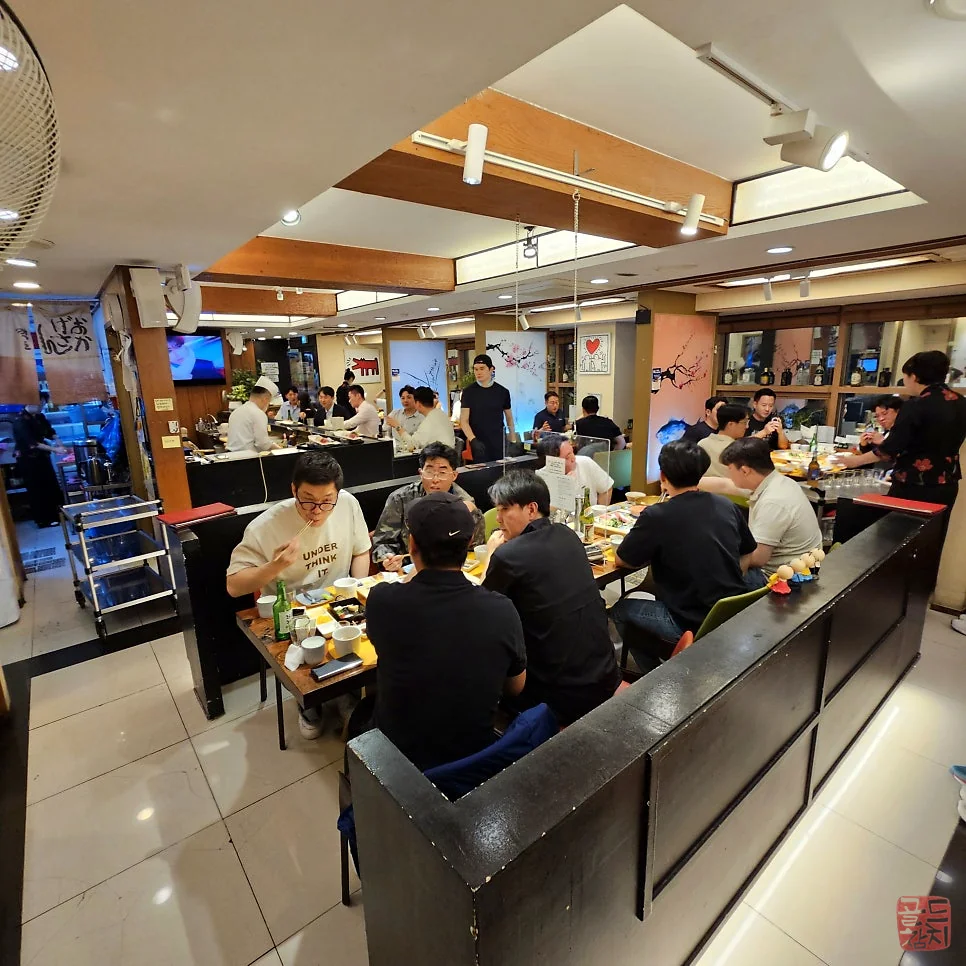
The warmth of guests filling our dining rooms
3. Defining the standards of a specialty house
The philosophy at Goldtuna is straightforward.
1. Use only the highest grade of tuna.
2. Ensure side dishes offer genuine satisfaction, not just formality.
3. The entire course must flow with the grace of a symphony.
Read more: Declaring the No. 9 Standard for Tuna
I wanted to be more than a house that simply serves large quantities.
I sought to craft a course that delivers heartfelt emotion from beginning to end.
I designed the menu so that tuna enthusiasts and newcomers alike
can find joy in every bite.
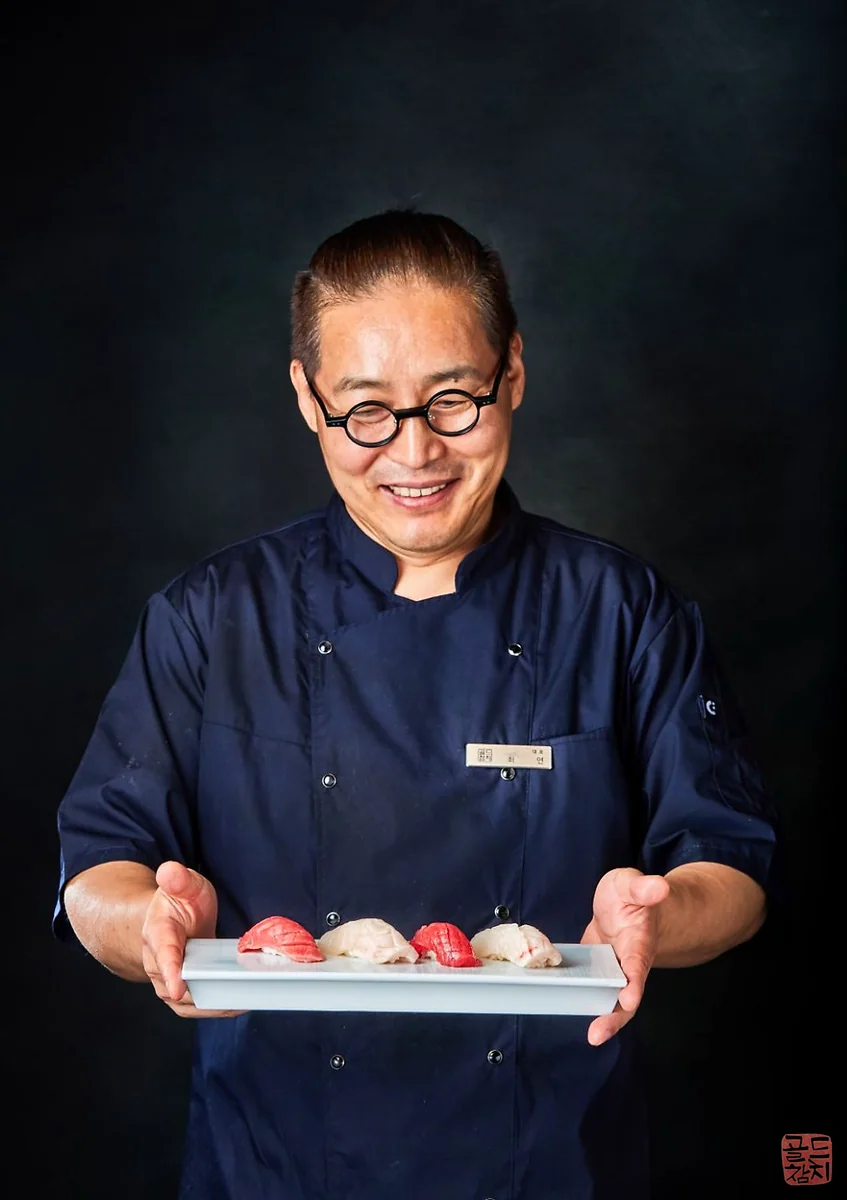
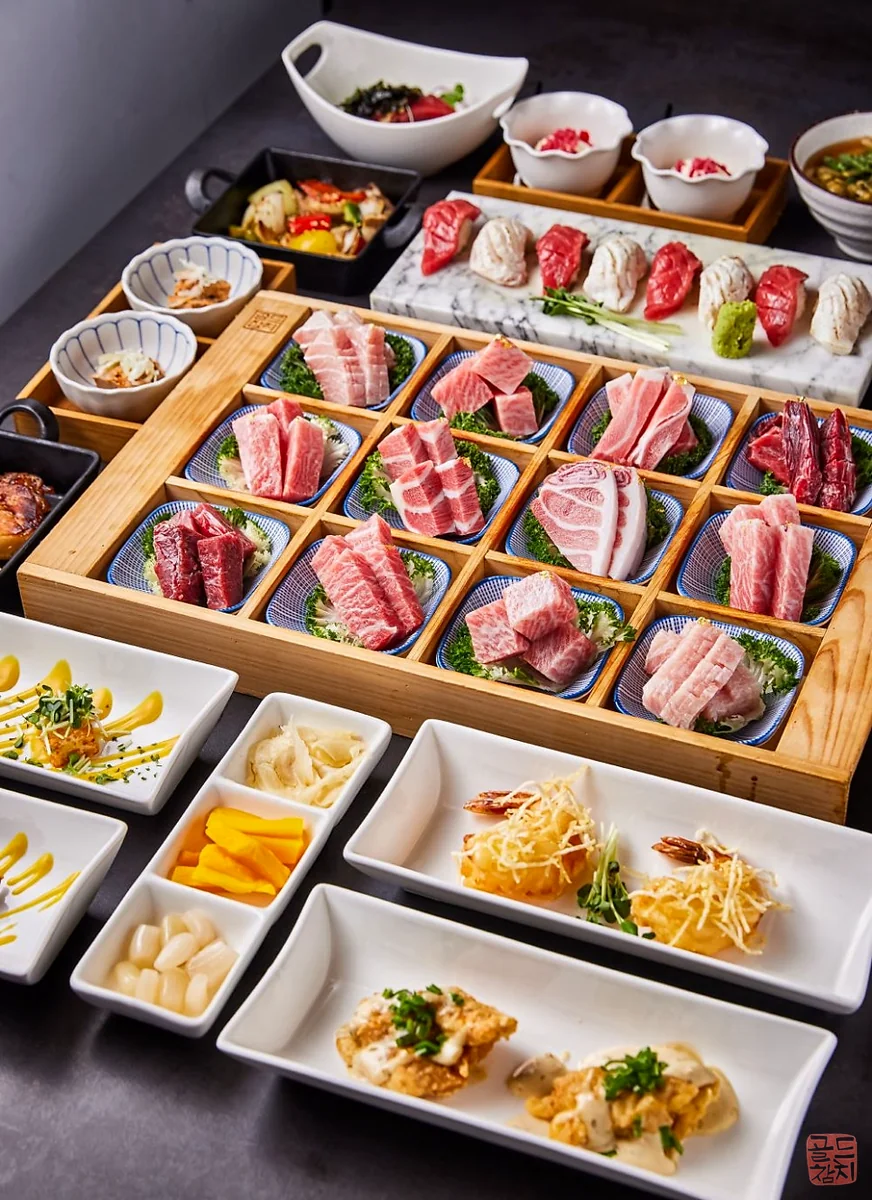
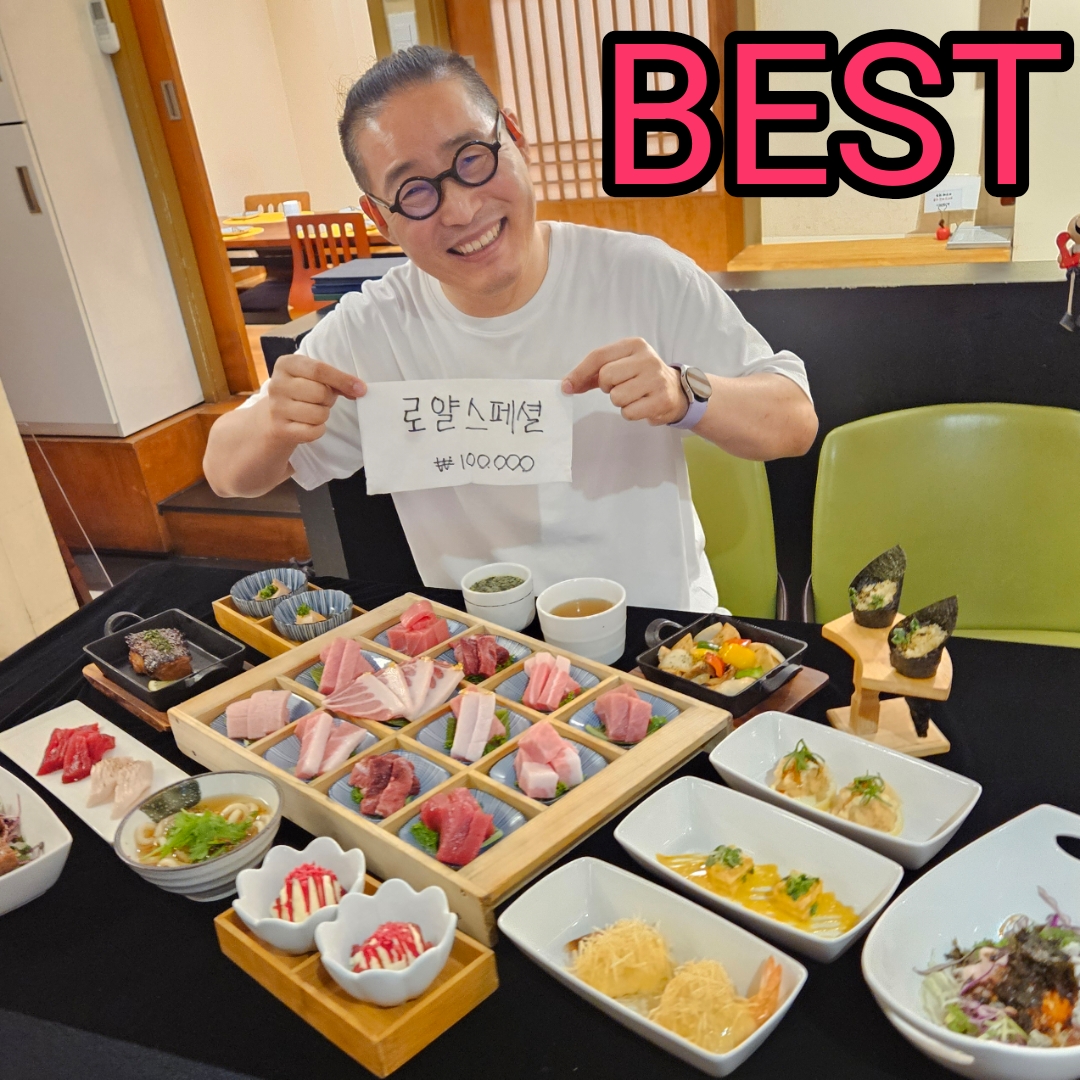
A complete table featuring sushi and our four-person full course
4. The choice for family and year-end gatherings
Special occasions like family reunions are moments where disappointment is not an option.
I viewed the atmosphere and the spatial design as importantly as the cuisine.
1. A layout that respects the need for quiet conversation.
2. A course flow that ensures the dialogue is never interrupted.
3. A menu composition accessible to both elders and children.
Read more: Recommendations for family dining
As these standards became our foundation,
Goldtuna naturally became the destination of choice for gatherings that matter most.
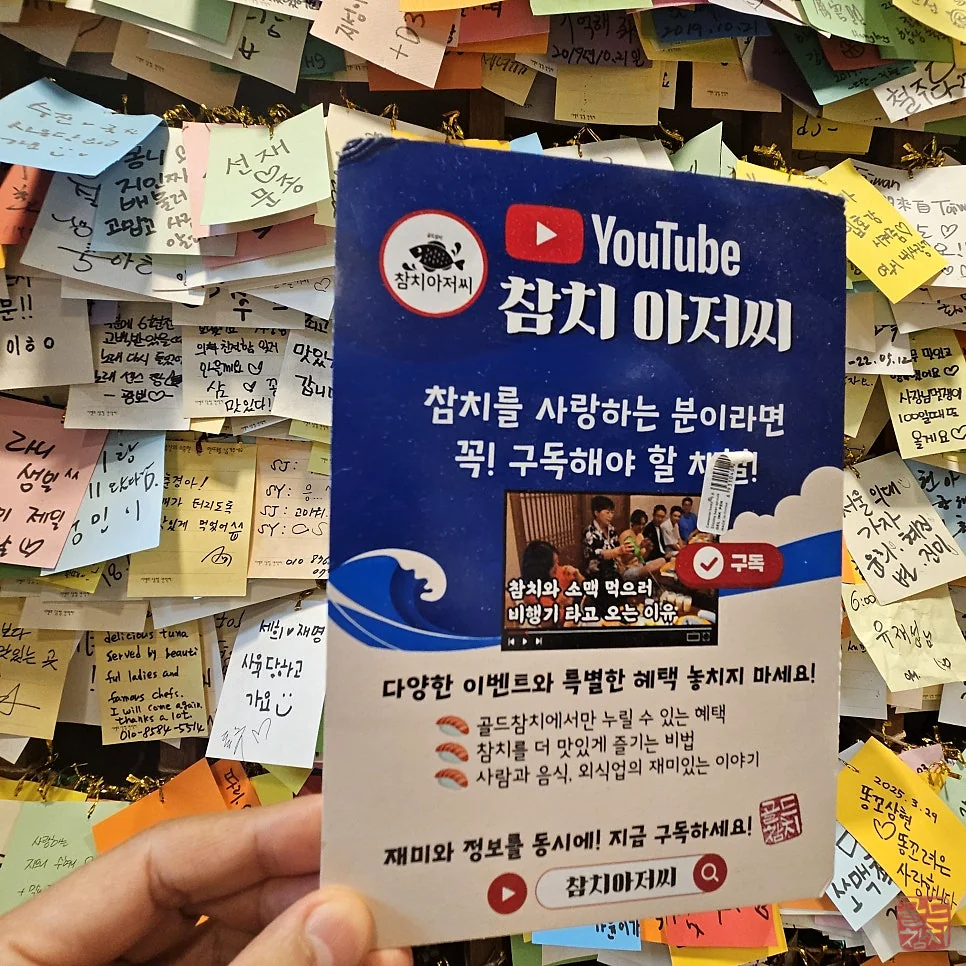
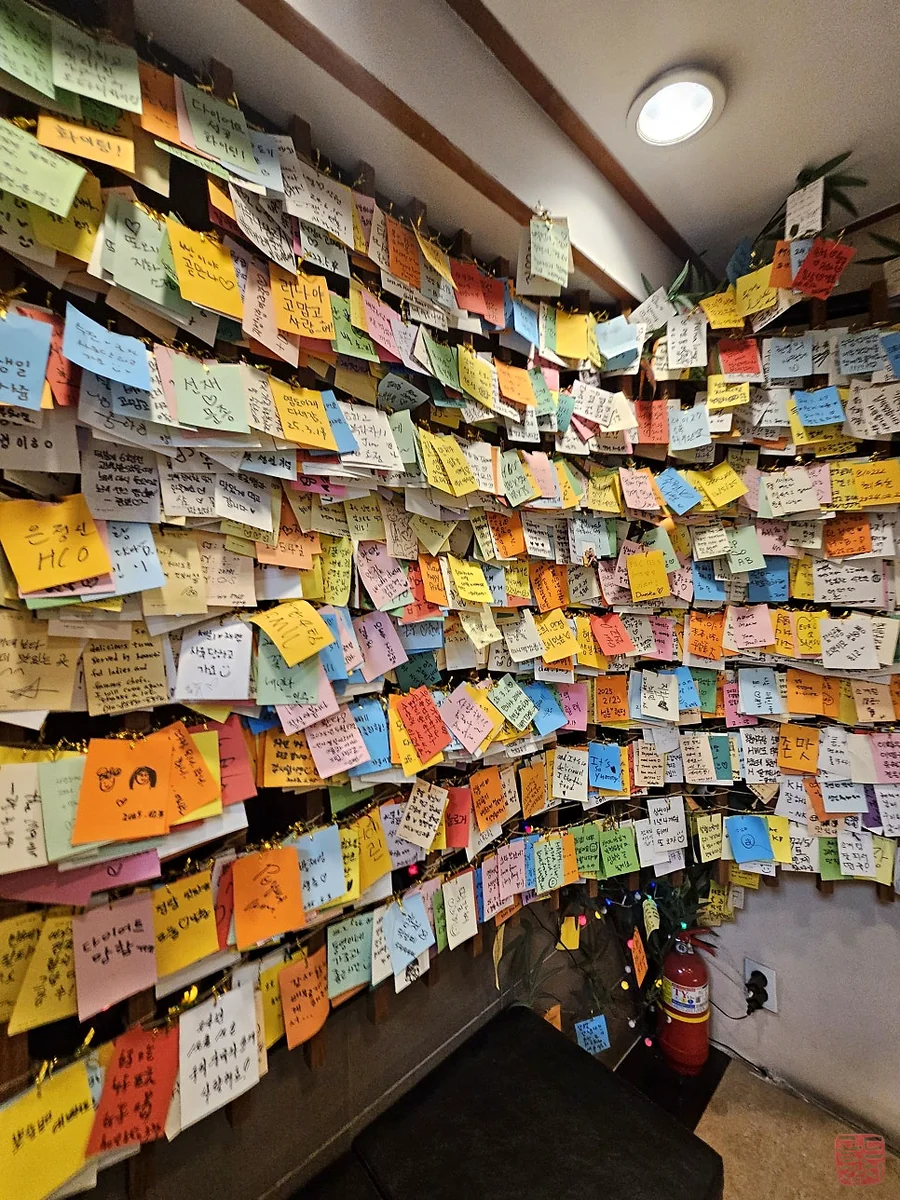
Handwritten notes left by our guests at the entrance
5. Defining true value in a tuna course
True value is not simply a low price.
Satisfaction must outweigh the cost for a guest to return.
1. I focused on the integrity of the entire course, not just the sashimi.
2. I refined our side dishes until guests would naturally
request an additional serving.
3. I ensured every plate was presented with a modern aesthetic care.
Read more: The 15-step art of the Goldtuna course
As a result,
we have perfected a course that provides satisfaction beyond a mere meal.
6. From a closing door to a sought-after reservation
When these standards accumulated, a change began to take hold.
First-time visitors began to book their next visit,
and family dinners often evolved into larger corporate gatherings.
The shop that had failed twice before
is now known as a tuna destination where reservations are essential.
This was built through the guest's experience, not through advertisements.
7. The foundation of the current Goldtuna
Goldtuna was not born of immediate success.
It is a house built piece by piece—
redefining food, service, and space after acquiring a shop that had lost its way.
Our standards remain the same today.
The quality of the tuna, the harmony of the course,
and ensuring we are worthy of your most significant gatherings.
With these principles, we serve every piece with quiet dedication.
Thank you for reading our story.
We look forward to connecting with you.