
Gold Tuna & Somaek Auntie: A Viral 210M View Dining Culture
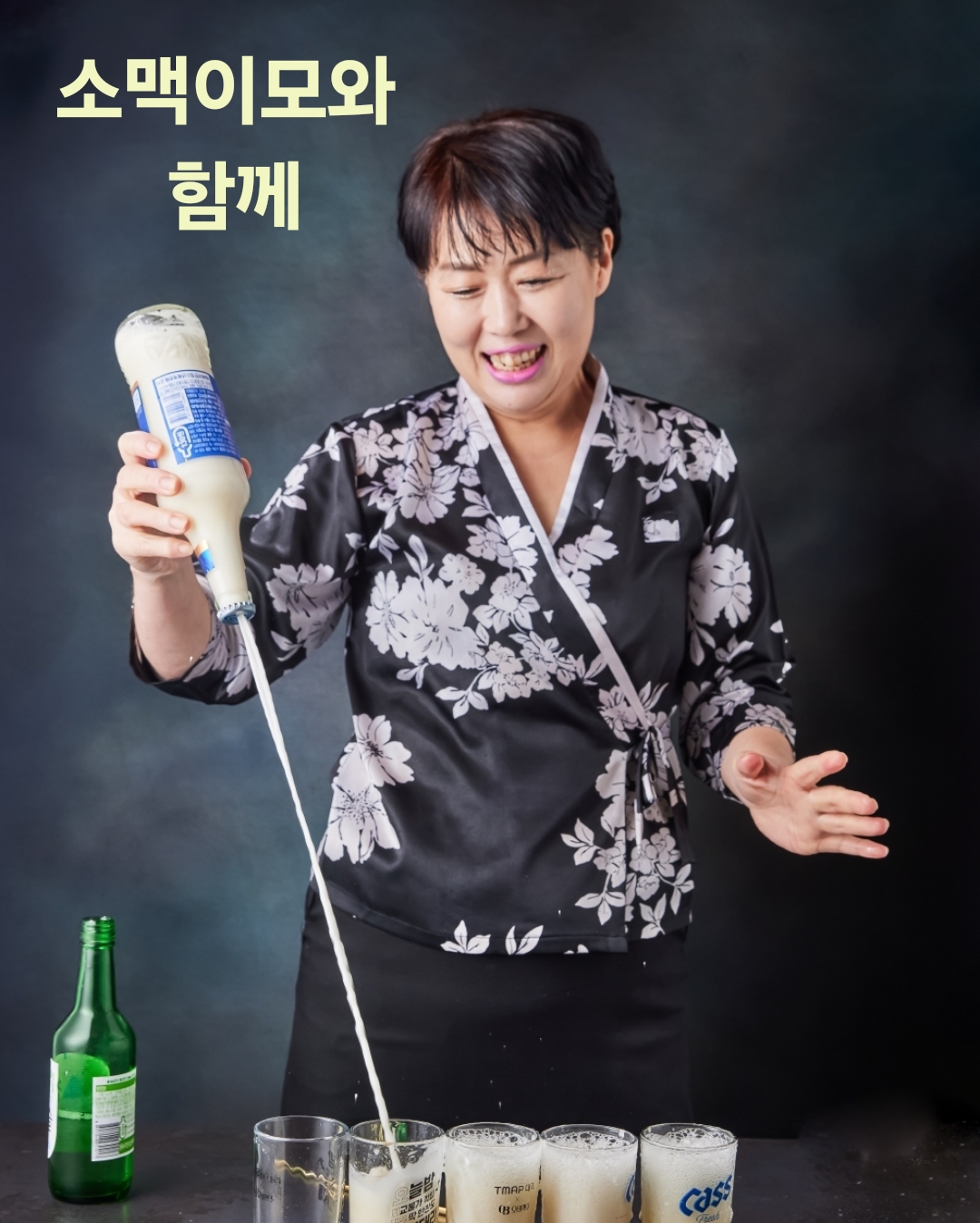
Since a video featuring our celebrated server reached 210 million views and actor Ji Chang-wook paid us a visit, Goldtuna has become a destination where international travelers arrive directly from the airport with their suitcases. We explore the cultural force of food that transcends mere flavor to reside in memory.
Flavor does not create culture;
it is memory that creates culture.
The moment food transforms into culture
The criteria for food to transcend "eating" and be elevated to culture is simpler than one might think. It does not happen when a complex recipe is exported or when a celebrity chef appears in the media.
Through our daily hospitality, we have realized one clear truth: food enters the realm of culture the moment it passes the senses of the tongue and begins to function as a memory.
Goldtuna, with its branches in Bangi and Sinsa, serves as a living example of how this transformation occurs on the ground.
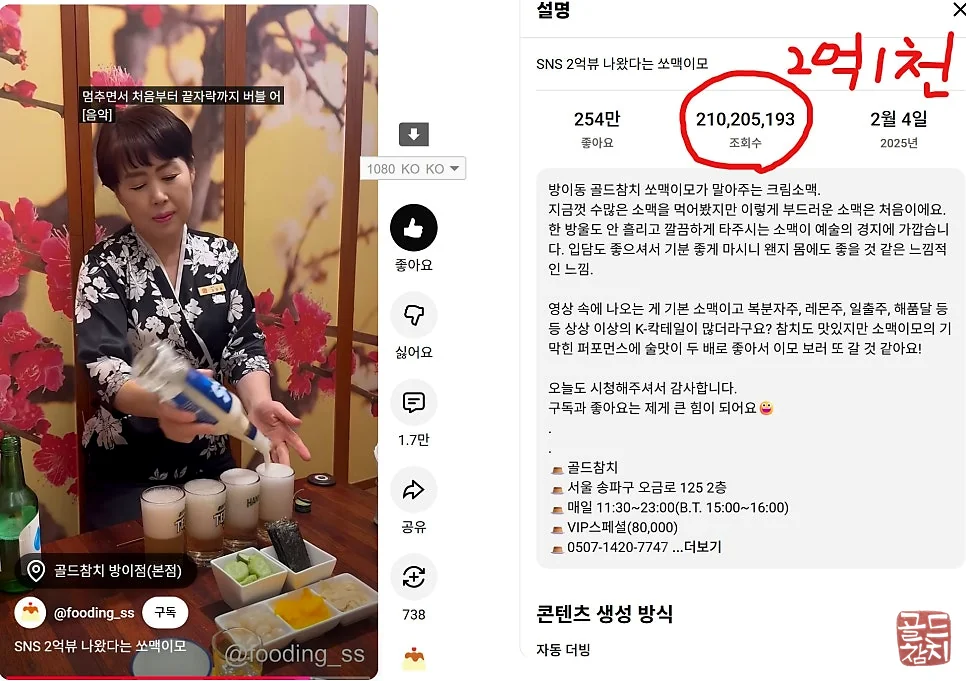
Evidence of 210 million views for the "Somaek Auntie" video
210 Million views: The power of a single narrative
The metrics that define Goldtuna are remarkable.
A single piece of content has reached approximately 210 million views.
This record was not achieved through a planned advertisement.
It is the result of vivid records captured and shared by guests who fully immersed themselves in the joy of the moment.
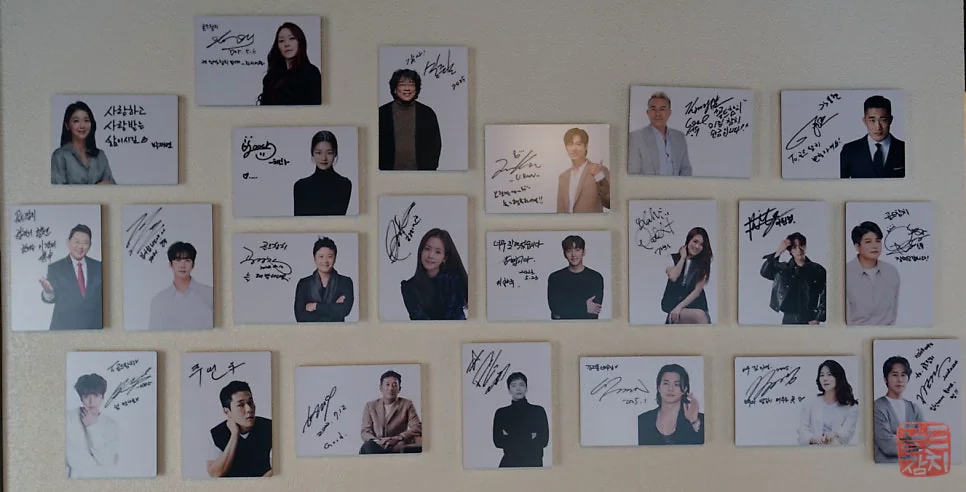
Goldtuna: A destination for celebrated guests
Following this, a distinct shift occurred at our restaurants.
The Travelers: International tourists increasingly head directly to our doors straight from the airport.
Purposeful Visits: Foreign guests seeking to witness the "Somaek performance" in person have surged.
At this point, the preparation of a drink becomes a "Korean cocktail show." The restaurant has transitioned beyond a dining space to become a landmark known to the world.
Beyond celebrity visits: The reenactment of experience
Actor Ji Chang-wook once visited our Sinsa branch.
While I was initially unaware of his global reach, I soon witnessed a phenomenon where international guests visited our restaurant for months as if on a pilgrimage.
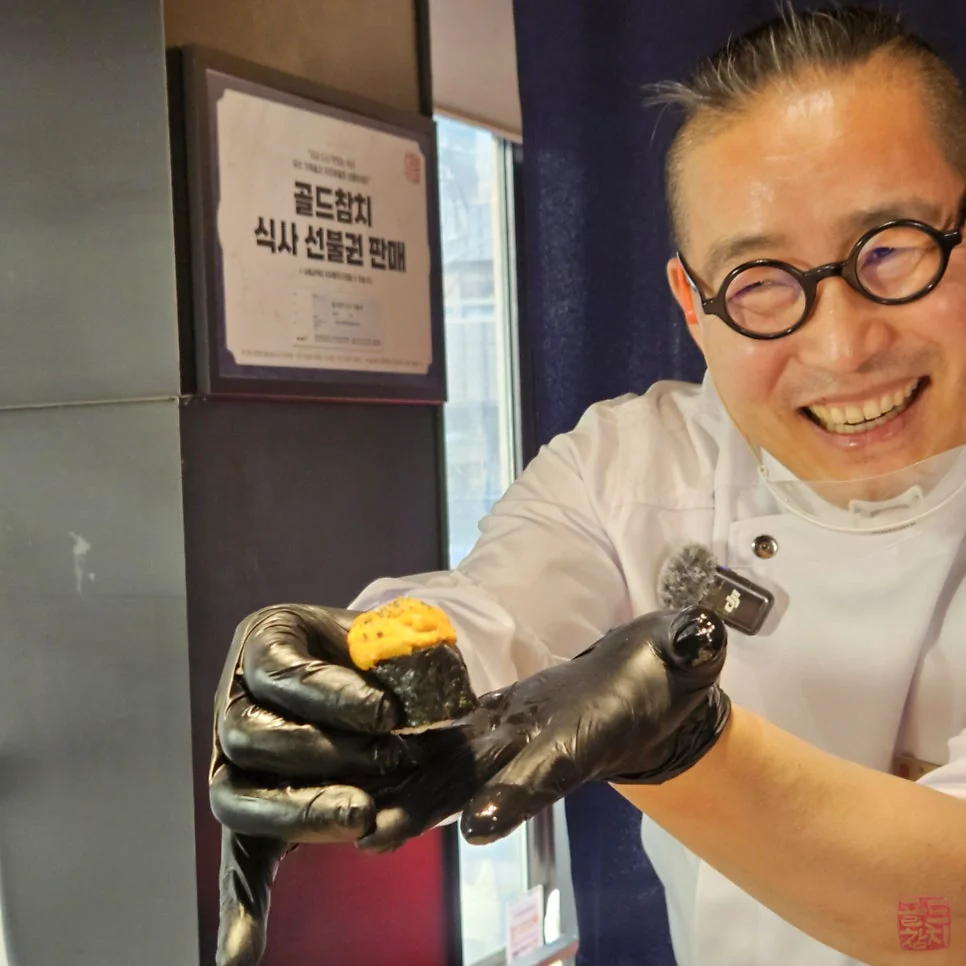
Guests are moved when they are treated with quiet dedication.
These visitors did not come simply for a meal.
They reserved the exact seat where he sat, ordered the same course he enjoyed, and took photographs from the same angle.
They were not merely consuming food; they were reenacting an experience connected to someone they admire.
In these moments, tuna ceases to be just an object of taste and enters the realm of shared experience.
Lessons from a centuries-old Kyoto legacy
Last year, I visited Honke Owariya, a buckwheat noodle shop in Kyoto with over 550 years of history.
Their signature herring soba was:
Salty, sweet, and distinctly fishy.
An unexpected combination by any modern standard.
Admittedly, it was difficult to call it "delicious" by contemporary palate benchmarks.
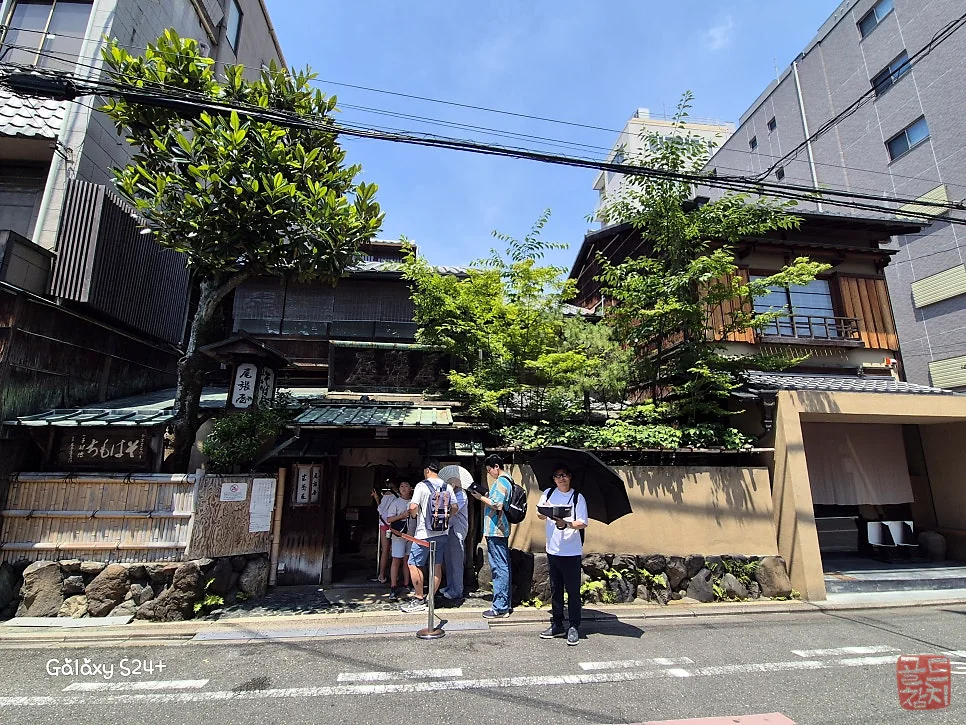
The exterior of Honke Owariya - a moment captured during the visit
Yet, that meal remains one of the most vivid in my life. What I consumed was not just buckwheat noodles, but the 700 years of time the establishment has endured. This experience proved that the value of food is never determined by taste alone.
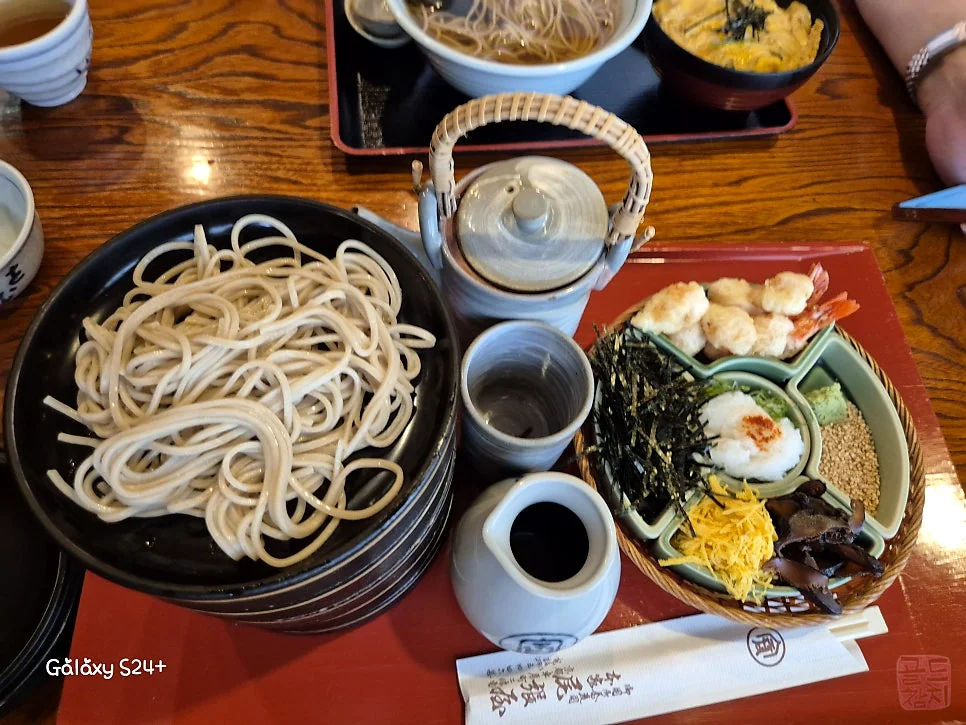
Honke Owariya: A humble bowl of soba
Defining flavor: The sum of memories
While yesterday's lunch may be a blur, a meal eaten long ago on a trip remains vivid. The difference between the two is clear.
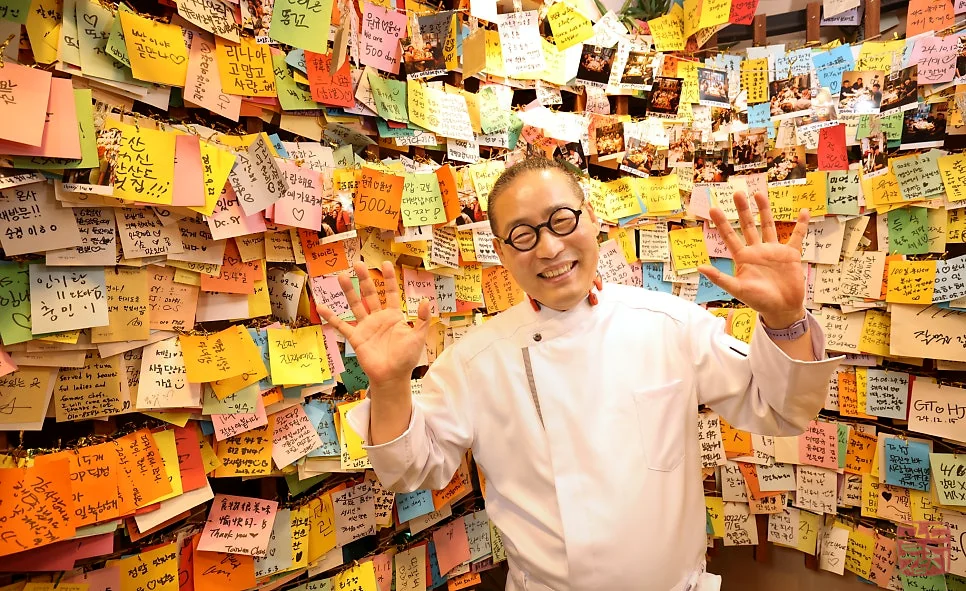
Gratitude notes left by our guests at the entrance
Flavor is not a single sensation.
It is the aroma at the tip of the nose, the texture in the mouth, the air in the room, the company one keeps, and the emotions of the day.
The "sum of memories" formed by these elements is the true identity of taste.
This is why flavor does not merely linger on the tongue; it remains in the heart.
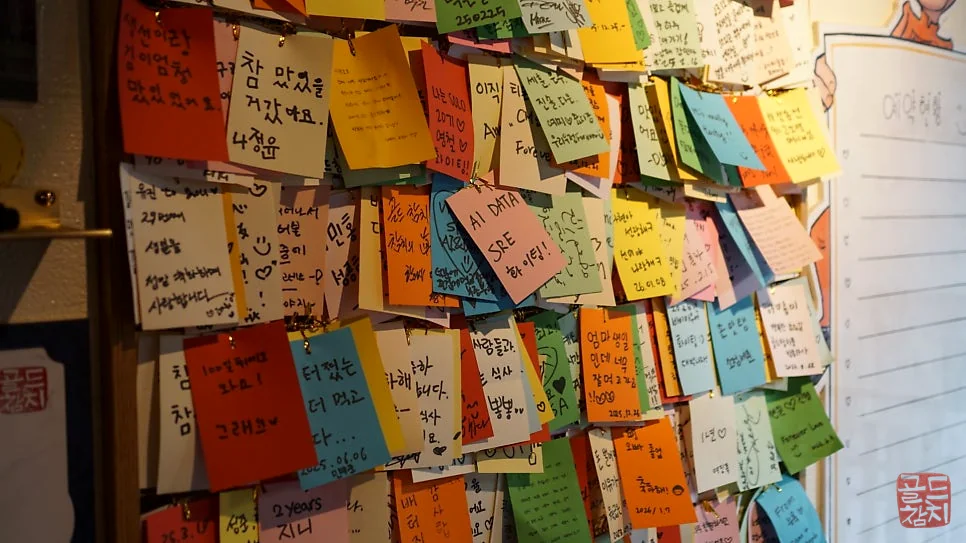
Handwritten stories left behind by our visitors
Taste fades, but memory endures
The content surrounding Goldtuna does not boast sophisticated editing. Most of what you see online are raw, unpolished videos captured directly by our guests.
People come here to confirm in reality the scenes they have already seen on social media—memories that have already begun to take root in their minds.
This is why travelers carry their suitcases through our doors.
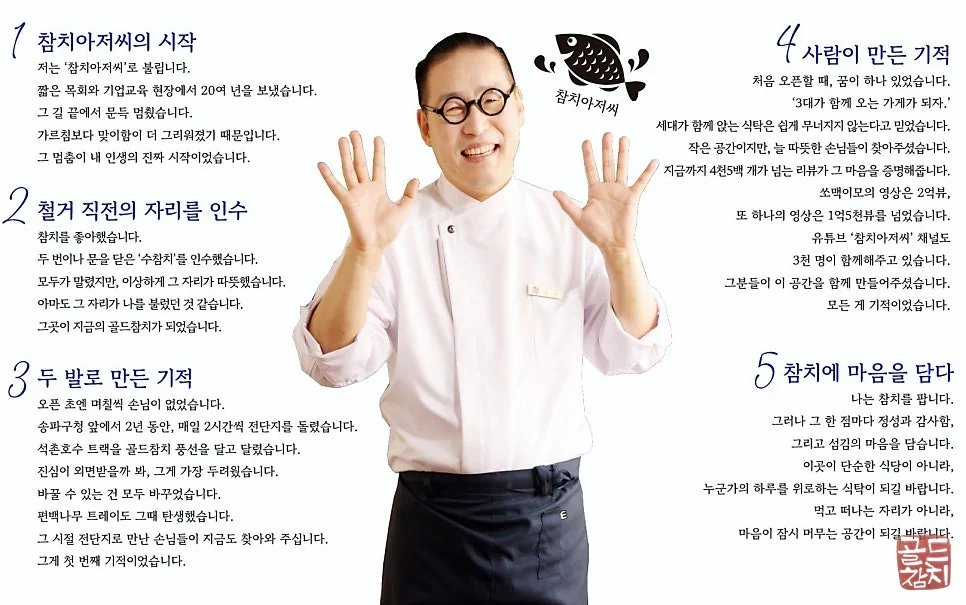
An introduction to our eleven-year journey
Today, Korean cuisine has reached a stage where it must contemplate not only "how to make food more delicious" but also "what we should leave in our guests' memories."
Flavor does not create culture; memory creates culture.
Goldtuna Bangi Branch Reservations
Reservations: 010-5468-0484
Directions: 4 mins from Songpanaru Station Exit 2, 10 mins from Jamsil Station Exit 8
Parking: Managed at the [Nolboo Sulfur Duck Jamsil] valet booth before arriving at Goldtuna.
Goldtuna Sinsa Branch & Valet Information
Reservations: 010-5478-0484
Directions: 10 mins from Sinsa Station Exit 5, 10 mins from Apgujeong Station Exit 5
Parking: Please call upon arrival. A valet attendant will assist you shortly.
Menu Information
Lunch: Lunch B Course (35,000), Lunch A Course (45,000), Lunch Special (60,000)
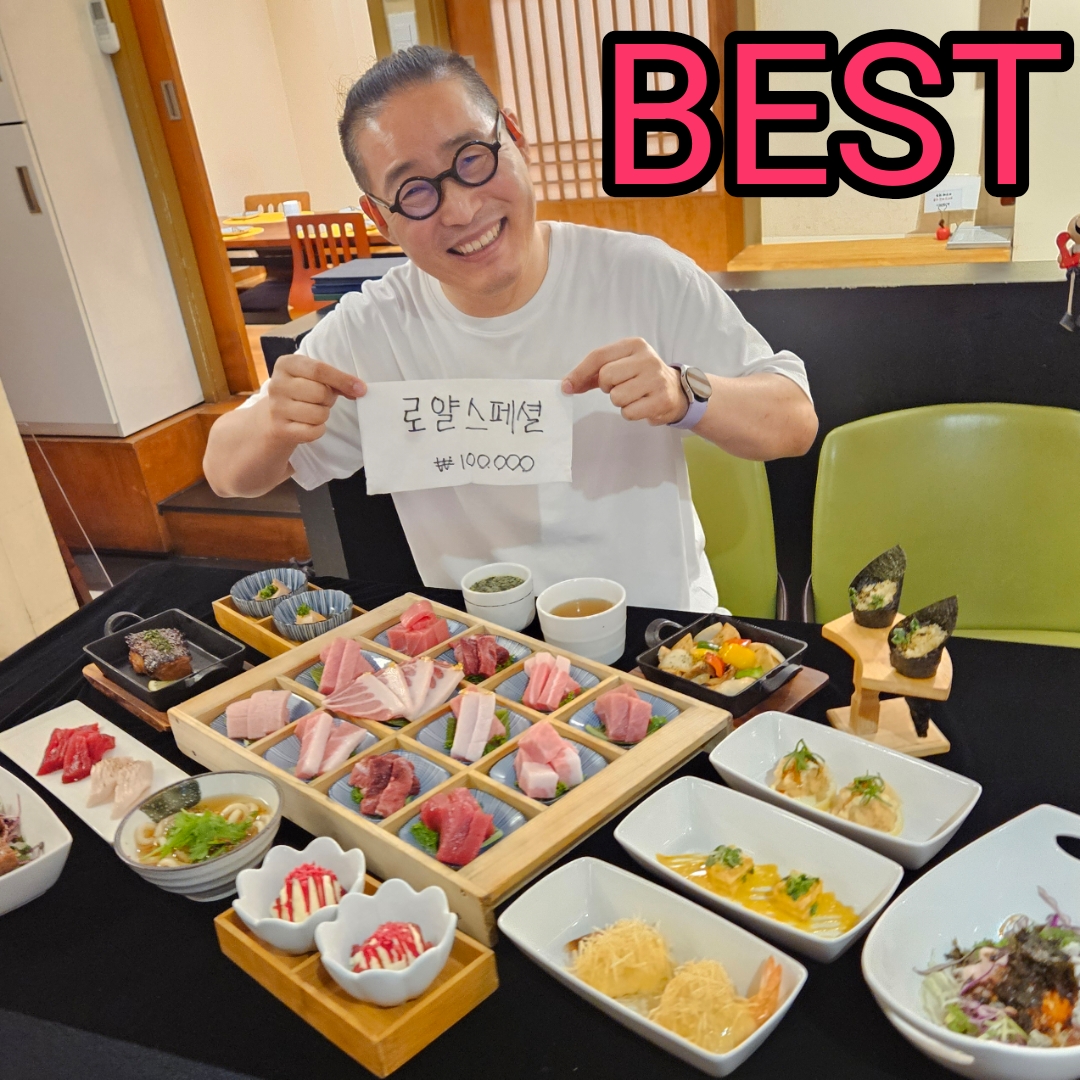
Dinner: VIP Special (80,000), Royal Special (100,000), Omakase Special (130,000)
Thank you for reading our story.
Yeon Choi, Goldtuna.