
[When did the art of cooking truly begin? And at what point did we start to weigh the nuances of flavor? This reflection traces the journey of food—from a time when cooking was a mere tool for survival to the moment taste was born as a form of culture.]
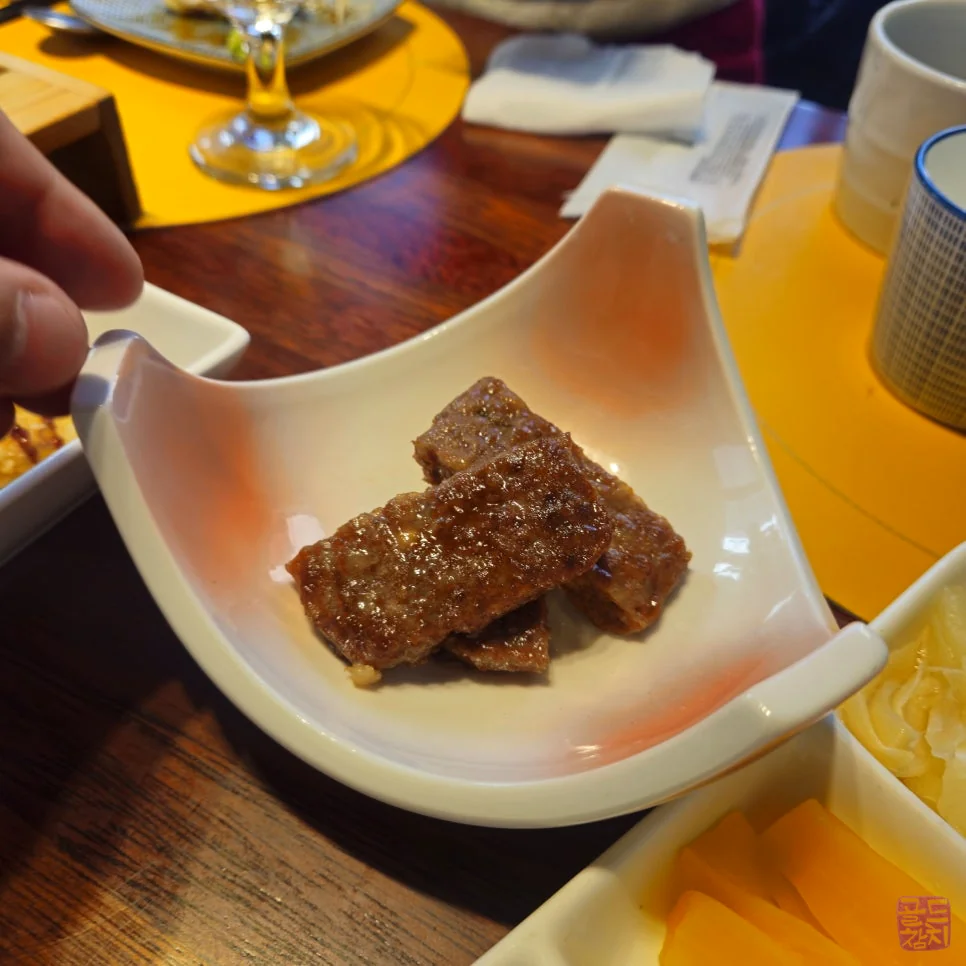
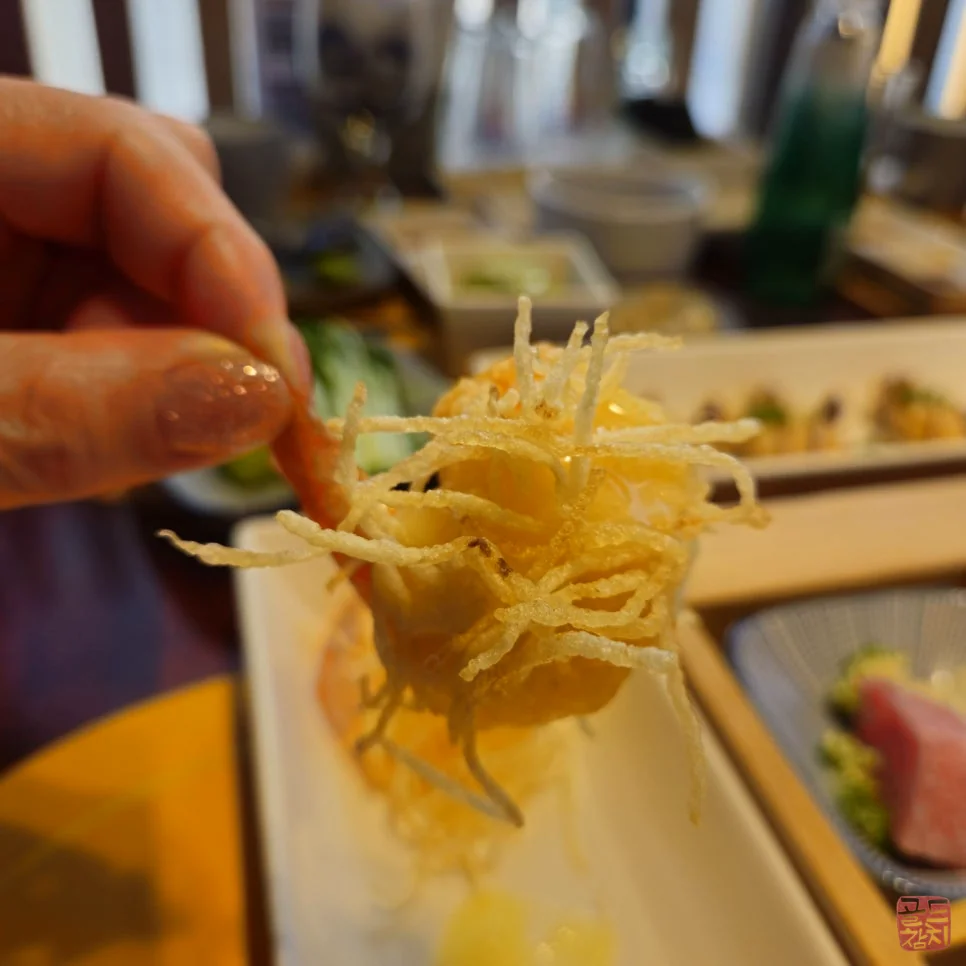
Grilled rib patty vs. Crispy cream shrimp
The history of taste is shorter than we imagine.
Today, we are seasoned travelers of the palate. We seek out renowned kitchens, photograph our meals, and share our culinary experiences with the world. We are fluent in the language of comparison, discussing which dish excels and why.
Taste feels like an eternal standard, a natural lens through which we view food. Yet, if we look back through the fog of time, this perspective is remarkably modern.
While humanity has been preparing food for ages, the era in which we prioritized flavor over function is surprisingly brief.
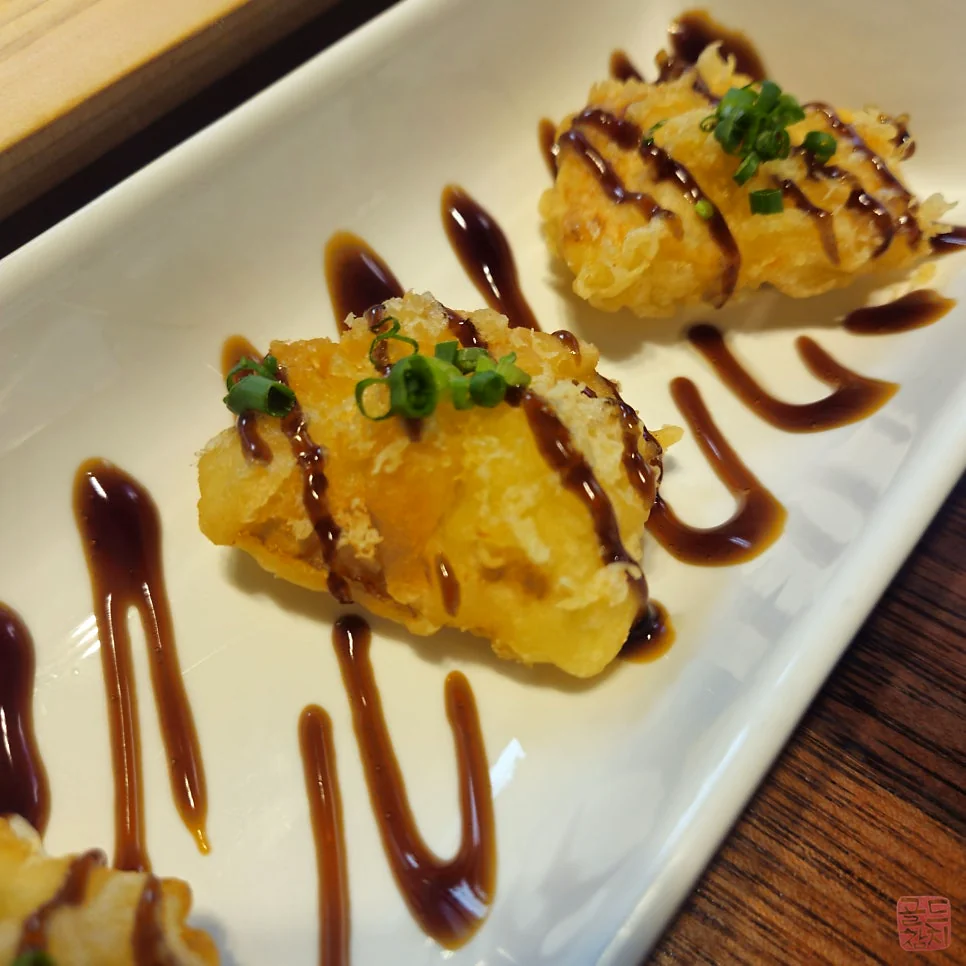
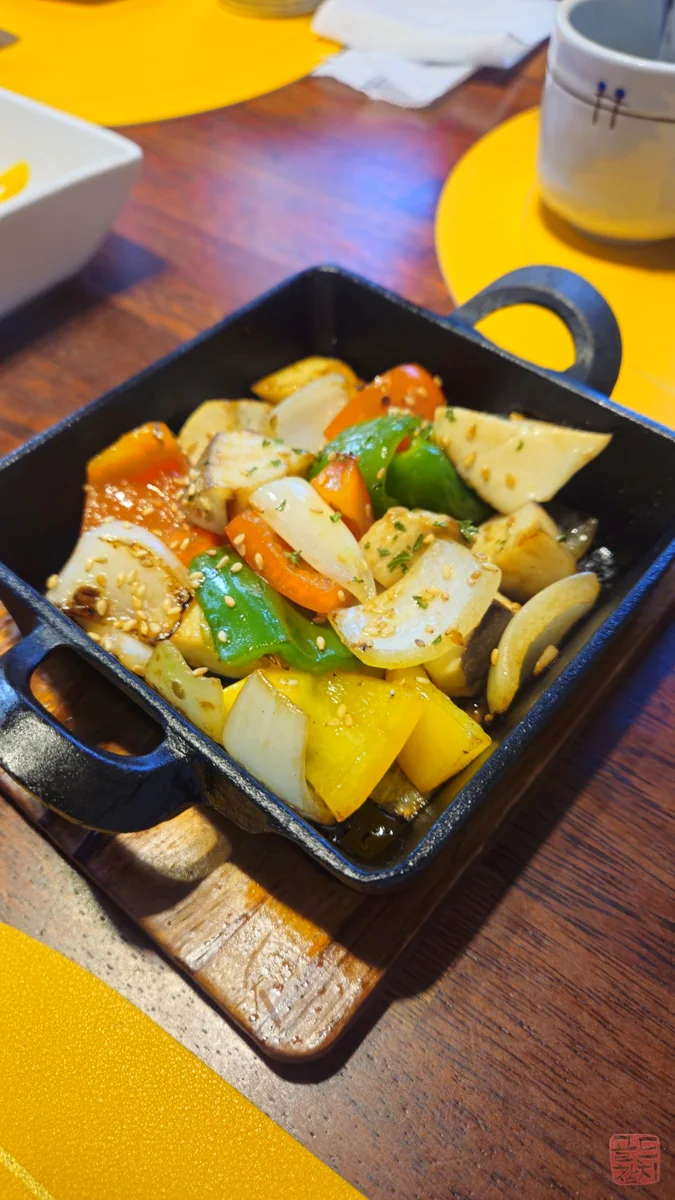
Fried tuna vs. Sautéed mushrooms
Fire was discovered, but cooking was not yet an invention.
Humanity first harnessed fire nearly 1.7 million years ago. However, it would be a mistake to say that the art of cooking began at that precise moment.
In those early days, cooking was an accident rather than a plan. A piece of meat would fall into the flames; it became softer, easier to chew, and lighter on the stomach.
We ate it because it aided our survival, not because it delighted our senses. It was a matter of biological efficiency.
During this era, preparation was not a craft. It was simply the utility of heat. There was no design for flavor, no meditation on aroma.
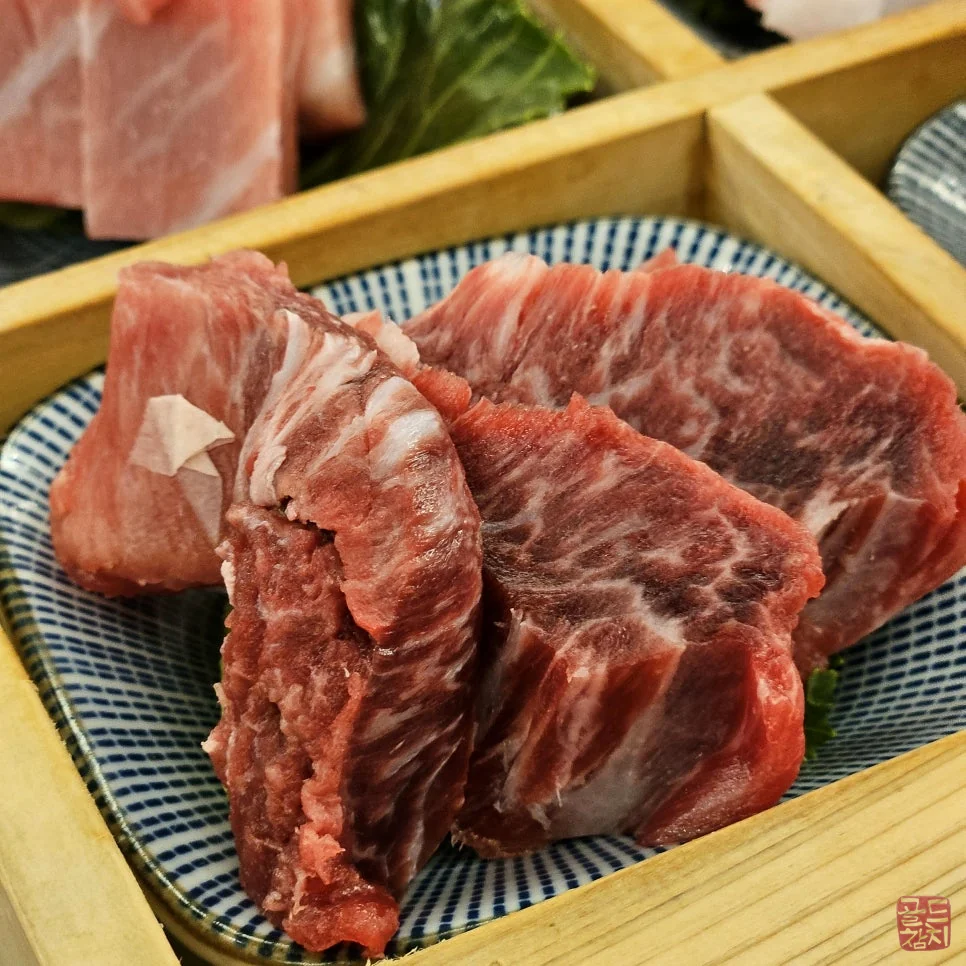
Bluefin tuna collar fin
Techniques multiplied, yet the purpose remained the same.
As millennia passed, methods of preparation slowly diversified. We learned to wrap food in leaves, to craft vessels for boiling, and to explore steaming and stewing.
On the surface, this appeared to be the evolution of cuisine. Yet the underlying intention remained rooted in the past.
Every innovation served a singular goal: to make food safer and to make it last.
Cooking was still a technology of endurance. Taste was neither the benchmark nor the reason for the choice.
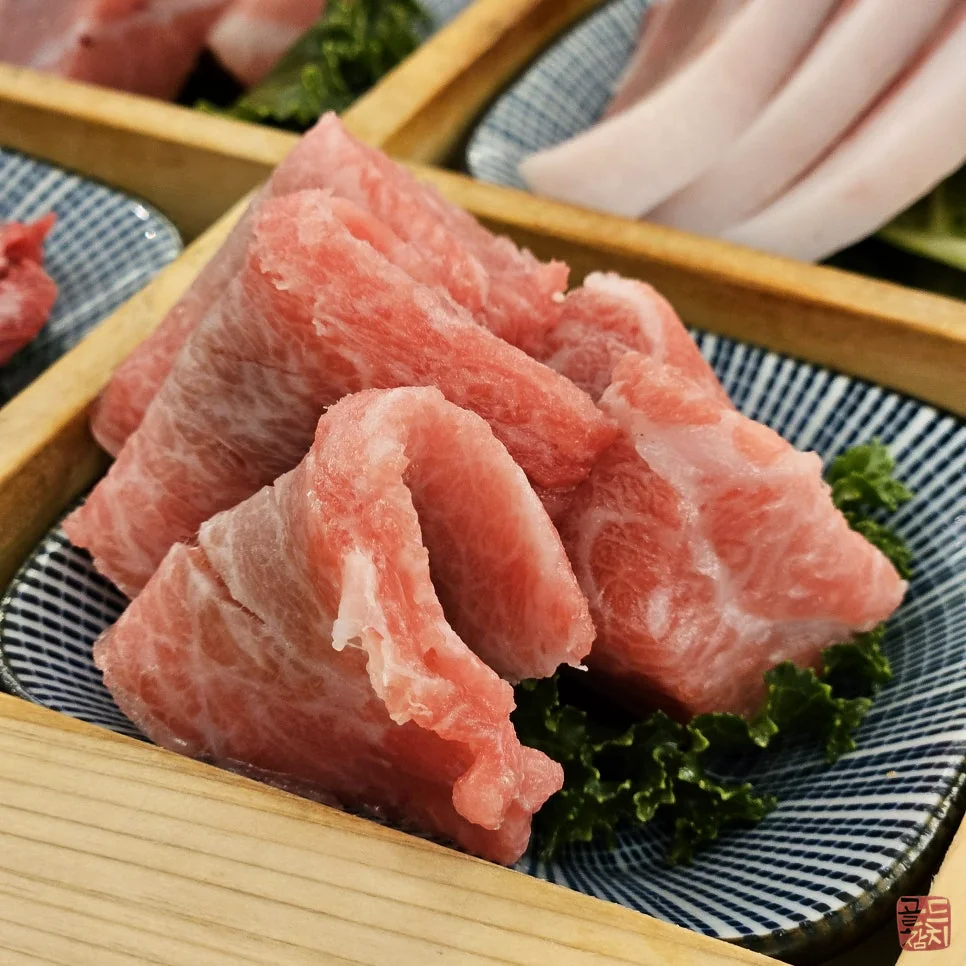
Perfectly aged bluefin tuna belly
For most of history, flavor was a luxury.
We often speak of food culture as something ancient. More accurately, the act of eating is ancient; the pursuit of taste is not.
For the vast majority of our history, humans lived with a different set of questions.
What can I find to eat today? Can I survive until evening? Will there be anything left for tomorrow?
Taste is a sensation that arrives only after the stomach is full and the anxieties of tomorrow are stilled.
Thus, for a very long time, there was cooking, but there was no "taste."
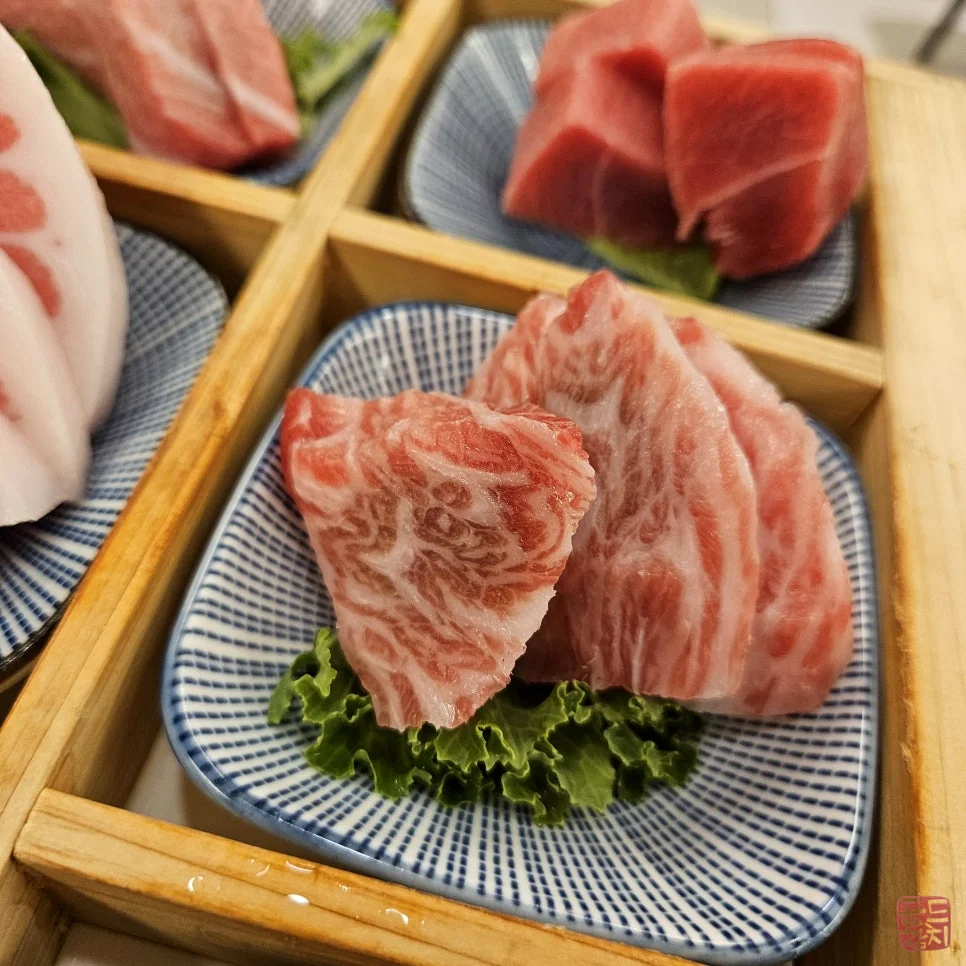
Bluefin tuna collar
Cooking is a craft; taste is a culture.
From this, we can draw a clear distinction.
Cooking is a matter of skill, but taste is a product of culture.
While skill was required for survival, culture was the fruit of abundance and social structure.
For flavor to become a priority, there had to be a surplus of ingredients, time to spare, and the luxury to find joy in the act of eating itself.
These conditions were absent for the majority of the human experience.
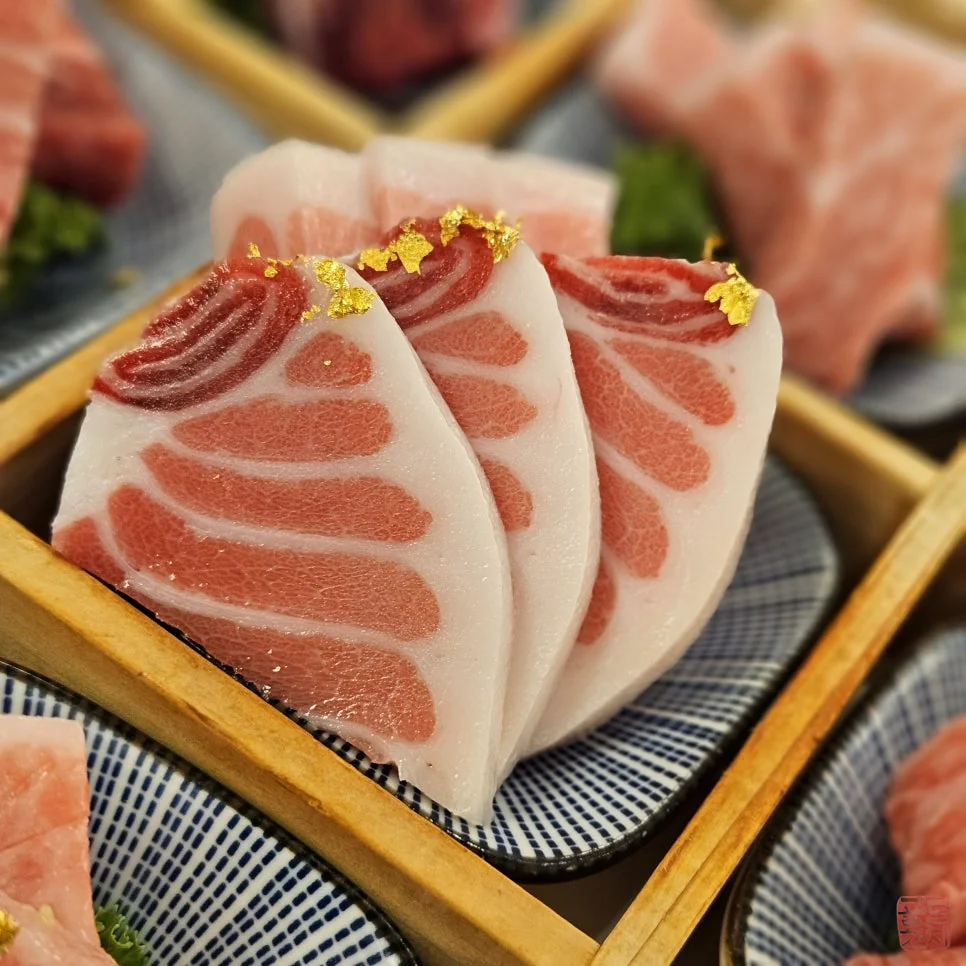
Bluefin tuna belly tip
The flavors we cherish are surprisingly young.
What we now take for granted as “exquisite food” is, in the grand timeline of humanity, a very recent arrival.
The act of cooking is ancient, but taste only truly bloomed after society and its foundations had shifted.
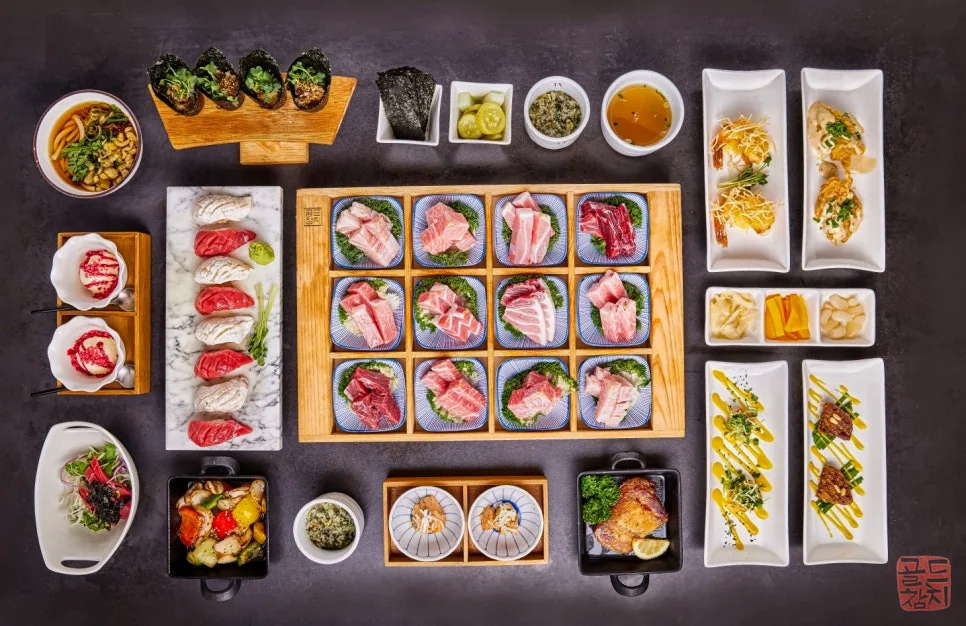
The Tuna Omakase Special Selection
In our next chapter...
We will explore why flavor remained confined to the tables of a few for so long, and why those grand tables were perhaps more restrictive than we believe.
Flavor is not merely a result of progress. It is a quiet presence that reveals itself only when the world begins to change.