
[Did you know that tuna has its own hierarchy of quality? Here, we outline the criteria for ‘Tuna No. 9,’ a standard first defined by Goldtuna.]
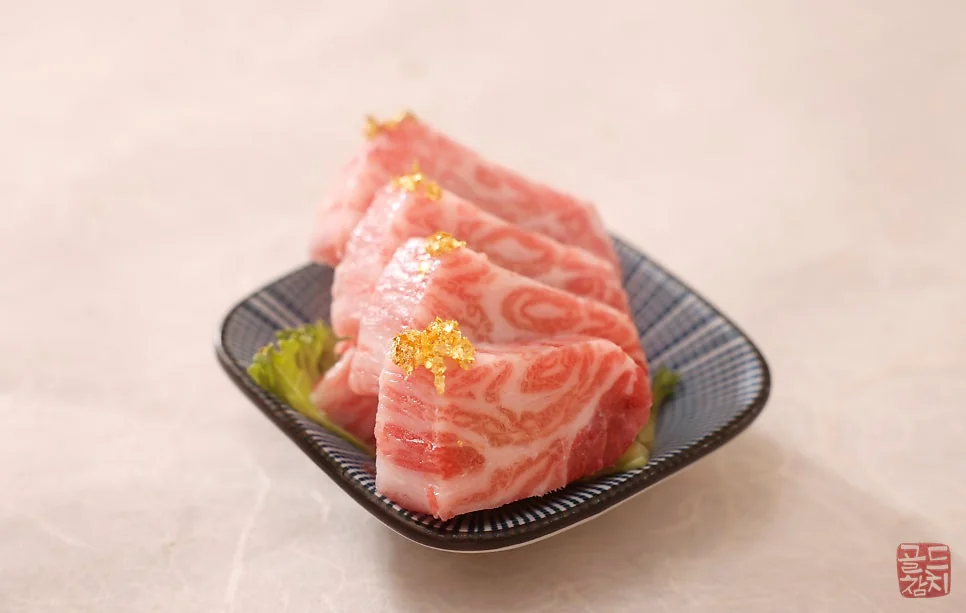
Tuna No. 9 Collar Meat
1. A Defined Standard for Quality
Most people judge tuna by its price tag.
There is a common belief that a high price equates to quality, while a lower price suggests mediocrity.
However, within the world of high-end Japanese cuisine,
the quality of Bluefin tuna has long been distinguished by precise metrics and specific conditions.
The issue was that these standards were rarely explained clearly to the guest.
Goldtuna reveals this transparency through our ‘Tuna No. 9’ standard.
Tuna No. 9 is not merely a name;
it is a language of quality defined by data.
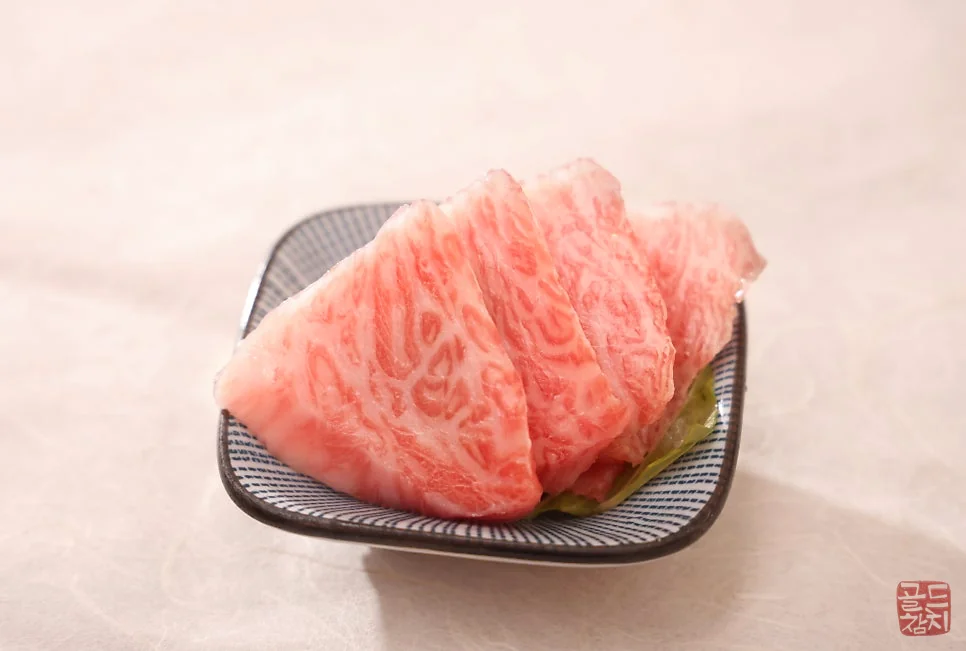
Tuna No. 9
2. Defining Tuna No. 9
Tuna No. 9 is a premium system of specifications.
It is not a marketing title,
nor is it based on the fleeting intuition of a chef.
It is an internal quality benchmark that quantifies the philosophy of handling fish, the technology of aging and preservation, and the rigor of selection.
It can be summarized in a single thought:
Tuna No. 9 is not defined by 'being delicious';
it is tuna that has surpassed every strict condition.
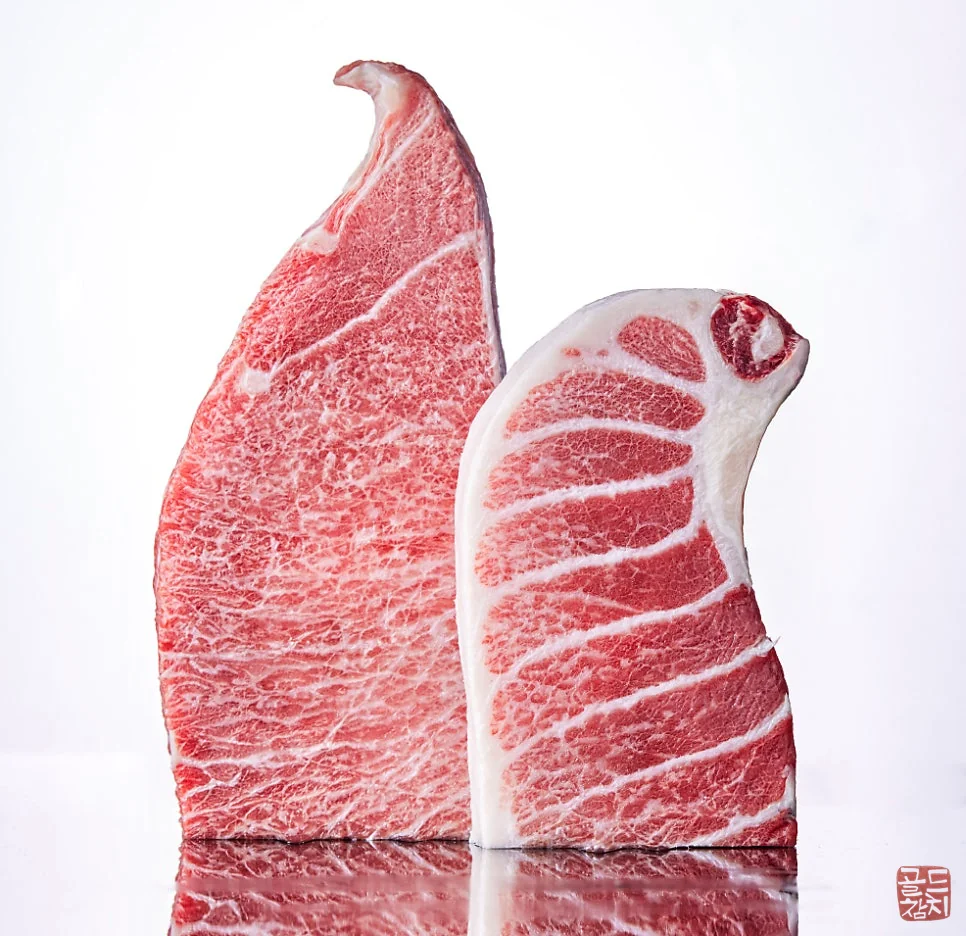
Fatty Collar Belly
3. The Five Absolute Criteria
① Aging Standard
Stabilized aging at 0°C for 5 to 8 hours.
This minimizes tissue damage and maintains a perfect equilibrium between fat and protein.
② Marbling Standard
A fat content of 60% or higher.
We only accept structures where the fat is distributed as delicately as falling snow.
③ Cut Standard
Exclusively limited to the collar and the forward section of the belly.
These are rare cuts, yielding only about 4kg per fish.
④ Specimen Standard
Large Bluefin tuna weighing over 160kg.
Only specimens that pass the test for fat distribution density and homogeneity are used.
⑤ Freshness Standard
A vibrant pink or light pastel hue.
The meat must maintain a transparent luster even under direct inspection.
If even one of these five conditions is not met,
the No. 9 designation is never granted.
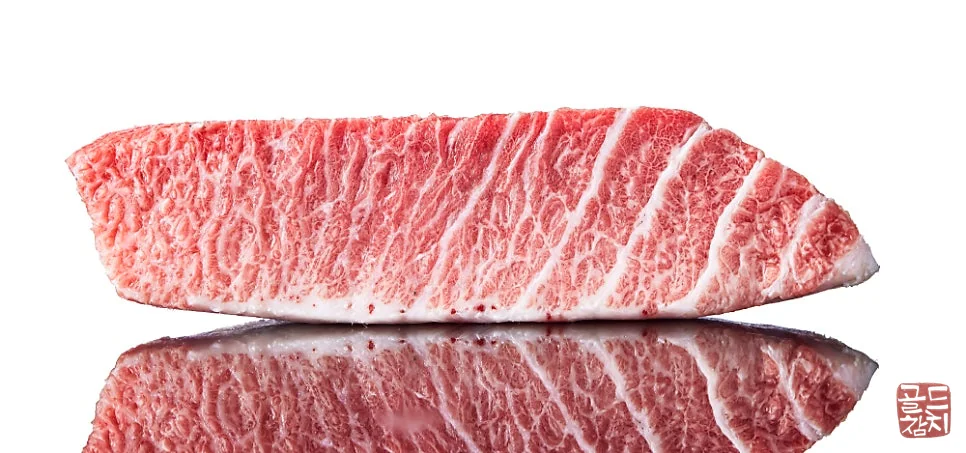
Premium Collar Belly
4. Management Through Science
Goldtuna applies a three-stage inspection upon arrival:
Visual Assessment
Fiber Structure Analysis
Color Index Comparison
The aging process is monitored with digital logs accurate to 0.1°C.
The history of each specimen is fully traceable.
Tuna is a living thing,
but its management must be a science.
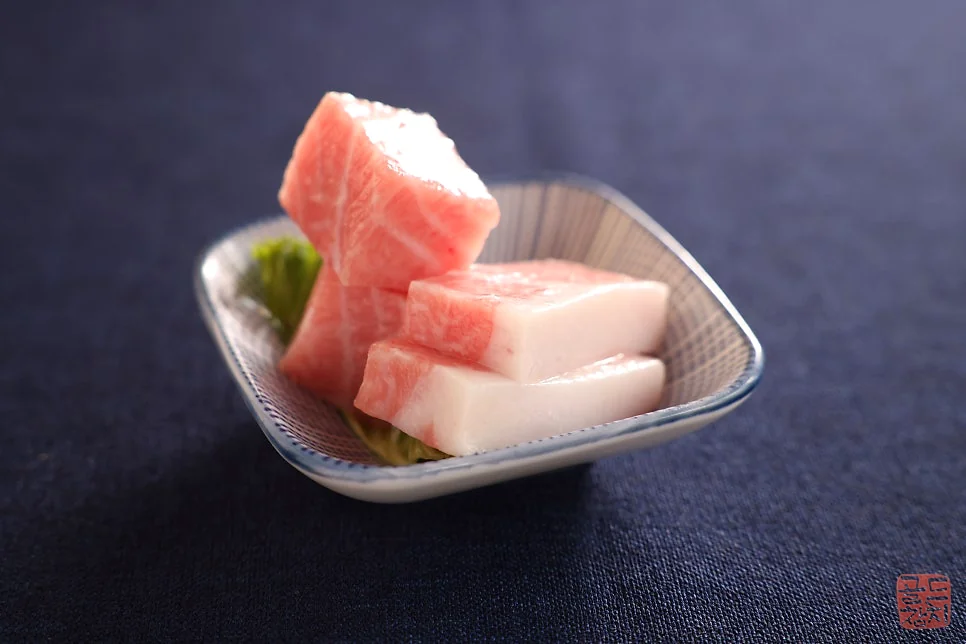
Bluefin Tuna Cubed Snow-dish
5. The Reason for Our Obsession
Tuna No. 9 accounts for less than 1% of the total global catch.
Therefore, our tuna is not good because it is expensive;
it is expensive because it is fundamentally exceptional.
Guests do not need to memorize the number 9.
The moment you taste a single piece, the sensation that "this is different" explains the standard better than any words.
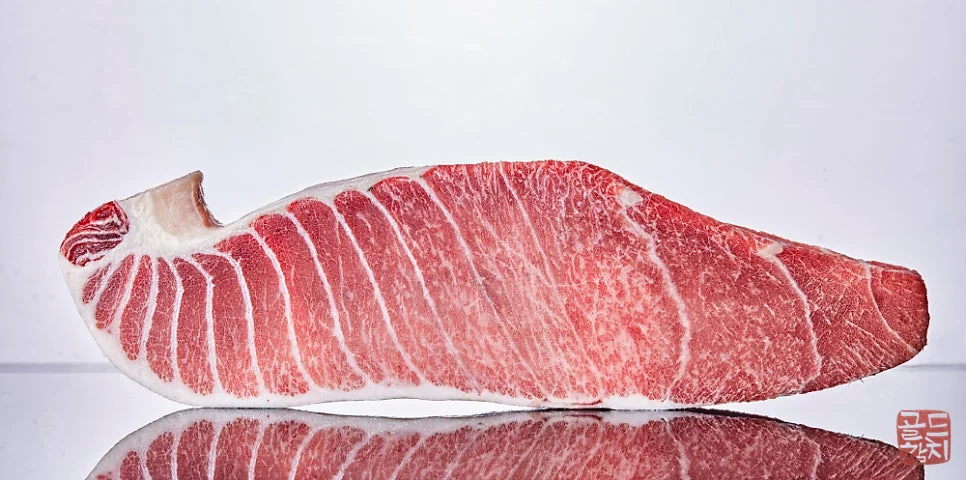
No. 1 Belly (Otoro)
6. The Philosophy Behind the Number
Tuna No. 9 is more than a grade.
It is our attitude toward life, our quiet dedication in waiting, and our rigor in selection.
The time of devoted care, the temperature of gratitude, and the art of sincere service.
This is how we define Tuna No. 9.
Tuna is not a food to be judged only by flavor;
it should be evaluated by the heart that handles a life.
Tuna No. 9 is the result of turning that heart into a standard.
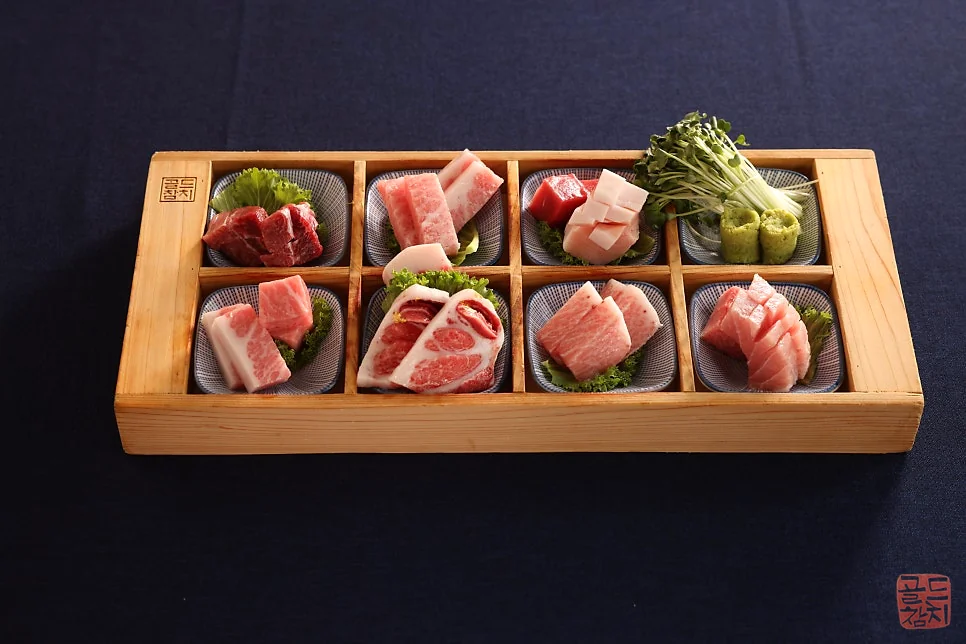
Bluefin Tuna Platter
7. Rarity and Operating Policy
Limited to 10 guests per day
By reservation only
Uniform standard at Sinsa and Bangi branches
Included within the 'King's Banquet 15-Course'
No. 9 is not a tuna you can find every day,
but a standard you encounter only when the preparation is complete.
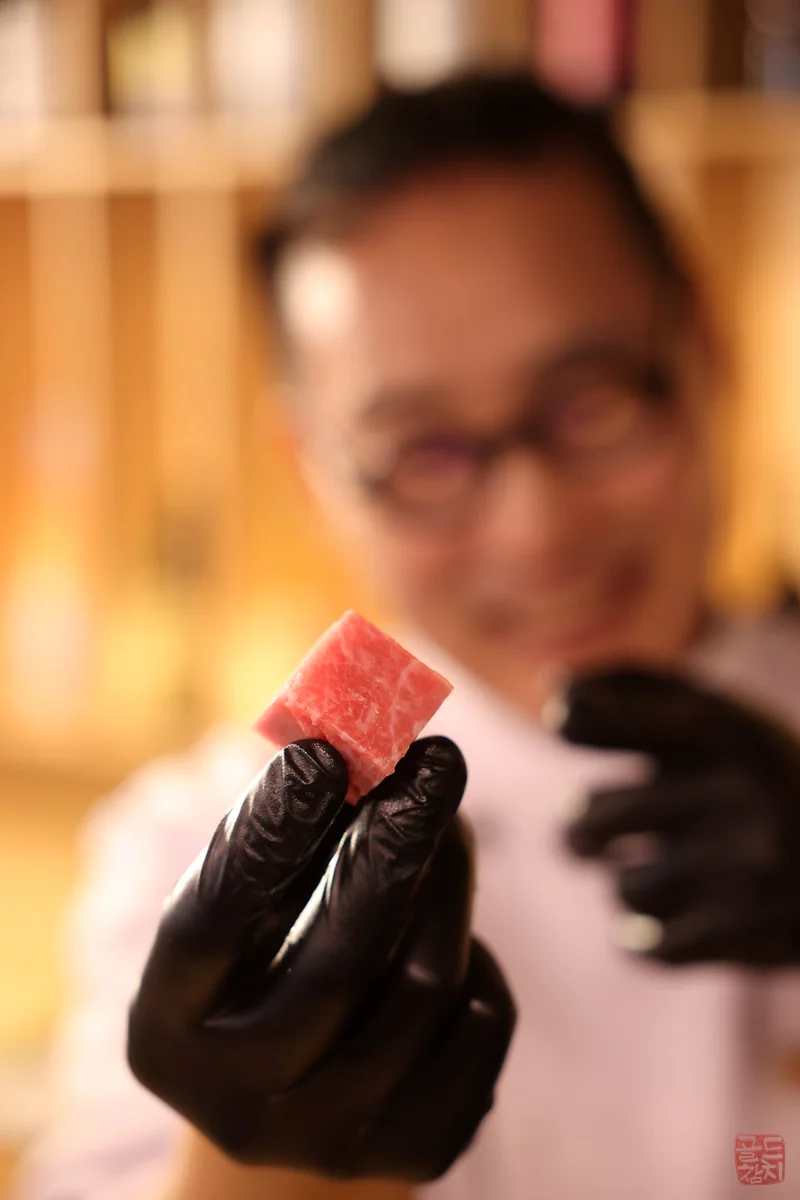
Cubed Snow-dish
8. The Enduring Power of a Standard
Excellent tuna is never a matter of chance.
It is the result of a system that sets, protects, and reveals its criteria.
The dignity of our brand is proven not by our words, but by the accumulation of our choices.
Goldtuna, where Tuna No. 9 lives.
This is the only standard you need to remember.
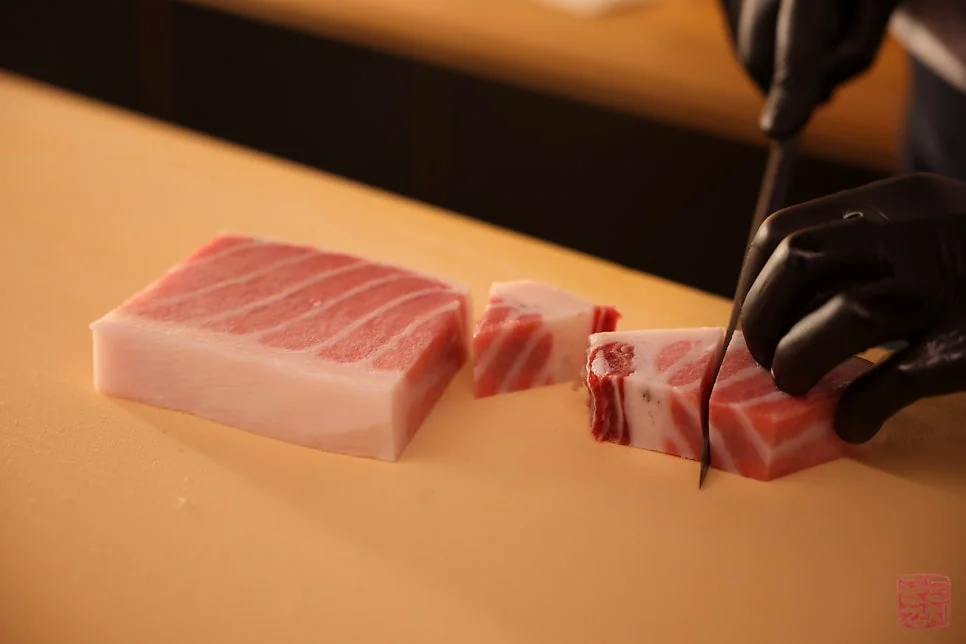
The Art of Slicing Bluefin
'Tuna No. 9' Reservations
Goldtuna Bangi: 010-5468-0484
125 Ogeum-ro, Songpa-gu, Seoul

Goldtuna Sinsa: 010-5478-0484
11 Apgujeong-ro 10-gil, Gangnam-gu, Seoul
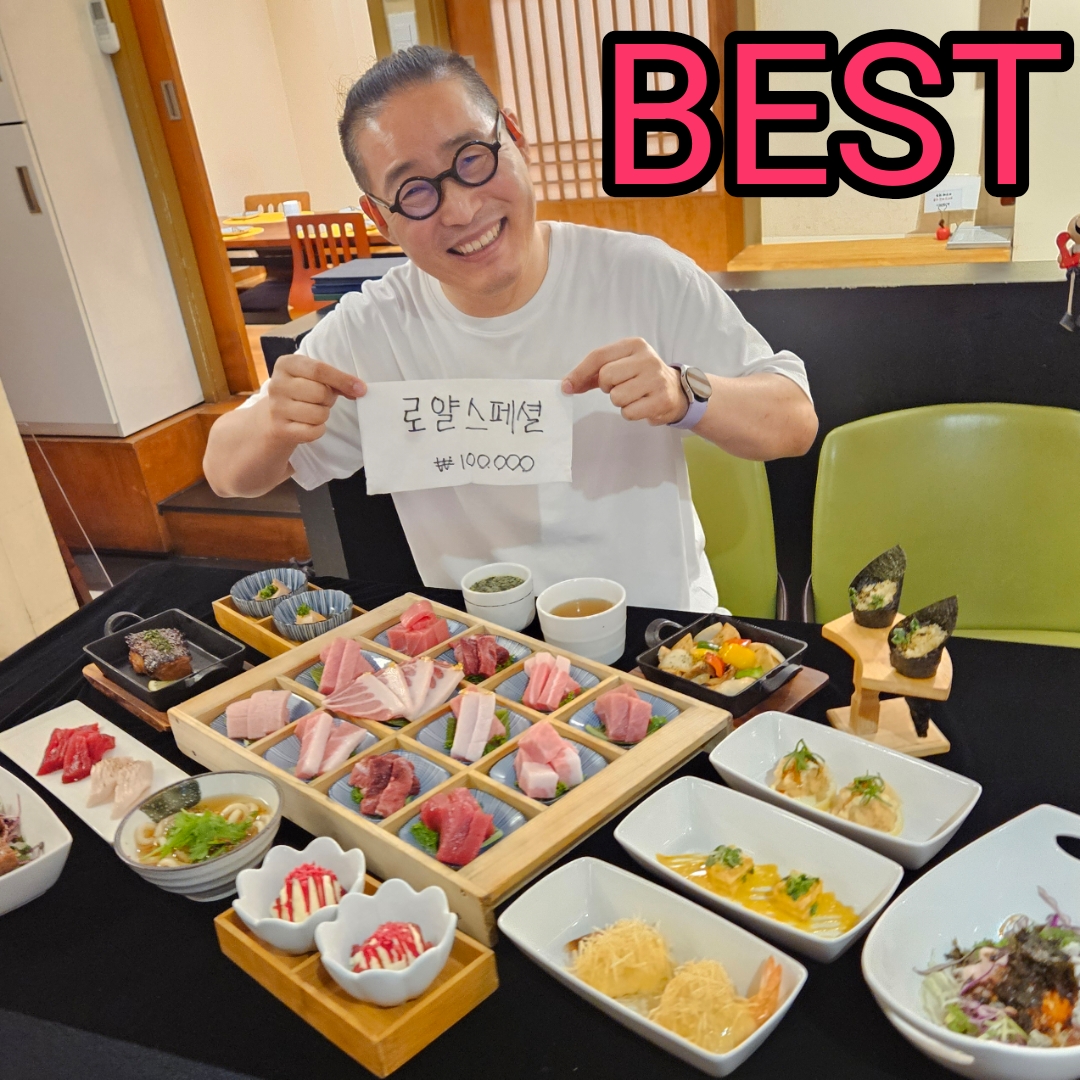
Thank you for sharing this moment with us.
We look forward to welcoming you soon.