
Why Every Tuna Restaurant Tastes Different
"Is every tuna the same?" This is the most common question from those new to the world of fine sashimi. However, the experience shifts entirely depending on the species selected and the specific cut chosen.
Today, I want to share the honest standards we have upheld for fifteen years at Goldtuna.
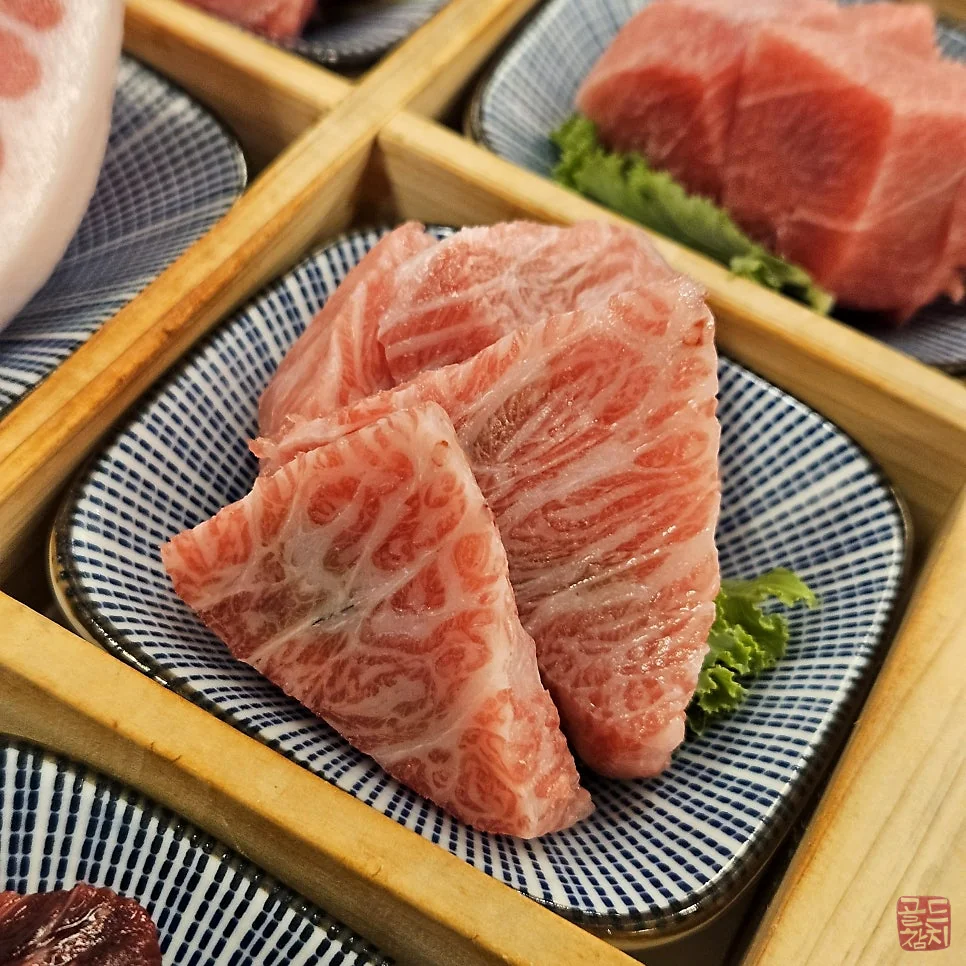
The five distinct worlds of tuna
-
Bluefin Tuna is the pinnacle of the species, harvested from the Mediterranean and North Pacific. It is defined by its deep complexity and rich, velvety fat.
-
Southern Bluefin Tuna, sourced from tropical waters, offers a premium quality that rivals the traditional bluefin.
-
Bigeye Tuna is prized for its vibrant red hue and its soft, approachable texture.
-
Beyond these lie Yellowfin and Skipjack. These varieties have significantly less fat and a thinner texture. To be frank, these are the types most commonly found in budget-friendly establishments.
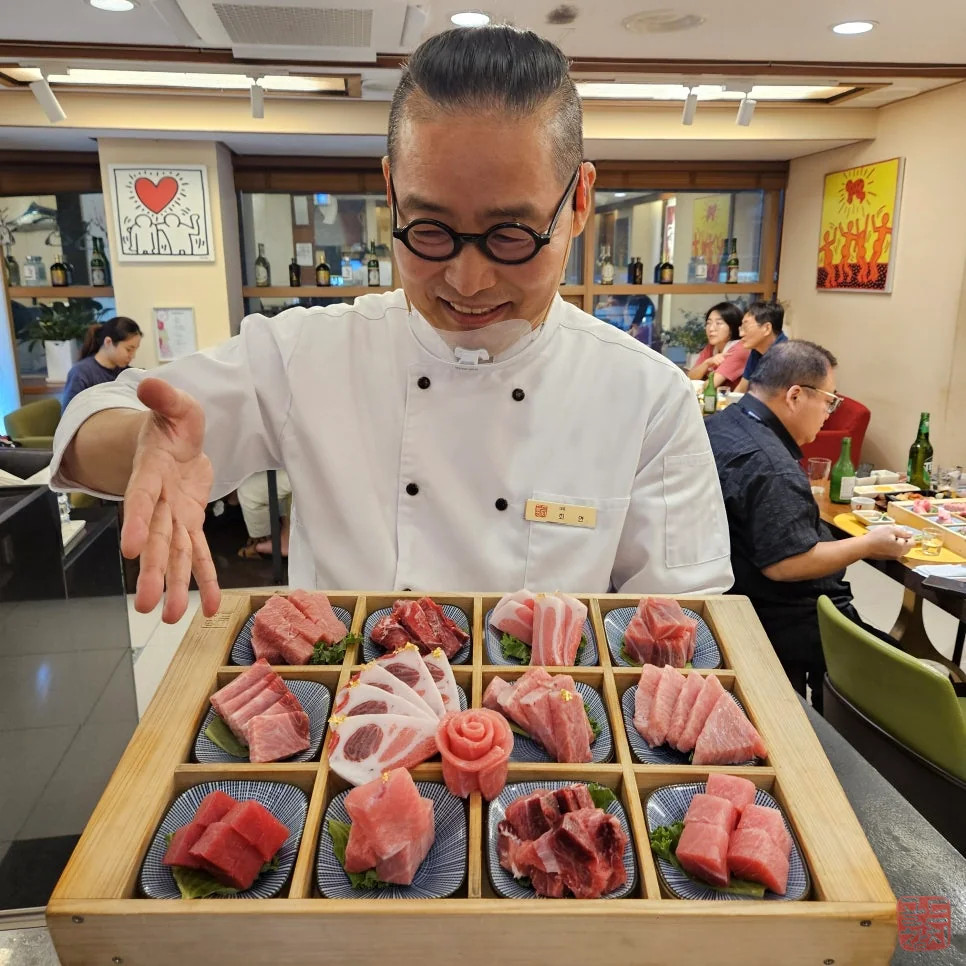
A moment captured before the service begins
Deciphering the cuts: Beyond the names
When discussing tuna, people often use traditional terms like fatty belly or medium-fatty belly. However, these labels can be ambiguous. Guests frequently ask whether a certain cut is defined by its marbling or its grain.
Because every restaurant uses its own standard, the terminology can be confusing.
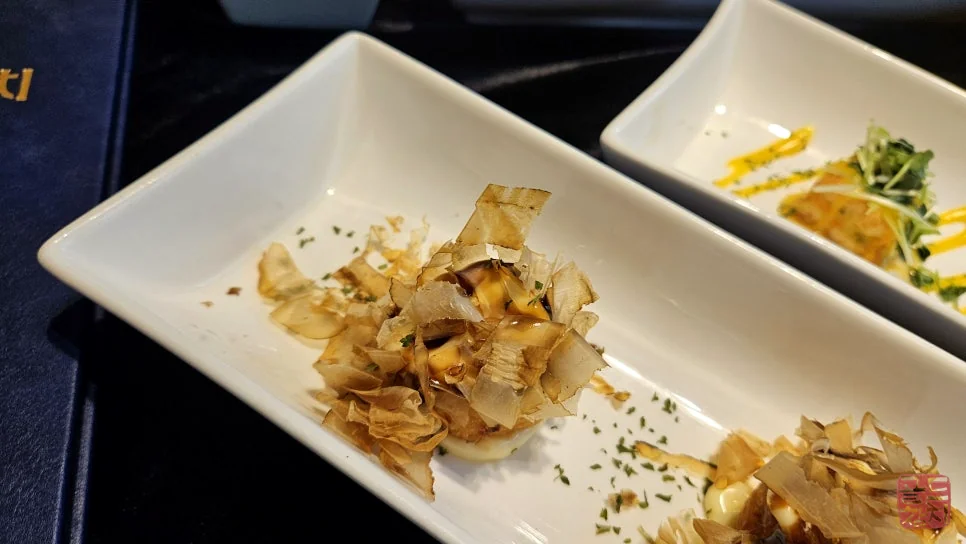
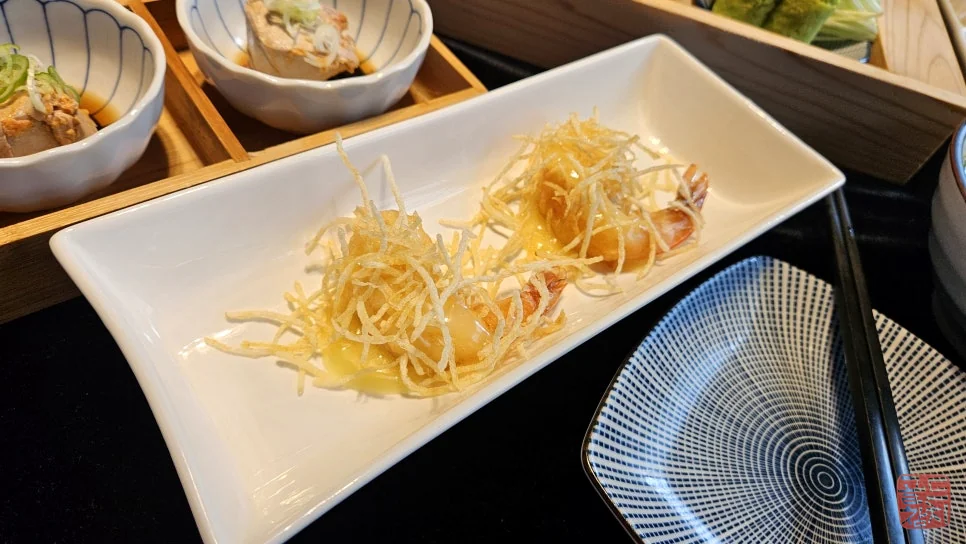
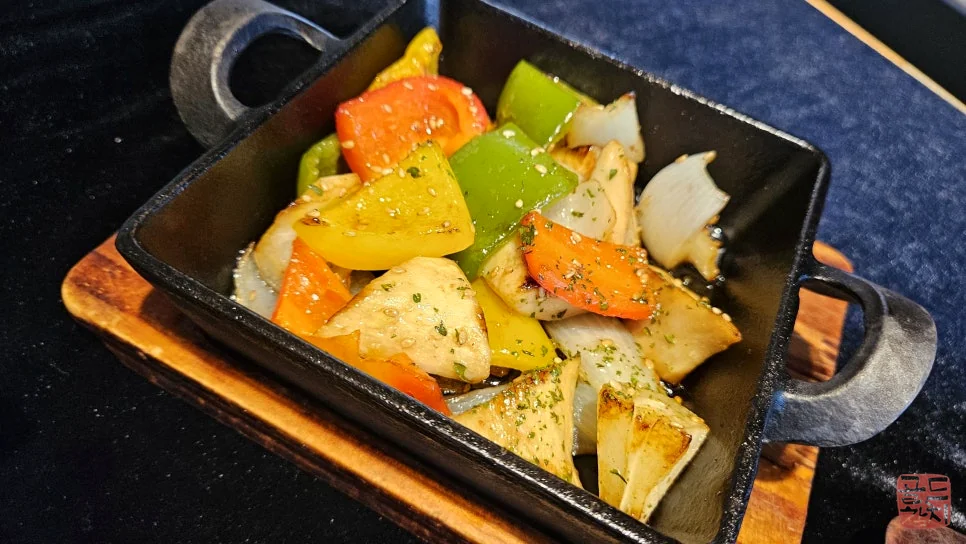
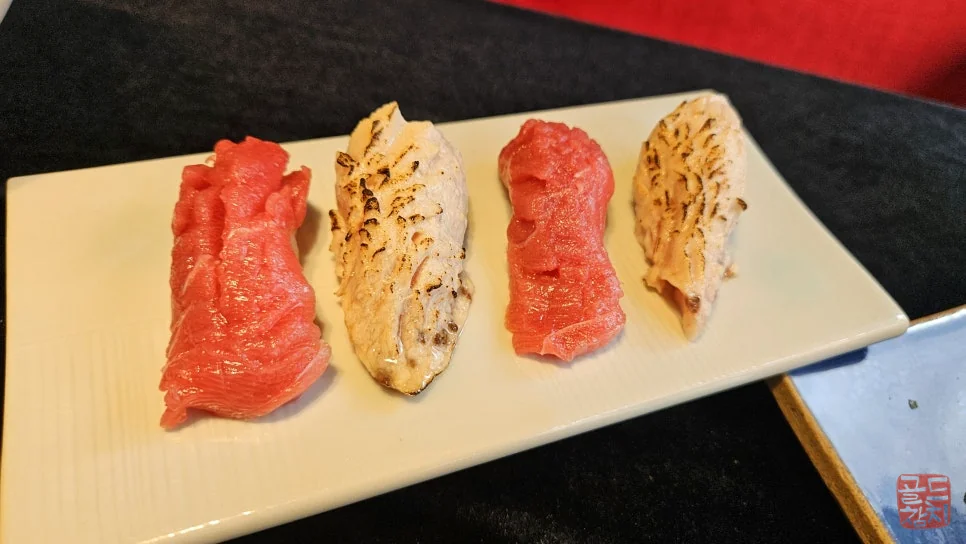
A course that invites a second serving
-
We categorize the belly cuts from number 1 to 5 for clarity. Number 1 is the foremost section, representing the most decadent and fatty portion available. As we move toward the tail (number 5), the fat content decreases, yielding a firmer texture.
Aside from the belly, we serve specialty cuts like the neck, the lean red meat, the back, the tail, and the head. The neck meat is considered a rare delicacy with an incomparable taste, while the lean red meat offers a pure, gentle softness.
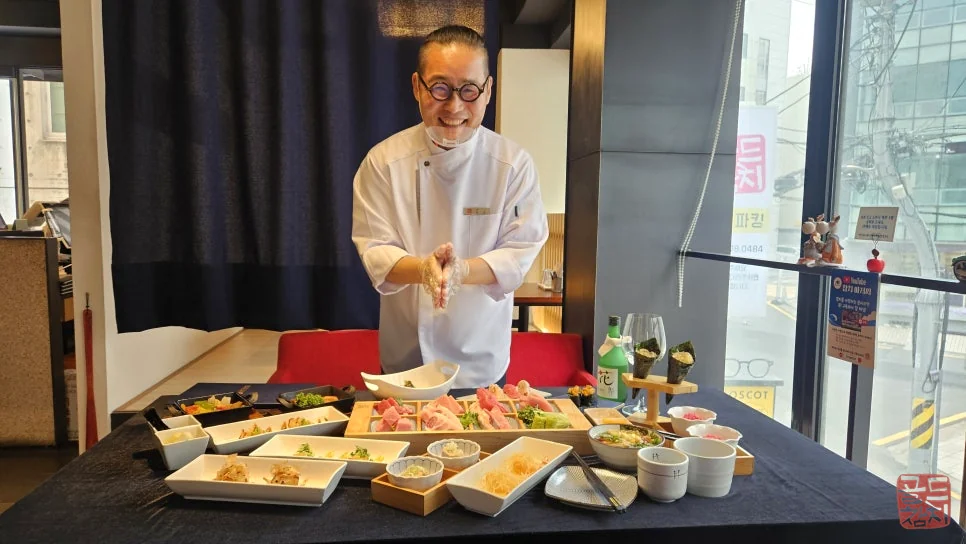
The craftsmanship of the house
The Goldtuna standard: Why we are so selective
Tuna is a matter of quality, never quantity.
-
Goldtuna exclusively uses the number 1 section of Bluefin belly, the finest neck meat, the prime lean cuts, and the fin cuts.
-
We select only the belly portions of Southern Bluefin.
-
For Bigeye, we strictly choose the foremost front section of the belly.
Why go to such lengths?
Because the distribution of fat, the grain of the meat, and the overall flavor change completely depending on the specific location of the cut.
Our principle is simple: to use only the most exceptional cuts worthy of a fifteen-course feast.
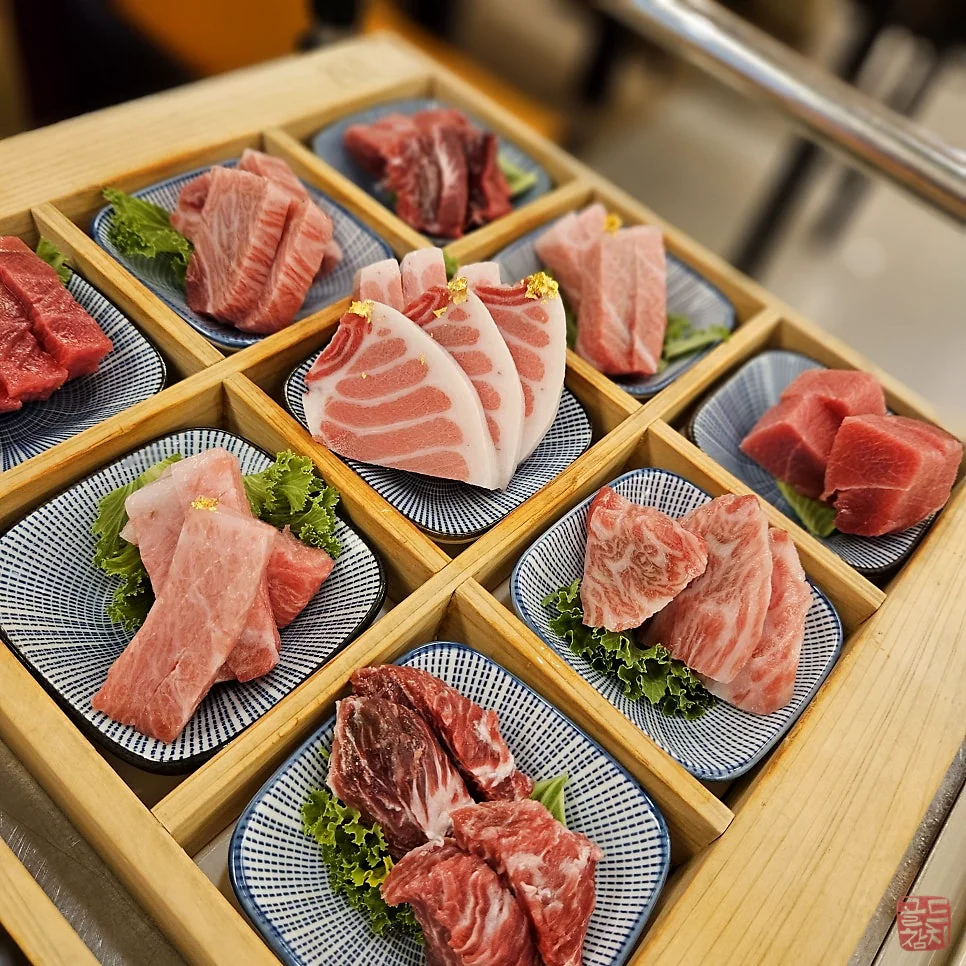
The art of the slice
The art of tasting pure flavor
"Should I wrap it in seaweed?" "Isn't it better with white kimchi?"
I will speak candidly. Wrapping premium tuna in seaweed, seasoned vegetables, or strong garnishes masks the elegant flavor of the most expensive cuts.
Savor it as it is. Experience the unadorned richness. The way the fat melts on the tongue, the subtle texture of the flesh, and the deep resonance of the ocean. This is the true essence of tuna.
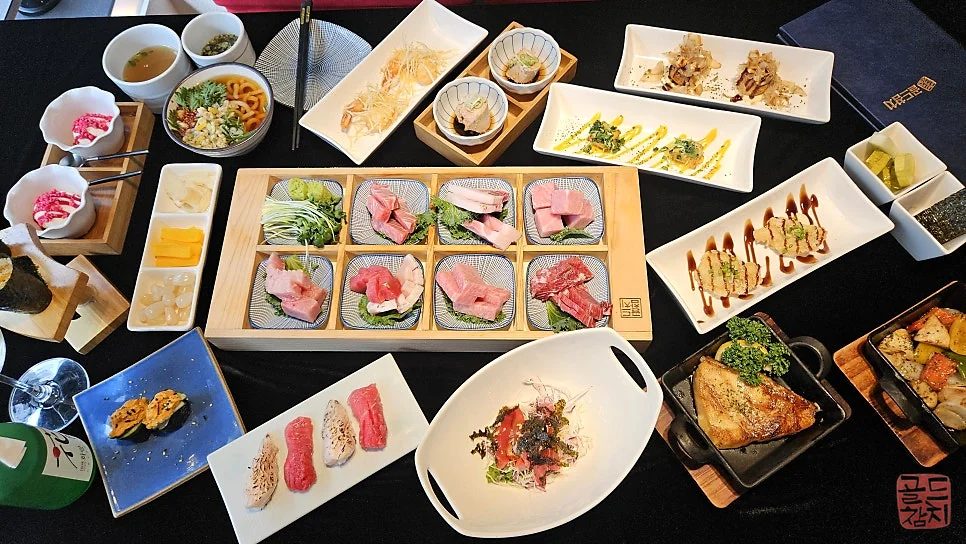
A full setting of the tuna course
Goldtuna adheres to three strict rules: generous thick slices, complete defrosting, and meticulous moisture removal. Thin slices lack presence, partially frozen tuna lacks a creamy finish, and any lingering moisture or blood compromises the purity of the experience.
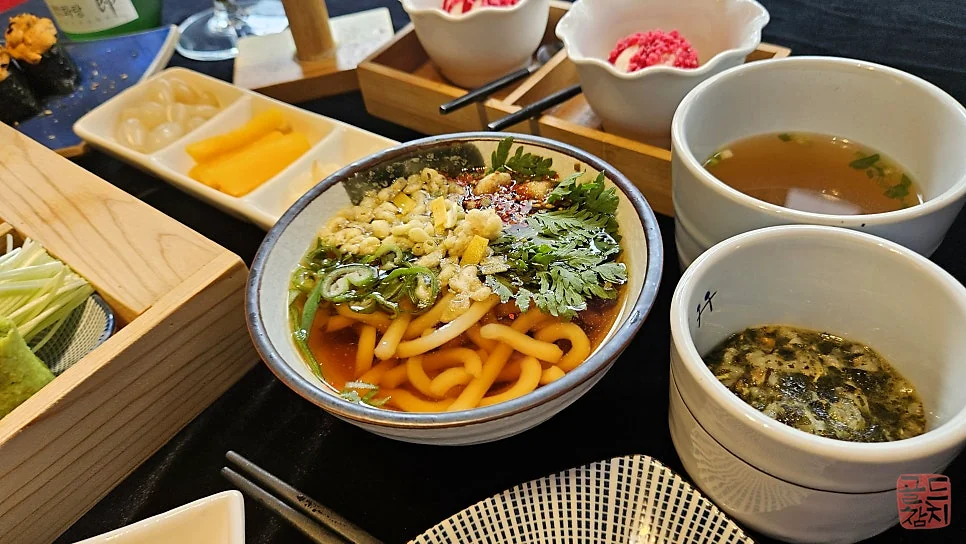
Thoughtfully curated sides
Finding your perfect course
Goldtuna is a fusion omakase destination, blending the best of Korean, Chinese, and Japanese culinary styles.
We present a grand fifteen-course journey.
We recommend the Royal course for those beginning their journey, the Omakase course for seasoned enthusiasts, and the VIP Special for those seeking a comfortable setting for gatherings.
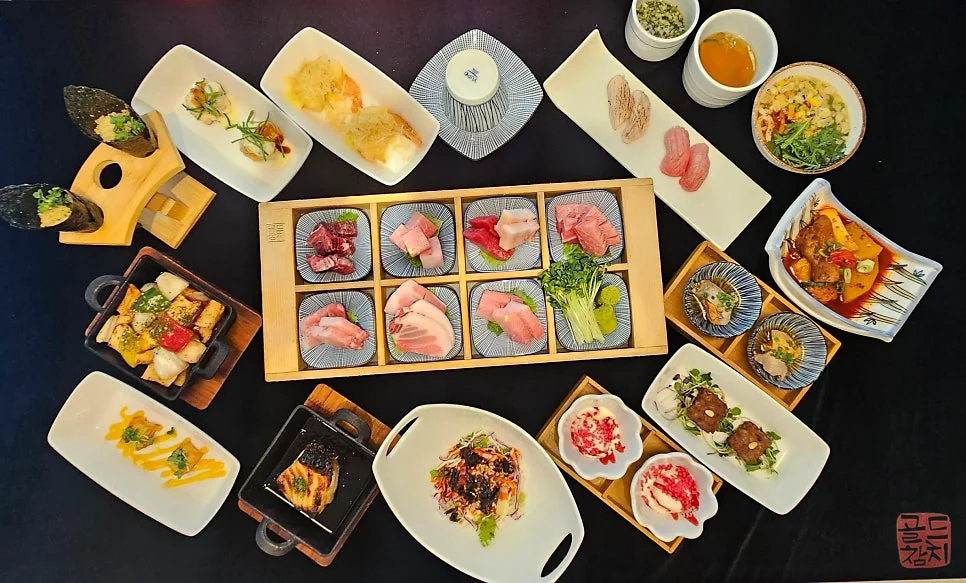
The course for two
We look forward to welcoming you at our Bangi and Sinsa locations.
Thank you for sharing your thoughts with us in the comments.