
Tuna Course Price Comparison: 80k vs 130k KRW – What’s the Difference?
Understanding the subtle architecture of tuna pricing
"They look so similar, yet why is one course 70,000 won and another 130,000 won?"
It is a question every guest asks when exploring the nuances of a tuna menu.
This is not a simple argument that "expensive is better."
It is an explanation of the structural logic behind the value on your plate.
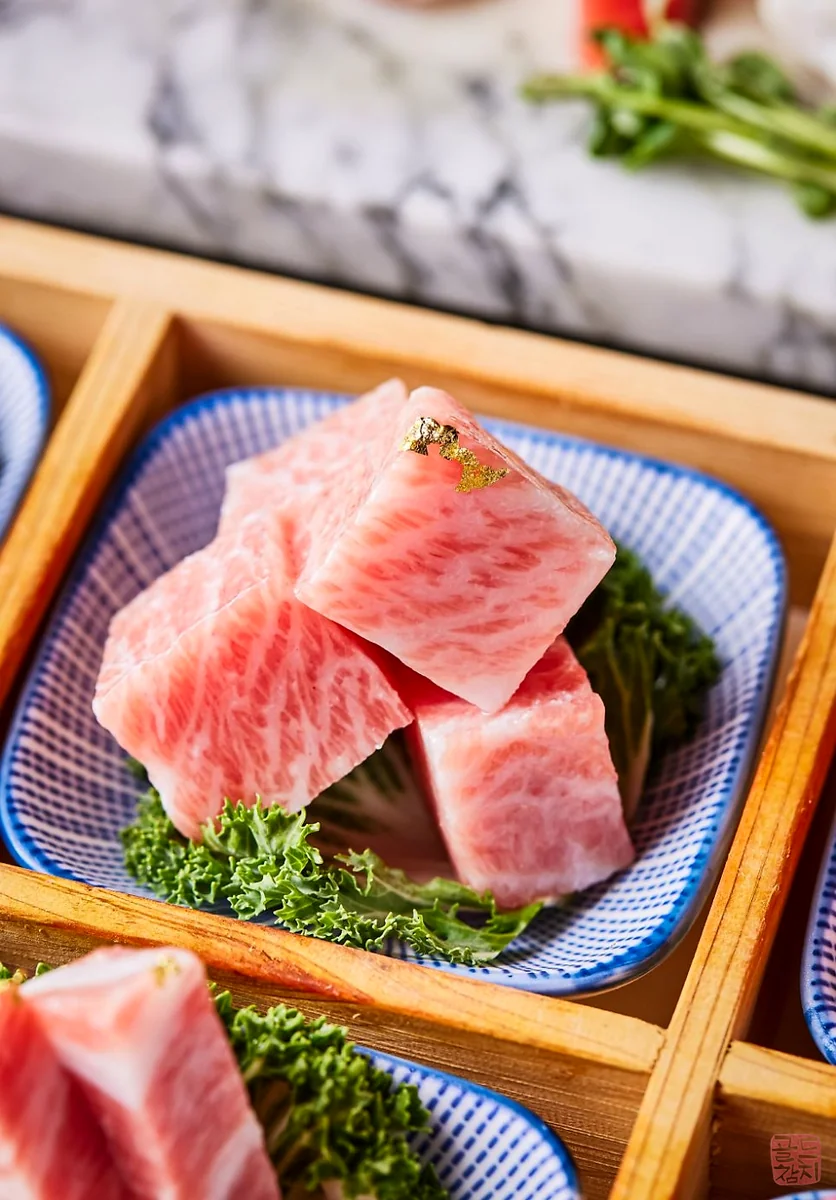
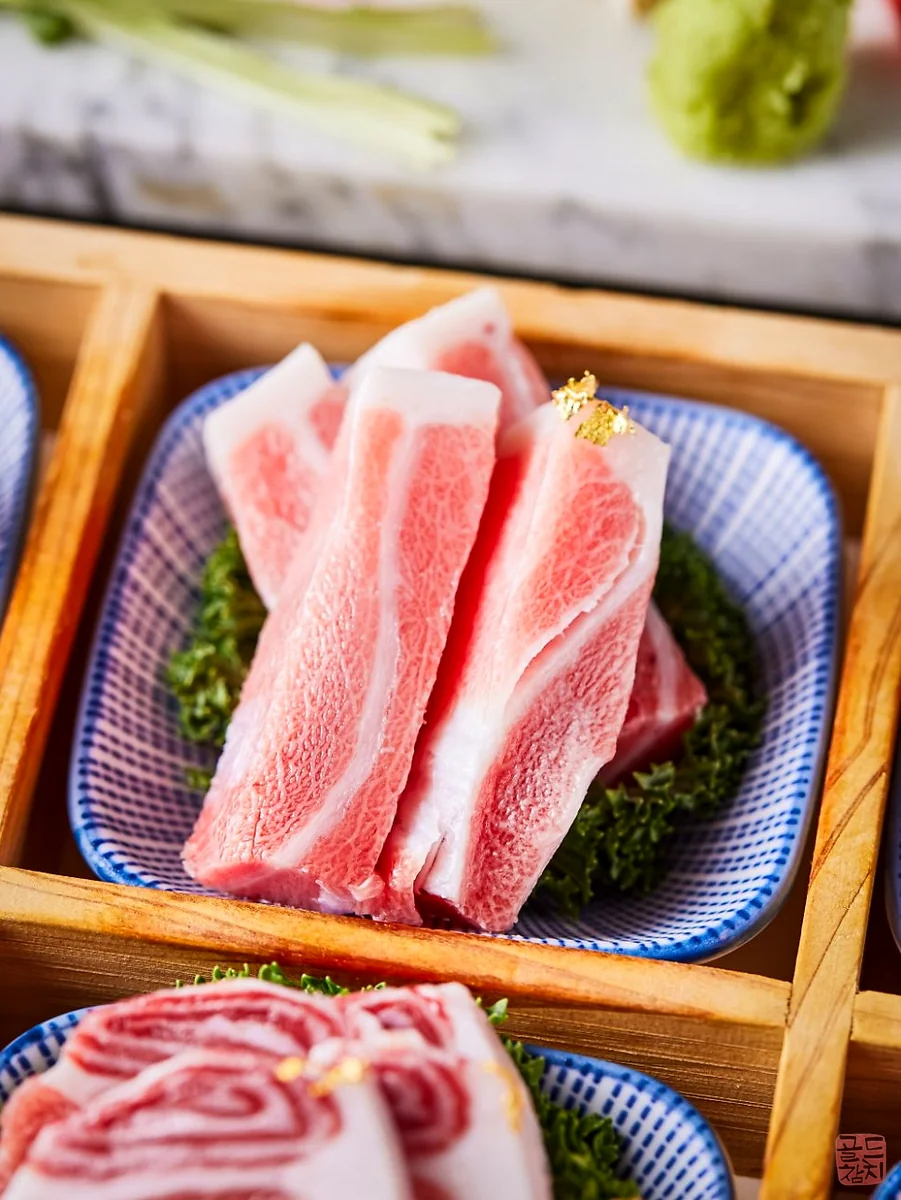
The precise silhouette of bluefin tuna, carved with care.
The common misconception: "Is more expensive simply more food?"
Price reflects the hierarchy of quality, not the volume of the plate.
"I have a small appetite; would a premium course be a waste for me?"
The reality is that tuna is never about quantity.
The total amount provided across different courses remains remarkably consistent.
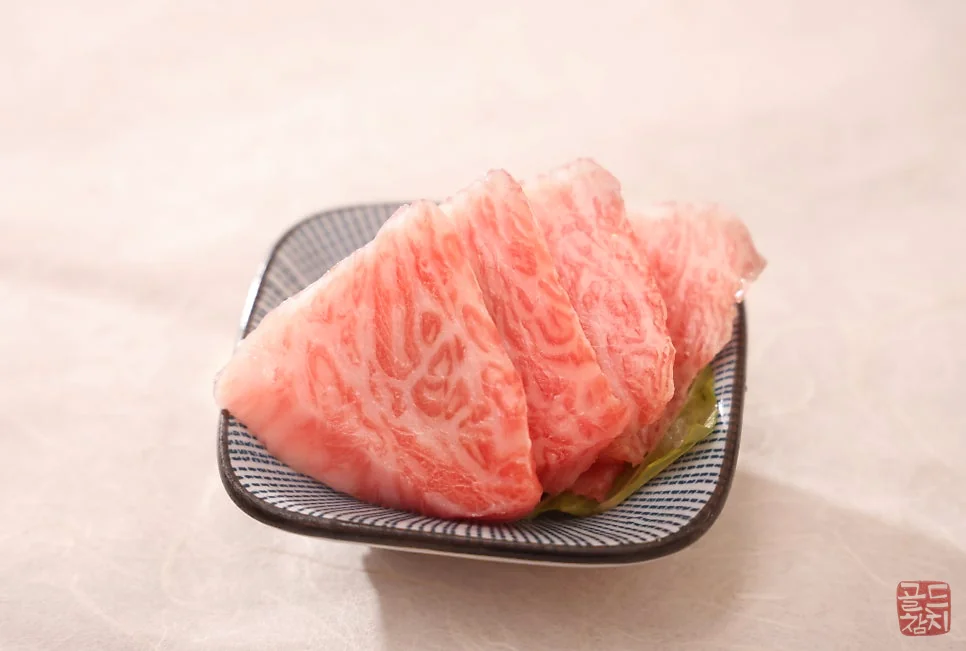
Bluefin tuna collar meat
Where the distinction lies:
The specific species (Bluefin vs. Bigeye vs. Yellowfin)
The rarity of the cut (Collar vs. Top-tier Belly vs. Mid-tier Belly)
The curation of accompanying side dishes
These factors are what cause the price to shift significantly.
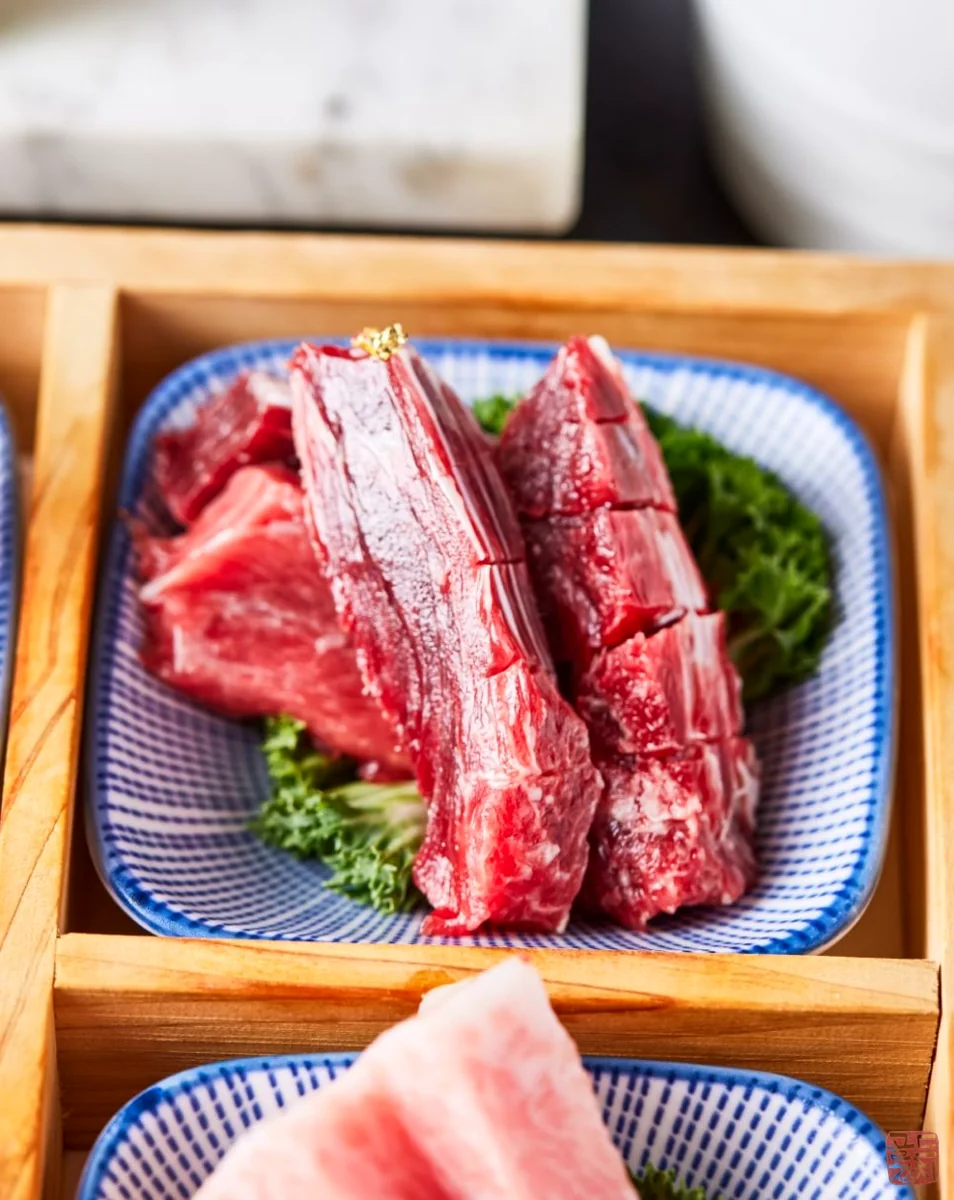
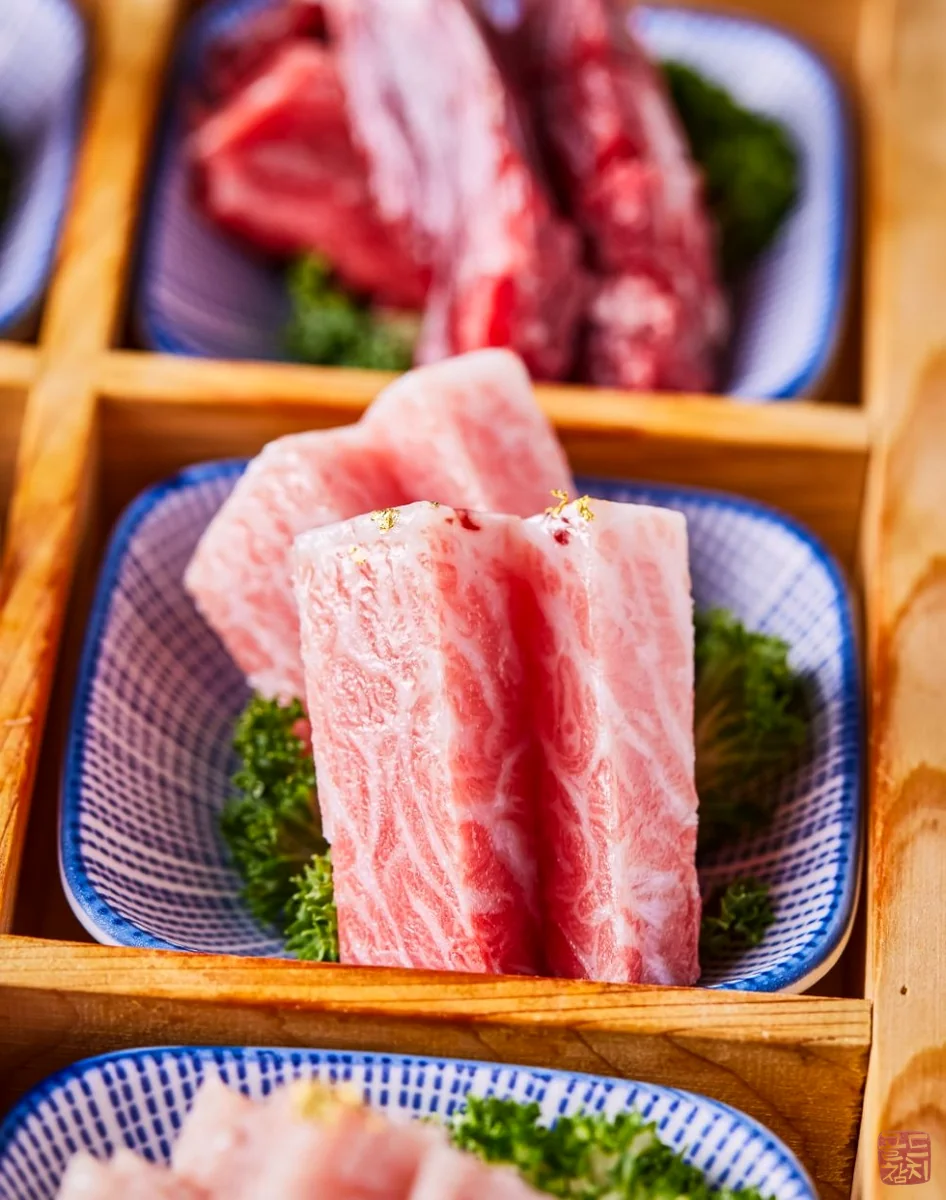
Pectoral fin cut vs. Prime collar belly
The three pillars of tuna valuation
1. The choice of species
Tuna species vary in cost by a factor of ten.
Bluefin (Honmaguro): The most prestigious, celebrated for its rich marbling.
Southern Bluefin: A close second in depth and quality.
Bigeye: A reliable mid-tier choice with balanced value.
Yellowfin: Lean, clean, and accessible.
Even within the same "tuna course," the ratio of Bluefin versus Bigeye dictates the fundamental cost of the experience.
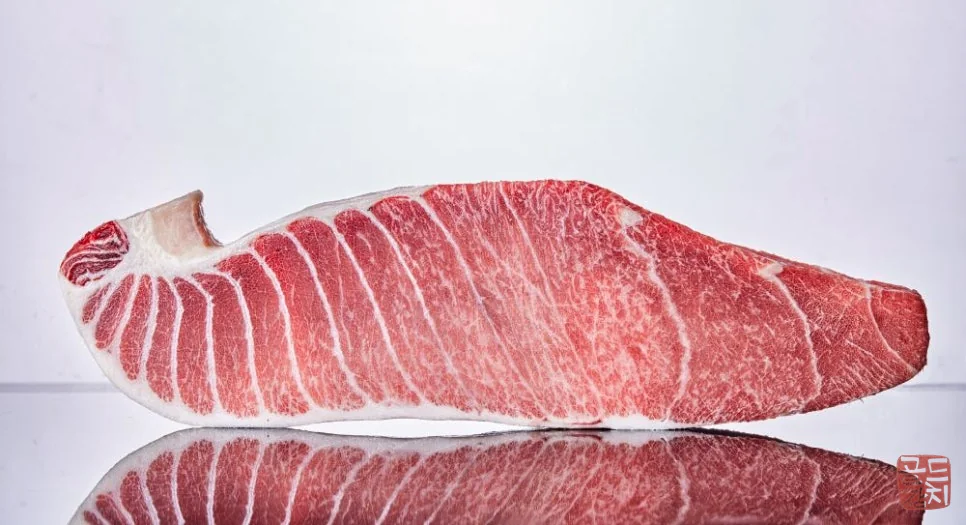
Prime #1 bluefin belly
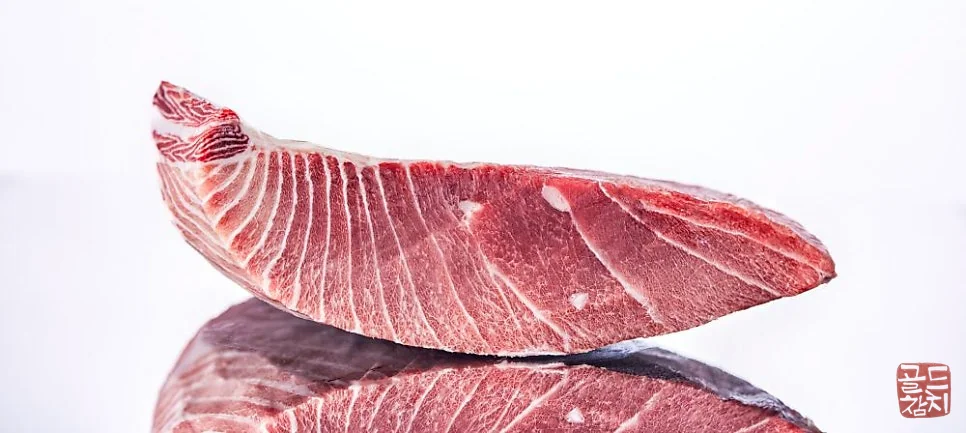
Southern bluefin belly profile
2. The rarity of the cut
Value shifts dramatically even within a single bluefin tuna.
The Premium Selections:
Collar Meat (Kama-toro): The neck area, offering the peak of marbling.
#1 Belly: The most indulgent and tender section of the fish.
Middle Belly: A graceful harmony of texture and fat.
The Standard Selections:
#5 Belly: The lower section of the belly.
Loin: Lean and firm with a clean finish.
※ Premium courses are defined by the inclusion of scarce cuts like #1 belly and collar meat.
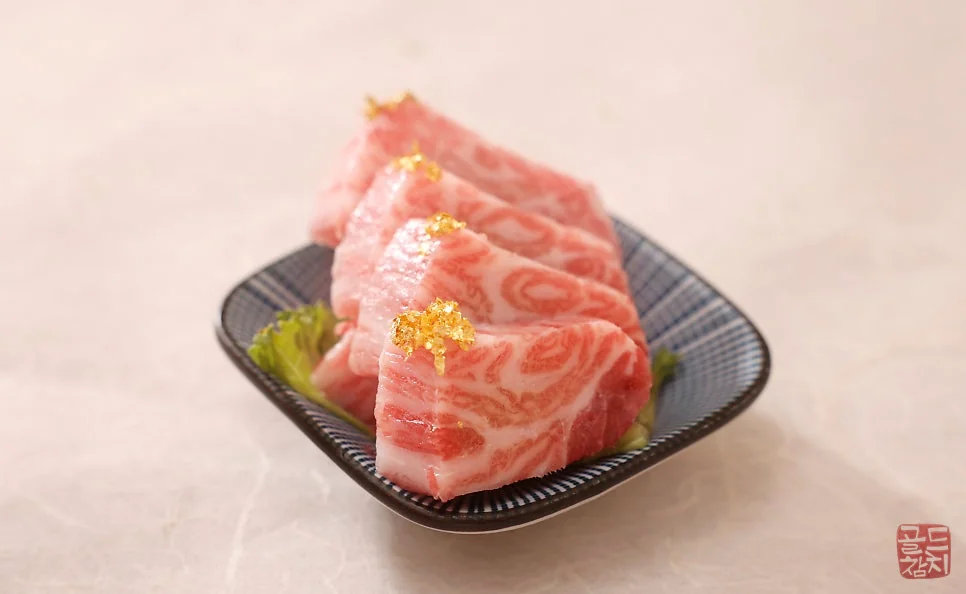
Bluefin collar meat (Kama-toro)
3. Operational dedication
Invisible costs woven into the price:
The art of thawing (Patience-driven stabilization vs. flash thawing)
The intentional sequencing of cuts during a meal
Strict quality control (Loss rates reaching 30% to ensure freshness)
The presence of master artisans
The depth of explanation and attentive service
※ These unseen efforts accumulate to define the true value of the course.
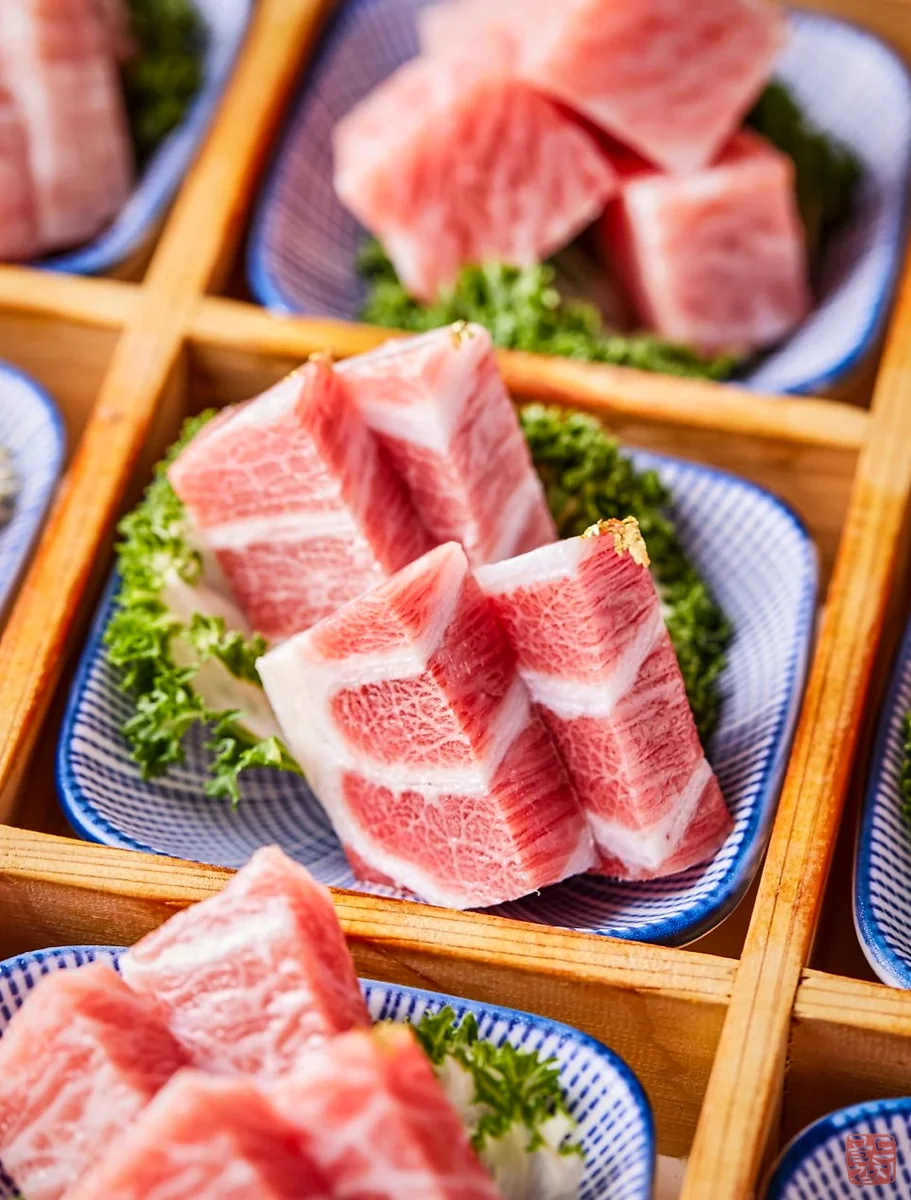
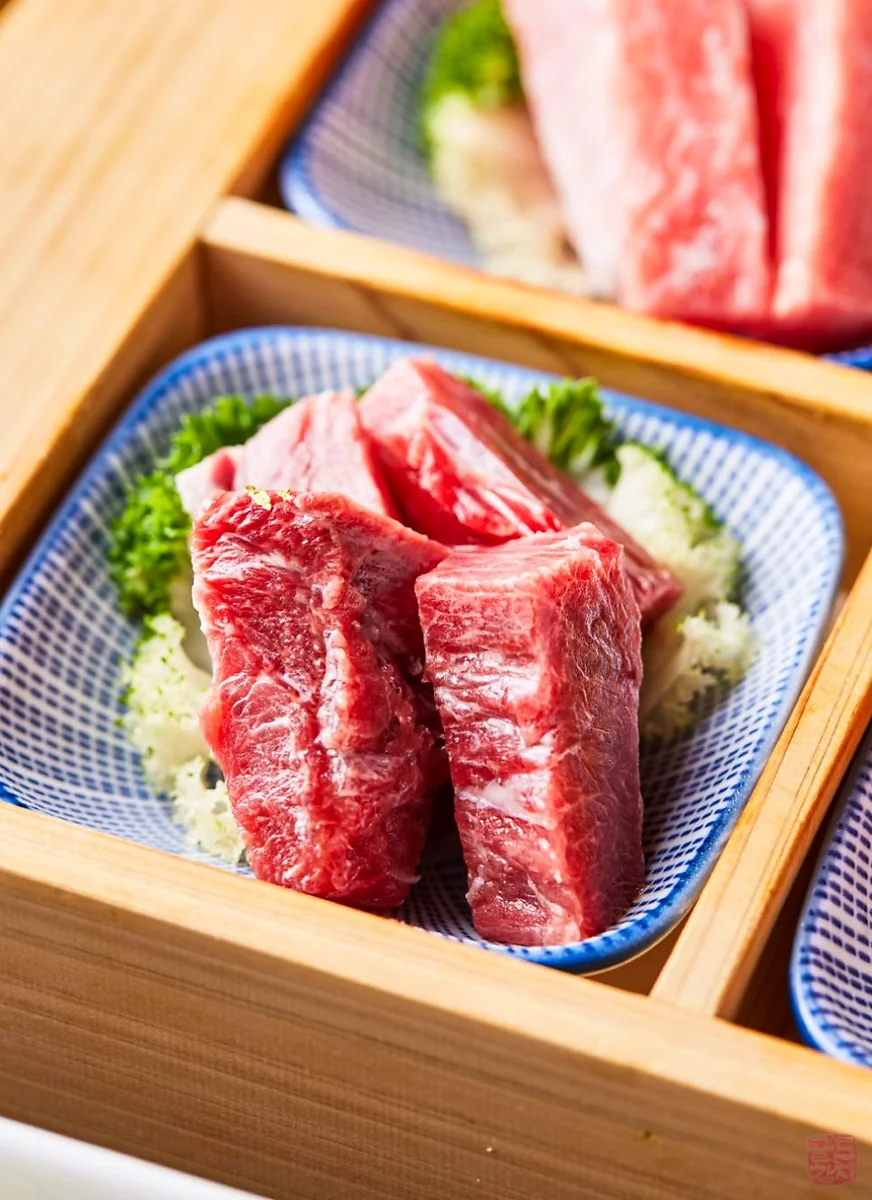
The delicate carving of bluefin
Course characteristics by price point
|
80,000 Range- Introductory |
|
|
100,000 Range- Balanced |
|
|
130,000+ Premium |
|
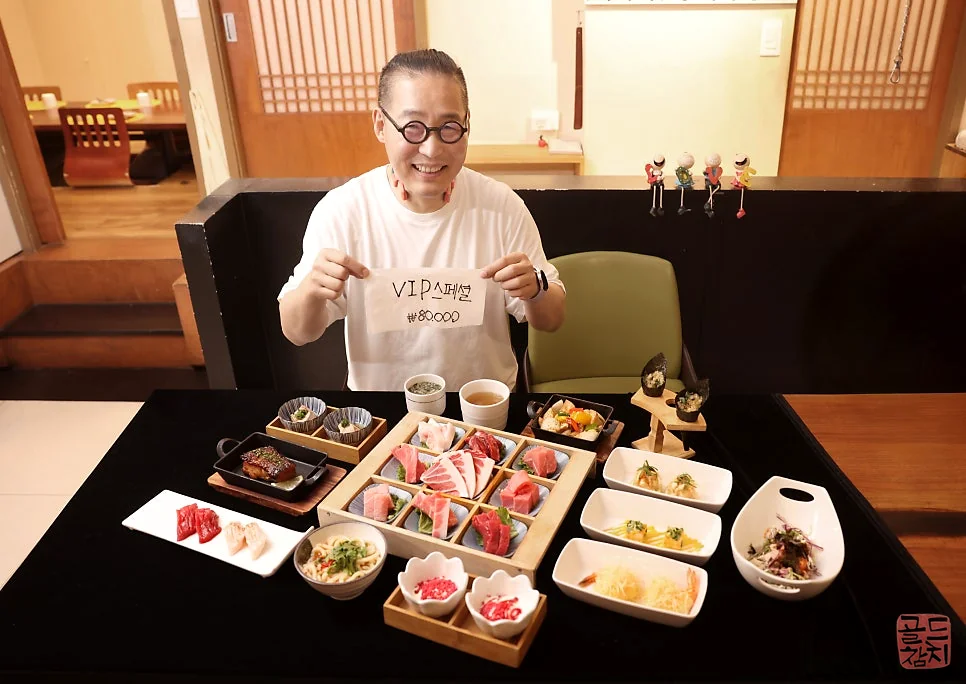
VIP Special Course
A guide for your selection
While there is no single right answer, these standards may help guide your choice.
|
Occasion |
Recommended Course |
Reasoning |
|
First Visit |
100,000~130,000 |
The most balanced experience |
|
Business / Hosting |
130,000 range |
Comfortable and refined curation |
|
Anniversary, Dating |
130,000 range |
A memorable, elevated experience |
|
Exploration |
80,000 range |
Compare various species and cuts |
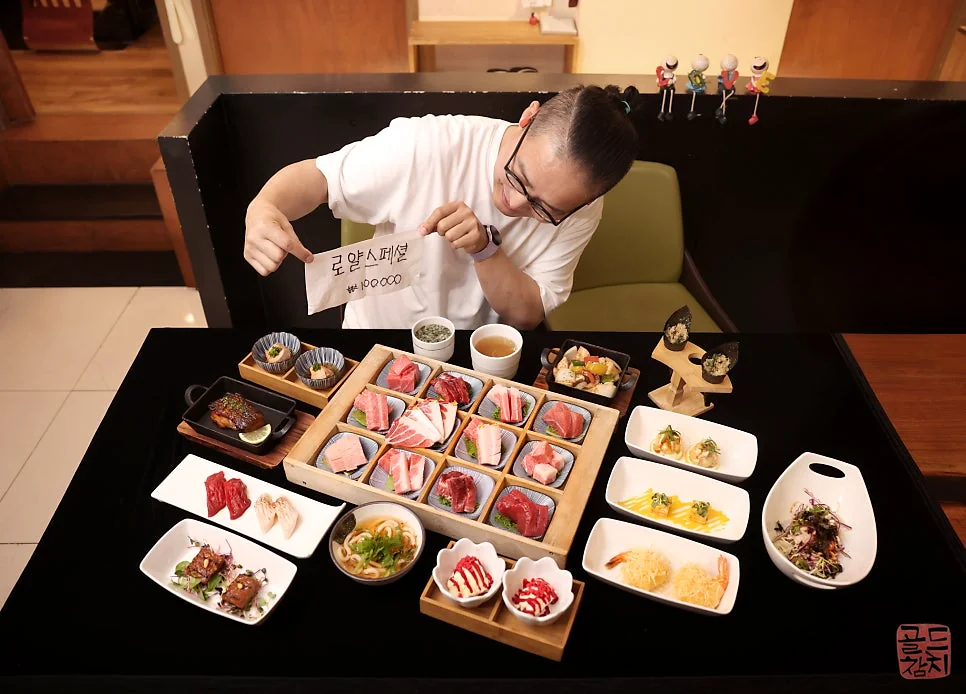
Royal Special Course
Critical observations beyond the price tag
There are factors that outweigh cost alone.
|
X Consistently empty dining rooms: A break in the rhythm of turnover leads to diminished freshness. |
|
X A fishy scent: True quality fish should never be "fishy"; it is the mark of failed management. |
|
X Neglected environments: Tuna is a delicacy sensitive to both temperature and sanctuary-like hygiene. |
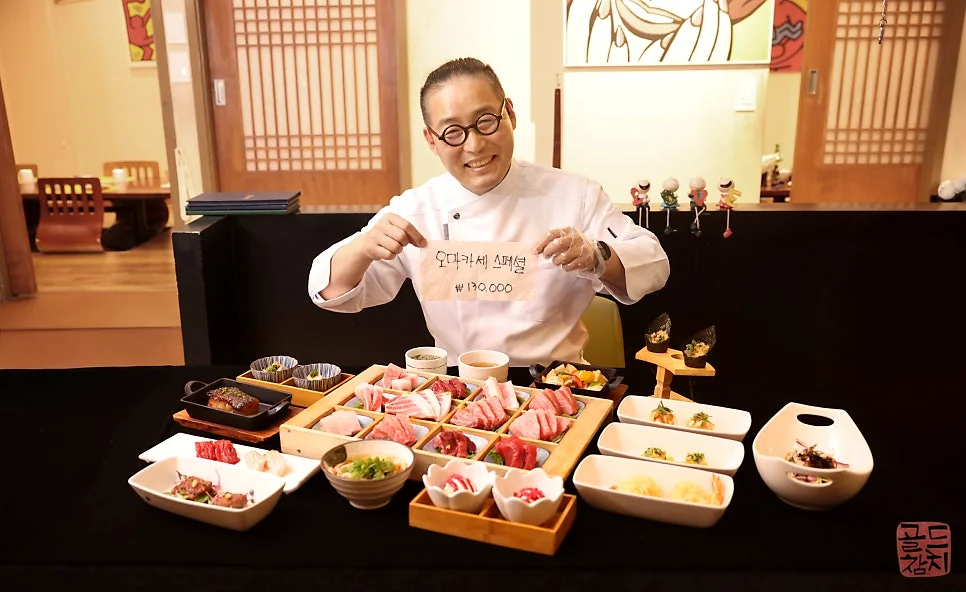
Omakase Special Selection
Conclusion: Pricing is a choice of structure, not just cost
Selecting a menu is about choosing the architecture of your experience.
If your goal is pure volume, a tuna course may not be the ideal path.
However, if you seek quality and a narrative through taste, understanding these distinctions allows you to choose with confidence.
Tip: For the most accurate daily compositions, we recommend viewing our course photography. Every cut tells its own story.
We look forward to sharing our quiet dedication with you.