The Power of Knowledge, Skills, and Attitude
Whenever I step into the self-improvement section of a bookstore, I feel a sharp strike against my shoulders, like the awakening blow of a wooden staff. It is the weight of books urging me to live passionately, to invest in myself, and to master the art of time. Perhaps I feel this pressure because I have allowed myself to grow somewhat complacent.

Lately, I have embraced a slower, quieter pace. My thoughts have become less crowded, and my movements more deliberate. I find myself operating within a narrow two-kilometer radius, settling into a comfortable routine. My social circle has followed suit. Rather than seeking out new encounters to broaden my horizons, I find a quiet satisfaction in my existing relationships. In this stillness, I felt a sense of stagnation. That is likely why those books felt like a sudden, necessary awakening.

Years ago, when I served as the director of a human resources development center, I devoured books on self-growth. Today, my interests have shifted away from academic humanities toward the convenience of digital content. There is a certain vulnerability in admitting this, but the ease of a well-organized search feels efficient in our fast-paced world.
While the depth of knowledge found online can sometimes feel thin or biased, I find value in the accessibility it provides, provided I navigate it with a discerning eye.
I have always been a person who seeks the origin and definition of things. I believe that if we cannot define a concept, we do not truly understand it. We often hold a vague sense of things, yet struggle to explain them when asked.
For instance, everyone knows a smile is beneficial in human relationships. But if asked *why* it is beneficial, few can offer a precise answer. We know we should live in harmony with our neighbors, yet we struggle to articulate the reason. We feel the duty of filial piety, but cannot always explain its foundation. We watch clouds drift, seasons change, and water flow without truly understanding the mechanics of the world. Why does history repeat itself? What is justice? What is a life well-lived? We think we know these things until the moment we are asked to put them into words.

True knowledge begins with the act of defining. To define something requires a depth of understanding that goes beyond surface-level familiarity.
One of the virtues I hold most dear is principle. It is often defined as a consistent standard to follow. To me, it is something more: an unchanging truth that guides us effectively through any era, environment, or condition. I strive to live by these principles, rooted in the law of cause and effect—the simple truth that every result stems from a beginning.

I once had a conversation about the virtue of humility. I suggested it was the act of lowering oneself while elevating others. A friend told me I was only half right. When I asked for the other half, he promised to explain over a glass of beer. He said, "Humility is knowing what you know and admitting what you do not." As I looked at him with skepticism, he added a thought that struck me deeply: "But realizing that what you *do* know is a gift intended to manifest a higher purpose through you."
That realization was a profound mental blow. I gladly bought the beer that night. It was the most lucid and accurate definition I had ever heard.
Though I live a more leisurely life now, I once felt an unquenchable thirst for defining knowledge and tracing its origins.
Knowledge and wisdom are fundamentally different.
If knowledge is the act of defining, wisdom is the ability to apply those definitions to reality and provide living examples.
It is about application and illustration.
We all know the saying that "laughter brings good fortune," but we often falter when asked for a specific example of how that happens. A person of wisdom can offer timely stories from their own life or the lives of others to illustrate the truth. More importantly, they are someone who lives in a way that allows fortune to flow through their own joy. Wisdom is knowledge refined by life and expressed through action.
Consider another example.
We all understand the importance of time management. Yet, we rarely understand *why* it is important because we struggle to define time itself. If you cannot define what time is, how can you hope to manage it? And how can you effectively apply it to your unique circumstances? Cultivating both knowledge and wisdom is a long and challenging journey.
In the realm of education, we focus on three dimensions: knowledge, skill, and attitude.
Knowledge is the transition from ignorance to understanding. We call those with vast understanding "knowledgeable." From marketing and creativity to ethics and conscience, there is much to learn. Education helps us organize these complexities.
Skill is the mastery of that knowledge. Understanding the theory of driving is not the same as operating a car. Welding requires practice, not just reading. Skills must be woven into the body through repetition.
Finally, there is attitude—the mindset with which one approaches the world. This is closely tied to one's principles. I often tell younger friends that while the gap in skill may seem large now, the gap in attitude is small. Over time, however, that small difference in attitude becomes a bridge that allows one to surpass even the greatest disparity in raw ability.
This is the area where I place my deepest focus. It is the most vital component of a life well-lived. Whether it is the quiet dedication of a craftsman or the way we speak to one another, attitude dictates the outcome. There is an old story of two servers: one who brings you a dish with indifference, and one who serves you with heartfelt care. The food may be the same, but the experience is worlds apart.
In the end, it is our attitude that determines the effectiveness of our lives.
I leave these thoughts here, skipping over the many pages that remain unwritten.
I am currently on a journey. Though the occasion is a somber one—traveling to pay my respects to a neighbor who was like a brother to my father—I am glad for the chance to offer a final drink in his memory.
The scenery passing by the window is beautiful. Things I usually miss while driving now appear vivid and serene. The mountains, fields, rivers, and the small clusters of homes all feel exceptionally lovely today.
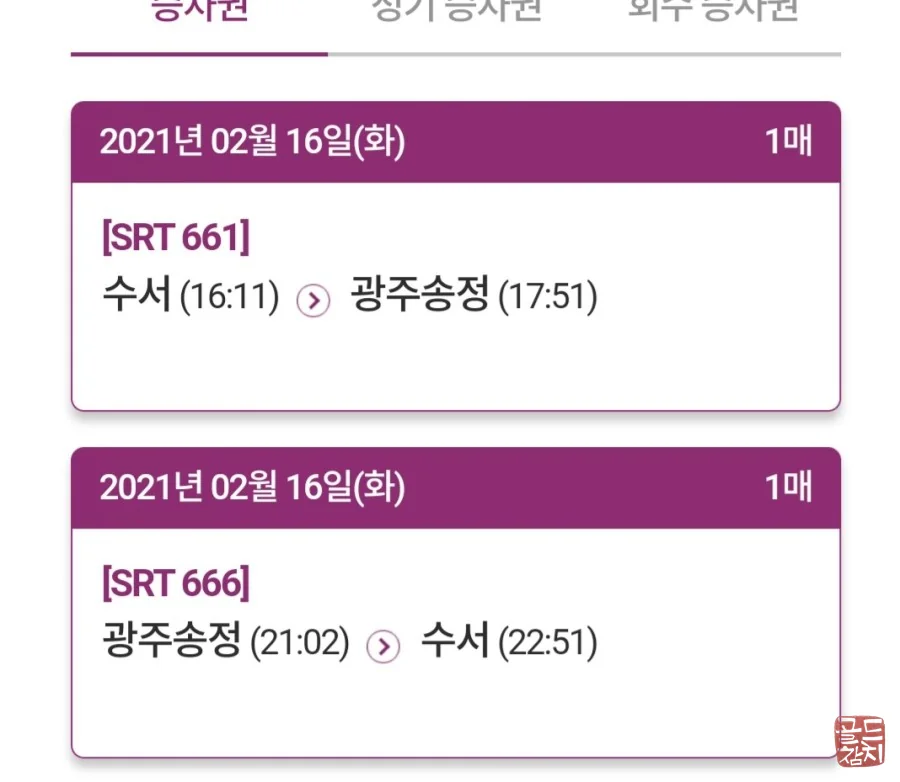
Yet, beauty can be a distraction to the writer. Just as I find my rhythm, the landscape pulls my gaze away, and I lose the thread of my thoughts. Typing word by word on a small screen requires patience, a quiet labor of love.
With this, another day's reflection is complete.
I am grateful for this bountiful season, and for the simple grace of being needed.