
Mastering Tuna Thawing: The Secret to Perfect Flavor and Texture
This content describes the difference between surface wetness and internal moisture occurring during the tuna thawing process, brine thawing and refrigeration management techniques, the minimum 4-hour refrigeration stabilization stage, and the correlation between Akami texture and the reservation system.
Through long-term handling of tuna, we have accumulated a professional eye for identifying and managing superior raw materials. Tuna stored in ultra-low temperature freezers at -50°C is taken out, thawed, and then undergoes a stabilization process in a refrigerator maintained between 0°C and -3°C.
This process is a core stage that removes the internal chill of the tuna, regulates moisture, and stabilizes the muscle tissue. Through this, the elasticity suitable for consumption and a moist texture are restored. It includes a process of closely checking whether the raw material maintains its elasticity, the degree of tissue softening, the loss of the cold sensation, and the moisture content.
The difference is particularly evident in high-grade Akami. The ideal state is one that holds a soft moisture like pudding or jelly, while the surface does not glisten with excessive wetness. Accordingly, we focus on managing the following two elements during thawing.
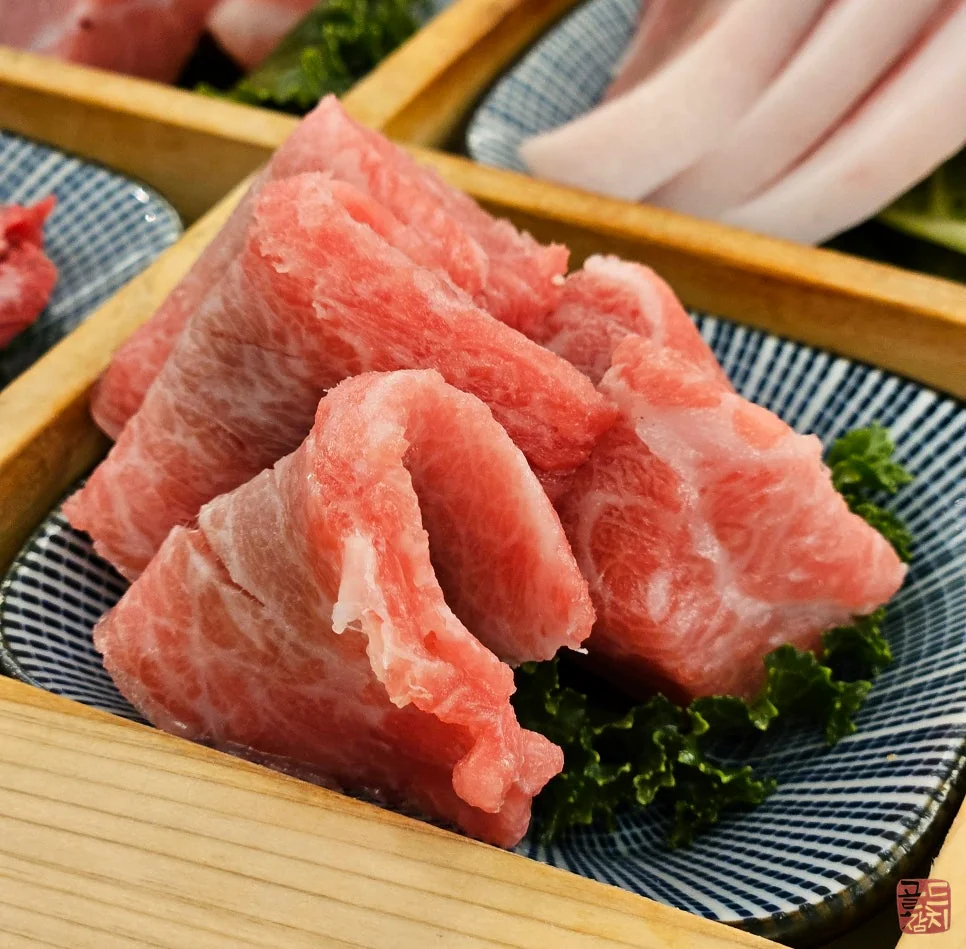
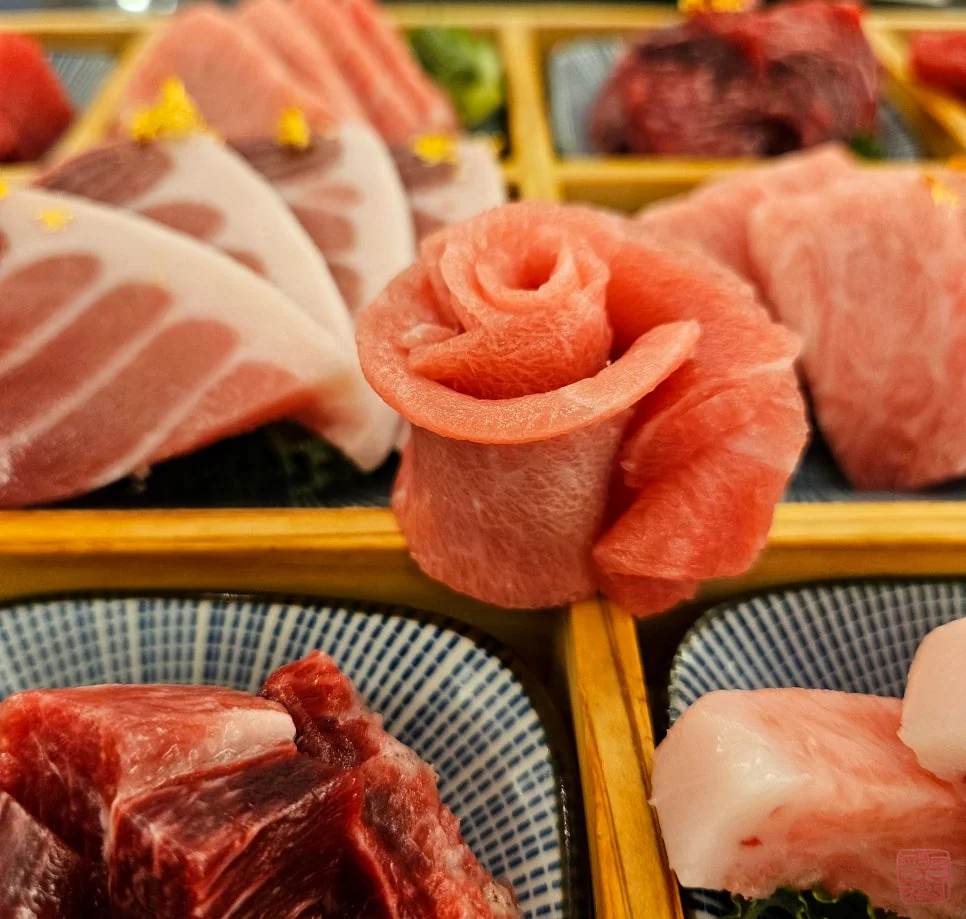
Bluefin tuna belly maintaining a perfect thawing state
1. Is the moisture within the tissue being maintained?
2. Has the internal chill been sufficiently removed?
Through these management standards, one can understand the purpose behind Goldtuna frequently replacing thawing paper and undergoing a significant stabilization period even after thawing is complete.
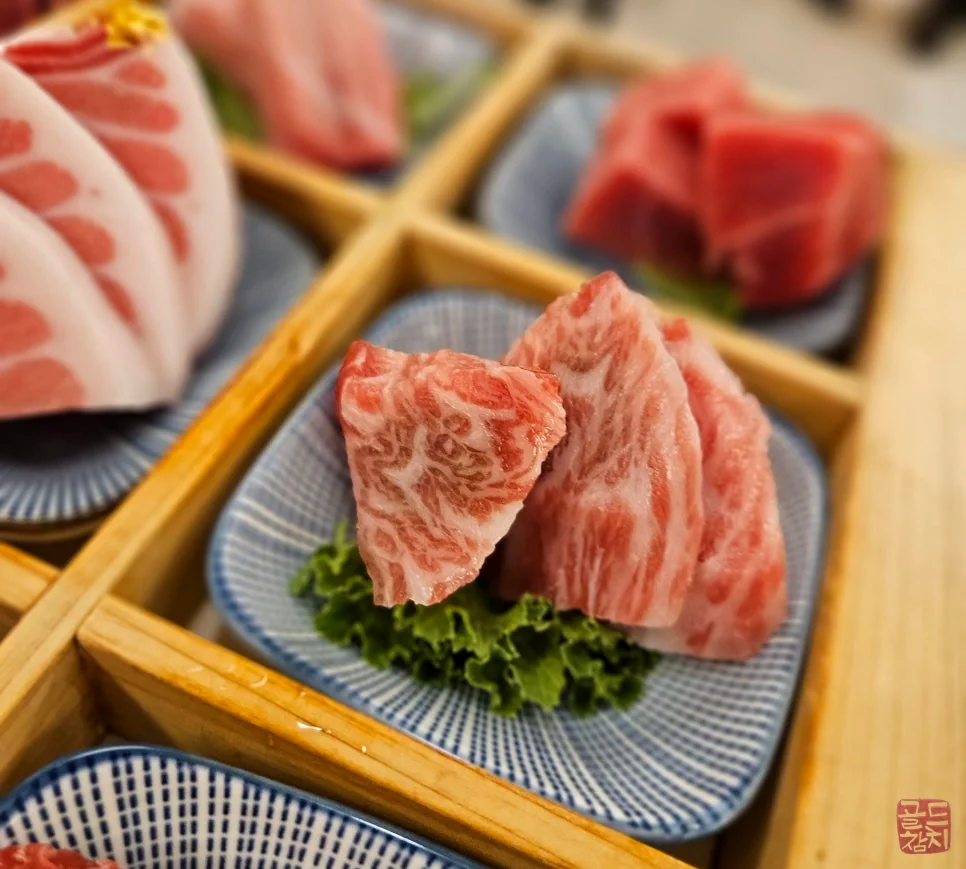
Bluefin Tuna Kama-sal (Neck Meat)
A State Where Chill is Lost While Form and Moistness are Preserved
The "moistness" defined by Goldtuna is not about moisture lingering on the surface. It refers to the optimal state where elasticity is felt when pressing the tissue, moisture is sensed in the mouth, and the meat is not dry. On the other hand, the liquid discharged to the surface during thawing is classified as 'drip' or 'wetness.'
In the freezing and thawing process, the water-holding capacity of the muscle tissue changes, causing some moisture to move outward. According to related research, the decrease in water-holding capacity and the occurrence of drip after freezing and thawing are known to directly affect tissue softening and flavor changes.
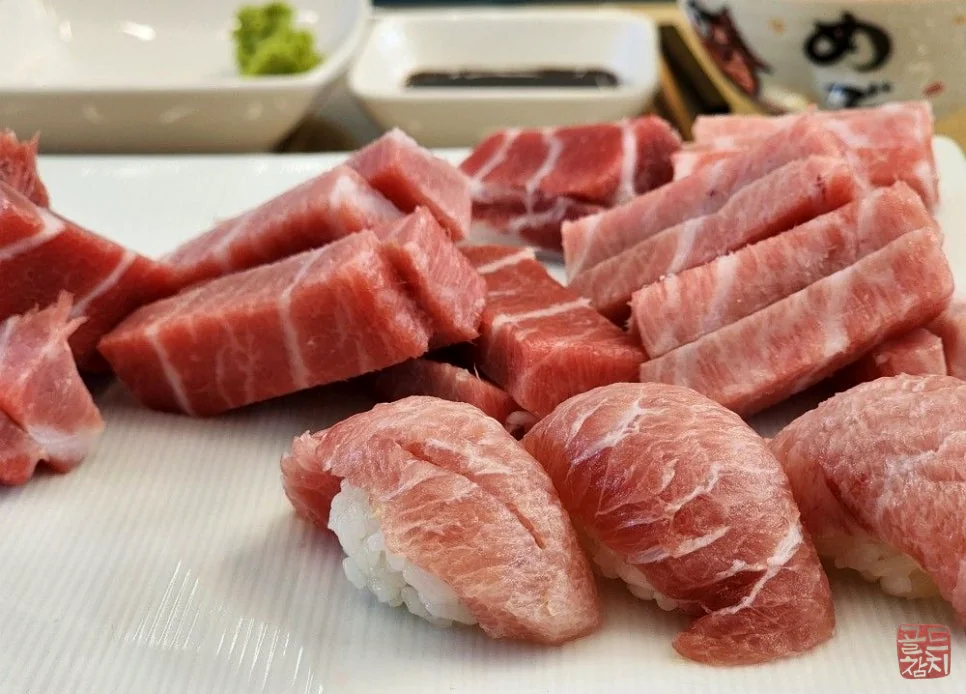
Tuna sashimi and sushi composition prepared for home use
The Reality of the Tuna Thawing Process
Goldtuna does not immediately place frozen raw materials into cold storage. First, primary thawing is conducted in lukewarm brine, and at the point where tissue elasticity is restored, the skin and bones are removed and the surface is precisely cleaned.
Afterward, the raw material is wrapped in specialized tuna thawing paper and transferred to the refrigerator. The primary thawing process takes about 40 minutes, but it is not served immediately at this stage.
It must essentially undergo a stabilization stage of at least 4 hours in a refrigerated facility. During this process, residual chill is completely removed, eliminating any crunchy (icy) texture, and the overall tissue consistency is uniformly perfected.
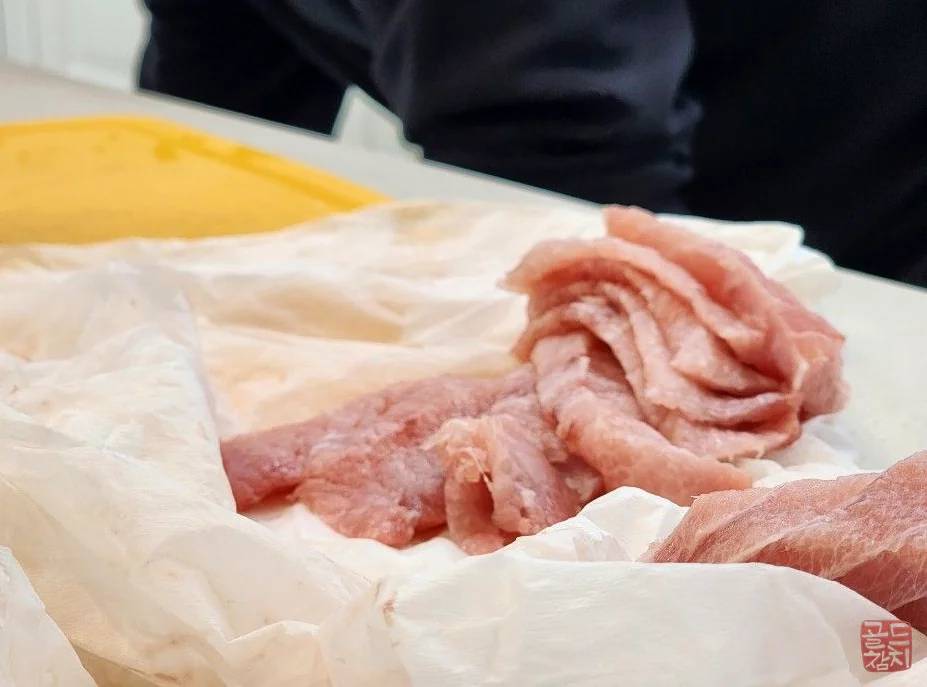
Preparation state for sushi making after completing the stabilization stage
The Importance of Replacing Thawing Paper
Even during refrigerated stabilization, moisture continuously forms on the surface of the raw material. Therefore, we constantly monitor the condition and repeatedly replace the absorbed thawing paper.
If surface moisture stagnates on the tissue for a long time, the meat can become soft and the fishy aroma may be emphasized. In the field, raw materials that produce excessive drip and show significantly low tissue consistency during thawing are sometimes referred to as "Multaengi" (watery tuna).
Raw materials showing these characteristics are not used for sashimi; instead, after a quality check, they are utilized for heated cooking menus such as fried dishes or porridge. However, it is difficult to determine the overall quality of the raw material solely by the amount of drip, and scientific analysis based on storage and thawing conditions must be accompanied.
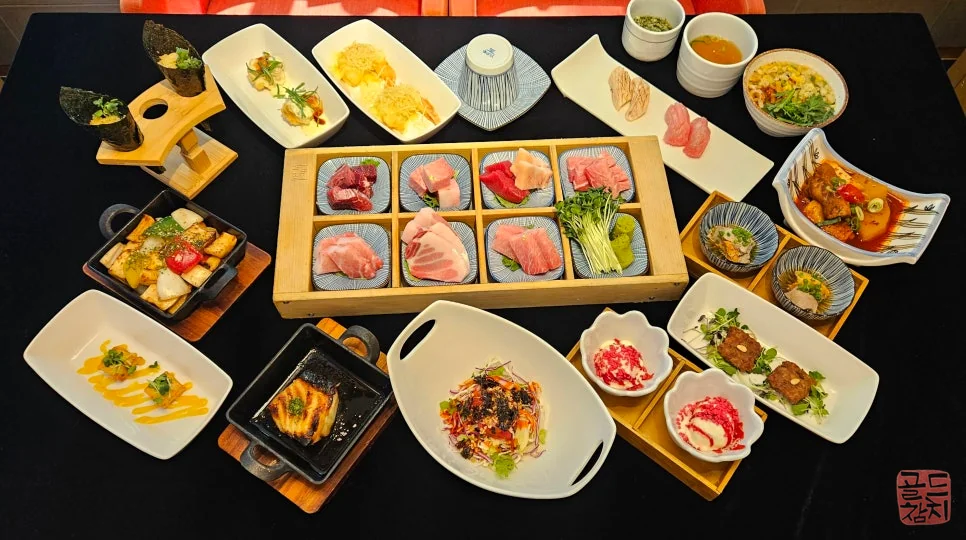
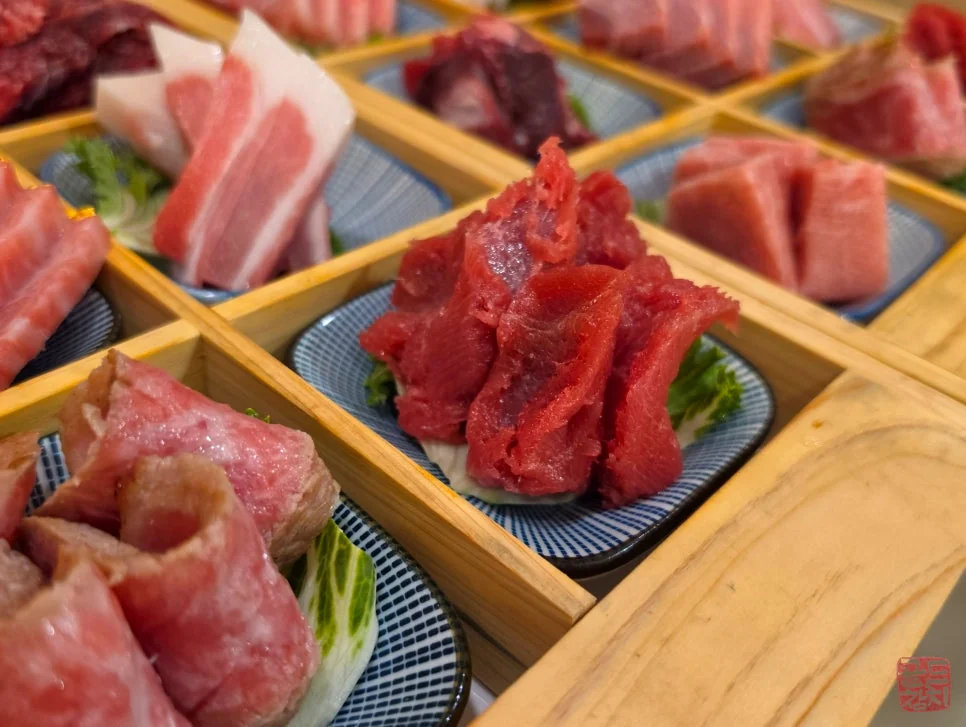
The 15-course omakase composition of Goldtuna
Checking Moisture Management Indicators Through Akami
The part where the moisture state of the raw material is most intuitively reflected is the Akami. Akami in its best condition maintains a soft elasticity and provides a rich sense of moisture in the mouth, yet it looks neat without glistening externally.
Even during preparation, the tissue should not be easily damaged, and its inherent viscosity and elasticity should be felt. Accordingly, when selecting Akami, Goldtuna checks not only the meat color but also the "moisture preservation within the tissue and the cleanliness of the surface" simultaneously.
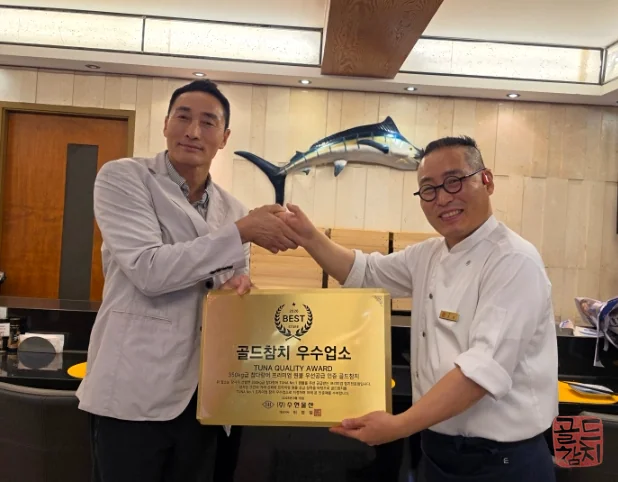
Customer Feedback: Actual Cases of Quality
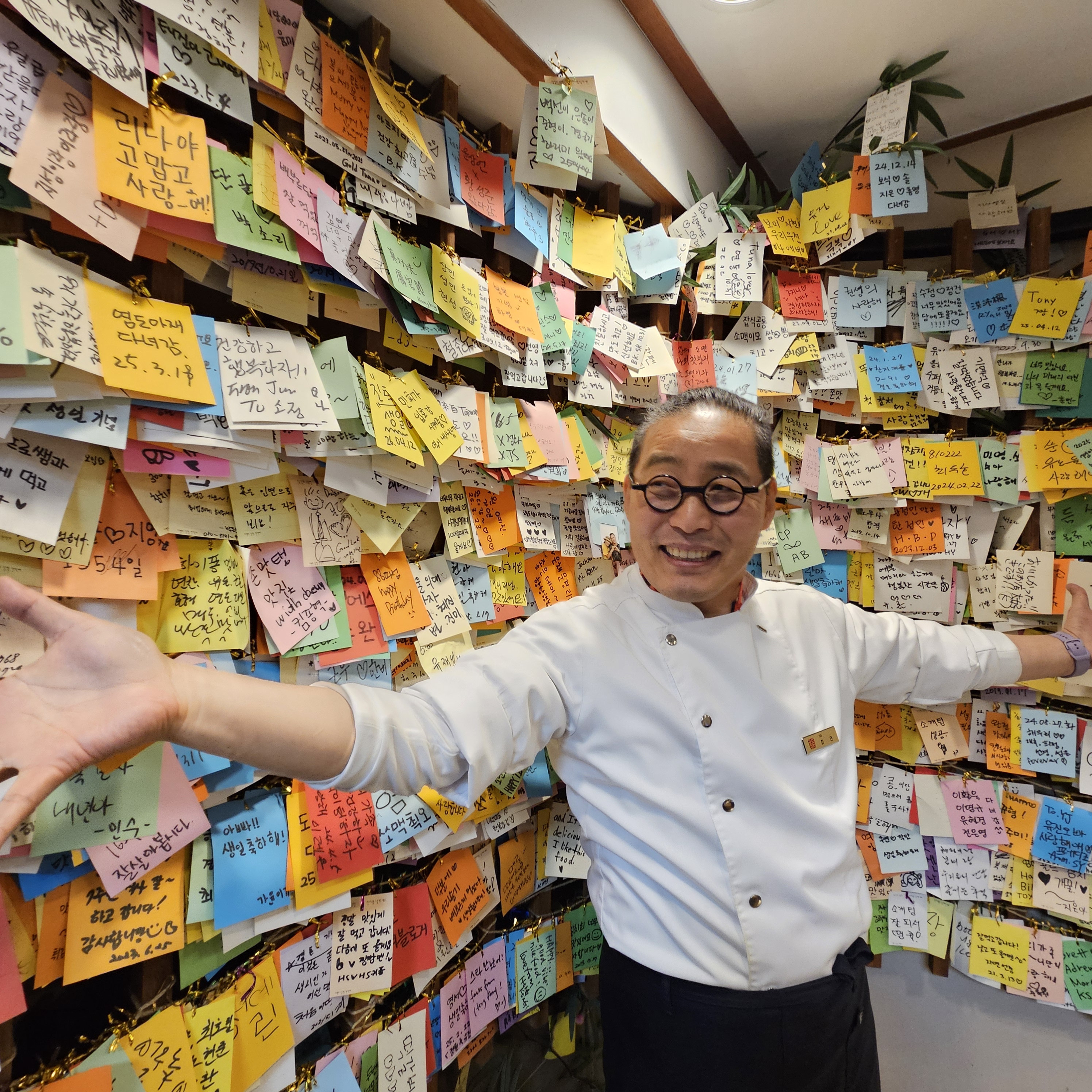
In September 2026, a group of customers visiting from the United States had lunch at the Bangi branch. After the meal, the customers expressed deep satisfaction with the quality of the tuna provided.
“I never knew tuna could provide such a wonderful gastronomic experience.”
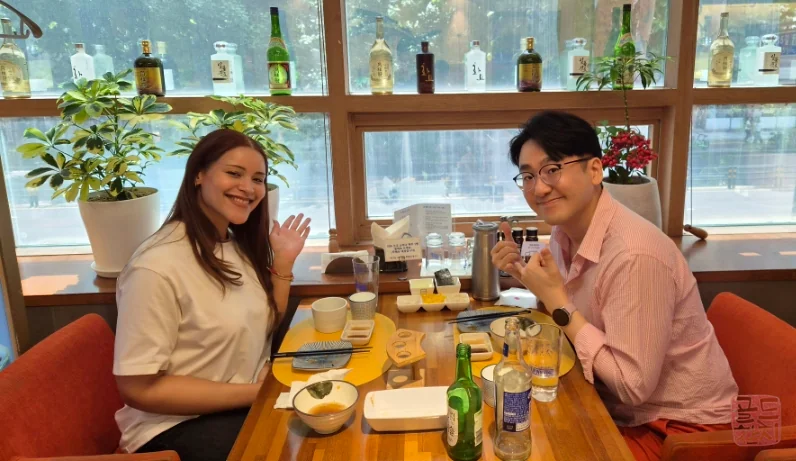
September 2026, actual visit and meal record of an overseas customer
The raw material provided at that time was also prepared according to strict thawing and refrigerated stabilization manuals. This positive response is evaluated as a result of the comprehensive combination of raw material selection, thawing, moisture management, and precise cutting processes.
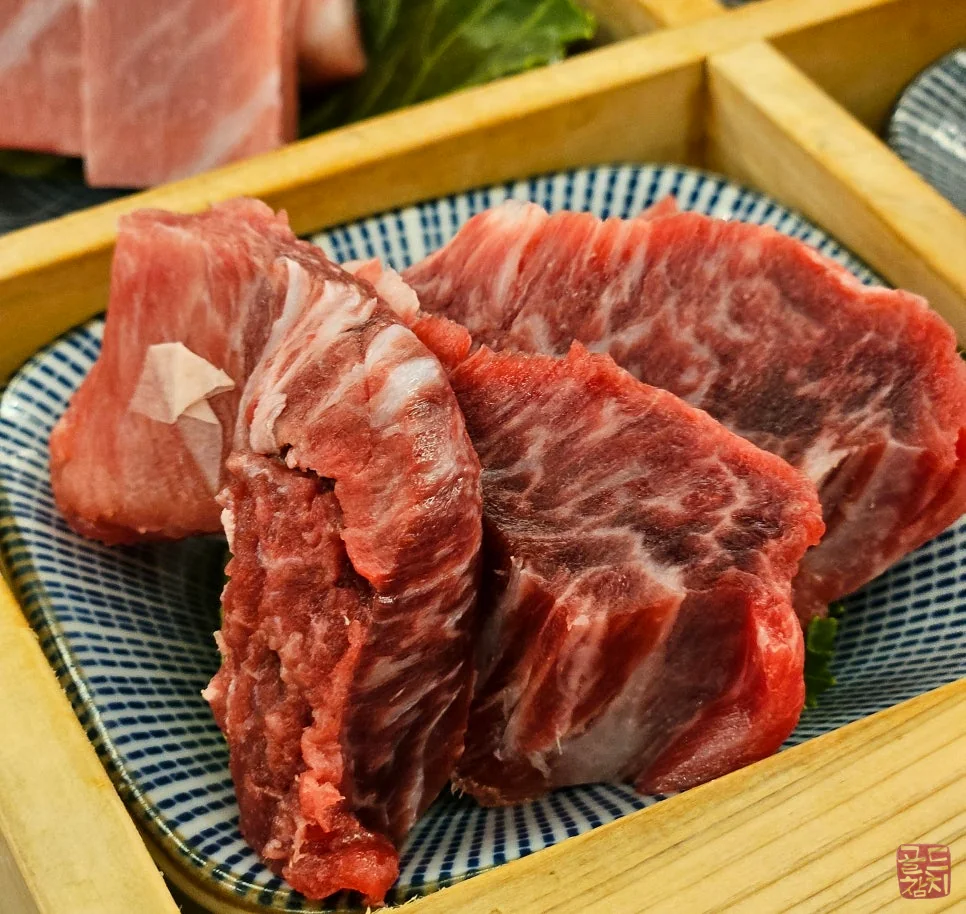
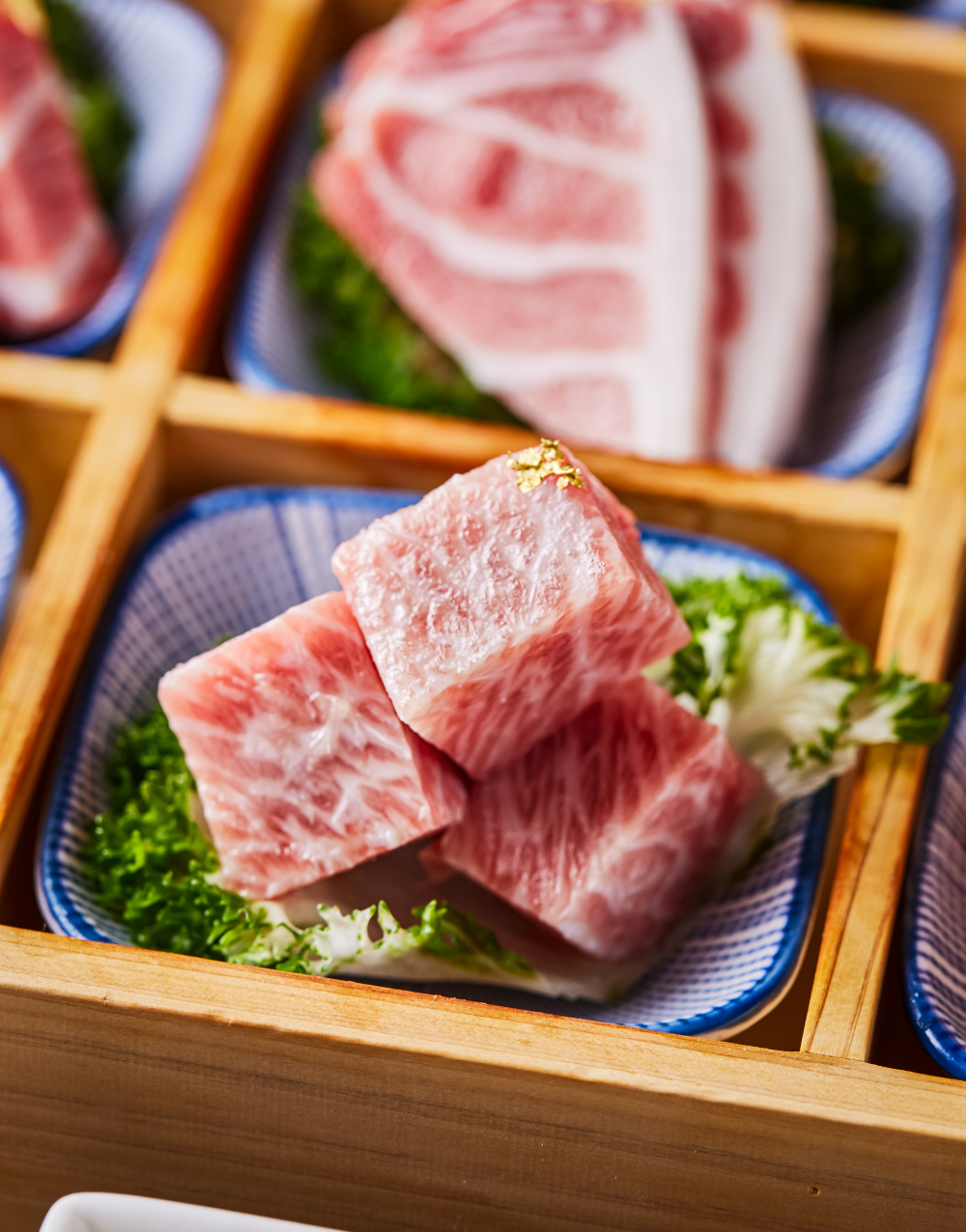
Diverse textures and aesthetic value manifested from a 350kg-class raw material
Correlation Between Reservation System and Quality Control
Tuna is an ingredient that cannot be provided immediately. Goldtuna adheres to the principle of approximately 40 minutes of initial thawing and at least 4 hours of stabilization time. Accordingly, we identify the number of reserved guests in advance to predict the required amount of raw material and prepare it in the best condition.
Advance reservation goes beyond simply occupying a seat; it is a process of securing preparation time to maximize the quality of the raw material. All Goldtuna branches implement a reservation-priority system for smooth quality control.
Tuna sashimi completed through a precise process
Related Professional Information
7 Key Indicators Determining Tuna Quality
This is a guide covering fat, texture, umami, flavor, moisture, color and marbling, and freshness. This post focuses on providing in-depth information on 'moisture management' among them.

Umami and Raw Material Characteristics of Tuna Akami
This document describes the conditions that high-quality Akami must meet and the changes in texture according to thawing timing.
Goldtuna Branch Information
Goldtuna Bangi Main Branch
2nd Floor, 125 Ogeum-ro, Songpa-gu, Seoul. We are fully equipped with private rooms and group seating for family gatherings and corporate dinners near Jamsil and Bangi-dong.
Reservations and Inquiries: 010-5468-0484
Goldtuna Sinsa Branch
2nd Floor, 11 Apgujeong-ro 10-gil, Gangnam-gu, Seoul. This is a directly managed branch providing private dining experiences for business meetings and anniversaries near Garosu-gil.
Reservations and Inquiries: 010-5478-0484
Academic References
According to research on the correlation between muscle protein denaturation and drip occurrence during tuna thawing, it has been proven that low-temperature thawing methods below 10°C are effective in inhibiting protein denaturation and minimizing moisture loss.
Research data from the Japan Society of Cookery Science (2006) comparatively analyzes quality changes in tuna according to three different thawing methods, suggesting that the thawing process is a decisive factor in determining final quality.